








Introduction:Can you brew rich-flavored, crema-packed coffee at home with a moka pot? This article provides a detailed guide on selecting coffee beans, choosing the right grind size, water-to-coffee ratio, and the proper heating process—helping you master moka pot extraction techniques and avoid common issues like over-extraction, channeling, and splattering. Whether you’re a beginner or already have some experience, this comprehensive guide will help you brew espresso-level coffee at home and even inspire creative variations of classic coffee drinks.
Want to brew rich, fine-crema coffee at home with a moka pot? With the right bean selection, grind fineness, and brewing process, you can easily replicate café-quality espresso. This article covers everything from the basics to advanced tips, guiding you through the full moka pot process. Whether you prefer straight espresso, milk-based drinks like lattes, or even Vietnamese iced coffee, you can build your own variations from here.
What kind of coffee beans work best for a moka pot?
The moka pot operates similarly to an espresso machine, using high pressure and high temperature to extract coffee. Therefore, it’s important to choose beans that can release sufficient aroma and crema. Generally, it’s recommended to usemedium to dark roastedcoffee beans. These beans accumulate more carbon dioxide during roasting, which helps create a rich crema. Additionally, freshness is key—beans roasted within the past40 to 50 daysusually offer the best aroma and flavor, so it’s best to avoid beans stored for more than two months.
Commonly available beans suitable for the moka pot fall into two main categories: one is medium to dark roastedsingle-origin beans, and the other is carefully blendedespresso blends. The former is ideal for those who prefer distinct, pronounced flavors, while the latter offers a balanced, complex taste that closely resembles the espresso base commonly found in cafés.
What grind size should I use for a moka pot?
This is a common question for many beginners. The ideal coffee grind size for a moka pot is between that of pour over and espresso—finer than pour over but coarser than typical espresso. It’s recommended to aim for a particle diameter of around0.3 to 0.55 millimeters, slightly coarser than what most espresso machines use. If the grind is too fine, water flow resistance increases, which can lead to over-extraction, excessive pressure, and even safety concerns. If the grind is too coarse, water flows too quickly, resulting in under-extraction and weak flavor.
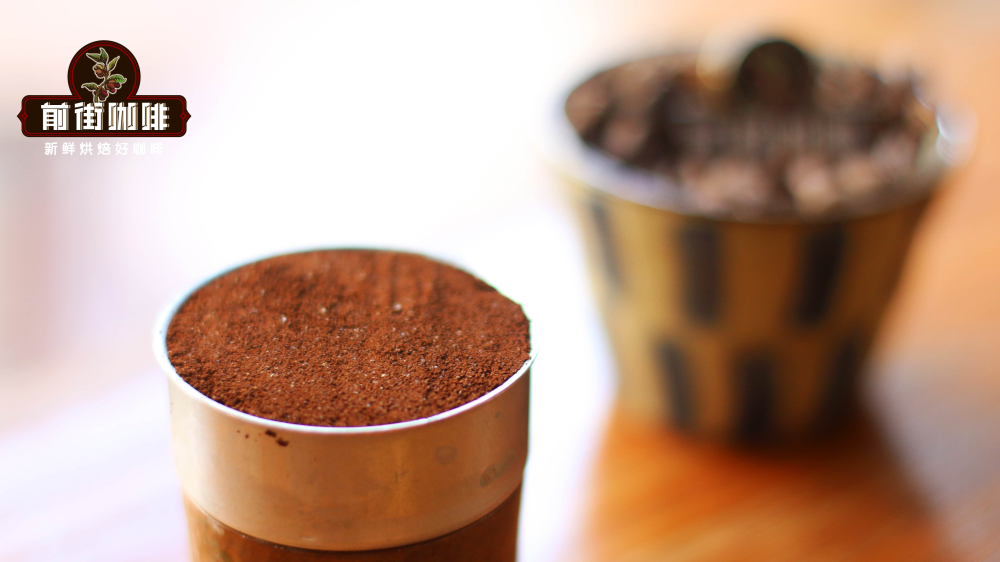
In practice, imagine the texture is similar tofine salt—when rubbed between your fingers, it should feel uniform and fine without clumping.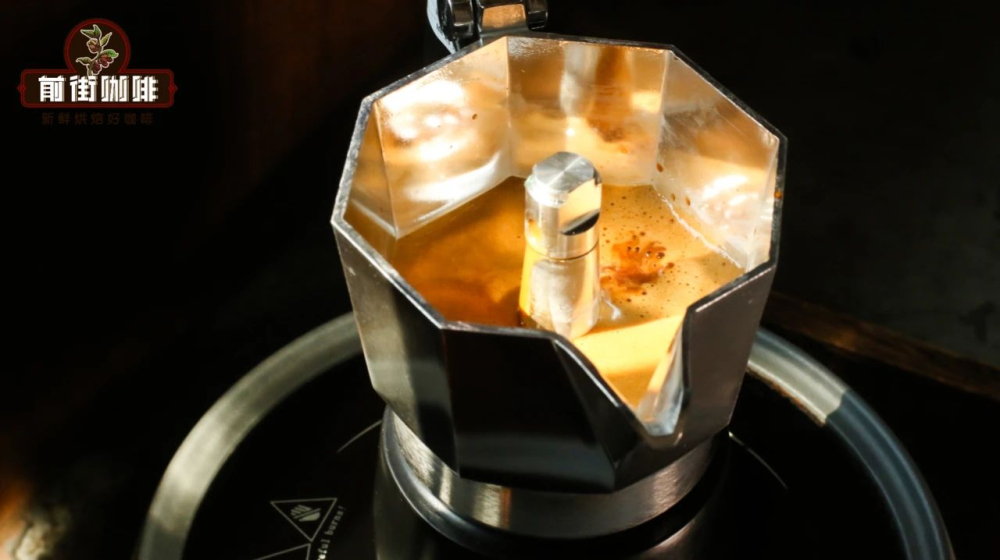
What tools do I need to prepare before using a moka pot?
Essential tools include: freshly ground coffee, purified water, the moka pot itself, and a heat source (an electric or gas stove is recommended, but always prioritize safety).
Moka Pot Brewing Steps – Illustrated Guide
1. Adding Water: It’s recommended to use hot water to shorten the heating time. Depending on the model—for example, a double-chamber single-valve moka pot—you can add about130mlof water.
2. Filling the Coffee Chamber: Add about18gof coffee grounds into the filter basket. After filling, gently level the surface with your finger, avoiding excessive tamping. If using fine grinds, avoid pressing too hard to prevent clogging and abnormal pressure.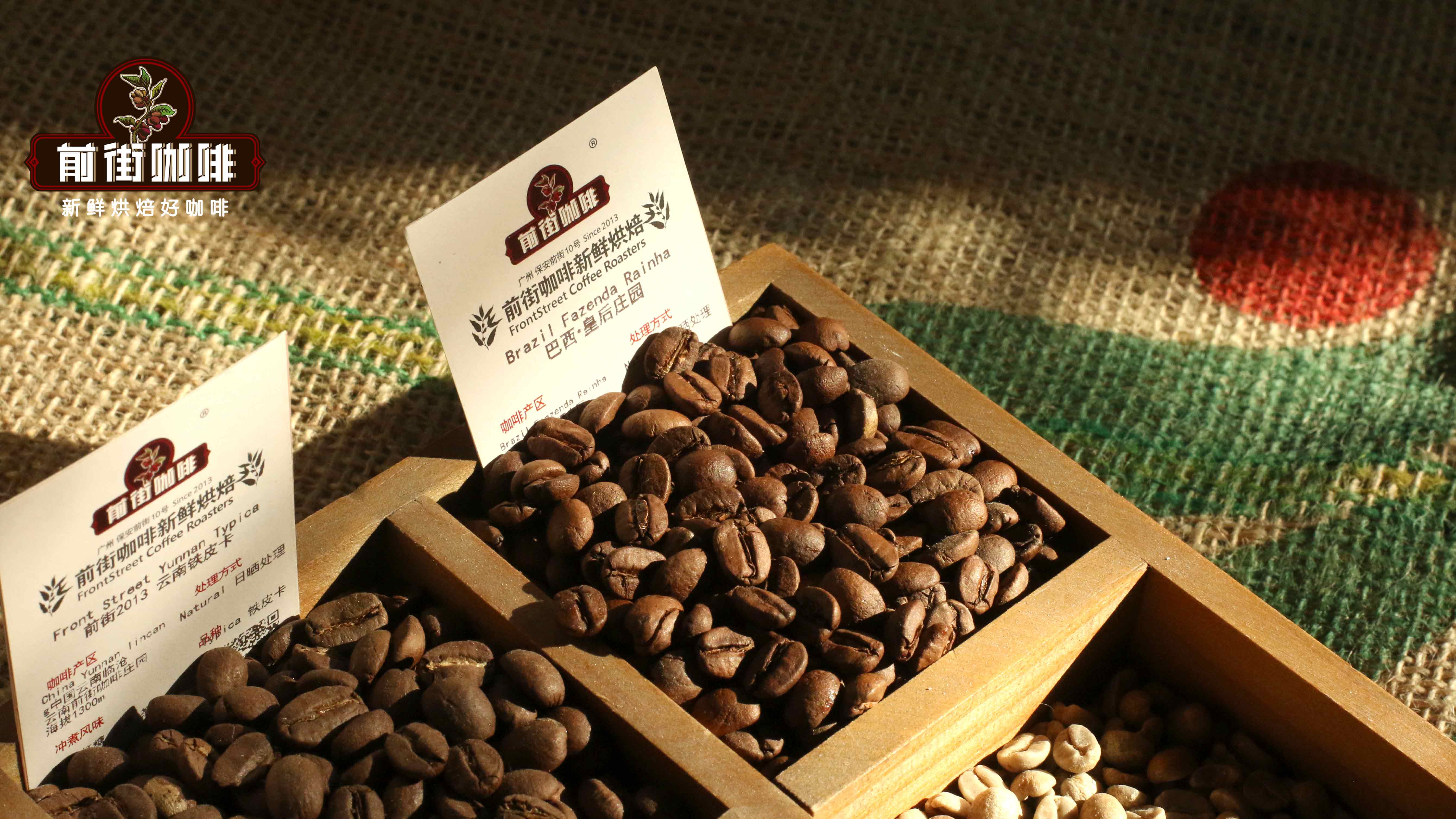
3. Assembling the Moka Pot: Securely attach the upper and lower chambers. If the lower chamber contains hot water, use a damp cloth for insulation to avoid burns.
4. Starting the Heat: Place the moka pot on the heat source and maintain a steady flame.
5. Adjusting the Flame: When you hear a distinct hissing sound, it means the water has boiled and the coffee liquid is beginning to rise. At this point, immediately reduce the flame to avoid over-extraction or splattering caused by excessive pressure.
6. Stopping the Heat: Once about half of the coffee has flowed out, turn off the heat and let residual heat complete the extraction.
7. Tasting and Adjusting: If the coffee tastes overly bitter or burnt, it may be over-extracted. Try shortening the extraction time or reducing the water amount. If the flavor is too acidic or has off-notes, the grind might be too coarse or the extraction insufficient. Adjust the grind fineness or extend the extraction time accordingly.
Versatile Ways to Enjoy Moka Pot Coffee
The espresso brewed from a moka pot can be used as a base for many classic drinks based on personal preference. The simplest option is to dilute it with water to make an Americano, ideal for those who enjoy a lighter taste. Adding warm fresh milk (ideally at a temperature of around60–65°C) turns it into a latte, offering a smoother, creamier flavor. For a chilled option, try adding ice and sweetened condensed milk to create an iced drink similar to Vietnamese coffee—rich in flavor and refreshing.
No matter your preferred style, the moka pot provides a stable and expressive extraction foundation, making it a great choice for enjoying espresso-style coffee at home.
The above content is compiled by CoffeeHunters, a coffee news website.


