







Introduction:Jamaican Blue Mountain coffee is hailed as one of the world’s top specialty coffees, yet its authenticity and grading often confuse consumers. This article delves into the grading system of Jamaican Blue Mountain coffee—from Blue Mountain No. 1 to Peaberry—explaining its regional restrictions, varietal characteristics, and rigorous certification process. It also explores the washed processing method, the background of the Clifton Estate, and offers key methods for identifying genuine beans, including price, aroma, certificates, and barrel packaging. Finally, it shares brewing suggestions and flavor profiles for a well-known brand’s Blue Mountain No. 1, helping you fully grasp the essence of Blue Mountain coffee.
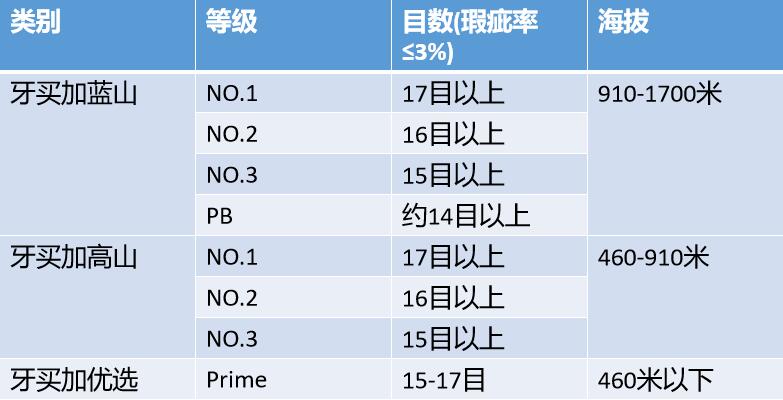
Blue Mountain coffee is widely recognized as one of the world’s most premium specialty coffees. However, products labeled as “Blue Mountain” on the market vary greatly. What exactly is authentic Jamaican Blue Mountain? Can a coffee bean with a Blue Mountain flavor be classified as specialty? Starting from the official grading system of the Jamaica Coffee Industry Board (JCIB), this article will take you in-depth into the grade differences between Blue Mountain No. 1 and Blue Mountain Peaberry, clarifying that only Typica variety grown at elevations between 910 and 1,700 meters in the Blue Mountains can be rightfully called “Jamaican Blue Mountain coffee.” This area accounts for only one-third of the total Blue Mountain region, covering approximately 6,000 hectares across five peaks: John Crow, St. John’s Peak, Mossman’s Peak, High Peak, and Blue Mountain Peak. Only about 15% of Jamaica’s total coffee production earns Blue Mountain certification.
The grading system for Blue Mountain coffee is extremely strict. To distinguish Blue Mountain from regular Jamaican coffee, the Jamaican government, through the JCIB, has established specific certification standards. Only coffee grown within the aforementioned altitude range, cultivated with the traditional Typica variety, and passing multiple inspections qualifies to be called “Jamaican Blue Mountain.” Notably, although the Typica variety boasts elegant aroma and a good balance of acidity and sweetness, it has low yield and weak disease resistance—many regions have switched to higher-yielding varieties. Yet Jamaica insists on growing this variety in the Blue Mountains, creating its unique flavor profile. Coupled with the Blue Mountains being surrounded by the Caribbean Sea and enjoying a naturally pristine environment, Typica has adapted to the local terroir, further developing the distinctive flavors found nowhere else.
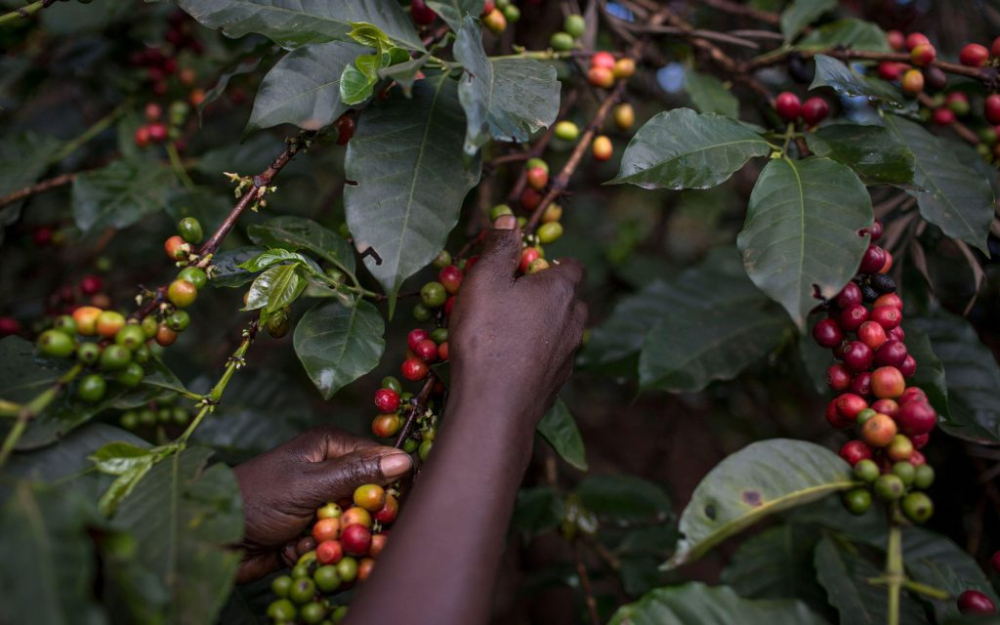
The harvesting and processing of Blue Mountain coffee are equally meticulous. During harvest season, locals typically employ women familiar with the terrain to handpick only the ripest coffee cherries, ensuring that only the best coffee cherries proceed to further processing. Most Blue Mountain coffee estates use the washed processing method: floatation removes unripe fruits and impurities, fermentation removes the pulp, followed by sun drying. This entire process effectively reduces off-flavors, making the inherent flavors of the coffee clearer and purer. Take the Clifton Estate as an example: its washed process includes placing coffee cherries in water tanks for floatation, removing the skin and flesh after fermentation, then using an overnight fermentation to loosen the mucilage, and finally sun drying the parchment beans to the appropriate moisture content before packaging and quality inspection.
Dried Blue Mountain green beans are rigorously graded based on multiple criteria, including bean size, color uniformity, moisture content, and cupping performance after final roasting. According to the JCIB grading, Jamaican Blue Mountain coffee is divided into four grades: Blue Mountain No. 1, Blue Mountain No. 2, Blue Mountain No. 3, and Blue Mountain Peaberry (Peaberry). Among them,Blue Mountain No. 1 is the highest grade, featuring uniform bean size and the lowest defect rate. It is also the more commonly available authentic Blue Mountain coffee on the market. To meet the Blue Mountain No. 1 standard, beans must undergo multiple rounds of manual sorting to eliminate those that don’t meet the criteria, resulting in scarce yield and high prices.
Many coffee products on the market claim to have a “Blue Mountain flavor” or are “Blue Mountain blends,” yet they are not truly from the Jamaican Blue Mountain region. How can you identify genuine Jamaican Blue Mountain coffee? First,real Blue Mountain coffee usually isn’t cheap. If you come across “Blue Mountain beans” at unusually low prices, they’re likely just commercial blends or beans with only a Blue Mountain flavor profile. For example, the market price for Blue Mountain No. 1 is typically over 150 RMB per 100 grams, far higher than ordinary specialty coffee. Second, in terms of aroma, authentic Blue Mountain coffee offers a rich and long-lasting chocolate and roasted hazelnut scent—a complexity hard to match with common dark roast blends. In taste, Blue Mountain coffee demonstrates an excellent balance of acidity, sweetness, bitterness, and aroma, with both body and sweetness, without any single flavor dominating.
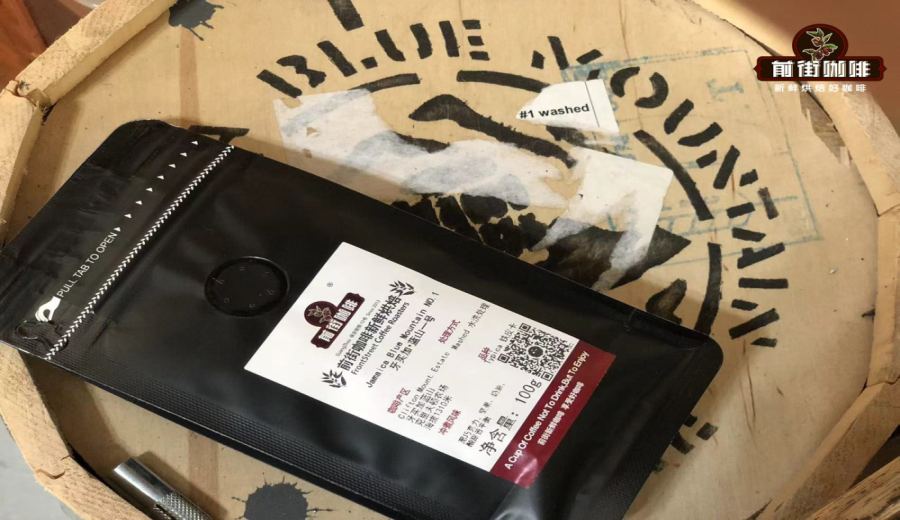
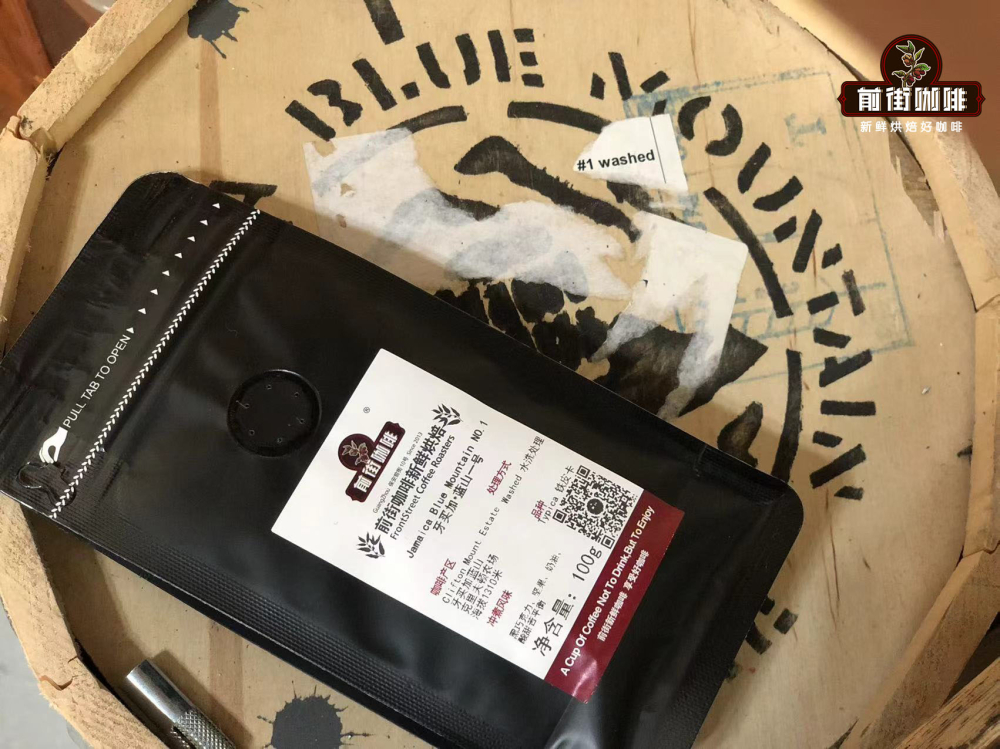
If you still find it difficult to judge, it’s advisable to ask the seller for relevant certifications and documents, such as quality certificates issued by the Jamaica Coffee Board, authorized sales certificates from the producer, and certificates of origin. In addition,Jamaican Blue Mountain is one of the very few regions that store green beans in wooden barrels. If you see green coffee beans packaged in wooden barrels, that’s also a reference for authenticity. These details can help consumers avoid buying counterfeit products.
Take a commonly available well-known brand’s Blue Mountain No. 1 as an example—it features a rather classic flavor profile: rich chocolate and roasted nut aromas paired with soft acidity and a full body. Upon tasting, you can perceive the intensity of black chocolate along with the natural sweetness of nuts, with a clean and layered aftertaste. To fully showcase these characteristics, it’s recommended to use a medium-to-dark roast and precise brewing parameters to bring out the delicate flavors of Blue Mountain coffee.
For brewing, it’s recommended to use a KONO filter, paired with a medium-coarse grind (approximately 88°C water temperature) with a 20-number standard sieve passing rate of about 75%. Use a 1:15 ratio (15 grams of coffee grounds to 225 milliliters of water) and perform a three-stage pour. The first step is a 30-second bloom with 30 grams of water; the second step involves pouring 95 grams of water in even circular motions from the inside out. When the water level drops to two-thirds of the filter, pour the final 100 grams of water to complete the third stage. Maintain a small stream of water throughout, with a total extraction time of about 2 minutes. These parameters fully highlight the aroma and layers of Blue Mountain coffee, especially during temperature transitions, allowing you to better perceive the subtle shifts in its fragrance.
In summary, Jamaican Blue Mountain coffee is defined not just by its origin and variety, but also by a stringent set of quality control and certification standards. From elevation, variety, processing method, to grading and packaging certification—every step influences the final flavor and quality. If you seek the experience of top-tier specialty coffee, understanding Blue Mountain’s grading and identification methods will help you find the truly worthwhile Blue Mountain coffee to savor.
The above content is compiled by CoffeeHunters, a coffee news website.


