







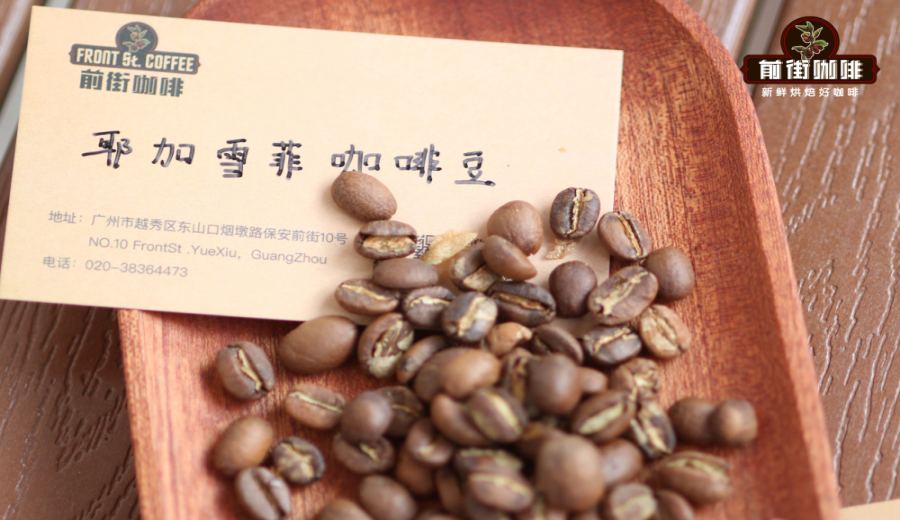
Introduction:Yirgacheffe is a renowned specialty coffee region in Ethiopia. The sun-dried beans produced by its Adado Cooperative are celebrated for their distinct floral and fruity aromas and delicate sweet acidity, making them a top choice for many coffee enthusiasts just starting out. This article delves into the high-altitude advantages and cooperative processing model of the region, details the flavor profile of Adado beans, and offers expert pour over parameters and step-by-step recommendations to help you fully unlock their potential.
Yirgacheffe coffee comes from one of Ethiopia’s highest-altitude regions, known for its distinctive bright floral notes and vibrant citrus acidity. It is a classic among global specialty coffee lovers. Compared to the pricey Geisha, Yirgacheffe not only boasts highly recognizable flavors but also, with its relatively more affordable price, serves as an ideal everyday brew for many.
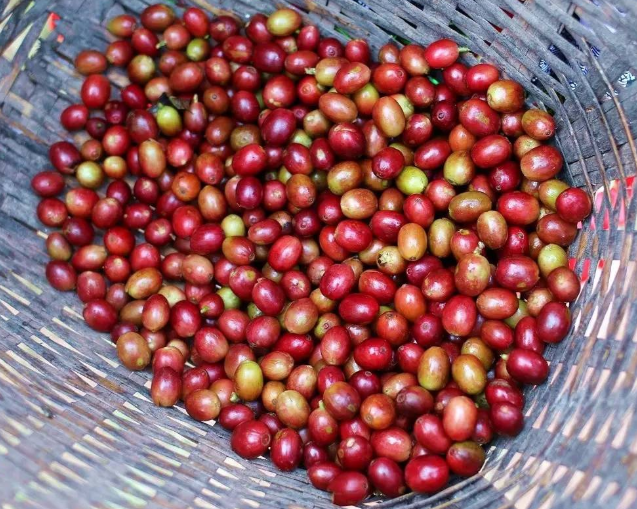
The region sits at elevations of nearly 2000 meters, with some areas even reaching up to 2100 meters. The high-altitude environment provides optimal growing conditions for Arabica coffee trees, aiding in the accumulation of flavor compounds. Influenced by Lake Turkana, Lake Abaya, and Lake Chamo, the area enjoys mild, year-round weather with high humidity and frequent fog—all of which contribute to Yirgacheffe’s unique floral and fruity characteristics.
In Ethiopia, most coffee is grown by smallholder farmers, typically cultivating just around one hectare per household with limited output. After harvest, the coffee cherries are sent to local cooperatives for further processing and grading. This cooperative model not only improves quality control but also ensures more stable income for farmers. Common cooperative names such as Gotiti, Worka, Konga, and Adado are all recognized sources of quality coffee on the market.
The Adado Cooperative is located in the Gedeo zone, under the administration of the Sidama region, which is also the core area of Yirgacheffe and Kochere. Established in 2012, the Adado processing facility is formed by 7000 coffee farmers and spans over 200 acres, making it one of the largest processing operations in the area. It is about a 30-minute drive from the town of Yirgacheffe. In addition to washed processing, the facility is also equipped with a complete natural (sun-dried) processing system and ample shaded drying beds to ensure the stability of green bean quality during drying.
The so-called natural (sun-dried) processing method involves drying harvested coffee cherries directly under the sun. During this process, the sugars and aromas within the fruit pulp gradually seep into the beans. As the entire process is natural and involves minimal interference, fermentation is more thorough, often resulting in sun-dried beans with intense tropical fruit and berry notes, as well as greater sweetness and aftertaste. Ethiopia’s dry climate, high altitude, and long sunshine hours all provide ideal conditions for natural processing.
The Adado natural Yirgacheffe beans introduced by this shop are medium-light roasted to highlight their floral and fruity profiles. Generally speaking, high-altitude light-roast beans have a denser internal structure, requiring higher water temperature and finer grind size to effectively extract their flavors. It is recommended to use water at 92–93°C and a grind size that allows 80% of particles to pass through a standard #20 sieve (approximately the coarseness of granulated sugar), which helps fully extract the floral and fruity aromas along with the layers of sweet acidity.
Specific pour over recommendations are as follows: Use a V60 dripper, with 15 grams of coffee and a 1:15 coffee-to-water ratio. First, pour 30 grams of hot water for a 30-second bloom. Then, pour approximately 95 grams of water within about 1 minute (total weight around 125 grams). When the water level drops to two-thirds of the coffee bed, pour another 100 grams of water (total weight around 225 grams). The total brew time should be about 1 minute and 35 seconds. Maintain a steady water flow and avoid excessive agitation to ensure balanced flavor expression.
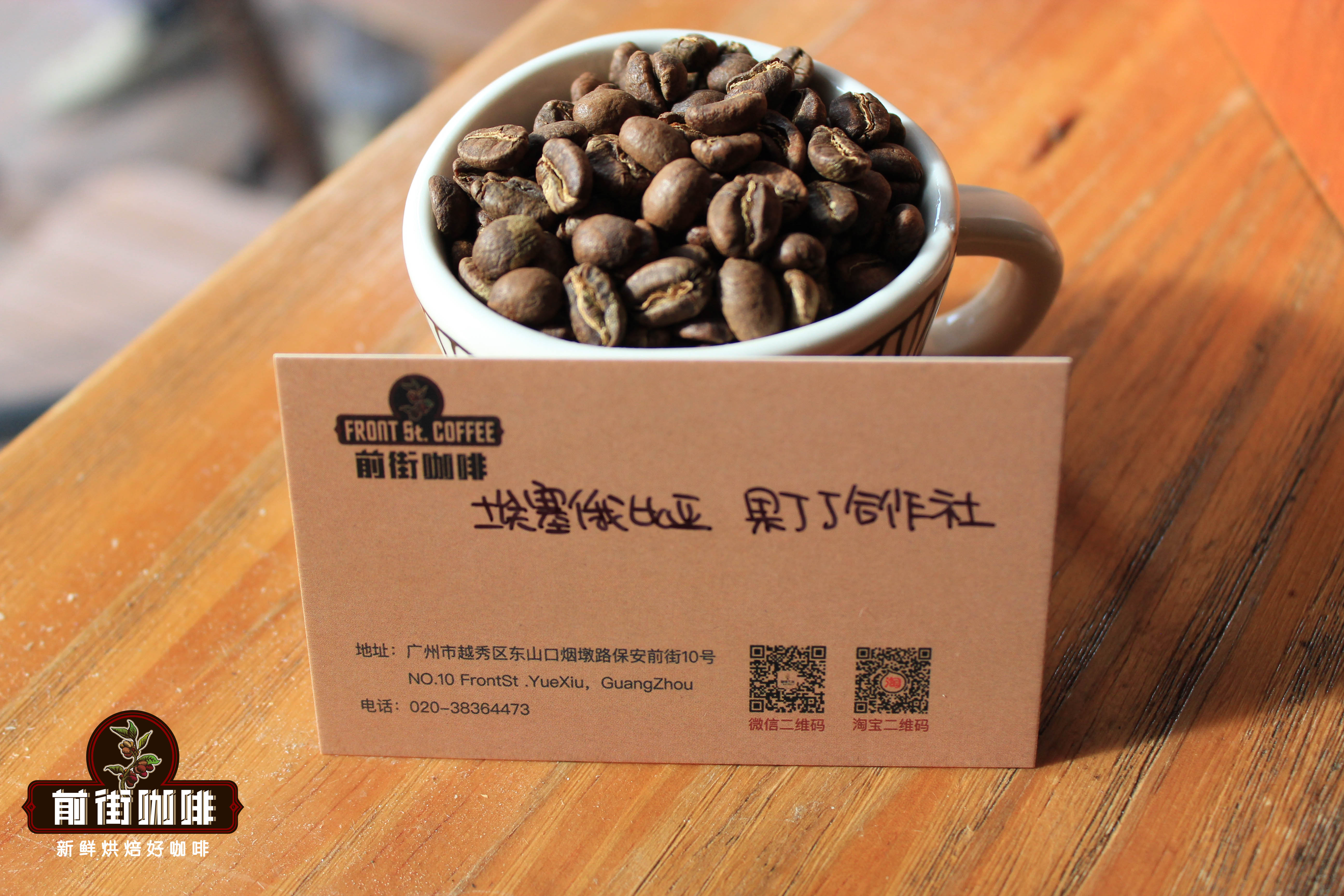
In terms of flavor, the dry aroma of Adado natural beans features pronounced red flower petals, citrus, and creamy notes. Upon tasting, you can perceive layers of berry, tropical fruit, orange, cocoa, and black tea flavors. The overall mouthfeel is round and medium-bodied, with a clear and lingering aftertaste. In comparison, another option, the Red Cherry natural Yirgacheffe, showcases rich berry sweetness and fermentation character, with a honey-like sweetness and black tea aroma in the finish—also well worth trying.
Overall, Yirgacheffe Adado is not only one of the representative specialty beans of the region, but its natural processing and medium-light roast also allow the floral and fruity characteristics to shine through. By mastering the correct extraction parameters and pour over techniques, you will be able to fully appreciate its unique flavor charm.
The above content is compiled by CoffeeHunters, a coffee news website.


