







Introduction:Although the moka pot is not as professional as an espresso machine, its simple structure and stable pressure can still brew a rich, crema-covered black coffee. This article delves into the construction principles, operating procedures, and key parameters of the moka pot—including coffee-to-water ratio, grind size, water temperature control, and heating techniques—and highlights common operational mistakes and ways to improve them. Additionally, it recommends suitable medium-to-dark roasted coffee bean blends to help you easily brew a moka pot latte with café-quality flavor at home.
In today’s era where pour over, siphon, and high-end espresso machines dominate the spotlight, the moka pot is often seen as old-fashioned and hard to master. Yet, this classic home pressure-brewing tool, with its simple design and stable steam pressure, can still produce concentrated espresso with bold flavors and rich crema. This article will provide a detailed explanation of how the moka pot works, and will step-by-step break down each stage—from adding water, filling the coffee grounds, heating, to combining with milk—while deeply analyzing the interplay between water flow rate, grind size, and water temperature. It also points out commonly made errors, such as improper water level control or heat intensity. Furthermore, it recommends several medium-to-dark roasted blends ideal for the moka pot, helping coffee enthusiasts consistently produce a latte with captivating crema in a home setting.
Nowadays, pour over, siphon, and high-end espresso machines each have their own loyal followers, while the moka pot is often misunderstood as outdated and difficult to use. Many coffee lovers prefer brewing single-origin coffee at home or visiting cafés to enjoy milk-based drinks like cappuccinos. However, as home espresso equipment becomes more common, an increasing number of users are turning their attention to the moka pot, which also offers pressurized extraction.
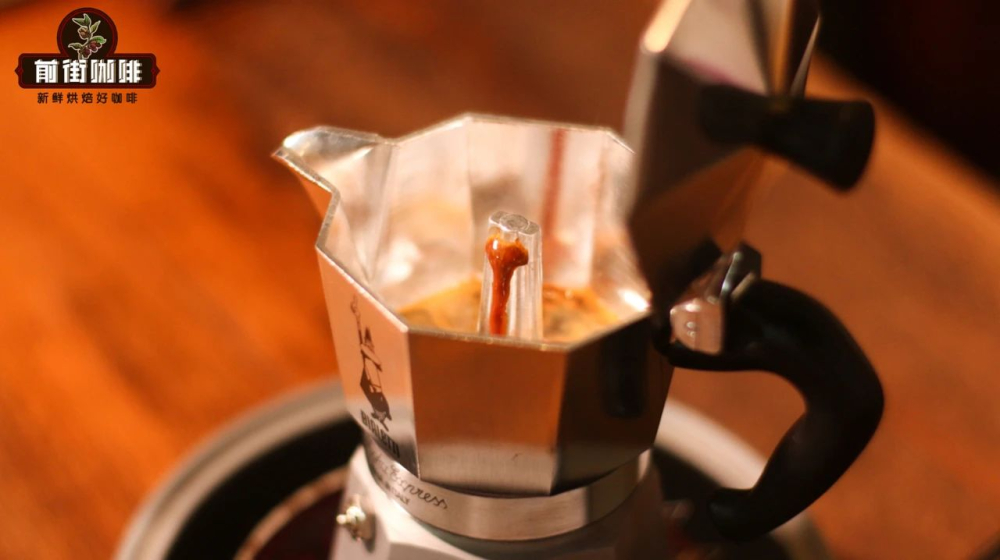
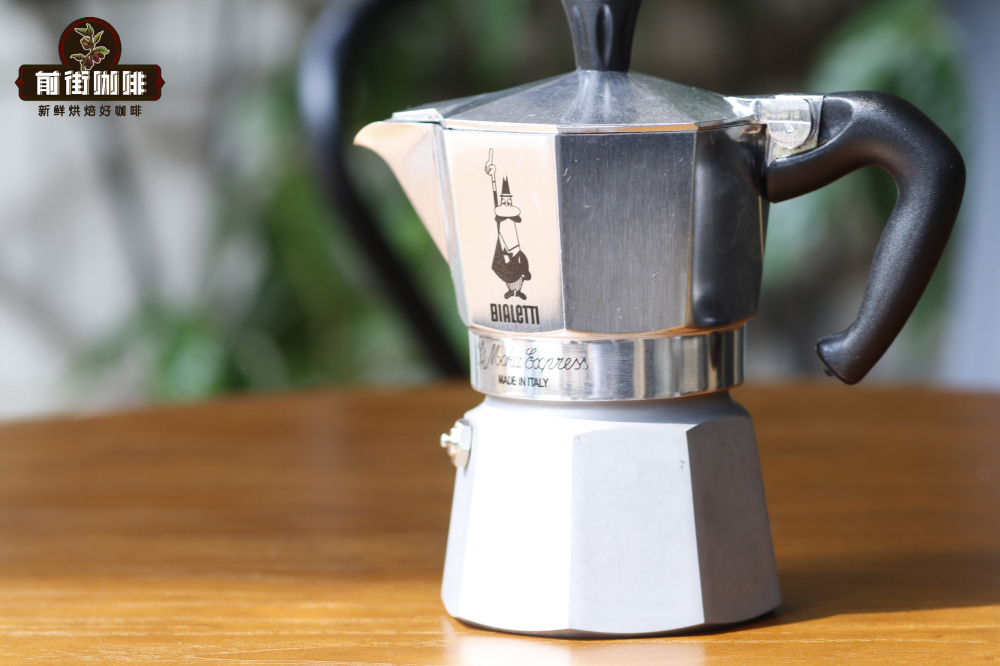
The extraction principle of the moka pot is actually not complicated: water is placed in the lower chamber, coffee grounds are added to the middle filter basket, and the upper chamber collects the brewed coffee. When heated, the water in the lower chamber boils, generating steam pressure that pushes the hot water upward through a central metal tube. Under this pressure, the water filters through the coffee grounds and eventually drips into the upper chamber, forming concentrated coffee.
It’s important to note that the coffee directly brewed by a moka pot is usually quite strong—if consumed straight, it may be overly intense and the aroma may not fully develop. Therefore, it’s recommended to mix it with water or fresh milk in an appropriate ratio, based on personal taste, to create a “moka pot americano” or “moka pot latte.” This not only softens the strong flavor but also allows you to appreciate the beans’ inherent sweetness and complex layers.
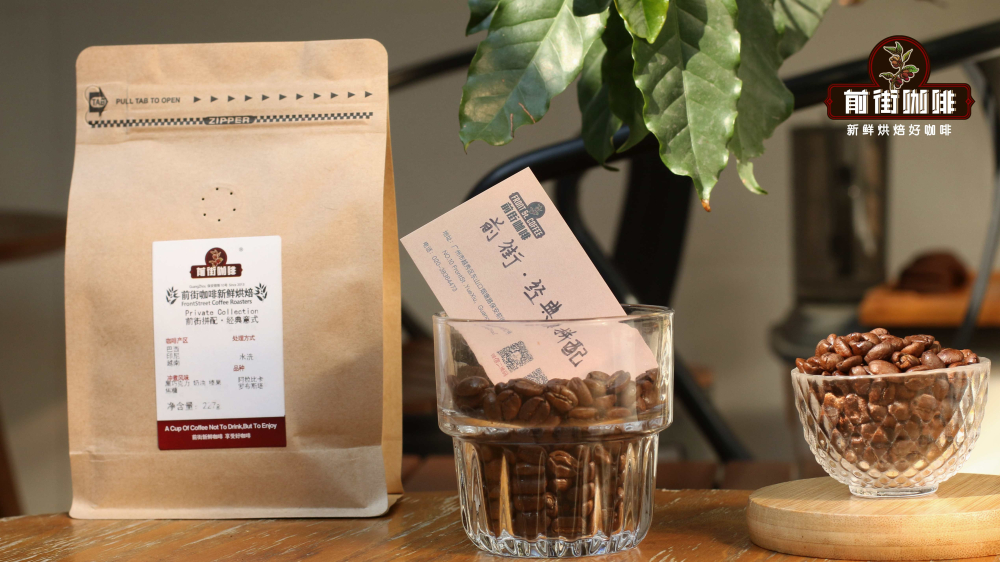
Similar to a professional espresso machine, the moka pot also has a certain degree of pressurization capability, enabling it to brew rich and full-bodied coffee—especially when paired with medium-to-dark roasted beans. To enhance overall extraction stability, it’s recommended to choose medium-to-dark roasted blends, such as those combining Indonesian Mandheling, Brazilian Red Bourbon, and Vietnamese Robusta. These blends, under the pressurized extraction of the moka pot, can release distinct notes of butter, roasted hazelnuts, caramel, and dark chocolate, delivering a full-bodied mouthfeel that performs excellently whether enjoyed black or with milk.
In the past, the moka pot received less attention primarily because it was positioned as a home-use appliance, lacking the professionalism of commercial espresso machines. Moreover, as China’s coffee culture was still in its early stages, most consumers initially favored professional, high-priced brewing equipment. However, as the number of coffee enthusiasts has grown, more people are seeking simple, easy-to-use home solutions—and the moka pot, with its high cost-performance ratio, has regained popularity.
Compared to professional coffee machines that can cost thousands or even tens of thousands of yuan, the budget-friendly moka pot—available for just a few hundred yuan—can deliver about 60–70% of the extraction effect. For users with limited budgets who still want to enjoy concentrated coffee flavors at home, it’s undoubtedly an attractive option. Additionally, the coffee brewed with a moka pot is also suitable for milk frothing, making it more than adequate for everyday home use.
Here’s how to use the moka pot to make a milk-based coffee: First, pour cold water into the lower chamber (it’s advised to avoid using hot water to prevent scalding). Then, insert the filter basket into the lower chamber, gently run your finger along the edge of the basket, and fill it with coffee grounds. Tamp the grounds so that they are slightly convex in the center and firmly packed around the edges without any gaps, then place the upper chamber directly on top and tighten it securely.
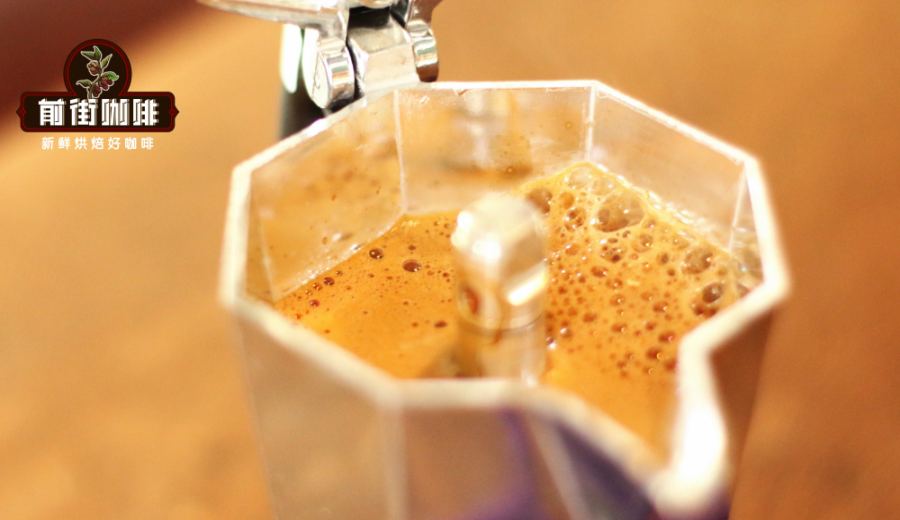
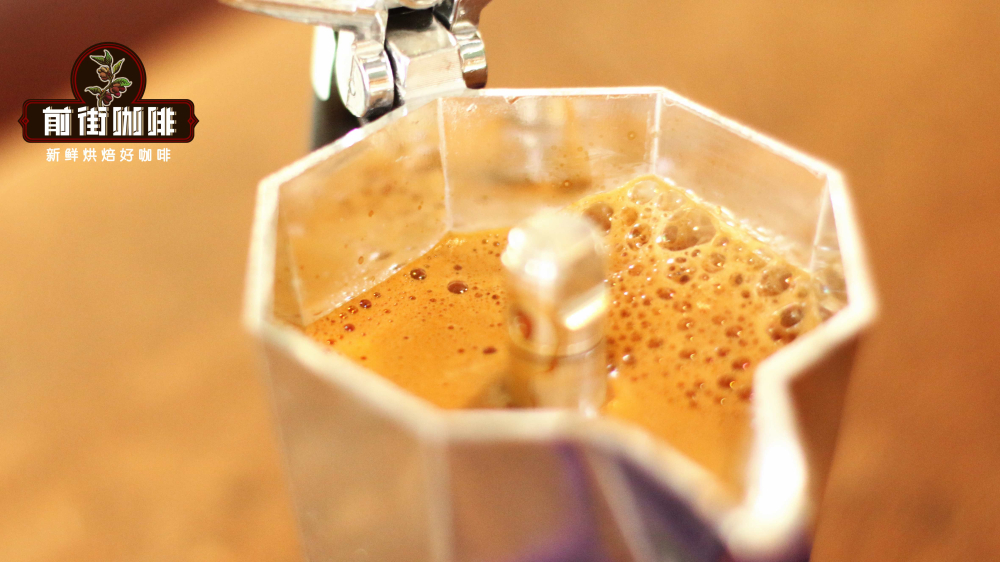
Place the assembled moka pot on an electric stove or gas burner to heat. When you hear a sound similar to a “wuu wuu” whistle, it means the coffee liquid has begun to rise—immediately turn off the heat and allow the coffee to naturally finish extracting and flowing into the upper chamber. Freshly brewed coffee usually has a layer of golden crema on the surface, but this layer often dissipates quickly, so it’s recommended to mix it with milk as soon as possible. Here, we recommend using a French press to heat about 200ml of fresh milk and froth it, then evenly combine the hot milk with the coffee to create a richly flavored moka pot latte.
It should be noted that although the crema produced by a moka pot is not as stable as that from a professional machine, coffee with crema helps improve the stability of the milk’s surface when pouring latte art—making it easier to create delicate patterns compared to coffee without crema.
Although the moka pot is intuitive to operate, there are still some common issues to watch out for. For example, the bottom of the lower chamber typically has a pressure relief valve, so the water level must never exceed the position of the valve—doing so will compromise safety and increase the risk of explosion.
Additionally, the flow rate of the coffee liquid is an important indicator of the extraction status: if the coffee flows out in a jet-like manner, it usually means the water temperature is too high or the coffee grounds are ground too coarsely, potentially leading to under-extraction; conversely, if the flow is too slow, it may be due to low water temperature or overly fine coffee grounds. In such cases, you can adjust the heat or switch to a coarser grind, while constantly monitoring the strength of the heat source.
Another reminder: the moka pot can only brew one batch of coffee at a time, and the actual extraction volume is difficult to control precisely. It’s recommended to rely on experience to judge when to stop heating, to avoid over-extraction, which can make the coffee overly bitter. If you want to brew coffee with rich crema, it’s advisable to use freshly roasted medium-to-dark roasted beans—because as the roast level increases, more gases are generated inside the beans through caramelization, which are released during pressurized extraction, helping form a thick crema layer. Note that the longer coffee beans are stored, the more likely these internal gases are to dissipate, reducing crema performance. It’s recommended to choose freshly roasted beans within 5 days of roasting for optimal extraction flavor.
The above content is compiled by CoffeeHunters, a coffee news website.


