







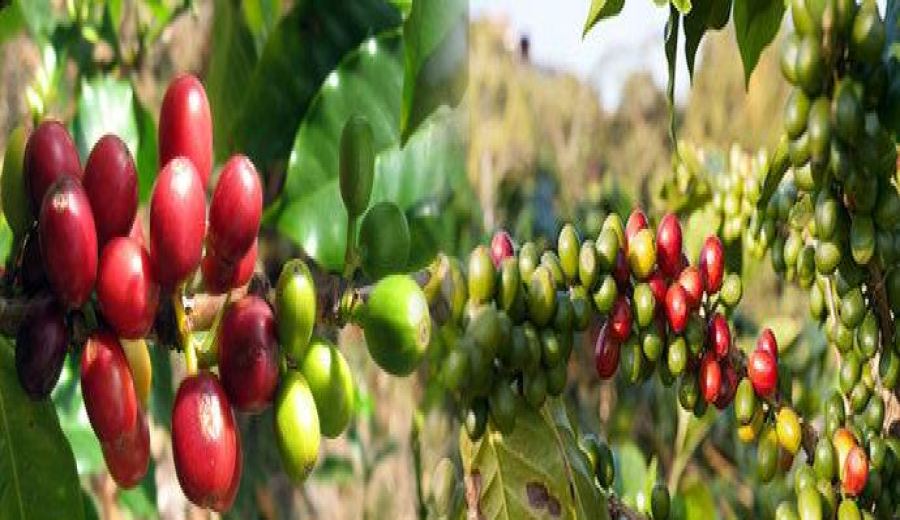
Introduction:As a classic representative of Sumatra, Mandheling coffee stands out with its rich, full-bodied flavor and unique spicy, herbal aromas, making it a top choice for many coffee enthusiasts just starting their journey. This article delves into the origins of the Mandheling name, key producing regions such as Lake Toba and Gayo Mountains, major varieties like Tim Tim and Ateng, as well as the wet hulling process that creates its distinctive flavors. It also introduces Indonesia’s green bean grading system, the selection criteria for PWN Golden Mandheling, and offers practical brewing references for both moka pot and pour over methods—helping readers fully appreciate the charm of this classic coffee.
When Indonesian coffee is mentioned, most coffee lovers immediately think of Mandheling, known for its intense spicy notes. This classic Arabica bean from Sumatra is not only celebrated for its bold, low-acid profile but also for its unique “wet hulling” processing method, which delivers an exceptional taste and layered aromatic complexity. Where does the name Mandheling come from? And why does it have such a distinctive flavor? Let’s take a comprehensive look at this classic coffee, from its historical background to its processing techniques.
The name “Mandheling” actually stems from an interesting misunderstanding. During World War II, a Japanese soldier in Sumatra tasted a richly flavored coffee and asked the shopkeeper about it. Due to a language mix-up, he mistakenly thought the response referred to the “Mandailing people” rather than the name of the coffee variety. After the war, the soldier brought the coffee back to Japan, referring to it as “Mandheling,” inadvertently propelling this Sumatran coffee to fame in Japan and beyond.
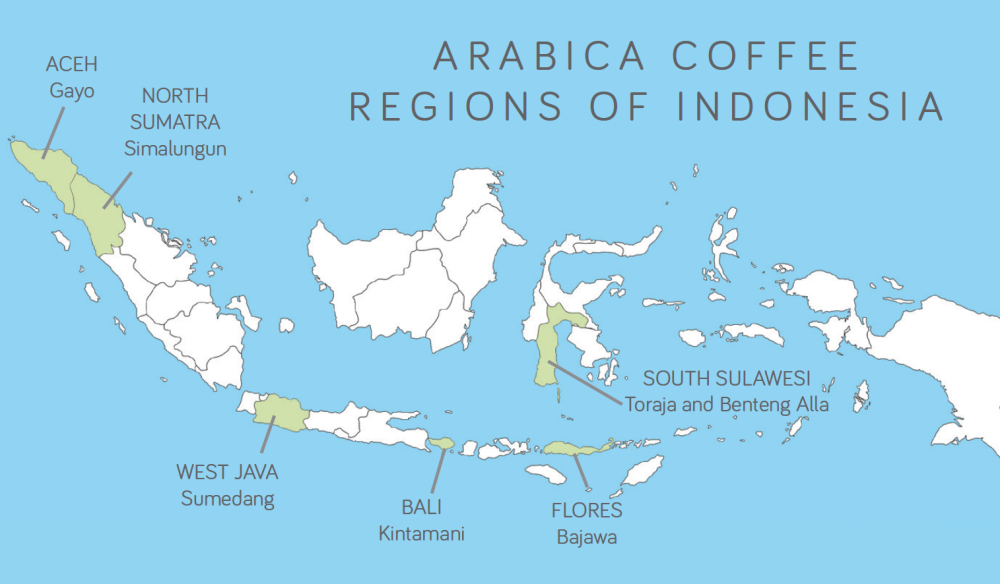
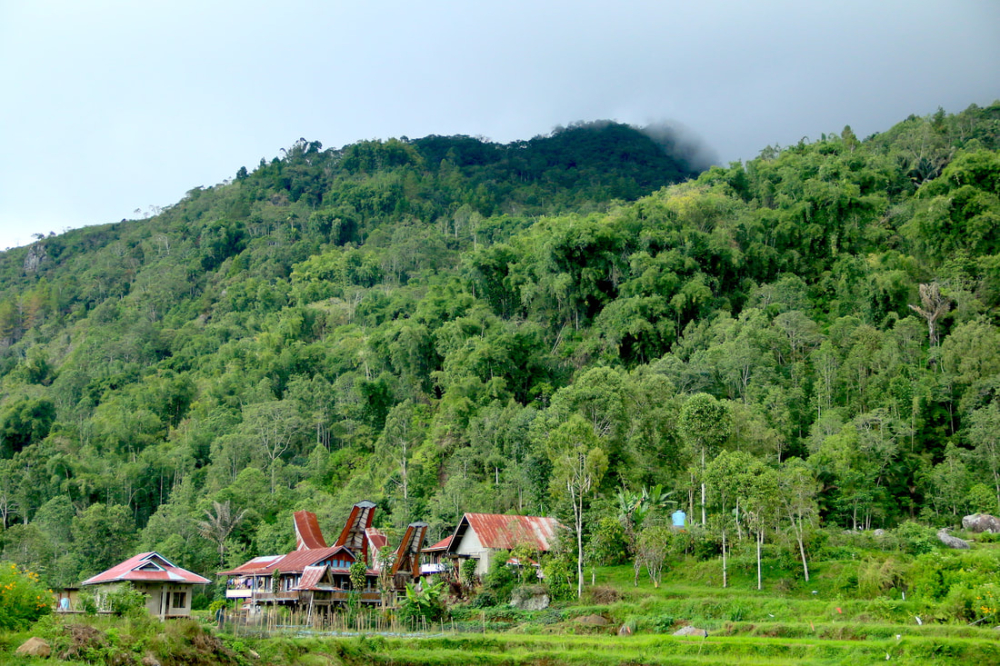
Today, when we talk about Mandheling, we mainly refer to Arabica coffee beans produced on the island of Sumatra, particularly around Lake Toba and the Gayo Highlands in Aceh. These regions feature a typical tropical rainforest climate, with high temperatures and humidity year-round, and coffee trees are mostly planted at mid-altitudes of 600 to 1,200 meters. Compared to higher-altitude regions, coffee cherries here ripen more quickly, resulting in less pronounced acidity but enhanced herbal and spicy aroma characteristics.
Sumatra’s volcanic soil is rich in minerals, providing ample nutrients for coffee cherries and contributing to a bold flavor foundation. The Lidong area, a renowned producing region in northern Sumatra, yields Mandheling beans that are larger in size and harder in texture. However, due to a relatively higher defect rate, careful selection is required; otherwise, inconsistent flavors may occur. For this reason, some Lidong Mandheling beans undergo more meticulous grading before roasting to ensure consistent flavor performance.
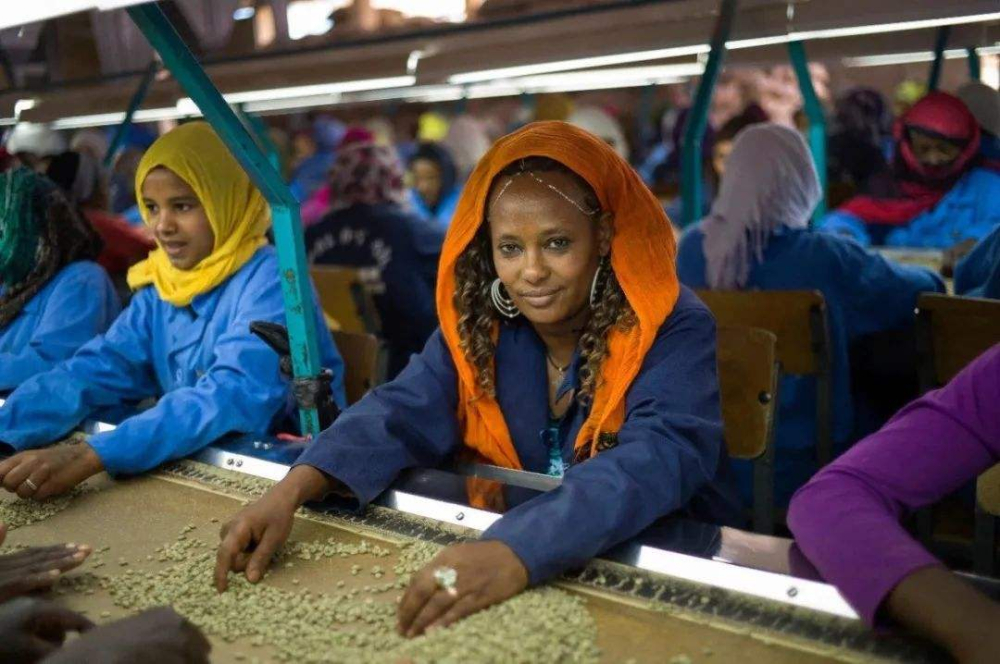
Indonesia’s green bean grading is based on the number of defective beans and bean size, with the highest grade being G1, requiring no more than three defective beans in a 300-gram sample and beans must be 18 mesh or larger. Many Japanese buyers, who prefer high-quality Mandheling, have collaborated with Indonesian exporters to establish strict screening processes, including density grading, color sorting, and multiple rounds of hand-picking—to ensure uniform bean size and appearance while enhancing flavor purity and sweetness.
When it comes to the market term “Golden Mandheling,” this name is actually a trademark registered by Indonesia’s PWN company. Only Mandheling produced by PWN and passing its high-standard screening process can be called “PWN Golden Mandheling.” This series typically undergoes multiple rounds of manual sorting on top of the G1 grade, resulting in limited production. Due to the prevalence of counterfeit products on the market, consumers should pay attention to whether there is official PWN certification and clear labeling on the packaging.
The main cultivated varieties of Mandheling coffee include Tim Tim and Ateng. Tim Tim is the Indonesian name for the natural hybrid variety Timor, which is a cross between Typica and Robusta. It boasts strong disease resistance and high yield, and was widely planted in Indonesia in the mid-20th century. Ateng is the local term for Catimor, a hybrid of a Bourbon variant and Timor, with about a quarter of its lineage from Robusta. It has excellent disease resistance, making it the dominant planting variety in Sumatra and one of the foundational varieties for many specialty-grade Mandhelings.
The key to Mandheling’s low acidity, full body, and rich aroma lies in its unique “wet hulling” processing method. Sumatra’s unpredictable weather, high humidity, and frequent typhoons make traditional sun-drying and washed processing difficult to control. As a result, the region developed wet hulling—a highly efficient and low-cost processing technique. The process includes: first removing the fruit skin and pulp, allowing the beans still covered in parchment to ferment for about three hours, then drying them in the sun for 2 to 3 days until the moisture content drops to 20% to 24%. Next, the parchment is removed—while the beans are still relatively soft and prone to deformation during pressing, leading to their characteristic “elephant foot” appearance—and finally, the beans undergo slow drying under controlled temperature and humidity until the moisture content reaches 12% to 13%, ready for packaging and storage.
The most distinctive feature of wet hulling is its long drying time and short fermentation period, resulting in lower acidity in the final beans while retaining rich herbal, spicy, and caramel notes. This process not only adapts to Sumatra’s environmental challenges but also shapes Mandheling’s uniquely bold flavor profile.
For coffee newcomers just getting into Mandheling, it is recommended to start with “Lidong Mandheling Everyday Bean.” This bean, processed with the wet hulling method and graded G1, showcases bold nutty and spicy aromas, making it ideal for daily drinking. Those seeking more refined herbal and fresh spicy notes may opt for PWN Golden Mandheling, which undergoes rigorous selection, offering a purer flavor and more pronounced sweetness—making it a treasured choice among many coffee aficionados.
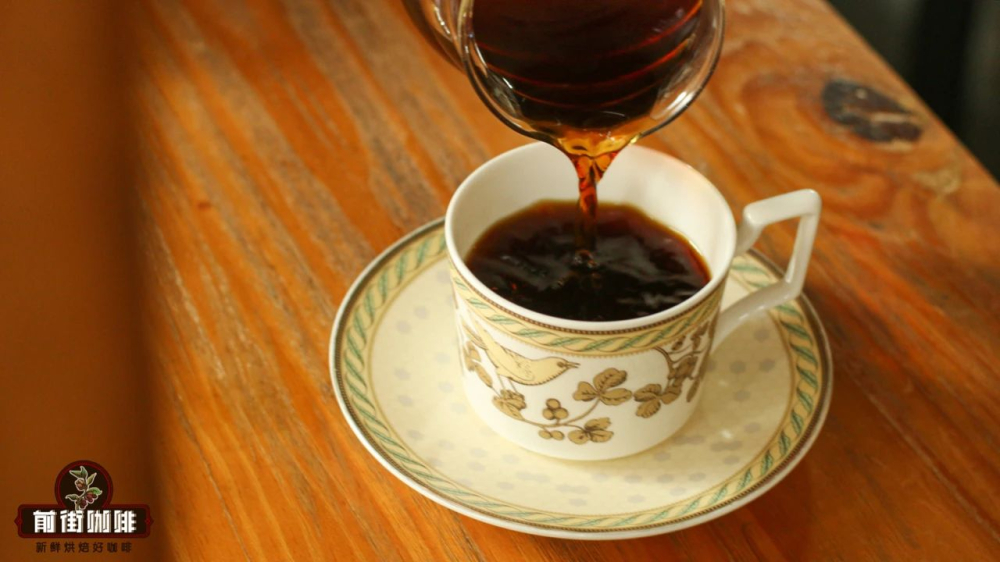
In terms of brewing, Mandheling’s bold and full-bodied profile makes it well-suited for dark roasts that highlight its aromatic depth. Using a moka pot is a popular choice among many home enthusiasts, as it is simple to operate and effectively extracts its intense flavors. Here is a classic moka pot recommendation: grind 20 grams of coffee beans to a medium-fine level, fill the basket, and tamp lightly; add water to just below the safety valve in the bottom chamber, assemble the moka pot, and heat over low to medium flame. Once the coffee begins to flow, immediately turn off the heat to avoid over-extraction. If you prefer a lighter taste, dilute with hot water; if you enjoy a creamier flavor, add hot milk to make a latte.
In summary, Mandheling coffee is not just a representative product of Sumatra, but also a window through which global coffee lovers can experience Indonesia’s terroir. From historical anecdotes to regional characteristics, from varietal differences to the wet hulling process—every step contributes to its unique coffee personality. Whether you’re a beginner exploring the world of coffee or a seasoned drinker searching for new flavors, Mandheling is well worth your careful appreciation.
The above content is compiled by CoffeeHunters, a coffee news website.


