







Introduction:Explore the century-long development of Yunnan’s small-grain coffee, delve into the characteristics of major varieties such as Typica, Bourbon, and Catimor, and understand the critical impact of washed and natural processing methods on flavor. This article takes you on a comprehensive journey through Yunnan coffee’s unique charm and potential—from its historical origins and regional distribution to practical brewing parameters.
As the core coffee-growing region in China, Yunnan’s small-grain coffee has traversed over a century of development. Since its introduction in 1892, this land has evolved from small-scale experimental planting to becoming a powerhouse, accounting for 70% of the nation’s planting area and over 80% of its production. Throughout this journey, not only have the varieties transitioned from Typica to Catimor, but processing techniques and market positioning have also continuously evolved. This article will systematically outline Yunnan coffee’s historical background, key growing regions, variety characteristics, and processing methods. By analyzing real-world cultivation cases, it will also explore how different processing methods shape coffee flavors and provide practical brewing recommendations to help coffee enthusiasts better understand the current state and future of Yunnan coffee.

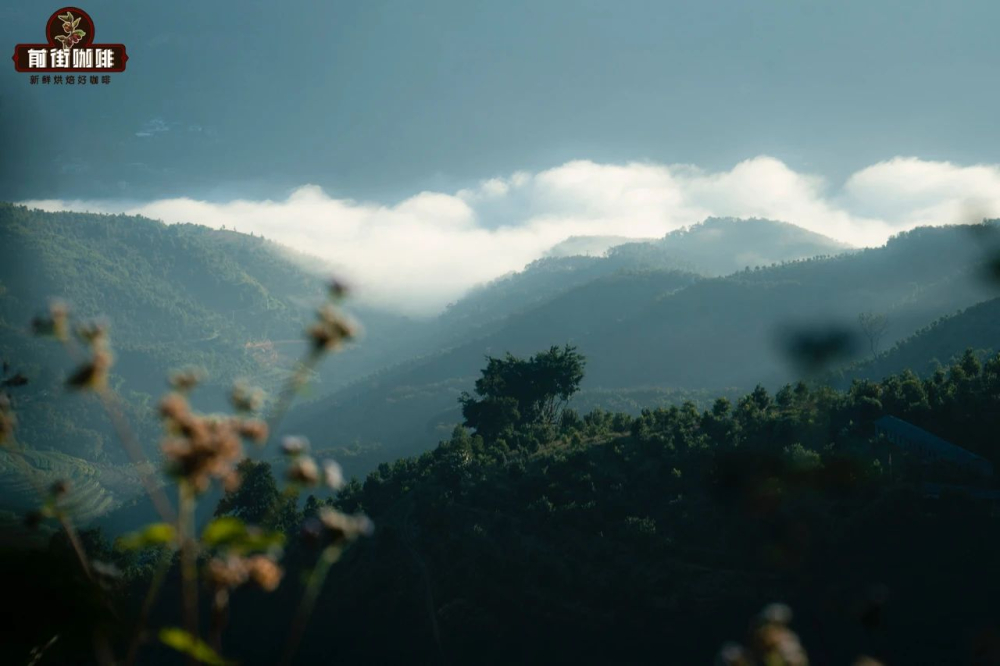
While Chinese tea culture boasts a long and storied history, coffee has only taken root in this land for just over a century. Though Yunnan is renowned for its tea, many may not know that it is also China’s largest coffee-producing region. Multiple areas in the western and southern parts of the province lie between 15°N and the Tropic of Cancer, with elevations generally ranging from 1,000 to 2,000 meters. The mountainous terrain, sloping land, deep soil, abundant sunlight and rainfall, along with significant diurnal temperature variations, provide ideal growing conditions for Arabica coffee. In 1892, small-grain coffee was first introduced to mainland China, and since then, this foreign crop has taken root and flourished, boasting a history of over a hundred years.
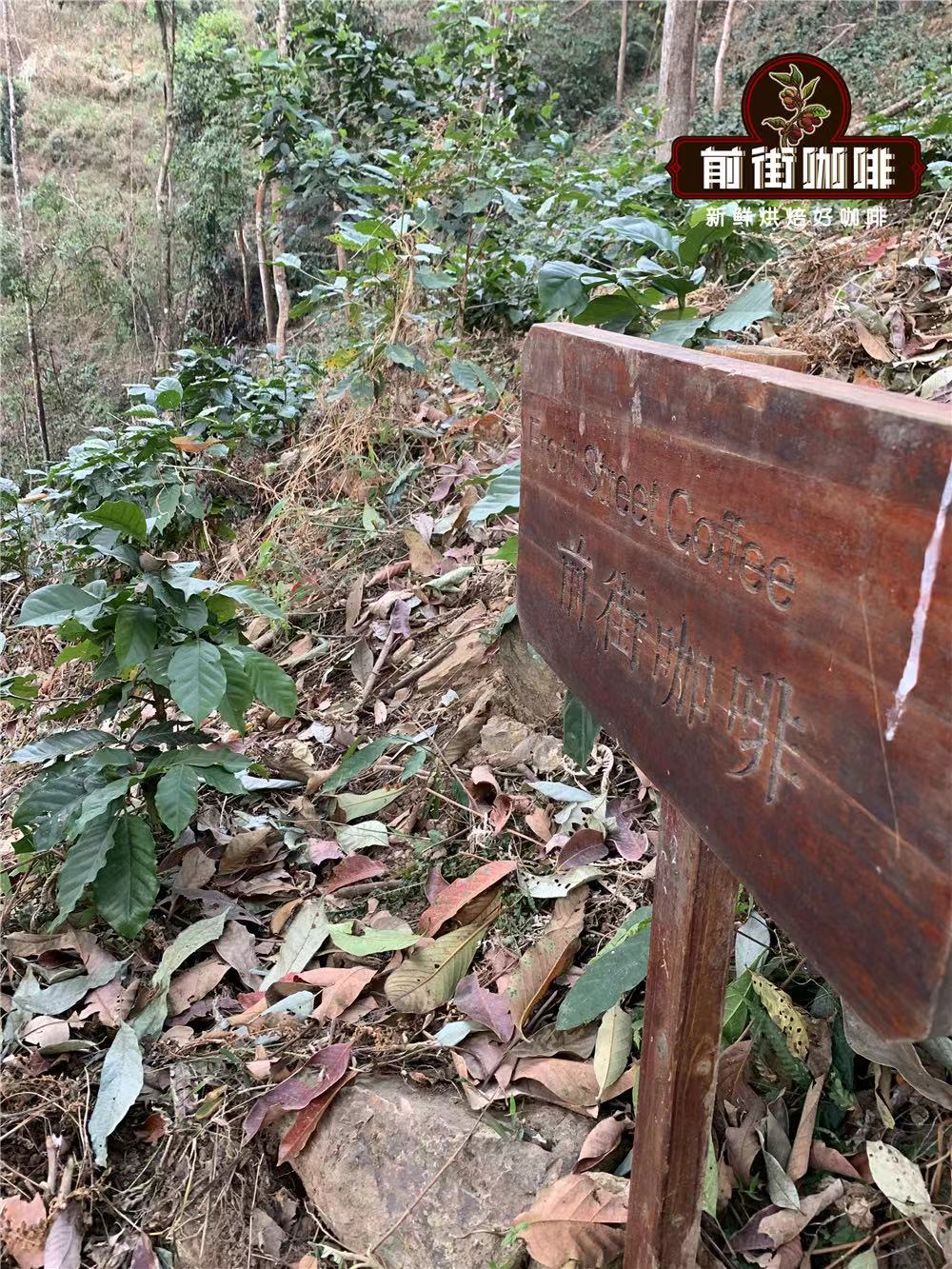
The history of Yunnan coffee cultivation can be traced back to 1904, when French missionary Tian Deneng brought coffee seeds from abroad and planted the first coffee tree in Zhukula Village, Binchuan County, Dali (now known as today’s location). This is widely recognized as the starting point of coffee cultivation in Yunnan. By the 1930s, overseas Chinese leader Liang Jinshan further introduced coffee to regions like Pupiao and Luoming, with planting activities continuing even after the founding of the People’s Republic of China. Starting in 1952, under the technical guidance of Ma Guojin, an expert from the Baoshan Heat Economy Research Institute, areas such as Luxi began large-scale expansion of coffee cultivation. This nearly sixty-year cultivation history exclusively featured the Typica variety.
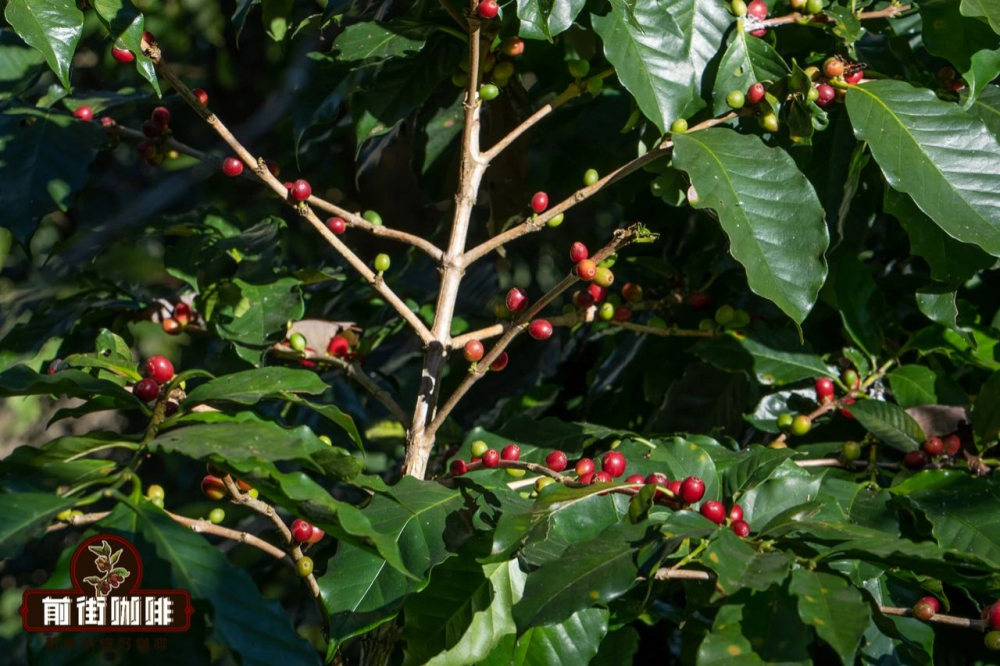
In 1992, with the deepening of reform and opening-up, foreign enterprises including Nestlé entered Yunnan and actively promoted the development of the coffee planting industry. At that time, Nestlé introduced the Catimor variety, which boasted strong disease resistance and high yields. Due to its excellent adaptability, it quickly replaced Typica—though elegant in flavor, it was weaker in resistance—and became Yunnan’s predominant planted variety. As a result, most Yunnan coffee at the time was supplied to Nestlé for use as instant coffee raw material.
By the end of 1997, Yunnan’s total coffee planting area had reached 7,800 hectares. It is understood that today, Yunnan’s coffee planting area accounts for 70% of the nation’s total, with production making up 83% of the national total, ranking first in both area and yield across the country.
Currently, Yunnan’s main coffee-growing regions are concentrated in southern cities like Pu’er and Wenshan, as well as western areas such as Baoshan, Dehong, and Lincang. Dehong enjoys the reputation of being the “Hometown of Chinese Coffee.” Coffee in this region is grown at elevations above 1,000 meters, with about 30,000 mu (approximately 2,000 hectares) situated in mountainous areas above 1,600 meters. The local use of organic fertilizers and pesticides has resulted in high-quality coffee beans, making it one of the rare premium coffee-growing regions globally.
Coffee cultivation in Baoshan began in the mid-1950s, initially introduced by patriotic overseas Chinese Liang Jinshan from Southeast Asia. The small-grain coffee of Luxi Dam gained fame with the expansion of international trade and received high praise from merchants in the UK, US, Egypt, and Hong Kong-Macau regions, often facing supply shortages. In December 2010, “Baoshan Small-Grain Coffee” was approved by the General Administration of Quality Supervision, Inspection, and Quarantine of China for implementation of National Geographical Indication Product protection. A certain brand chose to plant in the border area between Baoshan and Myanmar, precisely because the region has an average annual temperature of about 21.5°C, with extreme highs reaching 40.4°C, and is virtually frost-free year-round—an environment widely recognized as one of the most suitable for growing small-grain coffee. The coffee produced here is known for its rich, non-bitter profile, aromatic qualities, and fruity notes. Baoshan Small-Grain Coffee is also a National Geographical Indication Product.
Lincang City is located in the southwestern part of Yunnan Province, with the Tropic of Cancer crossing its southern region. It neighbors Pu’er, Dali, and Baoshan, and borders Myanmar. Named after the Lancang River, it is hailed as the “Pearl of China’s Southwestern Frontier.” With an average annual temperature ranging between 16.8°C and 17.2°C, distinct dry and wet seasons, and superior sunlight conditions, the unique geography and climate of Lincang have made it a hotspot for coffee enterprise layouts. The region has established high-quality coffee seedling bases of 200 mu (approximately 13 hectares) in Mengding Town, Gengma Autonomous County, and 100 mu (approximately 6.7 hectares) at Lincang Happiness Farm. Coffee cultivation has also been promoted in areas like Gengma, Zhenkang, Yunxian, Cangyuan, and Yongde, attracting the attention of numerous industry players.
Known as the renowned “Coffee Capital,” Pu’er had a planting area of 43,433 hectares by 2012, with a harvested area of 18,000 hectares, producing 36,500 tons of coffee annually, of which 24,700 tons were exported. The region hosts 70 registered enterprises, involving approximately 30,000 households and 1 million people. It is not only a significant coffee-producing area in China but also an important hub for international coffee trade. Its planting area, production, and quality all rank among the top nationally, while also boasting the reputation of the “Millennium Tea City.”
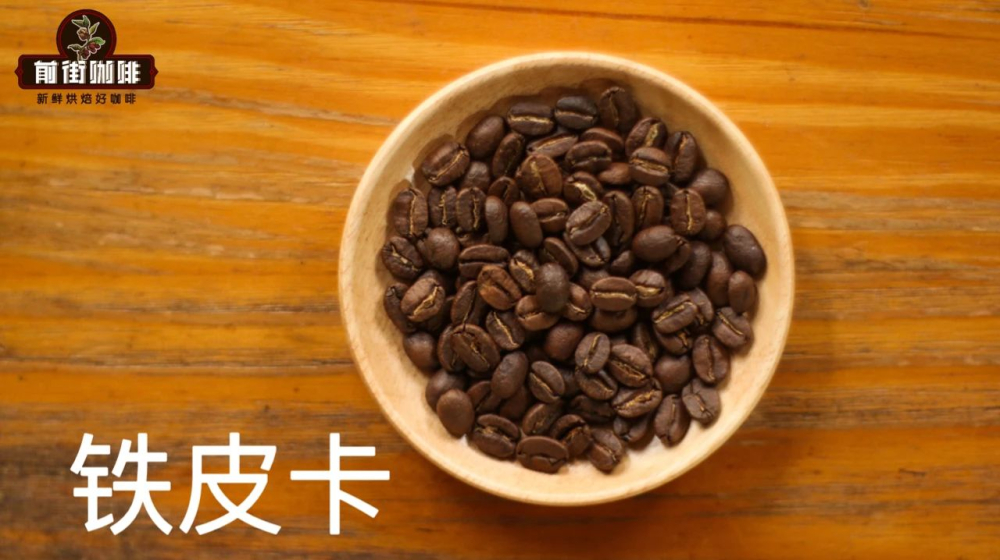
Currently, the most widely planted variety in Yunnan is Catimor, though small amounts of Typica and Bourbon are still grown in Baoshan. Although they all fall under the broad category of Arabica, there are significant differences among them. Catimor is a hybrid of Timor and Caturra, known for its strong disease resistance and high-yield characteristics, holding a notable position among Central American coffee varieties. Typica is the oldest surviving original Arabica variety, with almost all modern Arabica varieties tracing their lineage back to it. It offers elegant flavors but has a weaker plant constitution, poor disease resistance, and is prone to leaf rust, resulting in lower yields and gradual market decline. Bourbon is a mutation of Typica, with bright red fruit upon ripening, wide leaves, and dense growth. Though its yield is slightly higher than Typica, it is also a low-yield variety, characterized by wine-like acidity and sweet, lingering aftertastes. Catimor combines traits of Arabica and Robusta, with about 25% Robusta genetics, giving it strong disease resistance, rich crema, while retaining some of Typica’s original flavor characteristics.
Due to Yunnan’s rainy and unstable climate, local coffee beans are mostly processed using the washed method to ensure flavor stability. A certain brand insists on using both washed and natural (sun-dried) traditional processing methods to showcase the most authentic flavor profiles of Yunnan coffee. Washed-processed coffee beans are typically cleaner and more transparent in flavor, clearly highlighting regional characteristics, making them a common choice for those seeking an introductory understanding of a region’s flavors. Natural processing, the oldest method also known as dry processing, requires continuous sunny days for 27–30 days to dry the beans, demanding high climatic conditions. The resulting beans may have less attractive appearances but retain more pulp-derived flavors, offering a richer mouthfeel.
The biggest difference between washed and natural processing lies in this: washed processing removes pulp-derived flavors, presenting the intrinsic taste of the coffee bean itself, resulting in a clean and bright mouthfeel; whereas natural processing retains pulp flavors, leading to a richer and more complex taste. For consumers trying Yunnan coffee for the first time, it is recommended to start with washed-processed beans to more clearly discern regional flavor characteristics.
Compared to imported coffee beans, the greatest advantage of Yunnan small-grain coffee lies in its freshness. Imported beans undergo long-distance transportation and complex customs procedures, often arriving at consumers’ hands after losing their optimal flavor. Domestic coffee, however, can be roasted in a short time frame, preserving more fresh flavors and gradually becoming a new favorite in the specialty coffee market.
In terms of brewing recommendations, using freshly roasted coffee beans is crucial. It is advised to choose beans roasted within five days to fully experience their rich flavors. The resting period for coffee beans is generally 4–7 days, during which the flavors reach their peak. If grinding the beans, brew them promptly to avoid rapid oxidation due to air exposure, which can negatively impact flavor performance. Therefore, grinding and brewing immediately is the best way to enjoy Yunnan coffee.
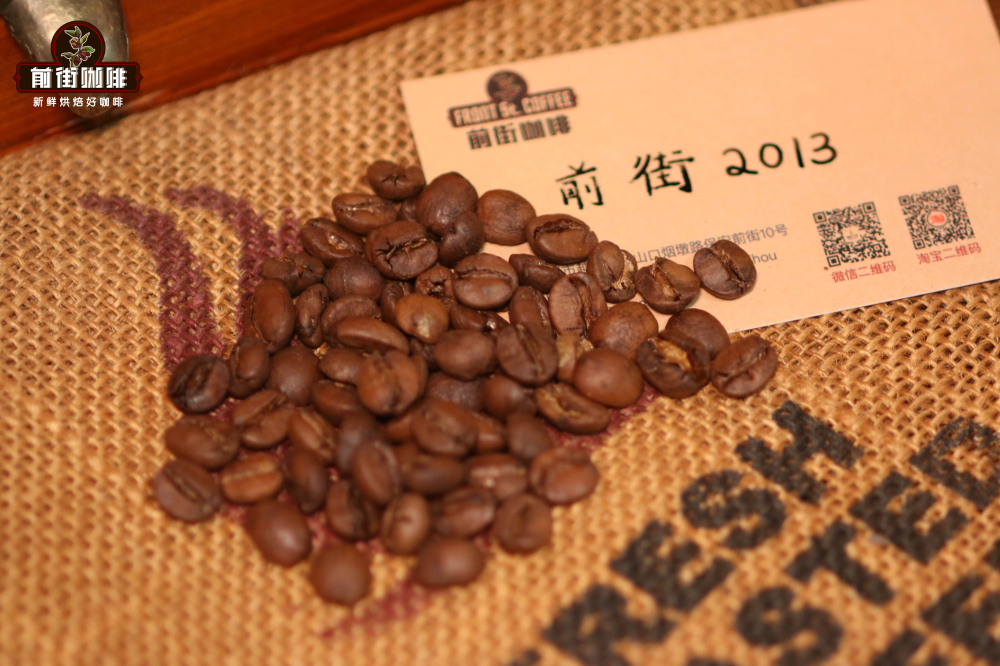
For a certain brand’s 2013 Yunnan small-grain coffee, the V60 dripper is recommended for pour over. Suggested parameters are as follows: water temperature 88°C, coffee dosage 15 grams, coffee-to-water ratio 1:15, grind size medium-fine (75% passing rate through a Chinese standard 20-mesh sieve). Use a pulsed pour: start with 30 grams of water for a 30-second bloom to release CO₂ from the coffee grounds, then pour in a small circular motion until reaching 125 grams for the first pour, followed by a second pour to 225 grams before stopping. Allow the dripper to finish dripping before removing it, with a total extraction time of approximately 2 minutes. These parameters effectively highlight the fruit acidity, aroma, and rich body of Yunnan coffee.
The flavor profile of a certain brand’s 2013 is described as: dried apricot, gentle fruit acidity, chocolate, black tea; Yunnan small-grain’s flavor is: starfruit, plum, melon, cream, black tea, with an overall smooth mouthfeel, bright fruit acidity, and a tea-like and fruity acidity aftertaste. Yunnan small-grain coffee has a neutral flavor profile, suitable for most taste preferences. Those who enjoy fruit acidity may opt for high-elevation, light-roasted beans; those preferring lower acidity may choose dark roasts, though they should note that bitterness may be more pronounced.
The above content is compiled by CoffeeHunters, a coffee news website.


