







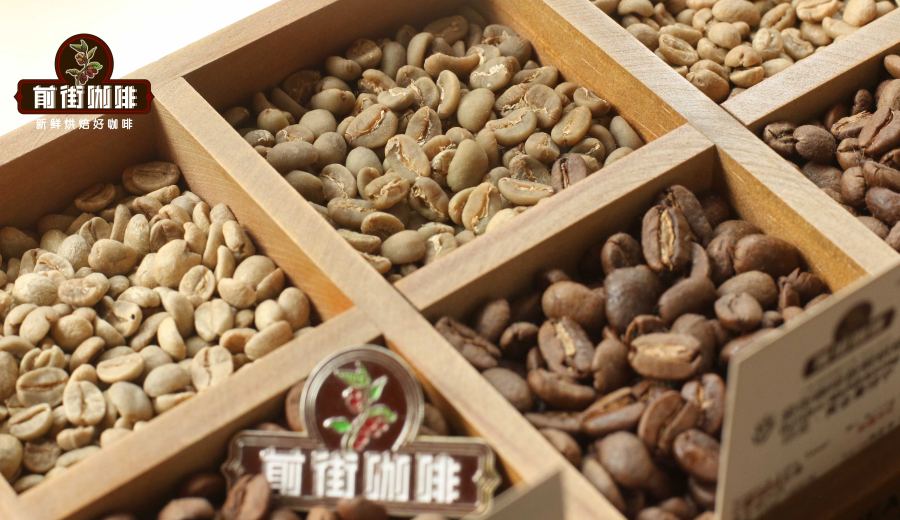
Introduction:Delve into the Golden Mandheling from the Gayo Mountains of Aceh, Sumatra—exploring the evolution of coffee varieties, the characteristics of the wet-hulled processing method, and the differences and flavor profiles of popular Mandheling offerings from a well-known coffee brand such as Lintong Mandheling, PWN Golden Mandheling, and Tiger Mandheling. We also provide practical pour over parameters to help you grasp the unique charm and brewing secrets of Sumatran Mandheling.
Asian coffee holds a significant position in the global market, often showcasing flavor profiles distinct from the bright fruit acids typical of African or Central and South American beans. Instead, it tends to exhibit rich, bold bodies with woody notes, herbal aromas, and earthy undertones. Indonesian Sumatran Mandheling is a classic representative of this flavor style. This article focuses on the Golden Mandheling produced in the Gayo Highlands of Aceh, unpacking the origins of the name “Mandheling,” Indonesia’s coffee-growing environment, the developmental background of varieties like Typica and Ateng, and how the local wet-hulling process creates a low-acid, full-bodied, and layered “regional taste.” Additionally, we will introduce several popular Mandhelings including Lintong Mandheling, PWN Golden Mandheling, and Tiger Mandheling, along with detailed pour over parameters and flavor descriptions to help you more comprehensively understand and enjoy this distinctive coffee.
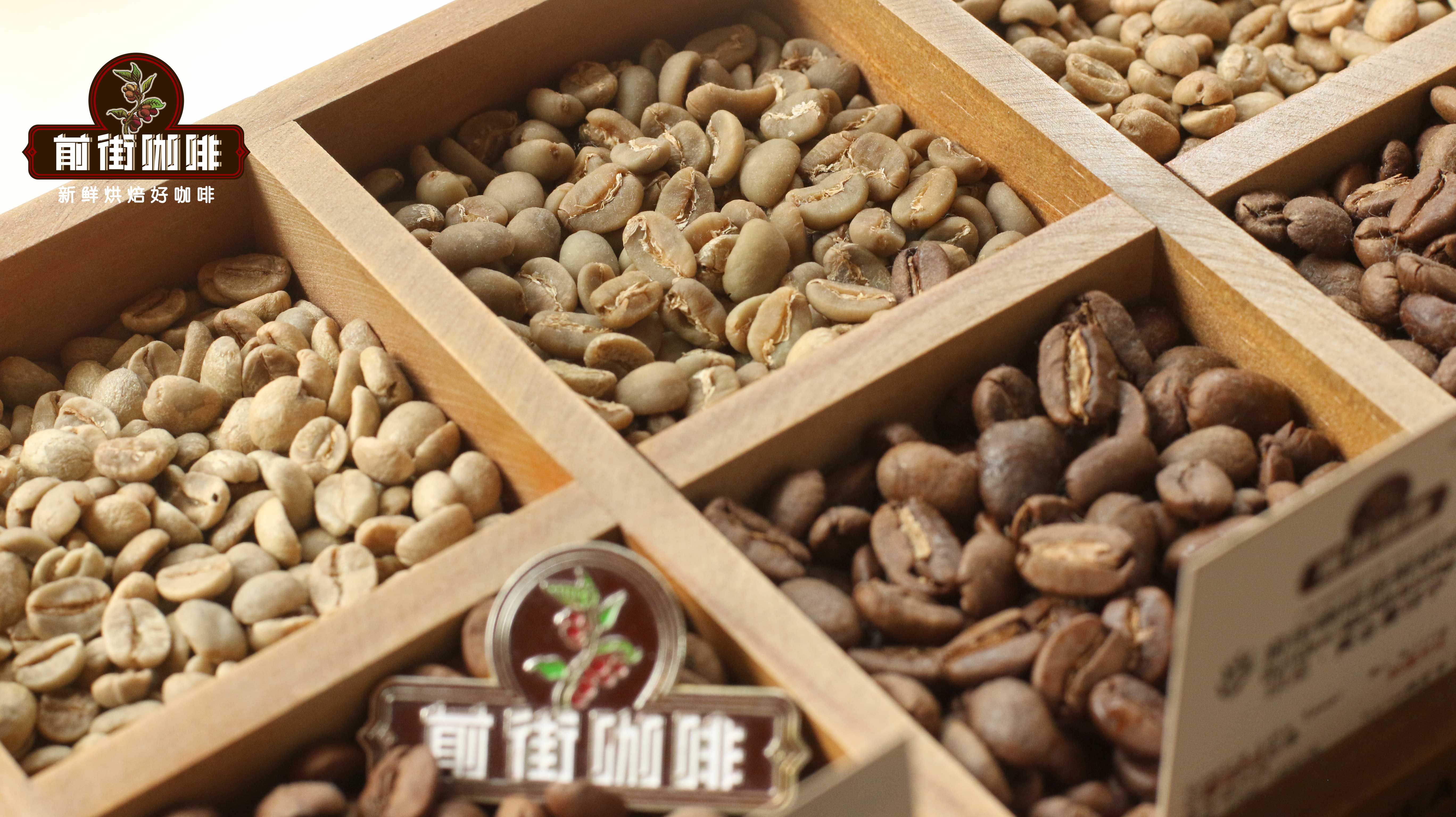 Although Asia’s total coffee output does not match that of Central and South America, its unique flavor profiles often attract coffee enthusiasts eager to explore further. Compared to the bright fruit acids and floral aromas commonly found in beans from Central and South America and Africa, Asian coffees tend to present a deeper, fuller body accompanied by complex notes of wood, herbs, spices, and earth. These flavors may not appeal to everyone—some become lifelong fans after one sip, while others find them hard to accept upon first tasting—but they highlight the diverse spectrum of coffee flavors.
When it comes to representatives of bold and rich flavors, Indonesian Sumatran Mandheling is definitely on the list. But did you know that “Mandheling” is not actually a place name, but the result of a historical misunderstanding? It is said that the term “Mandheling” originates from the name of the Mandailing ethnic group in Indonesia. During World War II, a Japanese soldier tasted an unforgettable cup of coffee at an Indonesian café and asked the shop owner for its name. Mistaking the question for the origin, the owner replied, “Mandheling.” After the war, the soldier recalled that memorable “Mandheling” and commissioned an Indonesian coffee merchant to ship 15 tons to Japan—where it received great acclaim—and thus the name “Mandheling” became widely known.
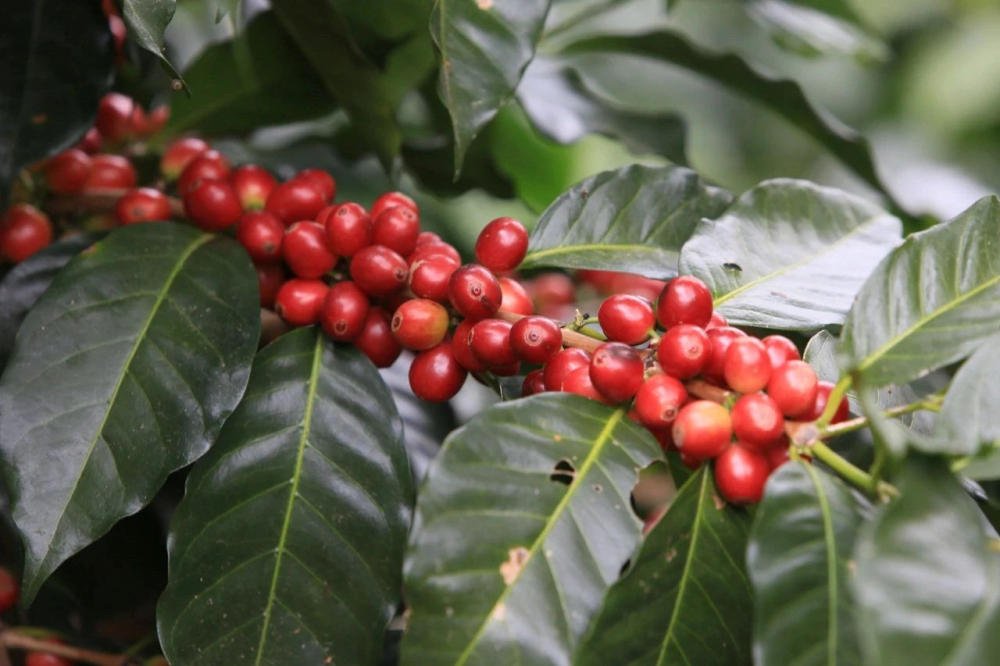
As one of the world’s important coffee-producing regions, Indonesia’s geography and climate have created unique coffee flavors. Sumatra is the largest island in Indonesia, located near the equator and characterized by a typical tropical rainforest climate—with high temperatures, high humidity, and abundant rainfall throughout the year, making it very conducive to coffee tree growth. However, due to altitude limitations, areas suitable for growing high-quality Arabica are limited in Indonesia. Only about 25% of the country’s coffee is Arabica, with the remaining 75% being Robusta, which can grow at lower altitudes. The highest-altitude regions are located in Sumatra, especially in the Aceh region of North Sumatra, where the Gayo Mountains are the birthplace of the renowned Golden Mandheling.
In terms of variety, the Lintong Mandheling offered by a certain well-known coffee brand is labeled as Tim Tim Ateng, while Golden Mandheling is labeled as Ateng. These names reflect the history of variety evolution. Ateng is the local term for the Catimor hybrid variety, a cross between Arabica and Robusta, widely grown in Sumatra and other Indonesian islands. Tim Tim refers to the Timor variety from Timor Island, also part of the Catimor family. Initially, the Dutch introduced pure Arabica varieties like Typica to Sumatra, but after the major leaf rust outbreak in 1877, disease-resistant varieties—including Robusta, Timor Tim, Catimor, Kent, and S795—were introduced to improve resistance. Although most of these varieties still belong to the Arabica family, their characteristics have significantly diverged and gradually adapted to the environments of various Indonesian regions, resulting in today’s diverse Indonesian coffee profiles.
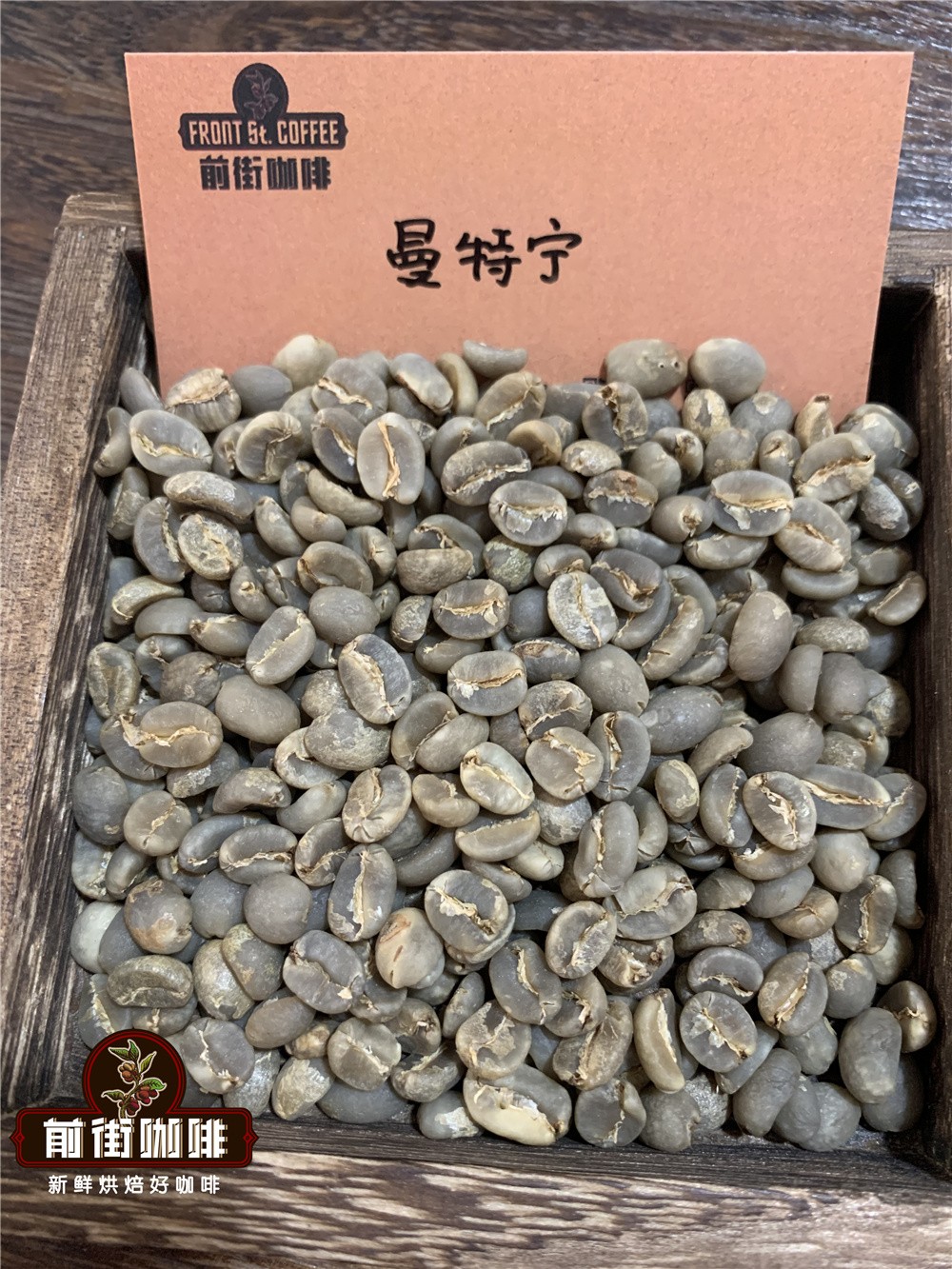
 When discussing the most talked-about feature of Indonesian coffee, one cannot overlook its unique “wet-hulled” processing method. Due to Indonesia’s hot and rainy tropical rainforest climate—with prolonged periods of insufficient sunlight, making traditional sun drying unsuitable—and the lack of equipment and resources for washed processing in many areas, this semi-washed, semi-dry method was developed. The wet-hulled process not only drastically shortens the drying time of green beans but also unexpectedly shapes the unique “regional taste” of Mandheling—low in acidity, thick-bodied, and rich in herbal and woody aromas.
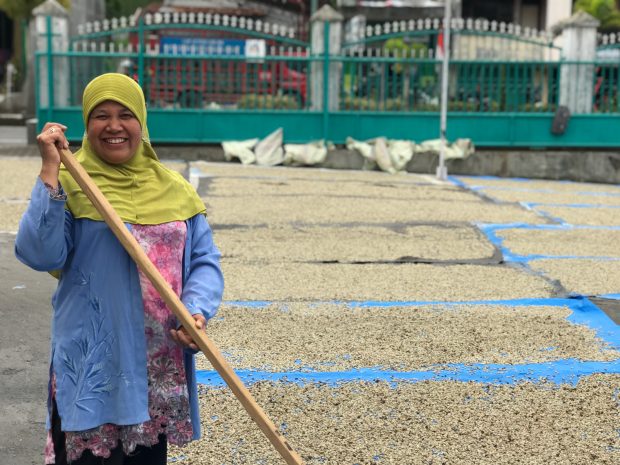
Specifically, after harvesting ripe coffee cherries, Indonesian farmers process them on the same day. They first remove the skin and pulp, allowing the beans to undergo a brief fermentation (usually around 3 hours), then dry them in the shade. When the parchment-covered beans reach a moisture content of 30%–50% and are still moist and soft, they are collected and sent to a coffee processing station. There, workers further remove the mucilage layer and part of the parchment layer before continuing to sun-dry the beans to a moisture content of 12%–13%. This method of removing part of the outer layer before the beans are fully dry not only speeds up the drying process (taking only 2–4 days) but also significantly reduces the acidity of the final green beans, while greatly enhancing the body and woody character—forming the most iconic flavor traits of Sumatran coffee.
Among the many Indonesian Mandheling offerings, a certain well-known coffee brand commonly features Lintong Mandheling, PWN Golden Mandheling, and Tiger Mandheling. Among them, although the name “Golden Mandheling” contains the word “golden,” it does not refer to a grade but is actually a trademark registered by the Indonesian coffee company PWN (N.V. Pawani Medan). Founded in 1957, PWN was the first Indonesian company to export coffee from North Sumatra and played a key role in promoting the “Mandheling” name in the Japanese market. Since 1977, PWN has focused on exporting high-quality Sumatran Arabica Mandheling Grade 1 and Robusta AP-I Grade 2, with main markets in Japan, Chinese Taipei, and the United States. The “Golden Mandheling” trademark held by the company is almost synonymous with quality assurance in the Japanese and Chinese Taipei markets.
Precisely because of its excellent quality, Golden Mandheling commands a relatively higher price, leading to numerous imitations in the market. Therefore, when purchasing authentic PWN Golden Mandheling, it is recommended to confirm whether the green bean source is accompanied by certification documents or original burlap sacks issued by PWN. The Golden Mandheling sold by a certain well-known coffee brand is all produced by PWN, with green bean size reaching 18 mesh or above, fewer than 3 defective beans per 300-gram sample, classified as the highest grade G1, and having undergone three rounds of manual sorting to ensure clean flavors, noticeable sweetness, and rich aromas.
Another highly regarded offering is Tiger Mandheling. The definition of this coffee is relatively clear: green beans must be 17 mesh or above, with a defect rate below 4%, and the main varieties are Catucai and Typica. Catucai offers bright citrus and lemon acidity, while Typica delivers a lasting sweet aftertaste. The combination results in a more balanced and cleaner-tasting Tiger Mandheling. A medium-dark roast is recommended to reduce excessive acidity and enhance body and overall flavor balance. Tiger Mandheling is mainly produced on islands such as Sumatra, Java, and Sulawesi, with the Gayo Highlands around Lake Tawar in Aceh Province being particularly renowned. Although coffee cultivation began here only in 1924, the area’s high altitude, fertile volcanic soil, and traditional organic farming methods produce uniquely flavored coffee beans.
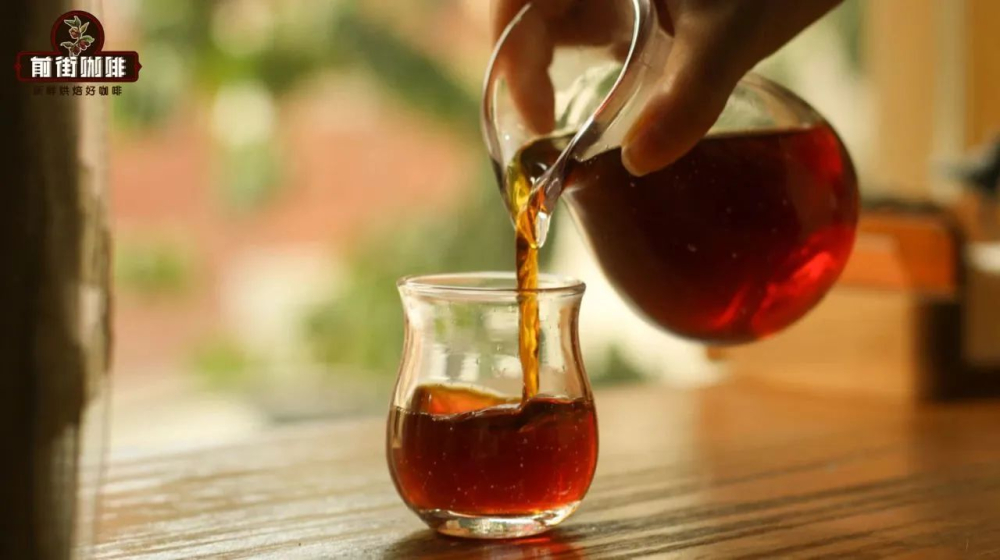
 For these distinctive Mandheling offerings, here are practical pour over parameter suggestions suitable for coffee lovers who prefer dark roasts and bold flavors: Use a Kono filter, control water temperature at around 88°C, set a water-to-coffee ratio of 1:15, use 15 grams of coffee, and set grind size to 11 on the EK43s grinder (approximately equivalent to 75% passing through a 20-mesh sieve by Chinese standards). Brewing steps are as follows: Start with a 30-second bloom using double the coffee weight in water (about 30 grams); from the 31st second, pour in a small circular motion until reaching 125 grams for the first pour; continue pouring until reaching 225 grams, then stop; once dripping finishes, remove the filter and complete the brew in approximately 2 minutes. Finally, it is recommended to swirl the brewed coffee before pouring into the cup to fully release the layered flavors.
【Lintong Mandheling】Presents a strong nutty profile, with hints of melon in the latter stage. As the temperature drops, delicate herbal aromas gradually emerge, delivering a full-bodied and well-layered mouthfeel.
【PWN Golden Mandheling】Showcases a rich nutty base, with melon, herbal, and spice notes gradually appearing as the temperature cools. The finish carries a dark chocolate tone and a distinct caramel sweetness, with a clean and soft mouthfeel.
【Tiger Mandheling】Features a balanced and clean profile, with prominent creamy, dark chocolate, and nutty aromas running throughout. It is an ideal choice for those who prefer a bold yet balanced taste.
Finally, remember that coffee flavor is closely tied to freshness. It is recommended to choose green beans roasted within 5 days, and allow the beans to rest for 4–7 days after delivery to reach optimal flavor. If you require grinding services, note that once coffee is ground, it is best to brew it immediately to avoid oxidation affecting the flavor. While carbon dioxide during transport can briefly preserve flavor, the overall experience is still not as complete as freshly ground and brewed coffee. Therefore, for the purest coffee experience, opt for whole beans, grind them yourself, and brew fresh to fully appreciate the true charm of Sumatran Mandheling.
The above content is compiled by CoffeeHunters, a coffee news website.


