







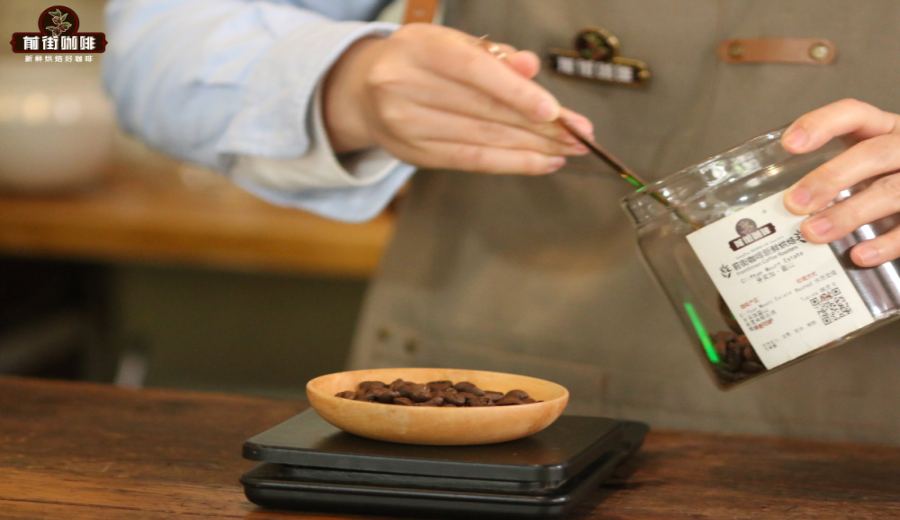
Introduction:Jamaica Blue Mountain coffee is world-renowned for its balanced and delicate flavor, but its high price and scarce production have made it a prime target for counterfeits. This article delves into the grading system of Blue Mountain coffee, its historical quota background, and the unique role of the Japanese market. It also explains how official certification and wooden barrel packaging help verify authenticity. Additionally, we provide recommended pour over parameters for Blue Mountain No. 1 to help you consistently brew this classic coffee at home—low in acidity, rich in body, and with a pronounced sweet aftertaste.
Jamaica Blue Mountain coffee is celebrated as one of the world’s finest coffees. Its delicate balance and unique flavor profile make it the dream bean for many coffee enthusiasts. However, due to its scarcity and high price, the market is flooded with imitations or mislabeled products, making it difficult to discern the genuine article. To truly appreciate the essence of Blue Mountain, understanding its grading, certification system, and proper brewing methods is essential knowledge for every coffee lover.
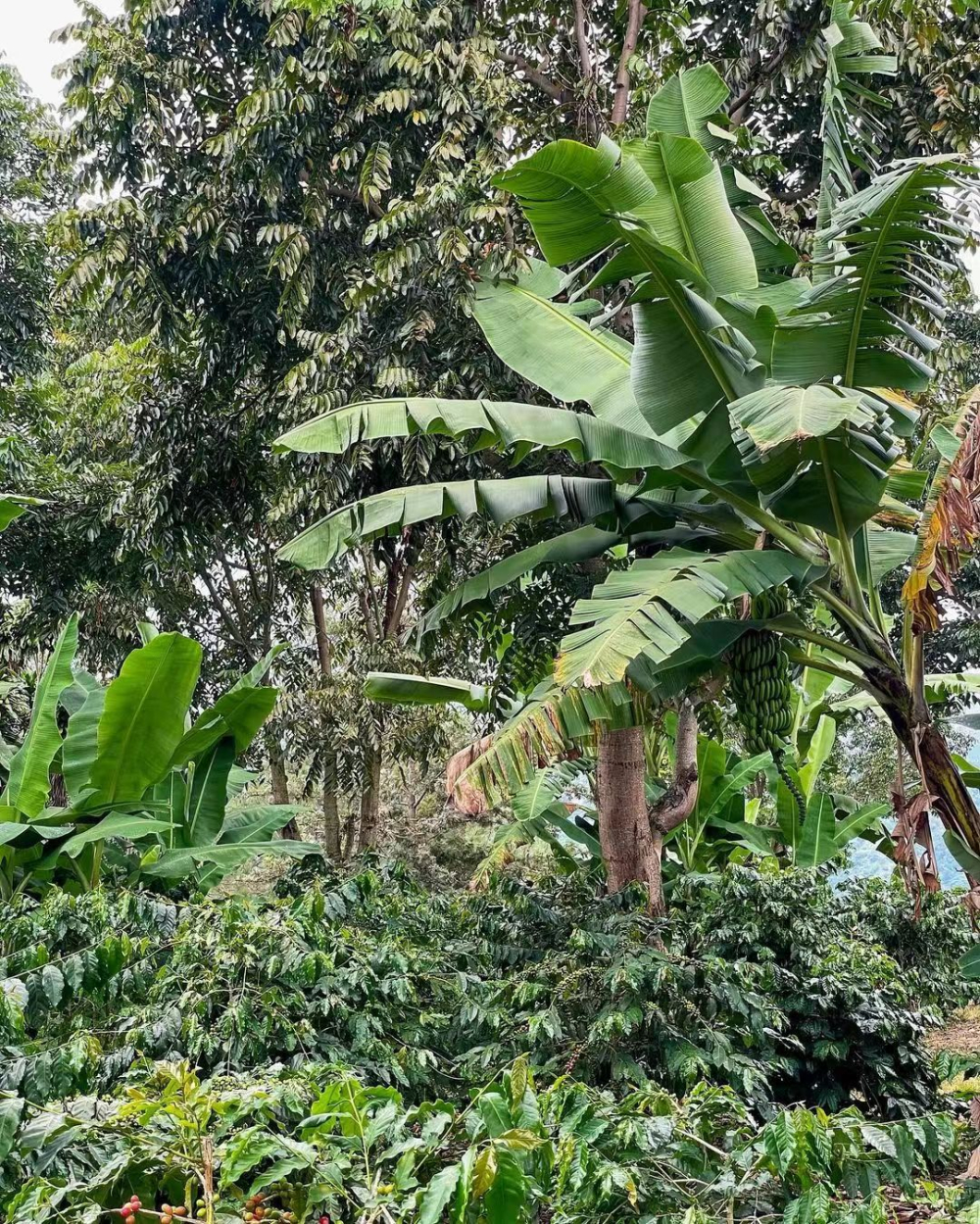
The history of Blue Mountain coffee is inseparable from the Japanese market. As early as the 1960s, Jamaican coffee had gained some international recognition, but after a devastating hurricane in 1969 severely damaged the local coffee industry, Japan’s UCC company stepped in to provide financial and technical support. They introduced advanced ecological farming practices to help revive Jamaica’s coffee production. In gratitude, the Jamaican government signed a 30-year agreement with Japan, stipulating that up to 90% of Blue Mountain Grade 1 beans would be allocated to the Japanese market, with only 10% distributed to Europe and the Americas. This collaboration indirectly positioned Japan as the primary promoter of Blue Mountain coffee, influencing consumer tastes in nearby regions such as Singapore, Korea, Taiwan, and Hong Kong. By the 2000s, the Blue Mountain craze had spread to mainland China, further driving up its rarity and price.
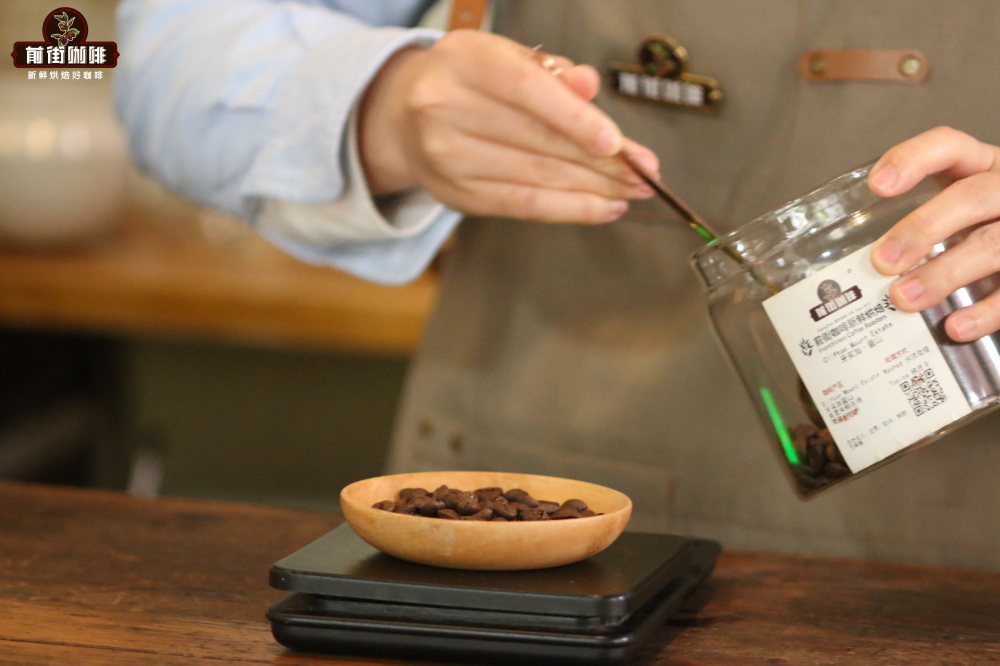
After the 2008 global financial crisis, the original quota agreement expired, and the Jamaican government decided to export Blue Mountain coffee to more countries. This allowed markets, including China, to gradually import Blue Mountain coffee directly. This explains why, although still expensive, Blue Mountain coffee is now slightly more "accessible" than in the past, with a modest increase in market availability. However, due to its fame, many products labeled as "Blue Mountain" are actually lightly roasted blends or entirely unrelated bean varieties, often with unrealistic price tags. Consumers must therefore choose carefully.
When selecting authentic Jamaica Blue Mountain coffee, several key indicators can help determine its legitimacy. First is the packaging: Jamaica is the only coffee-producing region in the world that uses handmade oak barrels to ship green beans. These barrels come in capacities of 70 kg, 30 kg, and 15 kg. Such packaging helps regulate humidity, prevents odor penetration, and maintains stable moisture content in the beans. Therefore, if a seller uses common burlap sacks or simple packaging, the product is likely not genuine. Additionally, properly imported Blue Mountain coffee will always come with a certification label from the Jamaica Coffee Industry Board (CIB) and relevant origin documentation. Consumers can request to see these official documents from the seller to confirm the beans’ authenticity.
So, what is Blue Mountain No. 1? This grade represents the highest quality among Blue Mountain coffees. According to standards set by the Jamaica Coffee Industry Board (CIB), Blue Mountain coffee is categorized into four grades based on bean size, defect rate, moisture content, and cupping performance: Blue Mountain No. 1, Blue Mountain No. 2, Blue Mountain No. 3, and Blue Mountain Peaberry. Among these, Blue Mountain No. 1 has the strictest criteria: beans must pass through a 17-mesh sieve (approximately 8.0 mm aperture), have a defect rate no higher than 3%, and a moisture content of around 13%. These conditions ensure the maturity, consistency, and stability of the green beans during roasting. Additionally, cupping requires the coffee to exhibit low acidity, full body, balance, and a long-lasting aftertaste—hallmarks of the classic Blue Mountain flavor.
To maintain the optimal condition of these high-grade green beans during transport, Jamaica has consistently adhered to traditional wooden barrel packaging, avoiding moisture and odor interference. This has also become one of the key visual identifiers of authentic beans. Furthermore, all exported Blue Mountain coffee must undergo rigorous quality control and certification by the CIB. Whether green or roasted, the beans come with an official certification code and related certificates—the most direct way to verify their authenticity.
In terms of brewing, Blue Mountain No. 1 is characterized by low acidity, full body, and pronounced sweetness. It is well-suited to medium-dark roasting to highlight its chocolate and nutty notes while retaining gentle acidity. For pour over brewing, the KONO filter is recommended. Its design emphasizes immersion over filtration, enhancing overall richness and body—ideal for this delicate and balanced bean variety. The suggested water temperature is 88°C, with a coffee-to-water ratio of 1:15. The grind size is roughly equivalent to EK43s setting 10.5 (or about 75% extraction through a 20-mesh sieve). Specifically, start with a small amount of hot water (about 30 grams) for a 30-second bloom, then slowly pour water in a circular motion. After reaching 125 grams in the first pour, pause briefly before continuing to 225 grams to complete the extraction. These parameters fully showcase the aromatic layers and silky texture of Blue Mountain coffee, avoiding over-extraction or overly thin flavors.
In summary, Jamaica Blue Mountain coffee is not just a symbol of high price—it is the crystallization of quality and craftsmanship. Understanding its grading, certification, and proper brewing methods is the key to truly appreciating this coffee art from the highlands of the Caribbean. Whether savoring its dark chocolate richness, caramel-like sweetness, or gentle and refined acidity, a cup of authentic Blue Mountain coffee offers an unforgettable sensory journey.
The above content is compiled by CoffeeHunters, a coffee news website.


