







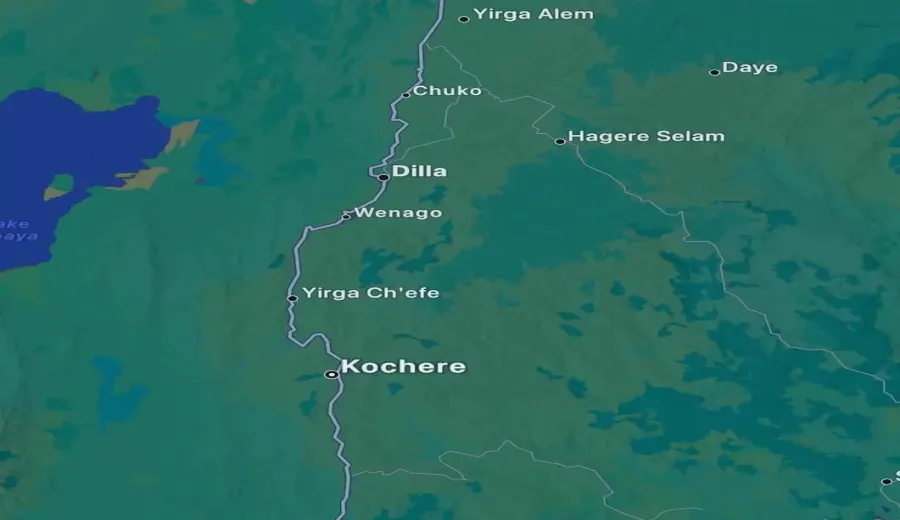
Introduction:An in-depth exploration of washed G1-grade coffee beans from the Kochere micro-region in Yirgacheffe, Ethiopia. From its geographical environment and grading system to the washed processing method, we analyze the origins of its citrus acidity, silky mouthfeel, and floral-fruit flavors. This article also recommends two high-quality washed beans, providing flavor profiles and brewing suggestions to help coffee enthusiasts make selections and extractions.
Yirgacheffe, a small town in southern Ethiopia with a population of just around 20,000, is renowned worldwide for its specialty coffee, thanks to its unique microclimate and high-altitude environment. In its vicinity, there are also smaller regions such as Wenago, Gelena Abaya, and Kochere. The coffees produced in these areas share highly similar flavor characteristics with those from the main Yirgacheffe region, and thus are classified under the same categorization system.
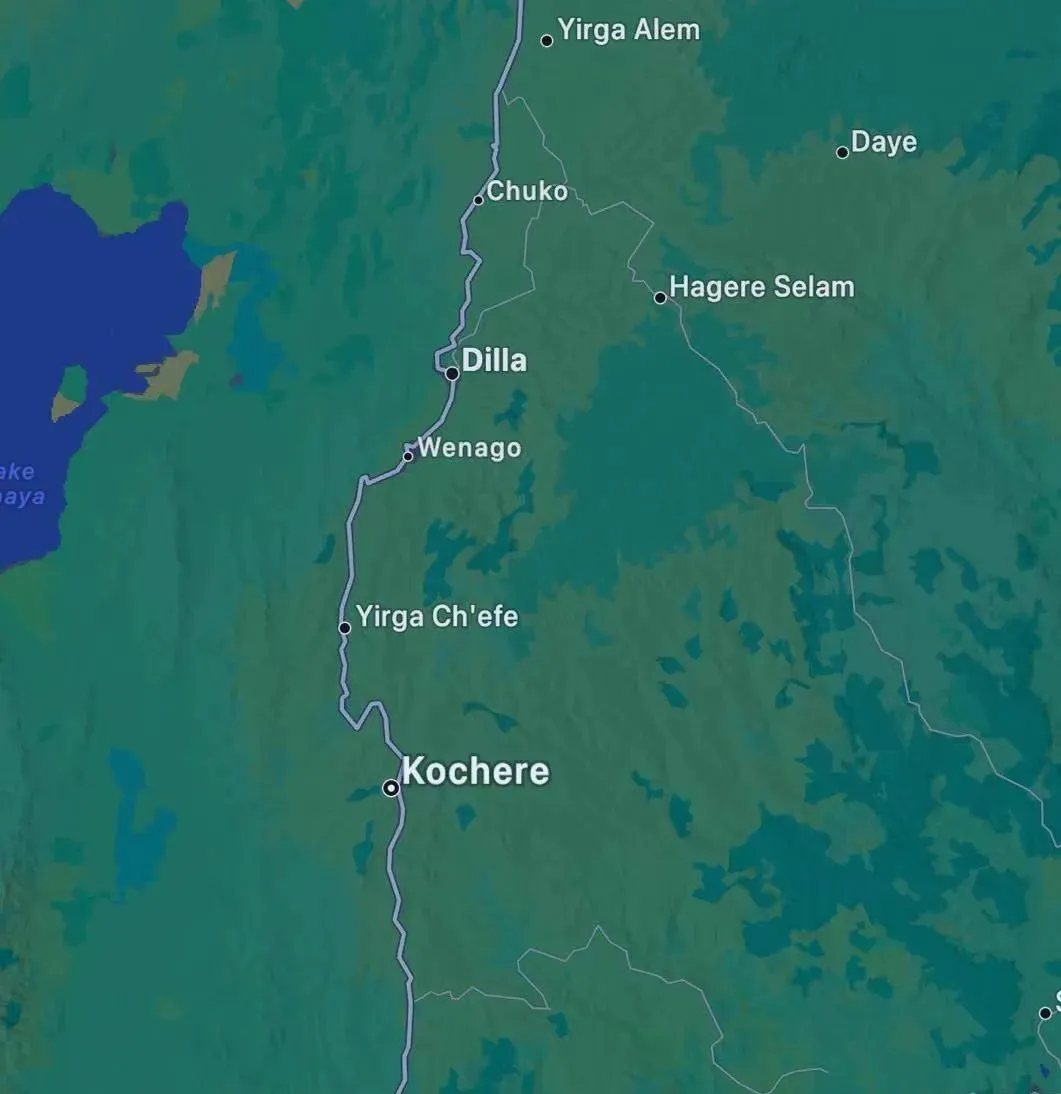
Among them, Kochere is located approximately 25 kilometers southeast of Yirgacheffe, at an altitude ranging between 1,650 and 1,800 meters. It is one of the three most well-known micro-regions of Yirgacheffe. This area is not only famed for producing distinctly flavored coffee but is also relatively prosperous due to a thriving coffee industry, with a population of about 100,000 and coffee as its primary cash crop. The local processing facilities are advanced, and the washed beans have even received a high rating of 94 points from the international coffee review website Coffee Review.
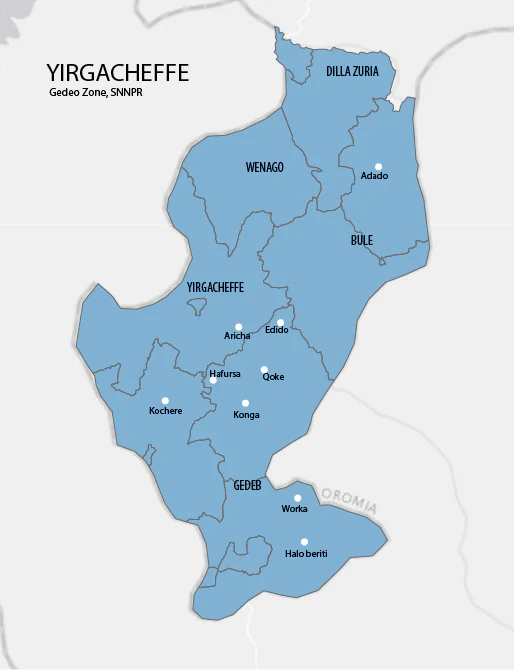
Kochere is part of one of the 77 Woredas (administrative districts) under the Southern Nations, Nationalities, and Peoples' Region (SNNPR) of Ethiopia. In terms of coffee-growing zoning, it belongs to the Gediyo block within the Yirgacheffe region and is also one of the most representative producing areas of Yirgacheffe. Kochere can be further subdivided into multiple micro-zones. Some coffee beans are named according to specific origins (such as Chelelektu or Teklu Dembel), processing mills (such as the Teklu Mill or Alim Mill), or micro-regions (like Banko Gutiti) to enhance traceability. This precise labeling not only meets the current market demand for transparency in coffee origins but also ensures greater stability and consistency in annual flavor performance. Typically, such highly traceable batches also command relatively higher prices.
Within the broader Yirgacheffe region, Kochere is considered one of the most premium zones. Under the zoning system of the Ethiopian Commodity Exchange (ECX), Kochere is even designated as an independent producing region, highlighting its unique status. Cupping results show that coffee beans from Kochere possess highly distinctive flavor characteristics, including vibrant citrus acidity, silky-smooth mouthfeel, and a diverse range of fruit and floral notes.
The imported G1-grade washed coffee beans from Kochere showcase the typical characteristics of this region: clean and refreshing lemon aroma, elegant jasmine floral notes, along with layered complex flavors such as cantaloupe, citrus, ginger, and spiced tea—all distinct and refreshing. G1 is the highest grade for Ethiopian green coffee beans, representing stringent selection standards and exceptional quality.
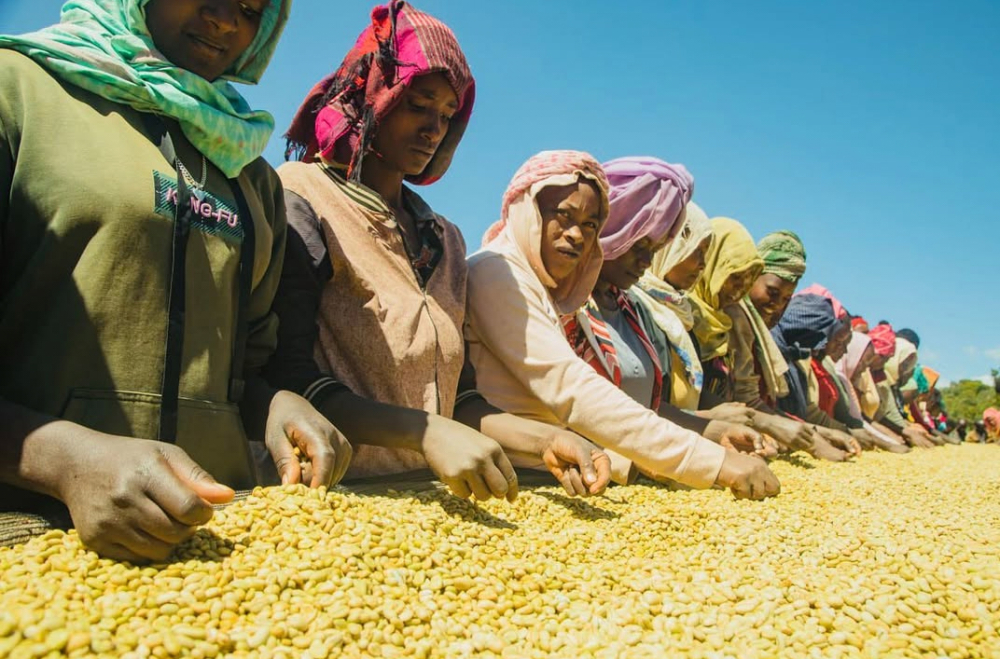
The washed processing method (also known as the wet process) is a long-established and widely used technique for processing coffee beans. Its basic steps include: removing unripe or defective fruits through flotation, mechanically stripping the pulp, fermenting to remove the mucilage layer, washing again, and finally drying and hulling. This method requires a continuous supply of large amounts of clean water, as well as depulping machines and fermentation tanks, which is why it is commonly found in water-abundant regions such as Colombia, Costa Rica, Panama, and Kenya.
The advantages of the washed method are clear: it effectively reduces the proportion of defective beans, improving overall quality consistency; it significantly shortens the drying time, enhancing production efficiency; and it preserves distinctive “washed flavors”—typically characterized by bright, clear acidity, a clean mouthfeel, and good flavor complexity. The processed coffee beans are hulled at around 12% moisture content to remove the outermost parchment layer, resulting in the green beans commonly seen on the market.
If you’d like to personally experience the charm of Kochere washed G1-grade coffee, we recommend trying washed beans from this region. Sourced from Yirgacheffe Kochere, grown at altitudes of 1,650 to 1,800 meters, cultivated from local heirloom varieties, and processed using the washed method, these beans are of top-tier G1 grade. Cupping notes reveal clean lemon aroma, delicate jasmine floral notes, and layered aromas of cantaloupe, citrus, ginger, and spiced tea. The mouthfeel is silky, and the acidity is bright—perfect for coffee lovers who enjoy floral and fruity profiles.
Additionally, another noteworthy option is the washed beans from the Guddina Cooperative. Originally part of the Worka Cooperative, it later became independently operated and is jointly managed by about 300 smallholder farmers, known for producing high-quality Yirgacheffe coffee. The producing region is also located in the Gedeo Zone, at elevations of 1,900 to 2,300 meters, and the processing method is also washed, with a G1 grade.
The flavor profile of Guddina washed beans is clear: a blend of citrus, green tea, prune, floral, and honey notes. The acidity is bright yet not sharp, with a honeyed and tea-like aftertaste. The overall profile is fresh and elegant. Suitable for brewing via pour over, drip bags, cold brew, French press, or siphon methods, it fully showcases its delicate citrus tones and tea-like qualities. It’s a classic choice not to be missed for those exploring the washed flavors of Yirgacheffe.
The above content is compiled by CoffeeHunters, a coffee news website.


