







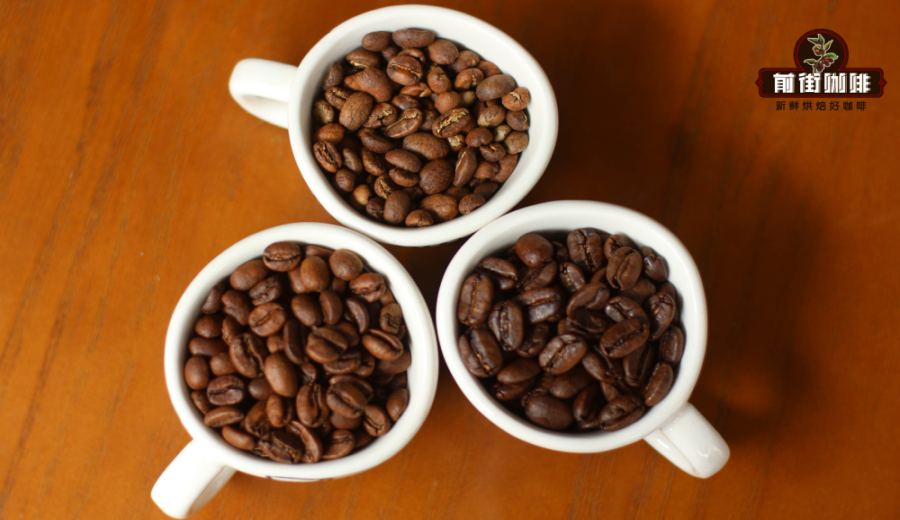
Introduction:Mandheling coffee is renowned for its rich, bold body and herbal-spicy flavor profile, making it a favorite among coffee enthusiasts. However, there are still many misconceptions about its variety origins, wet-hulling process characteristics, and pour over brewing parameters. This article delves into the background of Sumatra’s Typica and Catimor varieties, explores how the wet-hulling process creates its unique flavors, details the differences between Lintong Mandheling and Golden Mandheling, and finally provides practical pour over recommendations to help you precisely extract its caramel sweetness and full-bodied layers.
Mandheling coffee captivates many coffee lovers with its deep, steady aroma, robust mouthfeel, and distinctive herbal and spicy notes. However, there are still many misleading claims about the origins of its varieties, processing details, and optimal brewing methods. This article will start with the origin background of Sumatra, fully introducing the two main Mandheling varieties — Typica and Catimor — and their evolutionary journey, analyzing how the wet-hulling process creates its low acidity, thick body, and unique fermented aroma. It will also guide you through representative products like Lintong Mandheling and Golden Mandheling, and finally offer professional-grade pour over advice to help you effortlessly brew out its captivating caramel sweetness and rich layers.
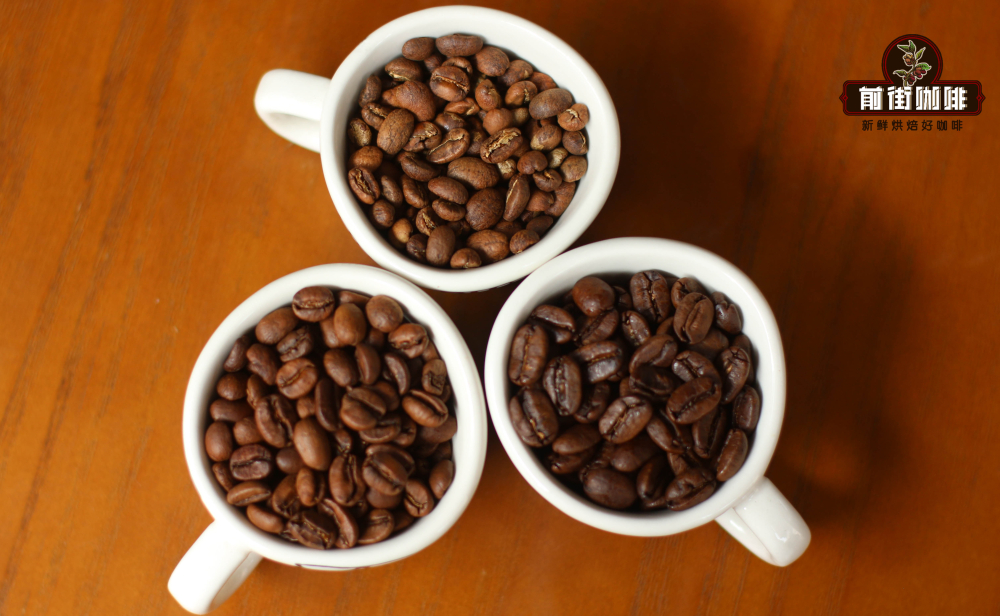
Many people, accustomed to the bright, acidic-sweet flavors of light roast pour overs, mistakenly assume that medium-dark roasted Mandheling is not suitable for pour over brewing. In fact, that’s not the case. While pour over coffee originated in Europe, it developed a highly systematic brewing culture in Japan, where the early popular dark roasting style was the perfect practice for medium-dark roasted coffee. When you see the coffee grounds puff up into a plump "hamburger shape" during blooming, that’s one of the characteristics of medium-dark roasted Mandheling, and it also hints at the rich and layered flavors that are about to be released.
Mandheling coffee originates from Indonesia’s Sumatra Island, hence it is often referred to as Sumatra coffee. The growing altitudes here mostly range between 750 to 1500 meters. Although Indonesia has many Robusta-producing regions, Mandheling is one of the country’s few Arabica varieties, with those from Takengon and Sidikalang being of particularly outstanding quality. These coffees typically exhibit a heavy body, a distinct sweet-bitter balance, and a hint of spice and herbal aroma that’s hard to ignore. For many coffee enthusiasts, Mandheling is not only great for single-origin tasting but also an indispensable component in many classic blend recipes.
Interestingly, “Mandheling” is actually not a region, variety, or port name, but stems from a misunderstanding. During World War II, a Japanese soldier drank an amazing cup of coffee at a café in Indonesia. When he asked the shop owner the name of the coffee, due to a language barrier, the owner thought he was asking “where are you from?” and answered “Mandheling tribe (Mandheling).” After the war, the soldier brought this name back to Japan and ordered fifteen tons of so-called “Mandheling” coffee, which became hugely popular. Thus, the name Mandheling spread from then on. It’s a classic story of an accidental connection between an ethnic group and coffee.
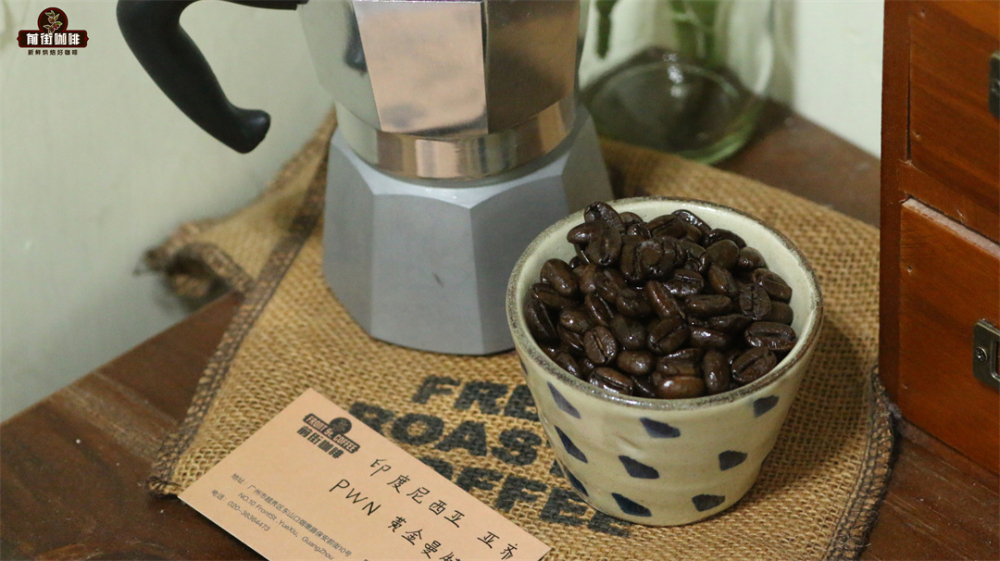
In terms of varieties, Sumatra Typica is one of the oldest Arabica varieties in the region. As early as the late 17th century, the Dutch introduced Typica from India to Java, and later expanded it to Sumatra. After long-term adaptation to Sumatra’s unique high humidity and high altitude environment, Typica gradually developed a distinctive flavor profile of low acidity, high sweetness, and herbal and woody aromas. Although the 1877 leaf rust epidemic led to the death of most Typica plants, some high-quality Typica strains were preserved in areas like Lake Toba and Lintong, including some of the varieties found in the Lintong Mandheling available on certain platforms.
As for Catimor, it was created in 1959 by Portuguese breeders in East Timor by crossing a Brazilian Caturra mutant with Timor, which has Robusta lineage. This variety is highly disease-resistant and yields about three times that of Typica. During the Indonesian leaf rust crisis, in addition to introducing Robusta, Timor was also brought in from East Timor. However, it was later discovered that the 1980 seed imports included Catimor, which was mainly planted in North Sumatra’s Aceh region, particularly in Central Aceh, hence it is also locally known as Ateng. This variety, after years of adaptation, has developed a more rounded flavor compared to its original strain and has gradually gained favor among coffee farmers, even spreading to the Lake Toba area. The 2020 vintage Golden Mandheling sold by a certain merchant uses Ateng variety sourced from Gayo Mountain in Aceh Jaya.
When it comes to processing methods, Mandheling is most well-known for Sumatra’s unique wet-hulling process. Initially, due to limited local water resources, sun drying was attempted but proved unstable; later, a method similar to Brazil’s semi-washed was used, but the rainy and humid climate made it difficult to achieve ideal drying conditions. Due to economic constraints, the high cost of washed processing was also hard to popularize, ultimately leading to the development of the unique wet-hulling process. This method involves removing the outer parchment layer while the coffee beans are still in a semi-dry state, then continuing to dry them. This process results in Mandheling’s characteristic low acidity, thick mouthfeel, and intense fermented aroma, becoming the key to its highly recognizable flavor profile. Even though many producers can now use washed processing, wet-hulling remains a crucial technique shaping Mandheling’s global status.
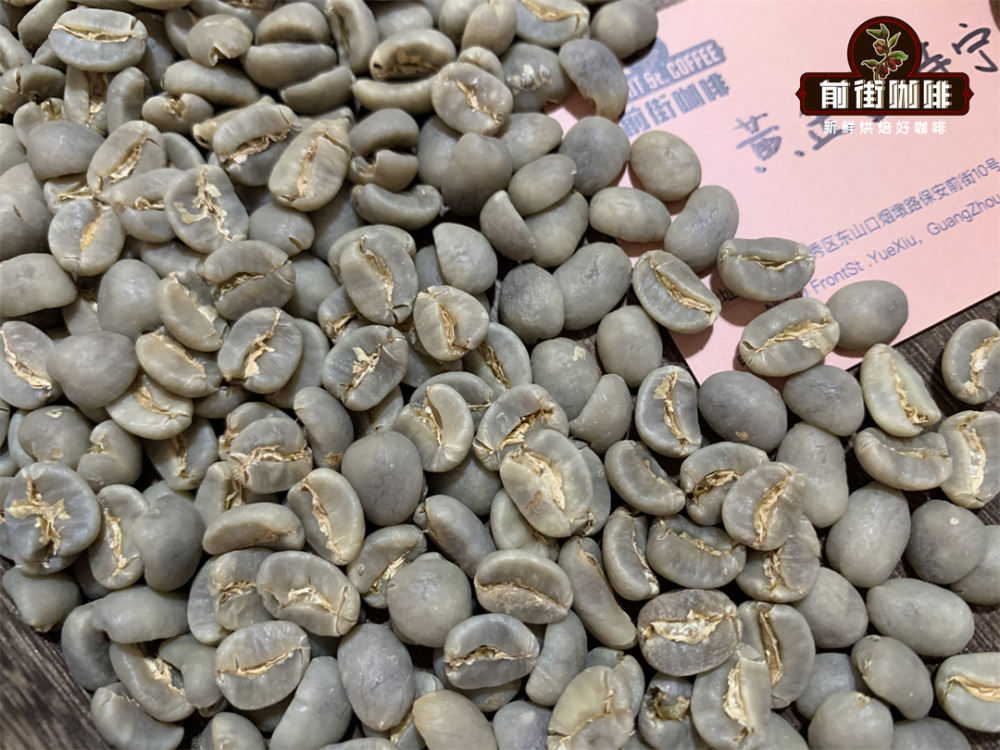
Lintong Mandheling is produced in the Lintong mountainous region of central-northern Sumatra, near Lake Toba, and is a popular entry-level choice for many coffee beginners. This coffee is also processed using the wet-hulling method, and its flavor profile showcases low acidity and a thick body, with a smooth mouthfeel and noticeable herbal and earthy notes. It’s important to note that during the wet-hulling process, the semi-hard, semi-soft green beans can easily develop cracks due to uneven force when the parchment is removed, resulting in the so-called “elephant hoof bean” appearance, which is very common in Mandheling and is not considered a defect.
Golden Mandheling, on the other hand, is a higher-grade product, produced in the Lake Tawar area of Mount Gayo in northwestern Sumatra. Its selection criteria are extremely strict, requiring bean size to be above eighteen mesh, with no more than three defective beans per 300 grams of green coffee sample, belonging to the top-tier G1 grade. Visually, the beans are dark green, regularly shaped, and mostly flat beans. After multiple rounds of manual sorting and density color separation, Golden Mandheling greatly reduces impurities and earthy tastes, resulting in a cleaner and brighter taste. It is said that the beans take on a golden sheen under sunlight, hence the name. Notably, the name “Golden Mandheling” has been registered as a trademark by Indonesia’s PWN company, while the “Gold Top Mandheling” launched in past collaborations with Japanese companies is another brand. The two have little difference in flavor, but the trademark rights belong to PWN.
When brewing medium-dark roasted coffees like Mandheling, it is recommended to use a Kono filter to enhance the body. If unavailable, a V60 can be used instead. The grind size should be slightly coarser than that for light roasts, with a suggested baseline of 70% passing through a #20 sieve — too fine may lead to burnt bitterness, too coarse may result in weak flavor. Water temperature should be controlled at 87-88°C; too high may cause scorching, too low may yield a flat flavor. The recommended powder-to-water ratio is 1:15, balancing richness and aftertaste. For brewing, a three-stage pouring method is suggested: the first stage bloom with 30ml to wet the coffee grounds; the second stage pour 100ml to bring out golden crema; the final stage gently pour 95ml centered to enhance sweetness and the caramel, nutty, and chocolatey layers in the aftertaste, delivering a complete and balanced drinking experience.
The above content is compiled by CoffeeHunters, a coffee news website.


