







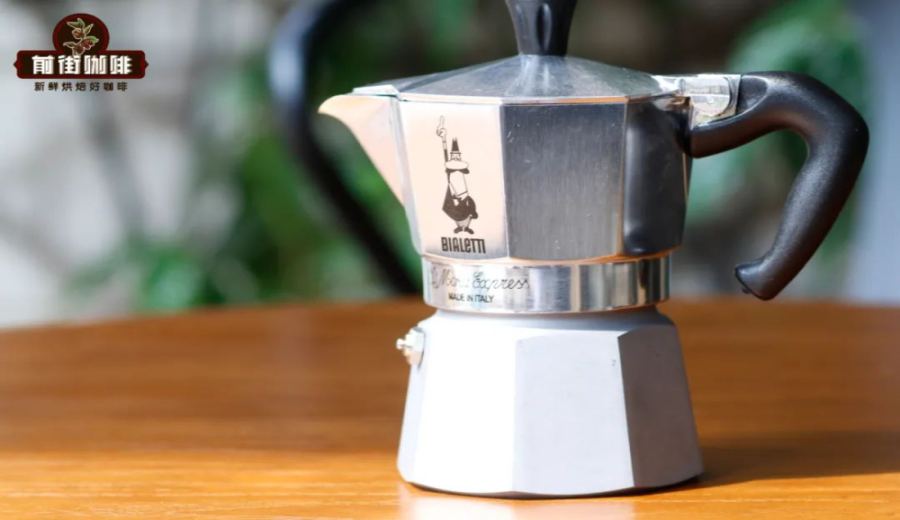
Introduction:The Moka pot is the go-to brewing device for many coffee enthusiasts looking to recreate espresso at home, but the question remains: should you use single-origin beans or blends? How do you adjust grind size and coffee-to-water ratio to avoid over-extraction or under-extraction? This article delves into the structure and principles of the Moka pot, offering practical brewing tips and bean recommendations to help you master the key parameters and brew a rich, bold cup of espresso-style coffee.
Since its invention by Bialetti in 1933, the Moka pot has been a classic tool for making espresso at home. With a pressure of 1–2 bar, it effectively extracts the essence of coffee, delivering a taste close to that of a professional espresso machine. However, many users often encounter challenges when selecting beans or operating the pot—such as whether to use single-origin or blends, or how to avoid over-extraction or channeling. This article will thoroughly explain the working principle and structure of the Moka pot, along with practical brewing advice and bean pairings, making it easy for you to get started and brew the rich coffee you desire.
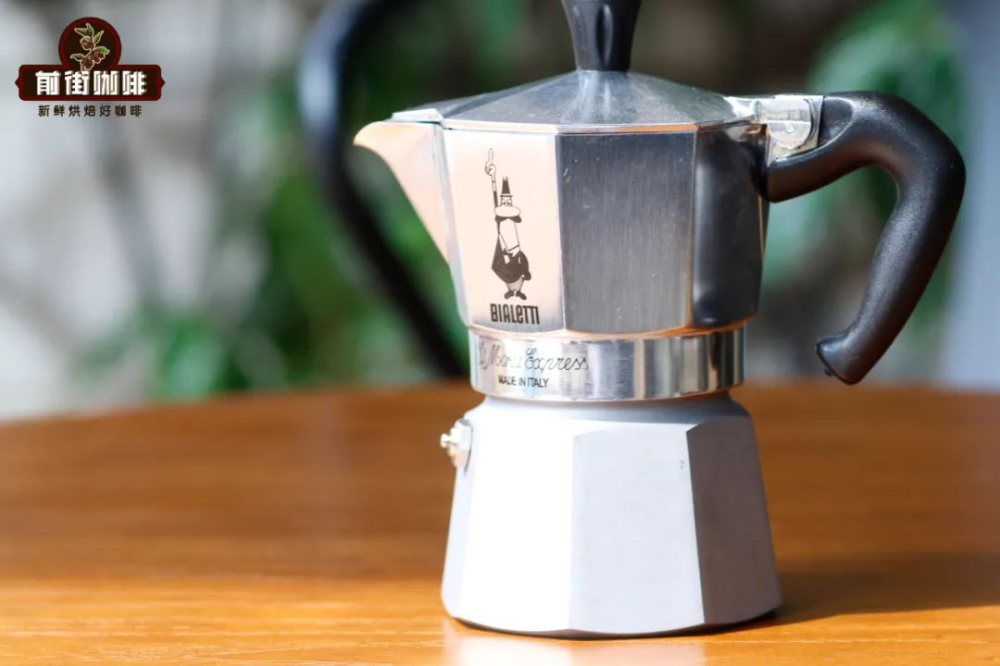
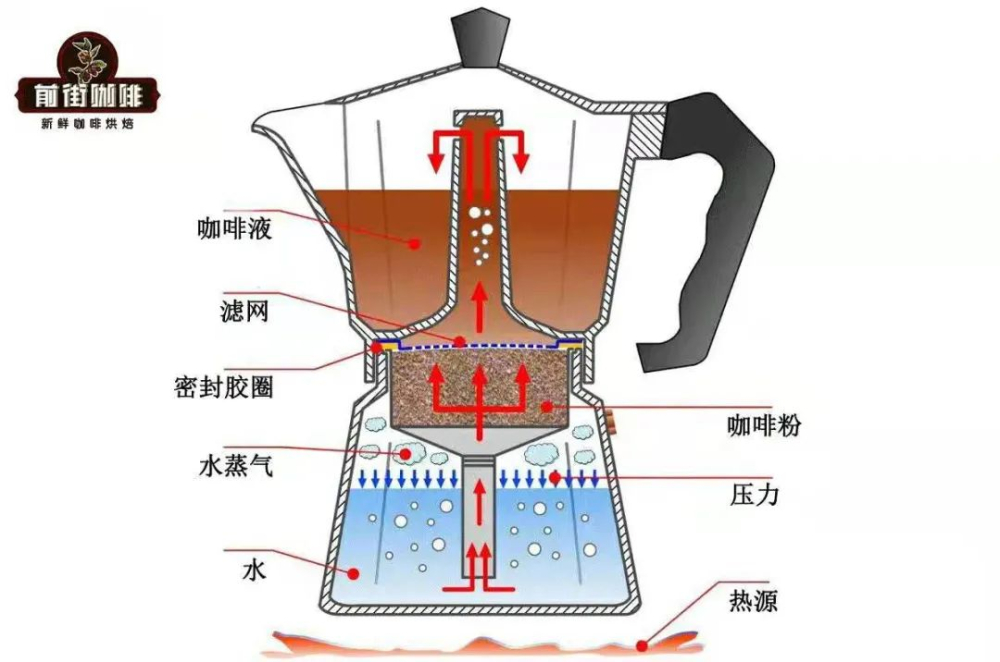
The Moka pot mainly consists of three parts: the lower chamber holds the water and is heated, the middle funnel holds the ground coffee, and the upper chamber collects the brewed coffee. Its working principle involves heating the water in the lower chamber, generating steam pressure that forces the hot water through the coffee grounds in the middle funnel, which then drips into the upper chamber, resulting in a strong cup of coffee. This pressure-based extraction method is similar in effect to that of a professional espresso machine, but is much simpler to operate, making it highly suitable for home use.
In terms of assembly, Moka pots come in two types: single-valve and double-valve. The single-valve design is more beginner-friendly, while the double-valve offers richer crema and flavor. Regardless of the type, there are several key points to keep in mind when using it: first,the water level must never exceed the safety valve position in the lower chamber, as a blocked channel could lead to excessive pressure and potential danger; second,the grind size of the coffee should be between that of fine sugar and sea salt—too fine can lead to over-extraction and channeling, while too coarse may result in under-extraction, affecting flavor.
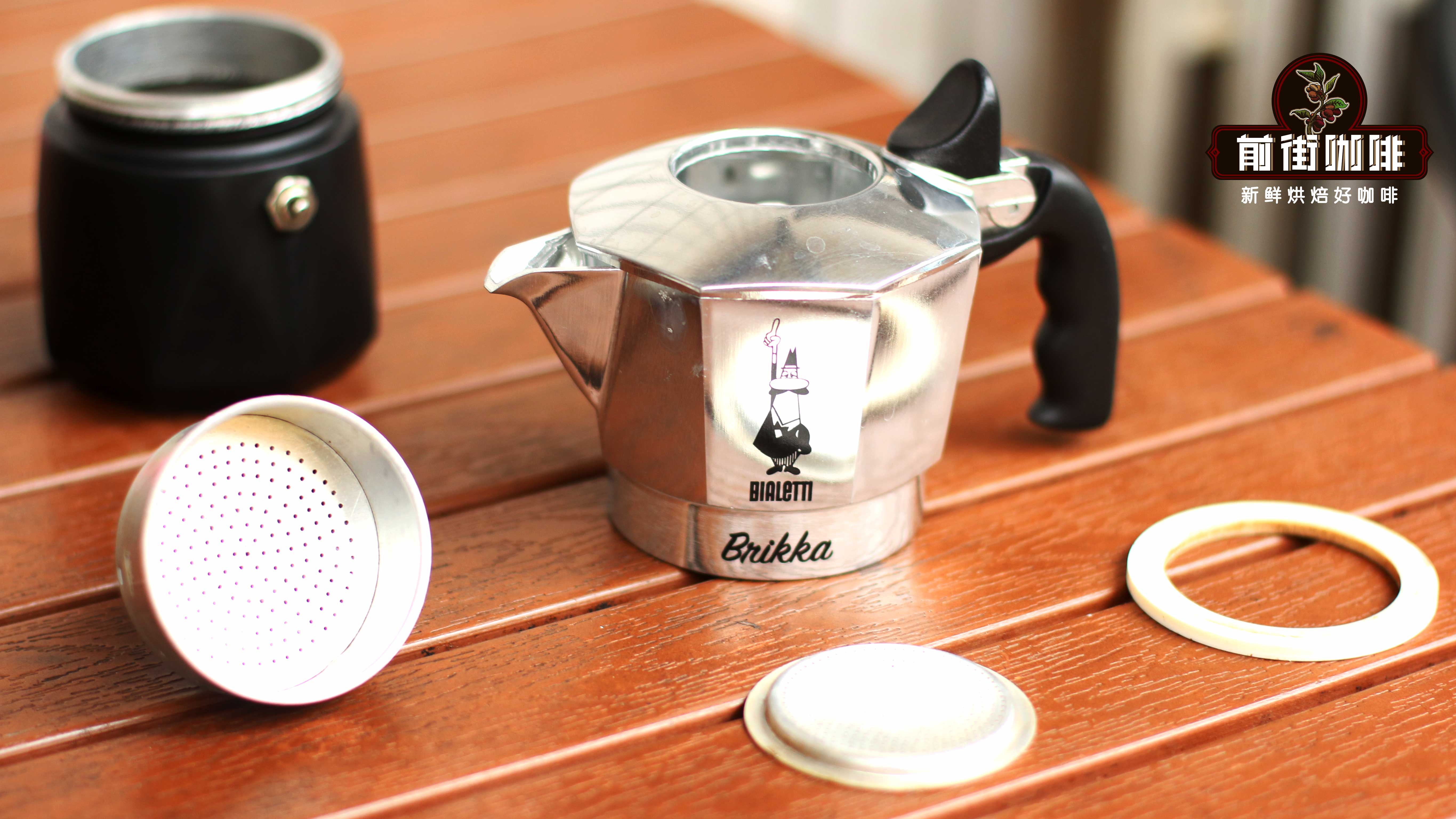
Additionally, when filling the coffee grounds, although even distribution is recommended,it is not advisable to tamp the coffee bed, as excessive tamping can cause uneven water flow and instability in extraction. After brewing, allow the Moka pot to cool naturally before disassembling, andnever use dish soap, steel wool, or soak it for cleaning, as this may damage the aluminum or rubber gasket materials. It’s best to rinse with only water and regularly check the condition of the sealing gaskets and washers to ensure safe use every time.
When it comes to coffee bean selection, due to the higher extraction pressure and concentration of the Moka pot,light-roasted beans are generally not the first choice, as their pronounced acidity can become overly sharp under high pressure and lack the body needed to support the overall flavor. In contrast,medium to dark roasted blends or single-origin beans are more suitable for the Moka pot, as they can showcase rich notes of chocolate, caramel, and nuts, along with a balanced bitterness and sweetness.
For beginners new to the Moka pot, it’s recommended to try commonly available espresso blends, which are typically a mix of beans from regions like Brazil and Indonesia. These blends offer stable body and a balanced acidity-to-sweetness ratio, reducing the impact of brewing mistakes on flavor. If you prefer single-origin beans, consider Brazilian yellow Bourbon beans from high-altitude regions—these usually have distinct notes of nuts and cream, and when brewed with a Moka pot, they yield a smooth mouthfeel and natural sweetness, making them ideal for those who enjoy low-acidity, full-bodied coffee.
To brew a great cup of coffee with a Moka pot, the key lies in mastering the correct extraction parameters and steps. First, it’s recommended to use a 3–4 cup Moka pot, adding 20 grams of medium-fine ground coffee to the funnel,with the grind size between that of fine sugar and sea salt—too fine can lead to over-extraction, while too coarse may cause under-extraction. Next, pour hot water into the lower chamber, making sure the water level does not exceed the safety valve position to avoid dangerous high pressure.
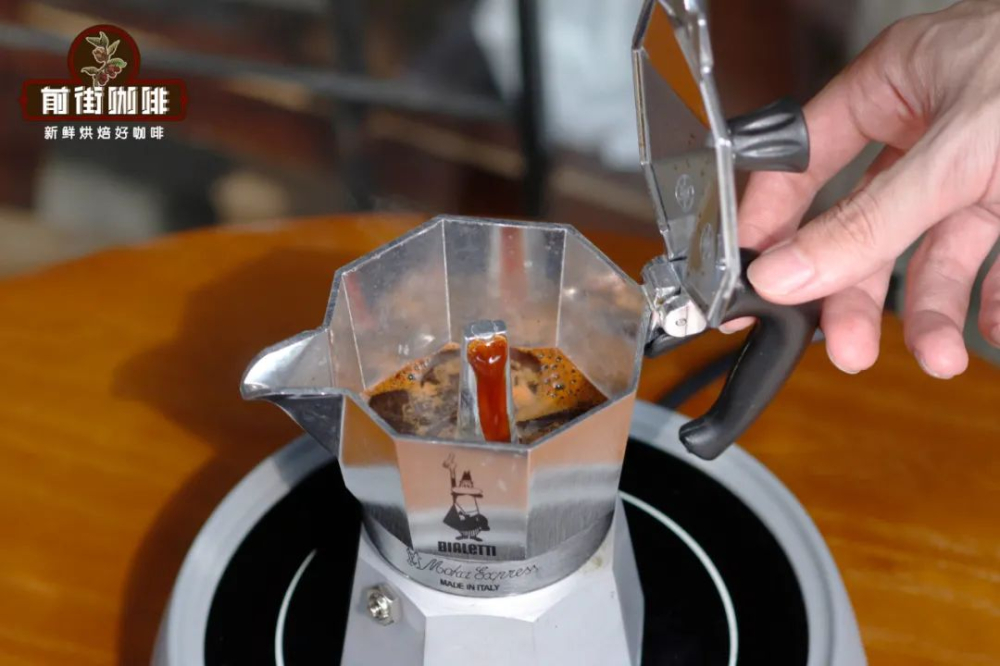
After adding the coffee grounds, tightly screw together the upper and lower chambers and begin heating. It’s advised to heat with the lid open and to keep the flame within the base of the pot to prevent the handle from melting. Once coffee starts dripping into the upper chamber, reduce the heat, and once the flow becomes steady, quickly remove the Moka pot from the heat source. To avoid bitter over-extraction, you can prepare a damp towel to wrap the lower chamber immediately after turning off the heat, helping to rapidly cool it down and stop the extraction process.
Finally, once all the coffee has been extracted, it’s best to pour it into your cup promptly to avoid continued extraction from residual heat, which can lead to overly intense or burnt flavors. By mastering these practical tips and precautions, even beginners can easily brew a rich, full-bodied espresso-style coffee with the Moka pot, enjoying the pleasure of making professional-grade coffee at home.
The above content is compiled by CoffeeHunters, a coffee news website.


