







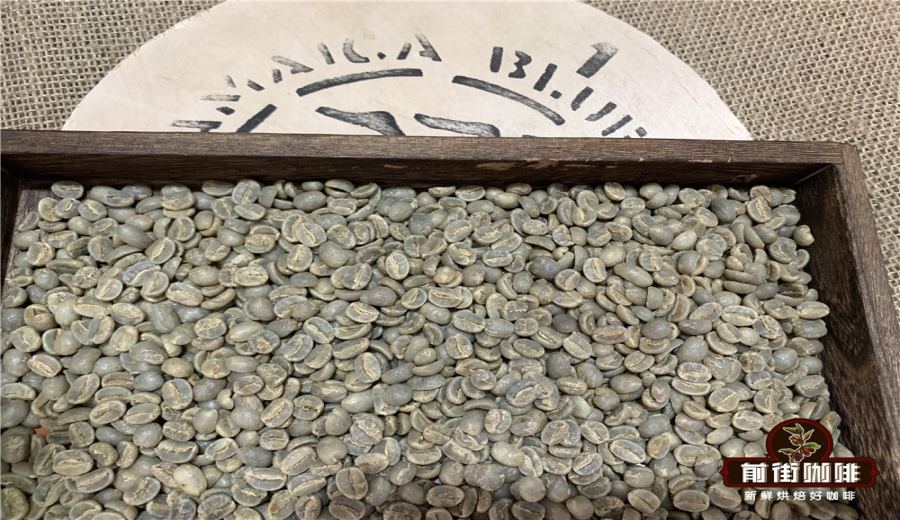
Introduction:Jamaica Blue Mountain No. 1 coffee is renowned for its rich and balanced flavor profile, but to fully recreate its unique layers at home, precise extraction parameters are essential. This article delves into the terroir of the origin, the characteristics of the variety, and the medium-dark roast flavor profile, detailing an 88°C water temperature, a 1:15 coffee-to-water ratio, a 20-mesh grind with 75% passing rate, along with the use of a KONO filter and a three-stage pouring technique. It will guide you step-by-step to extract a Blue Mountain cup with balanced acidity, sweetness, bitterness, and notable body. Also included are flavor comparisons between sun-dried and washed processes, plus practical storage advice.
Blue Mountain coffee has long been hailed as one of the world’s most well-rounded specialty coffees. To perfectly recreate its balanced and layered flavor at home, setting the right extraction parameters is crucial. A well-known brand selected Blue Mountain No. 1 beans from the Clifton Estate in Jamaica, applying a medium-dark roast to enhance nutty and cocoa notes, and designed a complete pour-over brewing recipe accordingly.
This article will start with the origin background, variety traits, and processing methods of Blue Mountain coffee, then gradually break down the four key elements of pour-over: water temperature, grind size, coffee-to-water ratio, and pouring technique. The recommended water temperature is set at88°C,a 1:15 coffee-to-water ratio, and usinga 20-mesh grind with 75% passing rate, paired with a KONO filter and a three-stage pouring method to help you consistently extract a Blue Mountain coffee that balances acidity, sweetness, bitterness, and boasts a full body. The article also provides a comparison of flavor differences between sun-dried and washed processes, as well as notes on resting and grind storage.
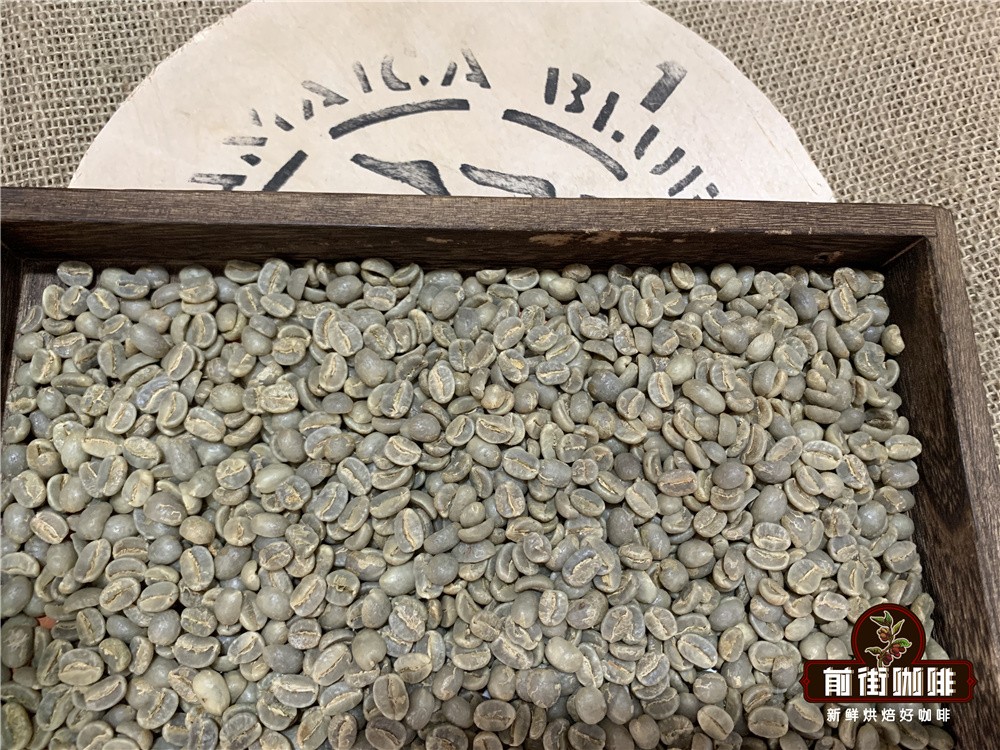
Many believe high-priced coffee beans require special treatment, but in truth, as long as the quality is excellent, every coffee bean deserves careful brewing—regardless of price. With the growing popularity of pour-over coffee, more and more enthusiasts are starting to enjoy the pleasure of brewing at home, rather than limiting themselves to café experiences.
Jamaica Blue Mountain No. 1 coffee is hailed as the pinnacle of specialty coffee, earning the reputation of being the “most aromatic coffee in the world.” But how can you fully unlock its unique flavors through pour-over? That’s the focus of this article. First, we need to understand the differences in extraction between medium-dark and medium-light roasts, as roast level directly affects settings such as water temperature, grind size, and brew time.
The growing environment of Jamaica Blue Mountain coffee is unique. It is cultivated in the Blue Mountains of eastern Jamaica. This mountain range, surrounded by the Caribbean Sea, often reflects a bluish hue on its peaks under sunlight, hence the name “Blue Mountain.” The highest peak of the Blue Mountain range reaches2256 metersin elevation, making it not only the highest point in the Caribbean but also a globally renowned specialty coffee producing region.
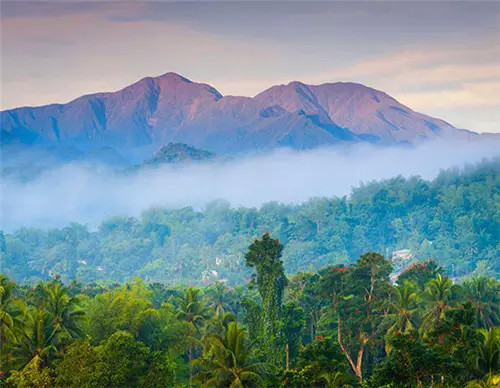
The area lies within the coffee belt and features fertile volcanic soil, fresh air, and a favorable climate. With frequent fog and rain, annual precipitation is about1980 millimeters, and average temperatures remain around27°C, creating ideal growing conditions for Blue Mountain coffee and contributing to its distinctive flavor and one of the highest coffee prices in the world.
The flavor profile of Blue Mountain coffee is characterized by intense aroma, sweetness, and an excellent balance between acidity and bitterness, with almost no sharp bitter notes. The acidity is gentle and layered. While typically enjoyed as a single origin, due to its limited production and high price, the market often sees “Blue Mountain-style” alternatives made by blending other beans with similar flavor profiles.
Blue Mountain coffee is graded based on altitude and bean size, with higher altitude and more uniform, plump beans receiving higher grades. The Blue Mountain No. 1 used by the aforementioned brand comes from the largest local estate, the Clifton Farm. Although it remains small-scale by international standards, many estate owners have been farming here for over two hundred years, bringing rich cultivation experience. The resulting Blue Mountain No. 1 stands out among many Blue Mountain beans.
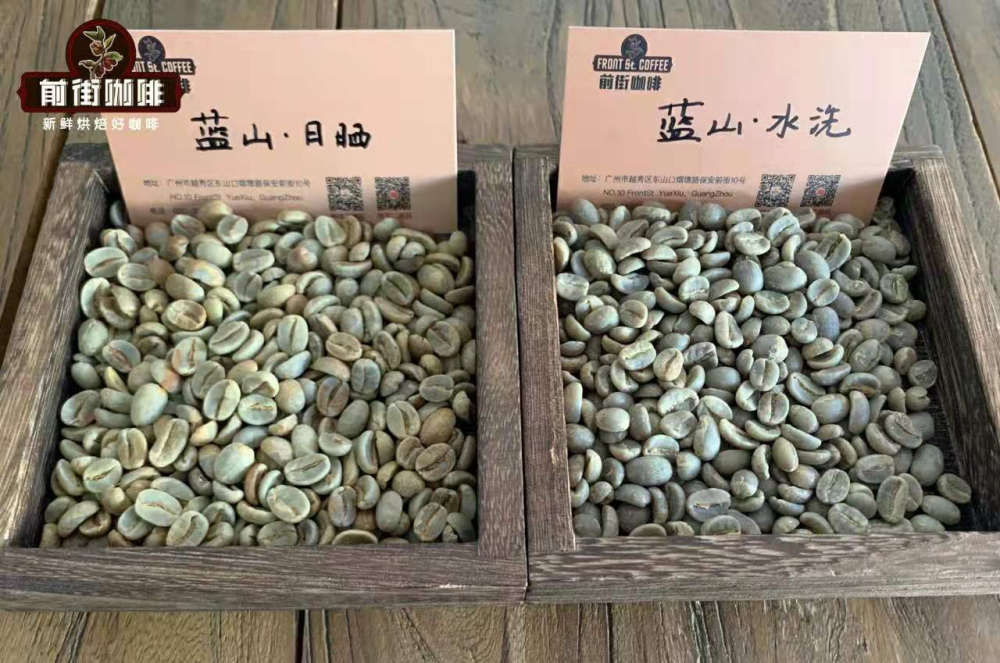
In terms of processing, Blue Mountain coffee originally used only the washed method, but sun-dried versions have also been developed later. Currently, the brand offers both processing methods, each showcasing distinct flavor directions.

The key to brewing Blue Mountain No. 1 via pour-over lies in four essential factors: water temperature, grind size, coffee-to-water ratio, and pouring technique. These variables directly influence the final extraction result and flavor expression.
Regarding water temperature, adjusting according to roast level is a basic principle. For the medium-dark roasted Blue Mountain No. 1, it is recommended to use88°Cwater temperature to avoid over-extracting unwanted flavors while highlighting the nutty and cocoa aromas.
Grind sizeis closely related to roast level and affects the contact time between coffee grounds and water. It is recommended to test with a 20-mesh sieve, aiming for a passing rate of75%(i.e., 7.5 grams of fine particles out of 10 grams of ground coffee pass through the sieve). If the passing rate is too high, adjust the grind to be coarser; if too low, make it finer. Generally, a grind passing rate of 70%–75% is recommended for medium-dark roasts.
For the coffee-to-water ratio, based on SCAA’s Golden Cup extraction theory,1:15is a relatively stable choice that achieves an ideal extraction rate. This ratio balances richness and clarity, suiting the taste preferences of most people.
As forpour-over technique, this article recommends a three-stage pouring method, which suits medium-dark roasted beans and helps steadily highlight the flavor layers in the early, middle, and late stages. The specific steps are as follows:
The first step isbloom: pour 30 grams of hot water evenly over 15 grams of coffee grounds for 30 seconds. Blooming helps release CO₂ from the coffee grounds and promotes even extraction afterward. Please note, freshly roasted beans contain high levels of CO₂, so it is advised to let them rest (3 days) before brewing to achieve optimal flavor.
The second step is to start pouring from the center with a small stream in circular motions after blooming, adding water until you reach a total of125 grams, then pause. Be sure to keep the water stream narrow—about the size of a coin—to avoid disrupting the coffee bed.
The third step is to continue pouring in circles once the coffee bed has settled halfway down the filter, adding water until you reach225 grams, with the total brew time controlled at2 minutes. During this stage, monitor the speed of water level drop to avoid over-soaking, which could lead to astringency in the final sip.
Finally, give the brewed coffee a gentle swirl before pouring it into your cup to enjoy its rich and layered flavor.
Sun-dried Blue Mountain coffee typically exhibits mild berry-like acidity, such as dark plum and mulberry notes, paired with black chocolate and nutty tones, along with slight fermentation character. In contrast, washed Blue Mountain showcases more pronounced black chocolate and creamy smoothness, with an elegant balance of acidity, sweetness, and bitterness.
In summary, the key to pour-over brewing Blue Mountain No. 1 lies in mastering water temperature, grind size, coffee-to-water ratio, and pouring rhythm. With steady operation and appropriate parameter settings, you can enjoy a flavor experience close to that of the Blue Mountain coffee fields, all from the comfort of your home.
The above content is compiled by CoffeeHunters, a coffee news website.


