







Introduction:Delve into the historical roots of Costa Rica’s coffee industry and the distinctive characteristics of its eight major producing regions, with a focus on the cultivation conditions at high altitudes in Tarrazú and the classic flavors of washed-processed beans. This article provides an in-depth look at the evolution and differences of honey processing techniques, along with V60 three-stage pour over parameters to help coffee enthusiasts master the brewing essentials of this well-balanced, entry-level specialty bean.
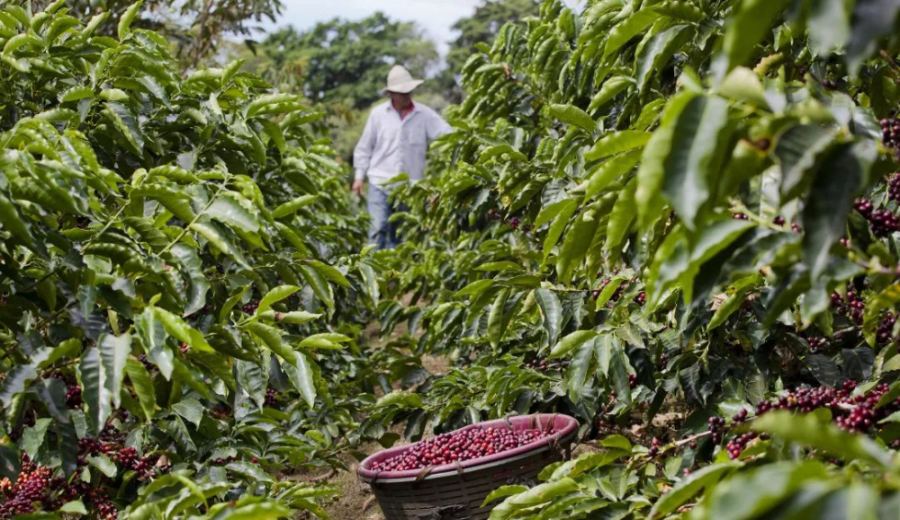
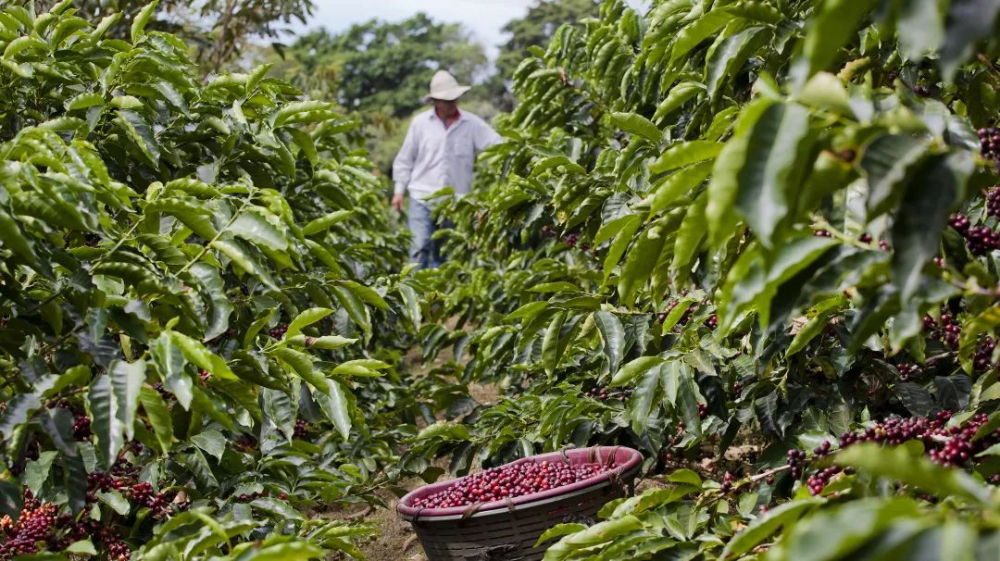
Costa Rica is one of the earliest countries in Central America to develop a coffee industry. As early as 1779, the first coffee tree was introduced from Cuba, and commercial production began by 1808. The country is known for its strict variety control and advantageous geographical environment, and it has completely banned the cultivation of Robusta across the nation, committing solely to high-quality Arabica production—solidifying its status as a powerhouse of specialty coffee.
The rise of Costa Rican coffee is inseparable from government policy. In the early 19th century, the local government provided free seedlings and encouraged farmers to plant coffee on idle land, even using coffee cultivation as a basis for applying for land ownership. These measures led to the rapid popularization of coffee farming and made coffee a key pillar of the national economy. However, during World War II, international instability and the interruption of purchases by major buyers caused exports to suffer, and the emergence of new producing regions like Brazil posed challenges to Costa Rica’s market share.
It wasn’t until 1989 that Costa Rica enacted an important decree explicitly banning the planting of low-quality beans. Two official research institutions, CATIE (founded in 1942) and ICAFE (founded in 1933), jointly promoted a coffee quality improvement program. This policy further reinforced Costa Rica’s tradition of focusing on Arabica and contributed to the international image it enjoys today as a renowned producer of specialty coffee.
Costa Rica features a long, narrow terrain with frequent volcanic activity, resulting in fertile soil rich in minerals and excellent drainage. Coupled with the convergence of airflows from the Pacific and Atlantic Oceans, the country enjoys diverse microclimates. It is divided into eight major coffee-producing regions: Central Valley, Tres Ríos, West Valley, Tarrazú, Brunca, as well as the smaller regions of Turrialba, Orosi, and Guanacaste. Among them, Tarrazú stands out by accounting for 35% of the nation’s production and is the most representative specialty coffee region.
The Tarrazú region has an average altitude of over 1,500 meters, where the cool climate and volcanic soil combine to produce coffee with bright acidity and a rich body. Common varieties in the area, such as Caturra and Catuaí, when processed using the washed method, often exhibit clean flavors like sweet orange, toffee, and nuts, making them highly favored by consumers worldwide.
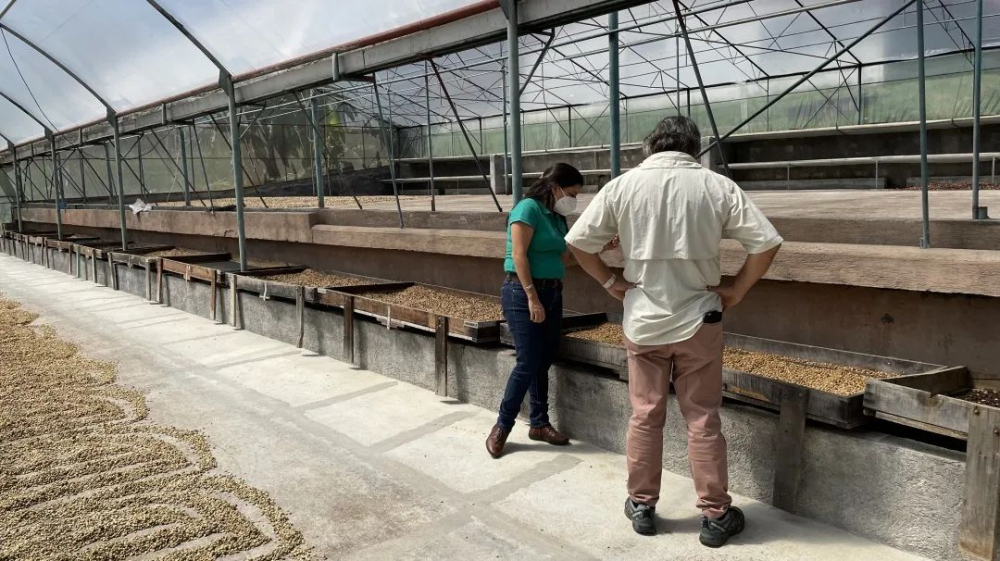
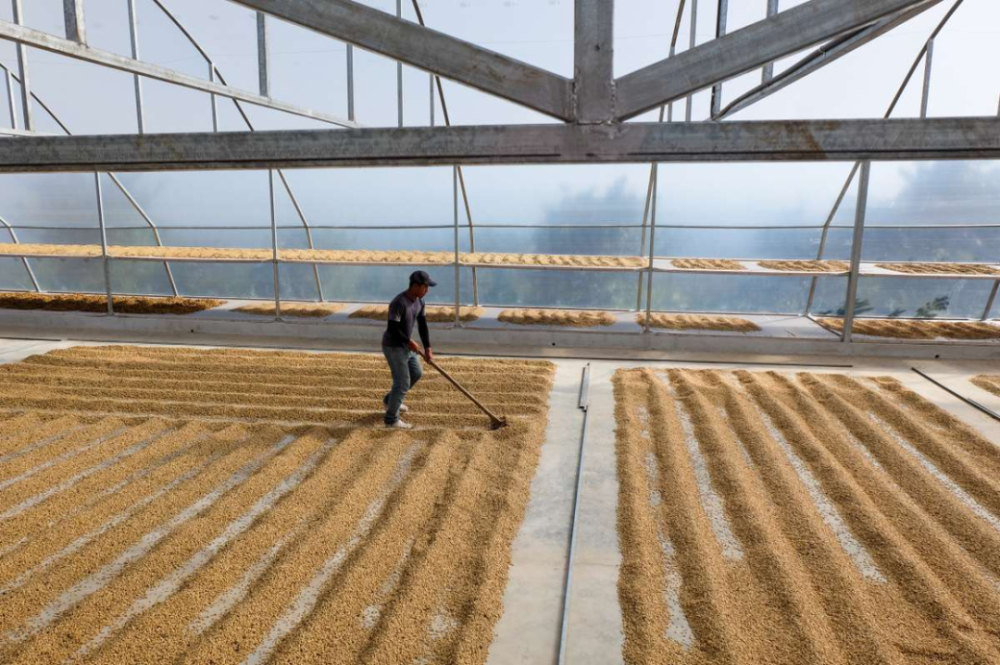
Honey processing technology originated in Brazil in the mid-1990s. Initially developed to adapt to dry climates, it involved removing the fruit skin and directly sun-drying the beans to shorten drying time and reduce off-flavors. Later, producers in Central and South America adjusted the method according to local conditions, developing techniques that retain varying proportions of mucilage. These are categorized into white honey, yellow honey, red honey, and black honey based on sugar content. Honey-processed coffee typically boasts tropical fruit and fermented sweetness, with bold and appealing flavors.
However, a certain coffee brand’s Costa Rican everyday-use beans opt for the washed process instead of honey processing. The reason lies in the washed method’s ability to better highlight the innate characteristics of Costa Rican coffee, such as clear notes of berries, sweet orange, and melon acidity, with a lightly sweet aftertaste—making it ideal as a benchmark for beginners to understand regional profiles. While the washed process requires more water and equipment, it ensures pure and consistent flavors, showcasing the classic traits of the country’s coffee beans.
For coffee enthusiasts who enjoy pour over brewing, it is recommended to use a V60 dripper with a water temperature of 91°C and a 1:15 coffee-to-water ratio (15 grams of coffee to 225 grams of water), ground to a fineness where about 80% of the particles pass through a #20 sieve. The brewing process follows a three-stage pouring method: the first stage involves pouring 30 grams of water for a 30-second bloom, followed by 95 grams (totaling approximately 125 grams), then after about 1 minute, adding the remaining 100 grams (bringing the total to 225 grams), with a total extraction time of around 1 minute and 35 seconds. These parameters help fully showcase the layered and clear flavors of washed Tarrazú beans.
Freshly roasted coffee beans require a 4 to 7-day degassing period to allow carbon dioxide to fully dissipate, after which their flavors are at their best. Newly roasted beans are usually shipped within 5 days of roasting to ensure consumers enjoy them at their peak, experiencing a balanced profile of nuts, chocolate, and fruit.
The above content is compiled by CoffeeHunters, a coffee news website.


