







Introduction:Want to explore the unique charm of Tanzania Kilimanjaro AA Typica coffee beans? This article delves into this high-altitude specialty bean from the Roof of Africa, covering everything from the growing region, variety characteristics, to the washed processing method. It also provides professional roasting profiles, V60 pour over parameters, and a detailed flavor profile to help you master the optimal extraction method and experience the perfect balance of honey, berries, and tea notes.
Although Tanzania may not be as well-known on the global coffee map as Ethiopia or Colombia, its coffee beans often deliver delightful surprises. Especially those from the region at the foot of Mount Kilimanjaro, Africa’s highest peak, which benefits from fertile volcanic soil and significant altitude temperature variations, producing coffee with delicate flavors, soft acidity, and rich layers. The Kilimanjaro AA coffee beans introduced here belong to the Typica variety, processed using the washed method. After medium-light roasting, they showcase an enticing combination of honey sweetness, berry acidity, tea-like aftertaste, and nutty flavors.
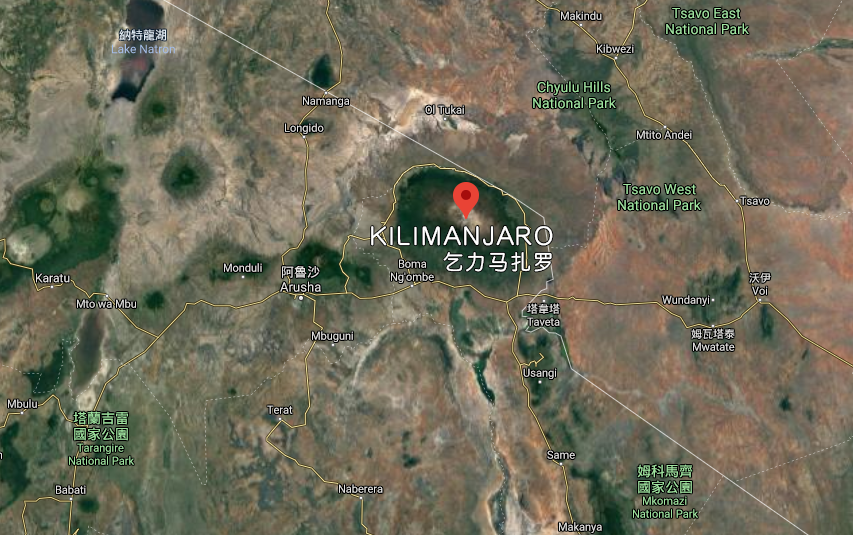
Mount Kilimanjaro is not only Africa’s highest peak, nearing 6,000 meters in elevation, but also a world-renowned "Equatorial Snow Peak," located right on the equator, thus earning the title "Roof of Africa." The region’s high altitude creates significant day-night temperature differences, which help coffee cherries ripen slowly, accumulating richer flavor compounds and sugar content. Meanwhile, the volcanic soil is rich in minerals, providing excellent growing conditions for coffee plants. These factors together shape the delicate and distinctive flavor foundation of Kilimanjaro coffee.
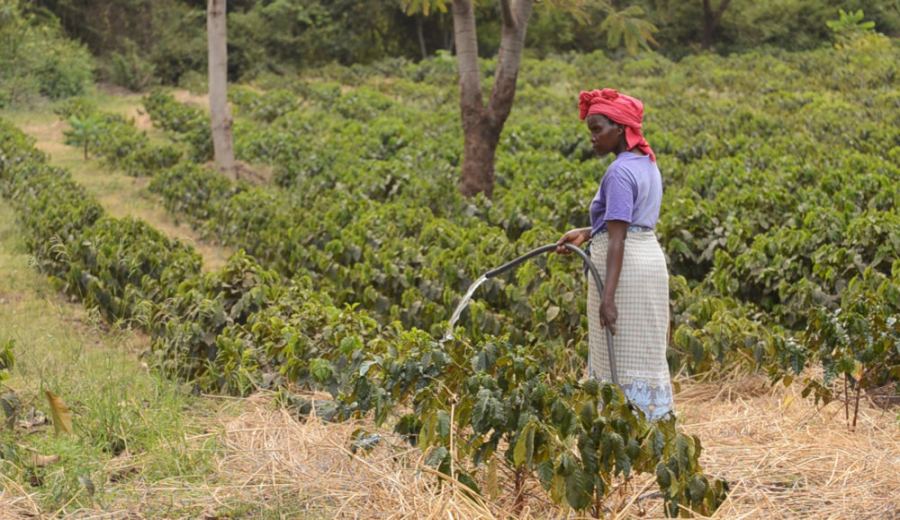
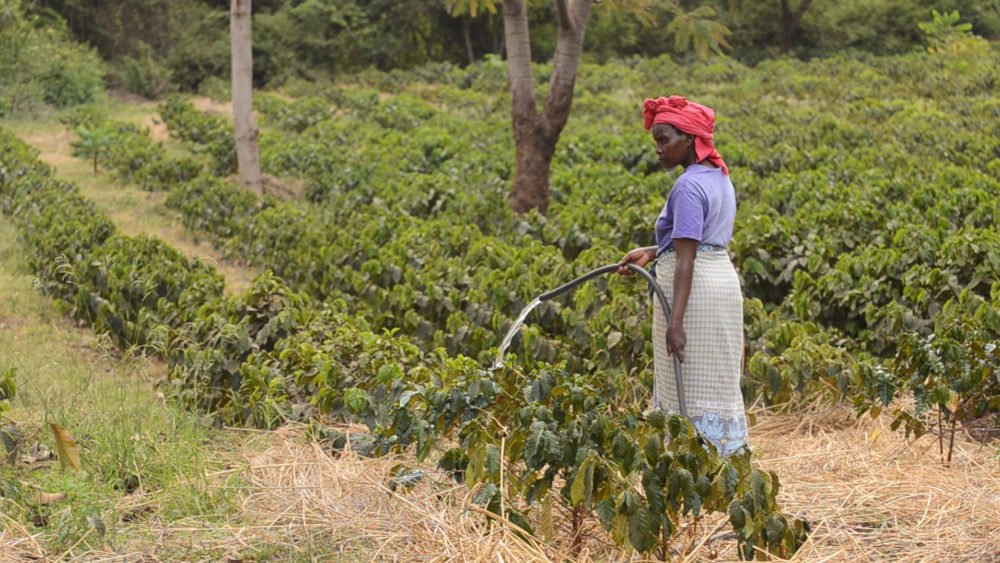
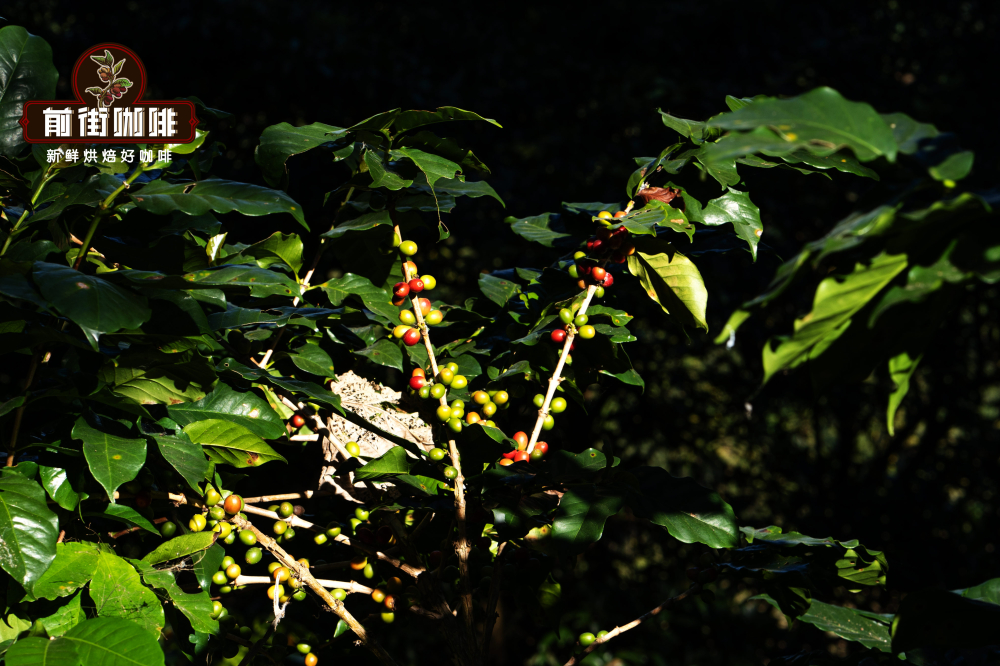
Coffee cultivation in Tanzania is mainly concentrated in the Kilimanjaro and Arusha regions, with the Kilimanjaro mountain area being the most significant. This region has a long history of coffee farming, with some coffee trees even exceeding 100 years in age. Coffee was initially introduced by missionaries from Kenya and gradually took root locally. To maintain coffee quality, farmers need to regularly prune old branches, remove weeds, fertilize, and rely on well-established processing facilities to ensure the quality of green beans. The coffee industry holds a pivotal economic position in Tanzania and is one of the agricultural projects prioritized by the government.

Coffee grown on the slopes of Kilimanjaro, benefiting from abundant sunshine and volcanic soil, often exhibits intense fruity aromas with subtle hints of peach. The altitude in this region ranges approximately from 3,000 to 6,000 feet (about 900 to 1,800 meters), making it one of the most suitable environments for coffee cultivation. The fertile volcanic ash soil not only promotes healthy growth of coffee plants but also imparts a rich texture and soft acidity to the beans, resulting in the delicate and layered flavor structure of this Kilimanjaro AA coffee.
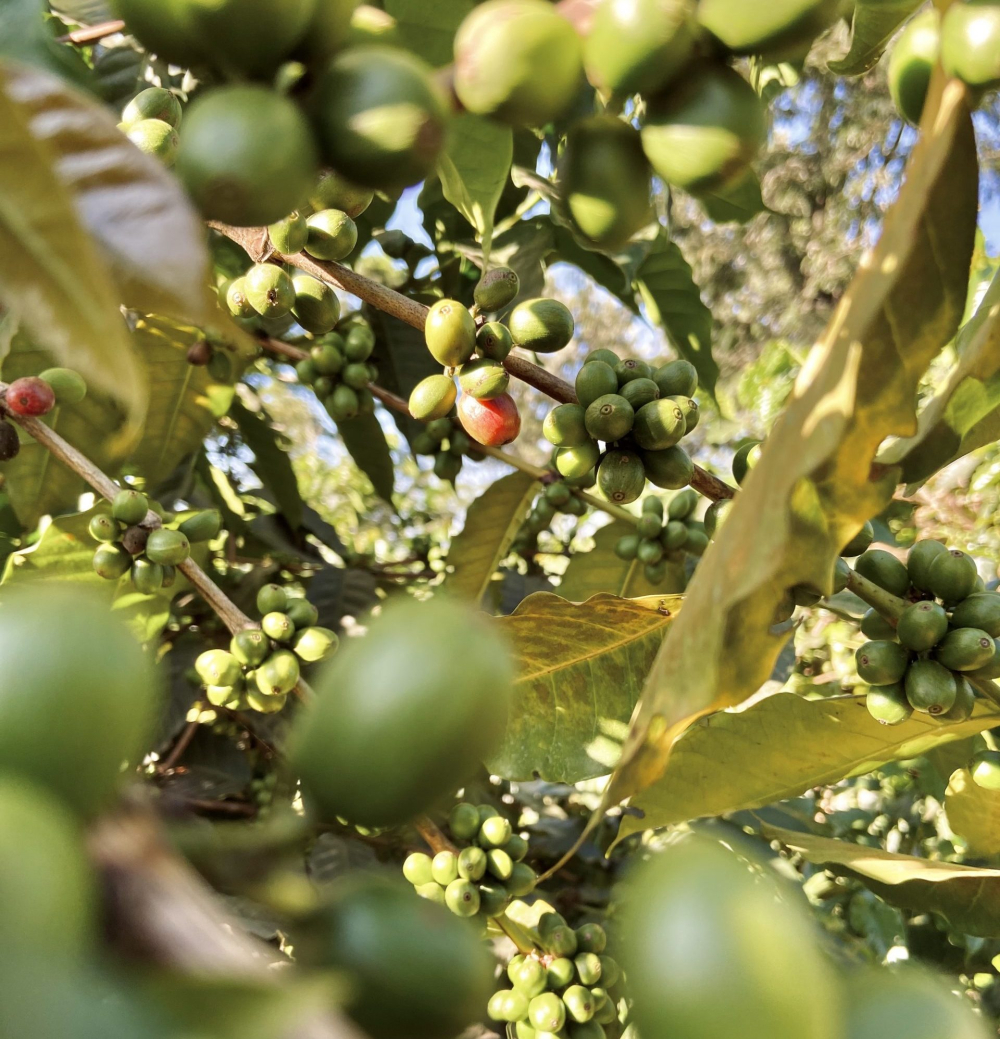
Kilimanjaro AA is the highest grade in Tanzania’s coffee classification system, representing beans that are plump, uniformly sized, and have an extremely low defect rate. These Typica variety coffee beans are known for their intact particles, full-bodied taste, and pure flavor, often hailed as one of the "most African-characteristic" specialty coffees. Typica is a traditional Arabica variety, characterized by its slender bean shape and distinctly pointed ends. Compared to typical commercial beans, it offers a more elegant flavor, often with citrus acidity and a sweet aftertaste. However, due to its tall plant height (usually up to 5 meters), weak disease resistance, and difficulty in harvesting, it has gradually been replaced by more disease-resistant varieties in recent years. Nevertheless, a few farms still persist in growing it to pursue higher-level flavor expression.
This Tanzanian Kilimanjaro coffee is processed using the washed method, a common practice in Africa that highlights the bean’s inherent flavors. The washed processing steps include: first removing unripe or damaged coffee cherries, then stripping away the outer skin and pulp, followed by placing the mucilage-covered beans into fermentation tanks where microbial action breaks down the remaining pulp layer. Finally, the beans undergo thorough washing and even drying to ensure stable moisture content in the green beans. This process effectively reduces impurities and unwanted flavor interference, highlighting the coffee’s inherent fruit acidity, sweetness, and aromatic characteristics.
Tanzania’s coffee grading standards are similar to those of neighboring Kenya, primarily classifying green beans by size and using sieves with fixed apertures for screening. Among them, AA grade is the highest, indicating that the green beans pass through a 7.20mm (17–18 mesh) sieve, with large and uniform beans; AB grade is slightly smaller, passing through a 6.8mm–6.2mm (15–16 mesh) sieve; PB grade refers to peaberry beans, accounting for about 10% of total production; grades below C consist of smaller beans, typically used for commercial beans or blends. Kilimanjaro AA stands out in the specialty coffee market with its size, appearance, and defect rate.
In terms of roasting, this Kilimanjaro AA Typica bean, with its uniform particle size and relatively high density, is suitable for medium-light roasting to preserve its bright acidity and complex aroma layers. The recommended roasting curve is: an inlet bean temperature of about 170°C, reaching the yellowing point (about 150.8°C) at 6 minutes and 30 seconds, with the first crack starting around 10 minutes and 6 seconds (182.7°C), and continuing for about 1 minute and 45 seconds of first crack development, finally dropping the beans at 193°C. This roasting level can fully bring out the bean’s sweetness and fruit acidity while maintaining good body and aftertaste performance.
According to actual cupping results, this coffee exhibits distinct caramel aromas in the dry stage, with vibrant berry notes in the wet aroma. Upon tasting, citrus acidity, berry flavors, and tea-like notes intertwine, with a mild, nutty finish. The overall profile is balanced and layered. The flavor profile is clear, making it suitable for coffee enthusiasts who enjoy bright fruit acidity and a refreshing taste.
If choosing to brew with a V60, it is recommended to use a 1:15 coffee-to-water ratio, with water temperature controlled at 91°C, and grind size set to around 10 on the EK43s grinder (approximately medium-fine). The specific brewing process is as follows: start with a 30-second bloom using 30 grams of hot water, then, once the steam dissipates, pour 125 grams of water in a circular motion from the center outward. When the water level drops to half the filter, add another 225 grams of water until a total of 225 grams have been brewed. This parameter set fully highlights the bean’s details and layers while avoiding over-extraction or excessive tannin release.
In summary, Tanzania Kilimanjaro AA Typica coffee beans, with their unique growing environment, traditional variety characteristics, and refined washed processing, present an excellent combination of honey sweetness, berry acidity, tea-like aftertaste, and nutty flavors. Whether as a daily drink or an introductory choice for exploring African coffee, these beans offer a surprising and delightful flavor experience.
The above content is compiled by CoffeeHunters, a coffee news website.


