







Introduction:Yunnan is the core coffee-producing region of China, accounting for over 95% of the country’s total output. However, its international reputation has long failed to match the quality of its beans. This article delves deep into the varietal origins of Yunnan’s small-bean coffee, key milestones in its development, analyzes why it has been undervalued, and examines the true flavor profile of Yunnan coffee today. Whether you’re a beginner at pour over or an advanced enthusiast, you’ll find practical inspiration for bean selection and tasting, rediscovering the untapped potential nurtured in this land.
As a powerhouse of China’s coffee industry, Yunnan contributes over 95% of the nation’s total production, yet has long struggled with an ambiguous position in the international market and weak bargaining power. This article begins with the varietal origins of small-bean coffee, tracing its journey from Ethiopia and the Arabian Peninsula to Yunnan. It outlines key milestones such as early trials in Zhukula Village and Ludian Dam, the introduction of the Catimor variety by Nestlé, and addresses the domestic misconception that Yunnan coffee tastes like “instant, muddy bitterness.” In fact, the quality of local green beans can now rival imported counterparts of the same grade—many so-called “imported” coffees are actually Yunnan-grown beans exported for processing abroad and then re-imported. This article will help you see past the myths and re-evaluate the real potential of homegrown coffee.
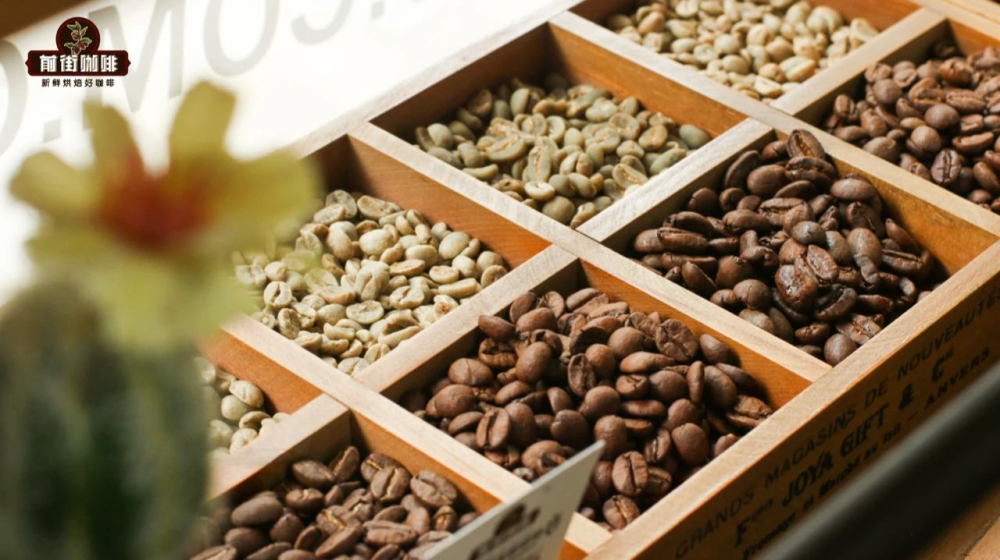
The so-called small-bean coffee, botanically classified as Arabica, can be traced back to Ethiopia in Africa. This variety was later systematically cultivated in the Arabian Peninsula and is considered the most classic and pure-blooded type of Arabian coffee. The typical characteristics of native small-bean coffee include smaller bean size with uneven plumpness. In terms of flavor, it features a bright acidity base, along with prominent floral and fruity notes, laying an important foundation for the specialty coffee market that followed.
The story of world coffee begins in Ethiopia. Legend has it that on the highlands of the country’s southwestern region, a shepherd first noticed his sheep becoming unusually excited after eating a certain red fruit, thus unveiling the mystery of coffee and earning the area the title “Coffee Kingdom.” Later, in the 13th century, Ethiopian troops entered Yemen, introducing coffee beans to the Arabian Peninsula. Due to the enforcement of prohibition laws, coffee quickly replaced alcohol as a daily beverage and even prompted Arabs to begin improving the variety, laying the groundwork for coffee’s global spread.
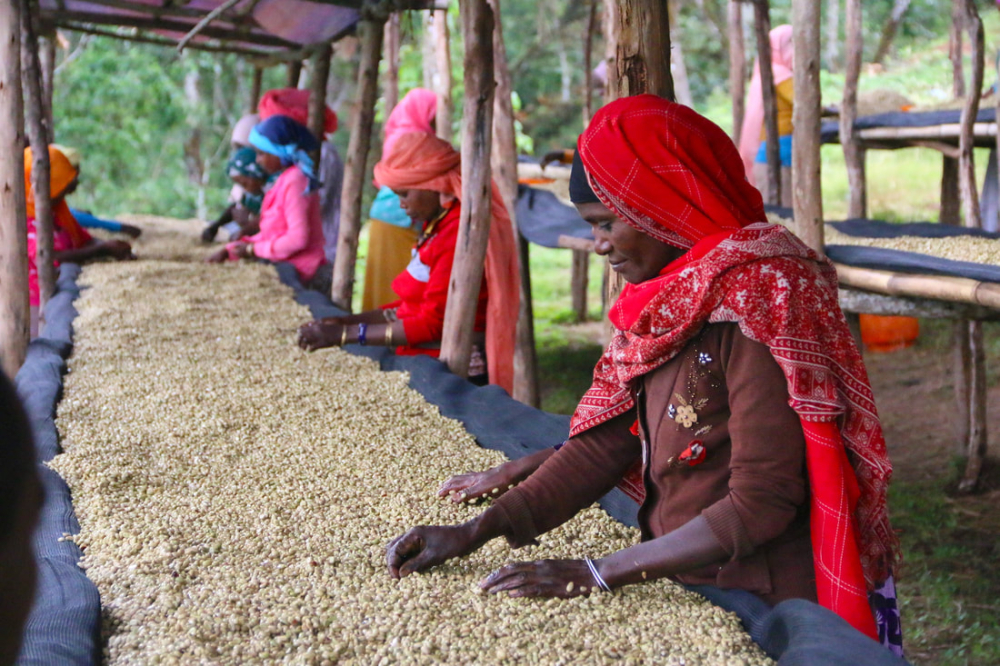
The connection between small-bean coffee and Yunnan began in the late Qing Dynasty. In 1892, French missionary Téodore Monbeig brought coffee seeds to Zhukula Village in Dali, Yunnan, marking the first instance of the variety taking root in China. To this day, over twenty coffee trees aged more than ninety years old still grow there, witnessing the early history of introduction. In 1908, an attempt was made to introduce the plant in Hainan, but with limited success; subsequent trials in other regions also failed. A turning point came in 1952, when technicians from the Mangshi branch of the Yunnan Agricultural Experimental Station brought back about seventy kilograms of fresh cherries from Longxian Village and planted them in Ludian Dam, Baoshan City. They found the beans adapted well and were of excellent quality, leading to gradual expansion in cultivation. By the late 1980s, Nestlé introduced the Catimor variety in Simao Prefecture (now Pu’er City), Yunnan, driving rapid growth in China’s coffee-growing area and continuous improvement in quality through practice. In 1992, the United Nations Development Programme (UNDP) assisted the Chinese government in establishing the first modern coffee processing factory, injecting momentum into industrial upgrading. According to data from the Yunnan Provincial Department of Agriculture, the region’s coffee output reached 136,000 metric tons in 2017, firmly establishing its dominant position nationwide.
When it comes to the impression of Yunnan small-bean coffee among the Chinese public, most people’s first experience comes from instant products, especially Nestlé’s 3-in-1 blend. With the rise of consumption upgrades, some encountered freshly ground coffee for the first time at chain stores like Starbucks or through Yunnan specialties bought during trips. These memories are often associated with the “weak aroma and muddy bitterness” of instant coffee, the “excessively sweet and artificial” taste of 3-in-1 blends, and milk-heavy drinks that mask the coffee’s true flavor—forming a fixed perception of Yunnan coffee.
On the international market, Yunnan coffee has long been in an awkward position. Despite having won awards, foreign buyers often drive prices down, offering at least 20 cents per pound less than the international futures price for green coffee. Compared to renowned producing regions like Colombia, Ethiopia, or Brazil, Yunnan coffee’s global standing is clearly lagging, with high quality not translating into fair returns.
In fact, after a century of development and rising domestic coffee demand, the quality of Yunnan coffee has improved significantly. Yet many consumers remain influenced by old impressions, believing it to be “unpalatable and inferior to imports.” Notably, many overseas green bean traders purchase Yunnan beans at prices over 20 cents below international market rates, process and relabel them elsewhere, then re-export them to China as “imported coffee.” The next time you sip what’s labeled as “imported” coffee, it might just be Yunnan-grown small-bean coffee. Set aside biases against low-quality instant coffee from tourist markets, explore anew, and you’ll discover the unique flavors and true value of Yunnan coffee.
The above content is compiled by CoffeeHunters, a coffee news website.


