







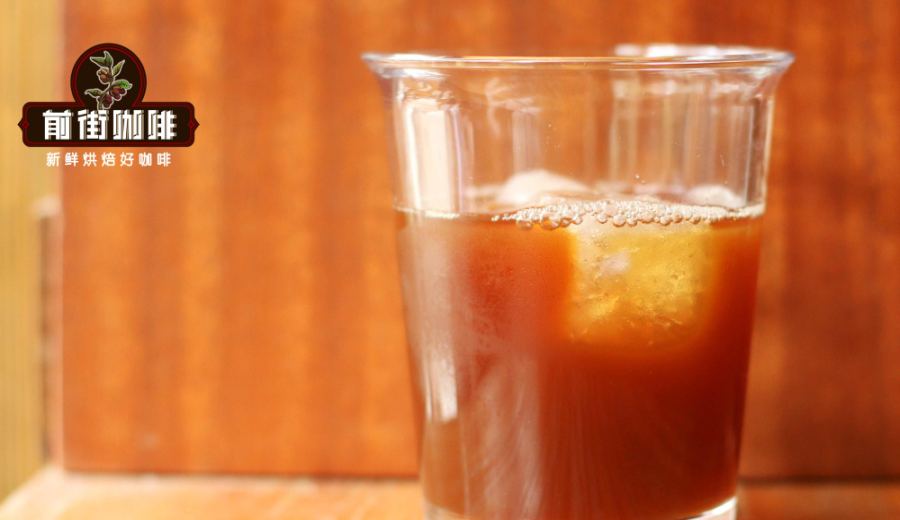
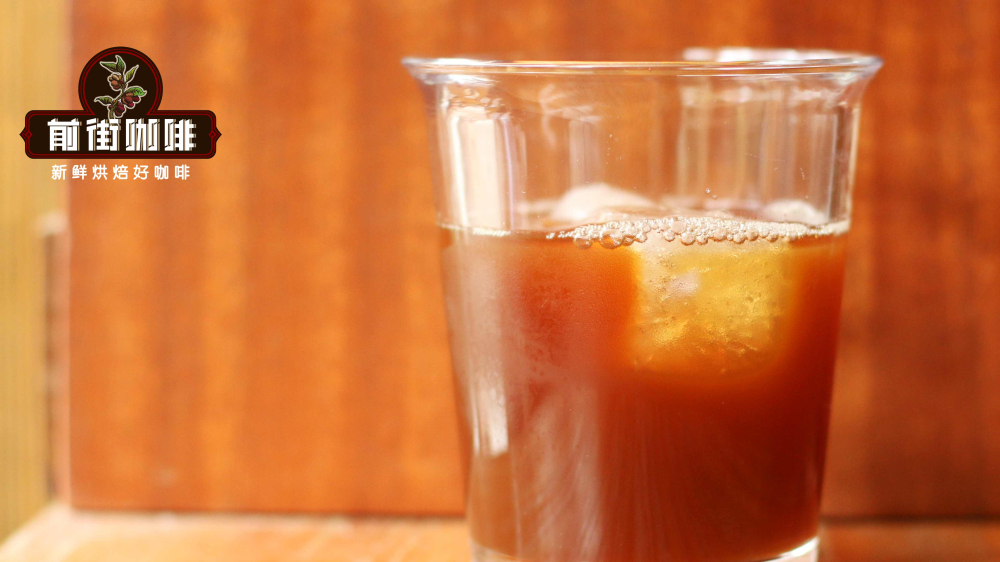
Introduction:Want to learn how to make cold drip coffee? This article delves into the extraction principles, practical workflow, and key parameter settings of cold drip coffee, and recommends four specialty coffee beans ideal for cold drip extraction to help you master low-temperature slow brewing techniques and create a rich, sake-like cold drip coffee.
Among the many methods of making cold brew coffee, cold drip coffee stands out as one of the top choices for summer coffee lovers due to its unique drip filtration process and bold flavor. Also known as Dutch drip coffee or water drip coffee, this method involves slowly percolating ice water through a bed of ground coffee, extracting flavors over several hours in a low-temperature environment. The entire process requires precise control of the dripping rate, generally recommended to be maintained at 40–50 drops per minute, to extract approximately 1000 milliliters of coffee liquid, with the total time taking around 5 to 8 hours.
Compared to quick hot water extraction, cold drip coffee preserves the coffee’s original flavors more fully through prolonged low-temperature steeping, while also reducing the risk of over-extraction. The finished cold drip coffee is best stored refrigerated, and its flavor peaks typically occur between the 3rd and 7th dayafter brewing. During this period, the coffee exhibits complex yet smooth layers of flavor, hence it's also fondly called "cold drip sake coffee." However, to ensure drinking safety and optimal taste, it's advisable to consume it as soon as possible,preferably within 72 hours, to avoid flavor degradation or hygiene concerns.
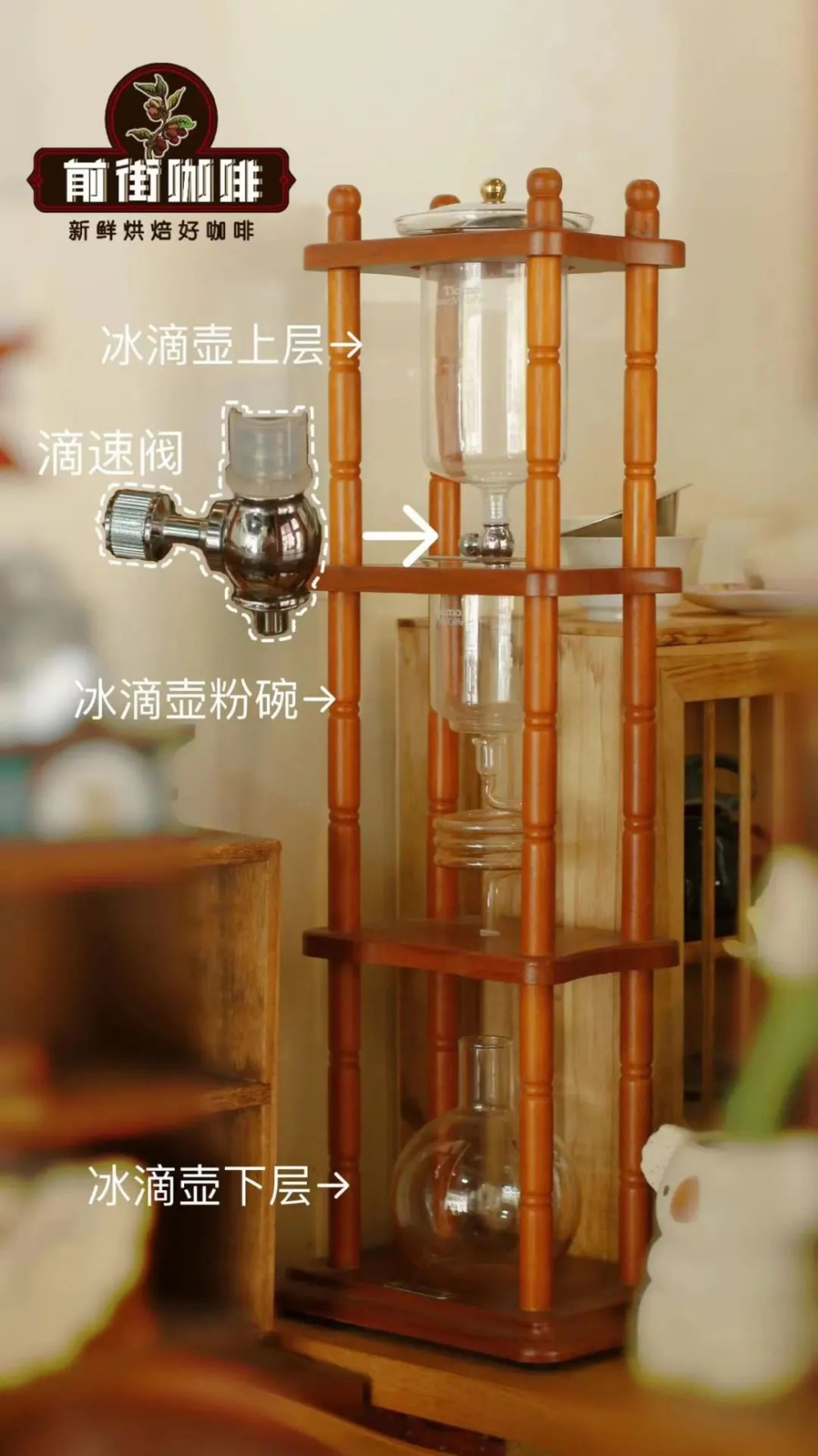
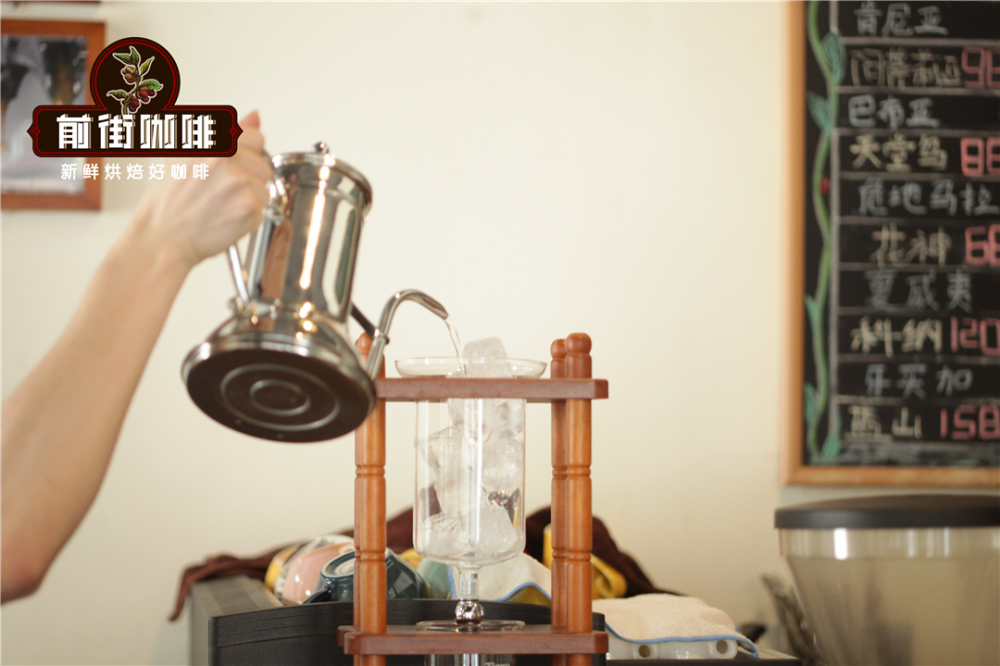
A typical cold drip coffee setup consists of three parts: the top vessel, middle vessel, and bottom vessel. The top vessel holds the ice water or cold water mixture, the middle vessel contains the filtered and ground coffee, and the bottom vessel collects the final coffee liquid. First, close the water flow valve at the bottom of the top vessel and pour in the prepared cold or ice water. Then, place filter paper at the bottom of the middle vessel, add an appropriate amount of ground coffee evenly, gently tap to level the coffee bed, and cover with another layer of filter paper to ensure proper filtration.
Once prepared, open the water flow valve of the top vessel and adjust the dripping rate to 40–50 drops per minute. This speed allows the coffee grounds to fully absorb the ice water and gradually release their flavors. Then, let the ice water slowly drip down via gravity. After several hours of stable extraction, the whole process is best carried out in a low-temperature environment of around 5°C, which helps enhance the delicate nuances and layered complexity of the flavors. Once the water in the top vessel has completely dripped through, you can remove the bottom vessel, completing the cold drip coffee.
To enjoy the best flavor of cold drip coffee, it’s recommended to bottle the extracted coffee liquid and store it in the refrigerator. Based on experience, the flavor of cold drip coffee is richest between the 3rd and 7th day after brewing, with balanced acidity and sweetness and a complex layered profile reminiscent of aged liquor—this is the golden period for tasting. However, since cold drip coffee may still be affected by external factors during prolonged storage, it’s best to drink it as soon as possible if not necessary, to enjoy the highest quality flavor experience.
Not all coffee beans are suitable for making cold drip coffee. Since the cold drip process emphasizes flavor layers and subtlety, it’s recommended to choose light to medium roasted single-origin beans with distinct fruit notes and prominent aromas. Below are four recommended specialty coffee beans ideal for cold drip extraction. Each of these beans has its own unique characteristics, showcasing the distinctive charm of the cold drip brewing method.
Hua Kui Coffee: This high-altitude-grown coffee, surrounded by sugarcane and banana plantations and processed using the natural sun-drying method, boasts intense berry and creamy aromas, with a smooth mouthfeel and bright acidity. It’s highly suitable for cold drip extraction, fully showcasing its unique fermented flavors.
Kenya Little Tomato: Using the K72 double-washed fermentation process, this bean is known for its vibrant berry acidity. It delivers a sweet-tart flavor reminiscent of cherry tomatoes and black plums, with a creamy, sweet aftertaste, making it perfect for cold drip enthusiasts who enjoy balanced sweet and sour profiles.
Sidamo Coffee: From the Boundary Line Estate in Colombia’s Huila region, grown at an altitude of 1700 metersand processed with a double anaerobic natural sun-drying method. This coffee bean exhibits intense aromas of passionfruit, grape, and dried fruit, paired with the refreshing acidity of pomelo and an almond aftertaste. It has clear layers and excellent lingering sweetness.
Flower Butterfly Coffee: A Geisha hybrid bean from Panama’s Boquete region, composed of the Geisha, Caturra, and Catuai varieties in a ratio of approximately 70% Geisha. Thanks to the local volcanic soil and significant day-night temperature variation, this coffee, when brewed via cold drip, reveals fresh citrus, honey, berry, and green tea notes. It has a delicate flavor and rich layers, making it an excellent choice for advanced cold drip enthusiasts.
The above content is compiled by CoffeeHunters, a coffee news website.


