







Introduction:To experience the natural flavors of pour over coffee, choosing the right coffee beans is key. This article takes an in-depth look at three classic single-origin beans from Indonesia’s Mandheling, Colombia’s Huila, and Ethiopia’s Yirgacheffe, analyzing their differences in acidity, sweetness, and bitterness. It also explores the unique characteristics of Sumatra’s Lintong Mandheling, including its growing region, wet-hulling process, and historical anecdotes, to help beginners find their most flavorful match.
The most fascinating aspect of pour over coffee lies in its ability to faithfully present the regional flavors and processing traits of the beans themselves. If you wish to experience the most authentic layers of coffee through pour over, selecting the right single-origin bean is the first step to success. Compared to blends, which are often used for espresso or Italian-style coffee, single-origin beans better highlight the unique characteristics of different regions—especially well-suited for filtered extraction methods like pour over.
For those new to pour over, a common question is “Which bean should I choose?” A good approach is to start with your flavor preference. For example, if you enjoy bright fruity acidity, try Yirgacheffe; if you prefer a rich, bold profile with spicy and herbal notes, Mandheling is a great choice; and if you’re looking for something balanced, with nutty and chocolatey tones, Colombia’s Huila is highly suitable. These three beans are all classic varieties recommended by many baristas for beginners.
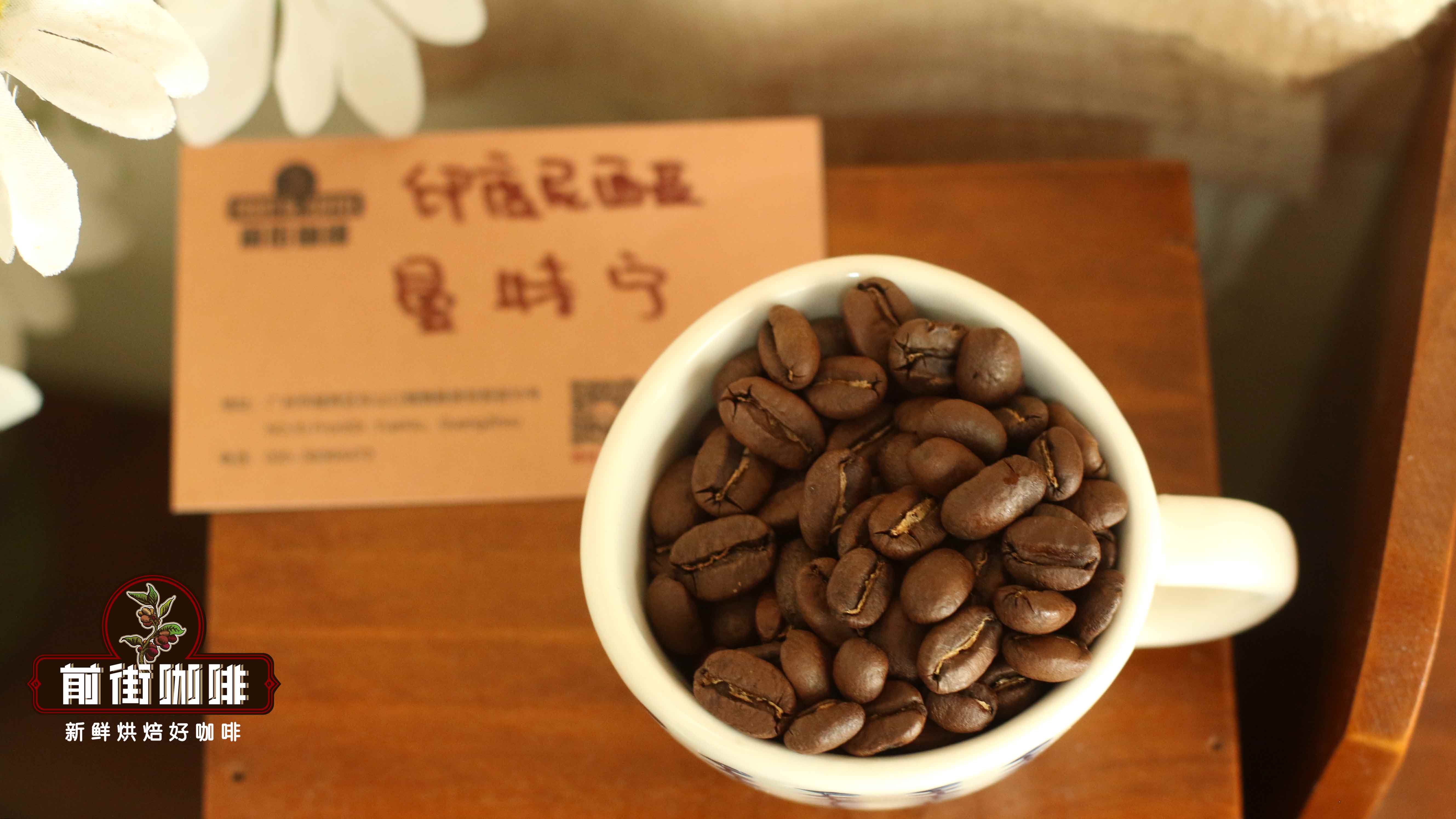
First up is the bean from Colombia’s Huila region. This bean typically has a neutral base, with flavors centered around nuts and chocolate. It has gentle acidity and subtle bitterness, making it ideal for those who prefer a stable and consistent taste. Next is Indonesia’s Sumatra Lintong Mandheling, processed using the traditional wet-hulling method. This gives the bean a bold, full-bodied feel, with flavors often including toasted bread, nuts, pine, and caramel, along with a distinctive herbal note. The bitterness is more pronounced, but the body is excellent. Finally, there’s Ethiopia’s Yirgacheffe, known for its bright acidity and floral aroma. It features lively acidity, low bitterness, and often showcases tropical fruit notes such as citrus and blueberry—making it a top choice for those who enjoy a refreshing cup.
These three beans represent the three main flavor profiles—acidic, balanced, and bitter. To compare them directly, you can brew them using the same parameters and taste them in sequence. This will allow you to clearly perceive their differences and identify your preferred flavor type. Whether you’ve just started with pour over equipment or want to expand your flavor experience, these three beans are classic choices worth collecting.
When talking about Mandheling, one must mention its origin—the Lintong region of Sumatra, Indonesia. Sumatra is one of the world’s most renowned coffee-growing regions, alongside Java and Kalimantan as the three major coffee islands of Southeast Asia. Lintong is located near Lake Toba in northern Sumatra and is one of the key Mandheling-producing areas. The region sits at an altitude of approximately 1,100 to 1,600 meters, offering a high-altitude cultivation environment that helps coffee cherries ripen slowly and accumulate richer flavor compounds.
Lintong Mandheling is mostly processed using the traditional wet-hulling method. In this technique, after removing the outer skin and pulp of the coffee cherry, the beans are left with their mucilage for a short fermentation period before the parchment layer is removed while still moist, allowing for rapid drying. This method gives Mandheling its distinctive bold body and low acidity, along with flavors often featuring strong herbal, spicy, and woody notes. Additionally, another well-known region in Sumatra is Lake Tawar in Aceh. Mandheling from here tends to have brighter acidity compared to Lintong, occasionally showcasing delicate woody or cedar-like aromas. While the flavor profile is slightly different, it similarly offers a rich and layered cup—commonly referred to as the “Two Lakes, Two Mandhelings.”
As for the origin of the name “Mandheling,” it actually stems from an interesting historical anecdote. During World War II, when Japan occupied Indonesia, a soldier visited a coffee shop and tried an exceptionally aromatic cup of coffee. Curious, he asked the shop owner the name of the coffee. Due to a language barrier, the owner misunderstood the question as being about where he was from, and replied: “Mandailing” (the local term for people from Sumatra). After the war, the soldier, recalling the name, requested an Indonesian coffee trader to send 15 tons of coffee to Japan. It became hugely popular, and from then on, the name “Mandheling” stuck, eventually becoming synonymous with high-quality coffee from Sumatra.
In summary, the charm of pour over coffee lies in its ability—through simple tools—to fully showcase the origin flavors of each coffee bean. No matter which flavor profile you prefer, whether it’s the classic Mandheling, the refreshing Yirgacheffe, or the balanced Huila, you can find your own coffee story in the pour over process. We recommend starting with these three classic single-origin beans and gradually exploring more possibilities to enjoy the pure pleasure that pour over brings.
The above content is compiled by CoffeeHunters, a coffee news website.


