







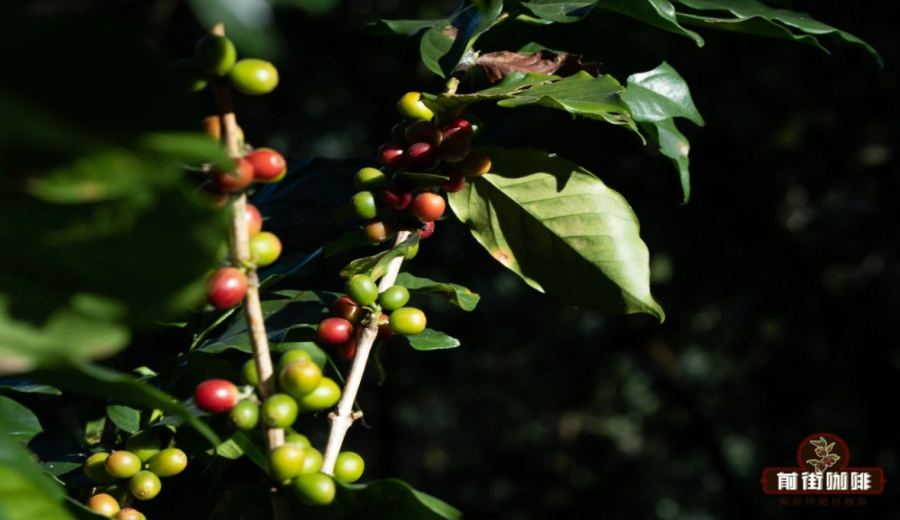
Introduction:Yunnan small-grind coffee has long been misunderstood as a cheap raw material, yet it actually harbors immense potential. This article delves into its varietal origins, the characteristics of its six major producing regions, its unique flavor profile, and provides professional pour-over recommendations along with precise extraction parameters to help you gain a deeper understanding of this coffee bean from the Yunnan Plateau and explore its transformation from an everyday variety to a specialty-grade offering.
In the past, Yunnan coffee was mostly used as a base ingredient for instant drinks, often leaving an impression of average quality. However, with the rise of the domestic specialty coffee culture, the small-grind coffee grown on this highland has gradually revealed its unique charm. Many coffee enthusiasts, upon their first encounter, often wonder: what exactly is “small-grind coffee”? Does it have specialty potential? Where are its main growing regions located? The following will detail the varietal background, core regional characteristics, and flavor features of Yunnan small-grind coffee.
The so-called “Yunnan small-grind” mostly refers to Arabica coffee. This name is primarily used to clearly distinguish it from the medium-grind variety—namely Robusta—grown in Hainan Province. As early as 1904, French missionary Téodore Monod planted the first coffee tree in Zhugula Village, Binchuan, Yunnan, thus initiating the local history of coffee cultivation, which has now spanned over a century. The true shift toward commercial-scale cultivation dates back to the 1950s. At that time, Professor Qin Renchang from the Institute of Botany, Chinese Academy of Sciences, discovered plants bearing red fruit in the courtyards of Dai households in Luxi County, Dehong Prefecture. These were identified as small-grind variety coffee, which was subsequently trial-planted in Mangshi Forest Farm and Luxi Basin, Baoshan City, laying the foundation for China’s new coffee industry.
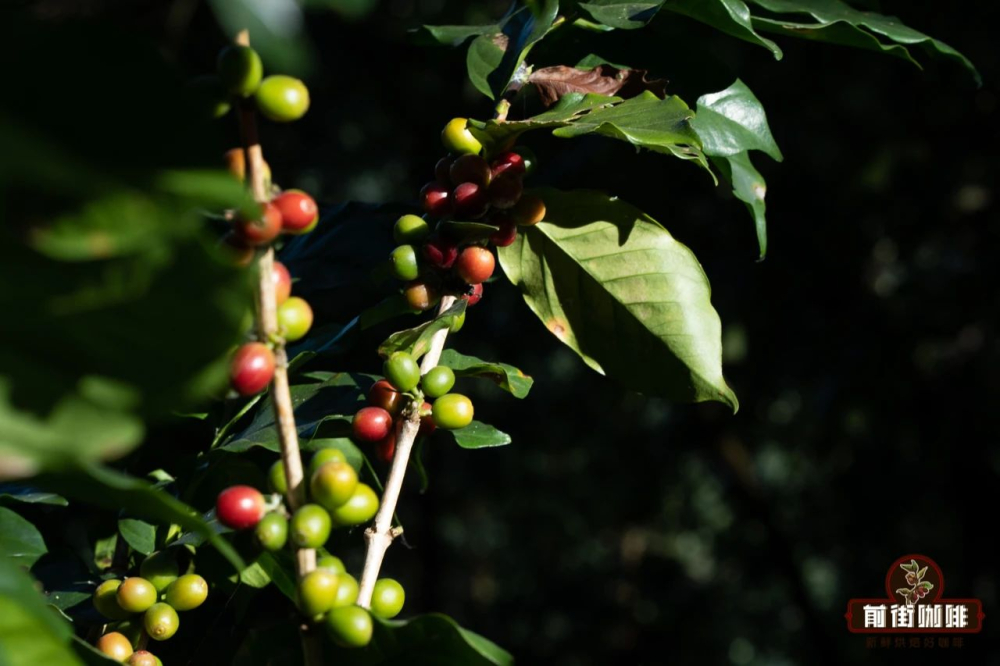
Before the 1960s, Yunnan mainly cultivated two classic Arabica varieties: Typica and Bourbon. However, during the 1970s and 1980s, global coffee-growing regions faced a severe threat from coffee leaf rust, prompting the industry to seek more resistant varieties. In 1990, driven by Nestlé, Yunnan introduced the Catimor variety, a hybrid offspring of Arabica and Robusta carrying approximately 25% Robusta genes. Not only is it highly disease-resistant and high-yielding, but it also adapts better to the local environment. However, in the early stages, due to limited processing techniques among farmers and suboptimal flavor profiles, the large quantities of Catimor beans produced were often used for mass-market blends or instant coffee production.
Although the Catimor variety exhibits relatively modest flavor characteristics, it boasts stable yields and good disease resistance. Observations show that Catimor coffee grown in Yunnan typically presents notes of nuts, brown sugar, and plums, with an overall balanced and straightforward taste profile, making it suitable for consumers who prefer milder flavors. Despite past mixed reviews, advancements in cultivation and post-harvest processing techniques have enabled some estates to demonstrate surprising potential.
Currently, Yunnan’s main coffee-growing regions span eight areas including Pu’er, Baoshan, Dehong, Lincang, Nujiang, and Xishuangbanna, with the first six being core producing regions. These areas benefit from low latitude, high altitude, and significant diurnal temperature variations, providing ideal growing conditions for Arabica. In particular, core regions such as Baoshan and Pu’er, owing to their unique microclimates and soil conditions, produce specialty coffees with distinct regional characteristics. The area has successively been awarded five geographical indication protection certifications, including “Baoshan Small-Grind Coffee,” “Zhukula Coffee,” “Dehong Small-Grind Coffee,” “Pu’er Small-Grind Coffee,” and “Simao Coffee,” underscoring its quality potential.
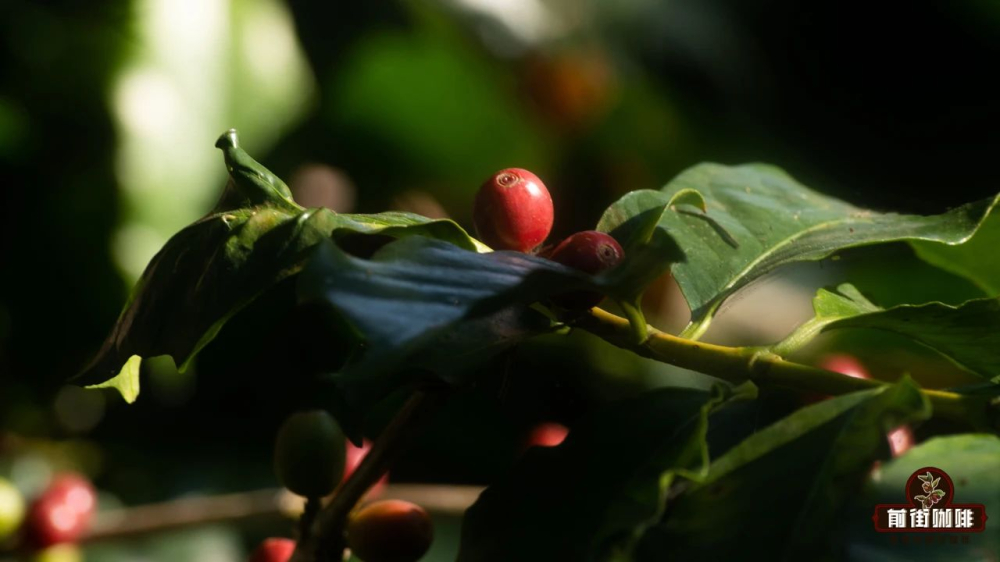
Take Baoshan’s Luxi Basin as an example. This region features a low-latitude mountainous subtropical monsoon climate, where complex terrain creates a three-dimensional climate with “four seasons on one mountain and different weather within ten miles.” The average annual temperature remains between 14–17°C, with significant daily temperature fluctuations. Annual rainfall ranges from 700 to 2100 mm, concentrated during the rainy season, creating optimal conditions for sugar accumulation and flavor development in coffee cherries, resulting in the unique aftertaste of Baoshan small-grind coffee.
Beyond mainstream varieties, a certain coffee brand established its own estate in Lincang and launched an exclusive coffee bean based on the traditional Typica variety, using the natural sun-drying processing method, named “2013.” The choice of Typica was due to its elegant and pure flavor, though it is relatively low-yielding and weak in disease resistance, requiring more effort in cultivation and management. From site selection and seedling cultivation in 2013, through five to six years of careful nurturing, the first harvest finally took place in 2020. Processed using the natural sun-drying technique, it delivers a light and mild taste, winning the favor of many coffee enthusiasts.
The Lincang region, influenced by the warm, moist air currents of the Indian Ocean and the southwest monsoon, though lacking distinct seasonal boundaries, has clear dry and rainy seasons, abundant sunshine, and short frost periods. Some highlands are even frost-free year-round. Coupled with a pronounced three-dimensional climate, it provides another ideal growing environment for Arabica. This brand specifically selected the most original Typica variety and insisted on sun-drying processing to preserve more fruity and sweet notes.
Regarding brewing recommendations, this sun-dried Typica coffee bean undergoes a natural drying process, which requires uniform sun exposure under continuous clear weather and regular turning to avoid uneven fermentation. When the coffee cherries dehydrate from bright red to dark purple and reach the ideal moisture content, they can then be hulled and packaged. In terms of roasting, to balance rich aroma with moderate acidity, the brand recommends a medium roast level and showcases its delicate layers through pour-over brewing.
It is recommended to use a V60 filter cone, paired with a medium-fine grind size (with a target of approximately 75% passing through a #20 sieve), and extracted at a water temperature of 90°C. The precise parameters are set as follows: 15 grams of coffee grounds, a coffee-to-water ratio of 1:15, for a total of 225 grams of water. A three-stage pouring method is employed—first, using double the amount of coffee grounds’ weight in water (about 30 grams) for the bloom, lasting 30 seconds; then, pouring with a small stream in a circular motion from the inside out until reaching 125 grams for the first pour. Once the coffee bed drops to the middle of the filter cone, continue pouring with the same fine stream up to 225 grams. The total extraction time is about 2 minutes, helping to fully showcase the balanced taste and layered flavors of Yunnan small-grind coffee.
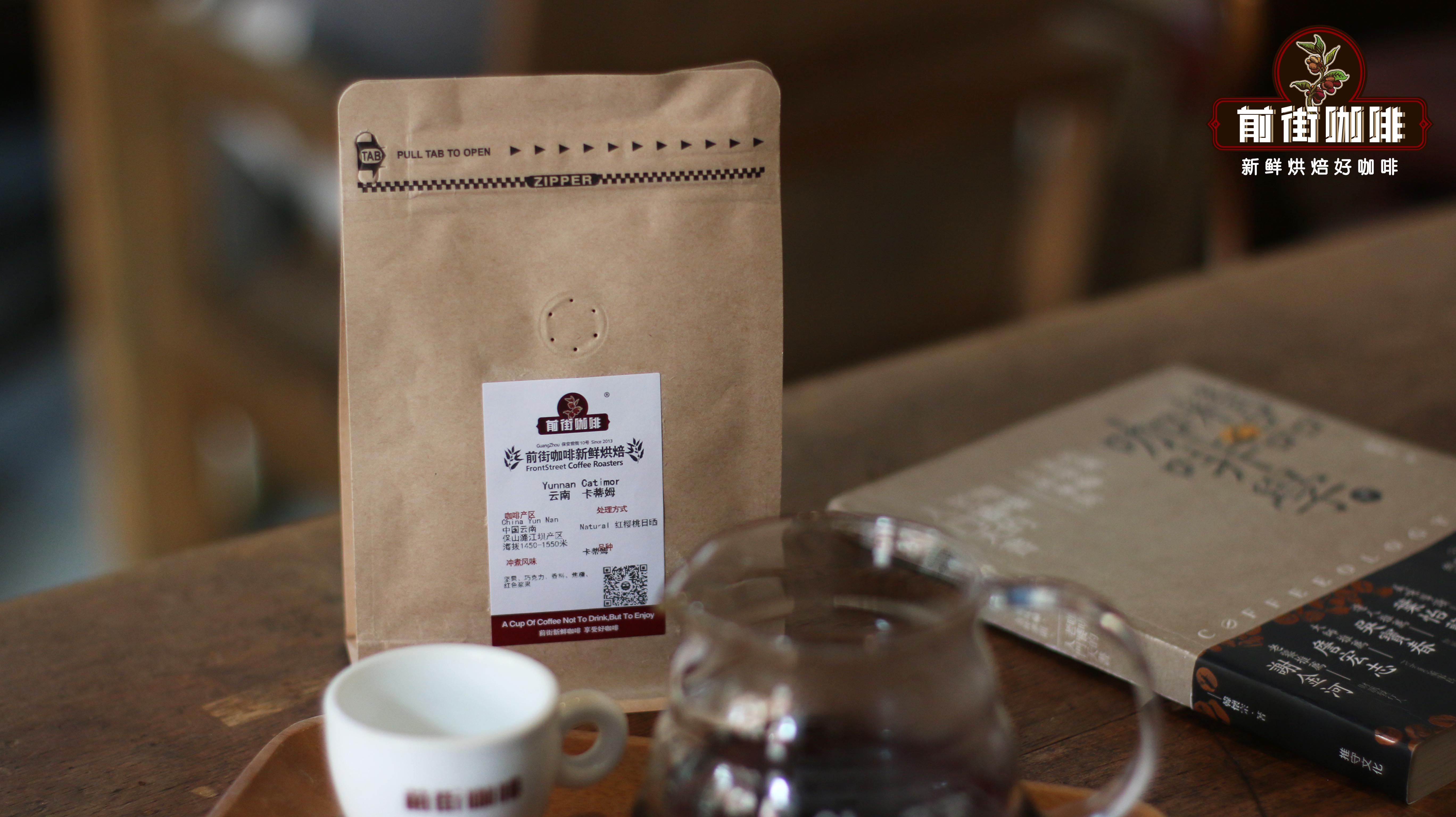
The above content is compiled by CoffeeHunters, a coffee news website.


