







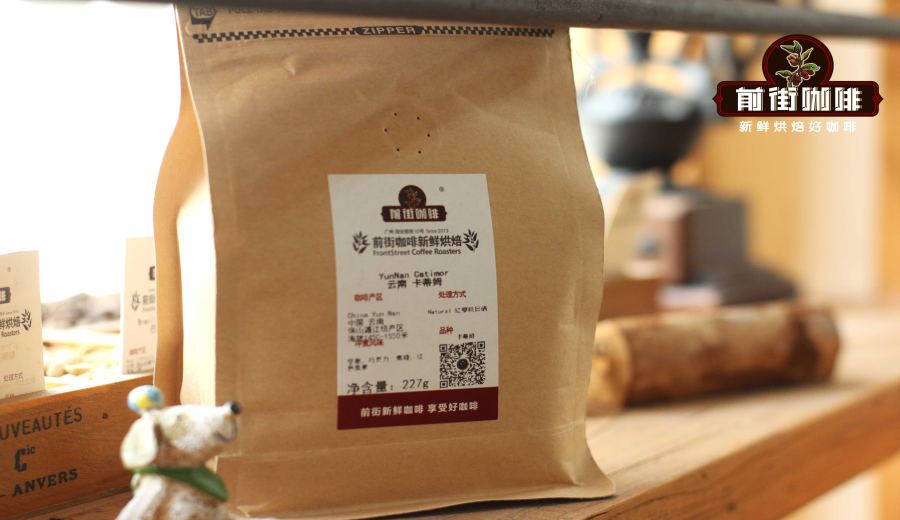
Introduction:Yunnan small-grain coffee has repeatedly stepped onto the international stage in recent years, showcasing remarkable potential and distinctive flavor characteristics. This article delves into the historical background of Arabica cultivation in Yunnan, explores the differences between major varieties—including the evolution of Catimor and Typica—and details how the natural conditions of key producing regions such as Lincang and Baoshan influence flavor profiles. Additionally, it compiles the flavor characteristics and recommended brewing methods for three representative Yunnan beans, offering a comprehensive introduction to the unique charm of this Eastern coffee-growing region.
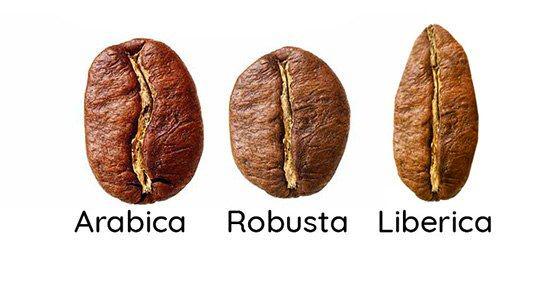
In recent years, Yunnan small-grain coffee has frequently appeared in international competitions and evaluation events, not only earning widespread acclaim but also prompting a reevaluation of the development potential of China’s specialty coffee. So, what exactly is “small-grain coffee”? In fact, it traditionally refers to Arabica, which was so named in the early days because its cherries were smaller in size compared to those of Robusta and Liberica. As the market matured, the Arabica grown in Yunnan gradually became the representative “small-grain coffee” of the region, gaining attention for its unique terroir expression.
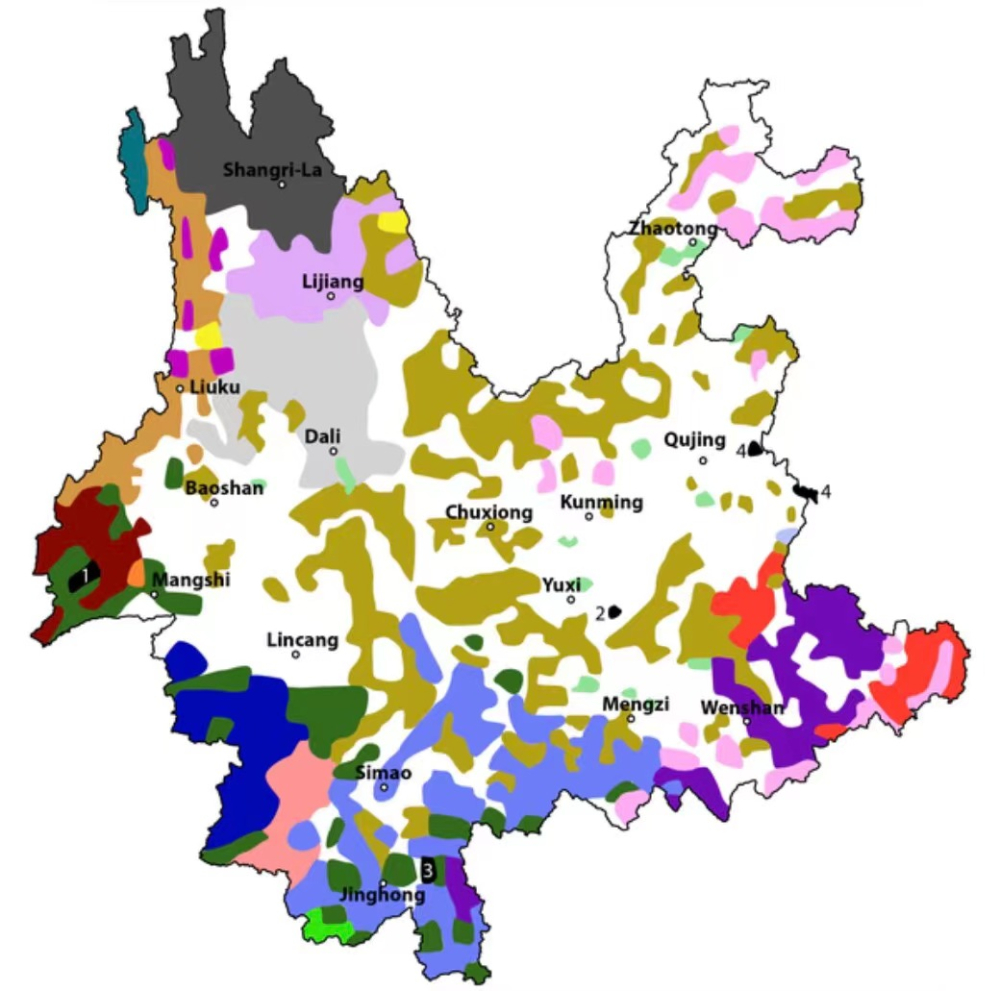
High-altitude areas across Yunnan are suitable for growing Arabica, with regions such as Lincang, Baoshan, Simao, Xishuangbanna, Dehong, and Nujiang—particularly at elevations between 1,000 and 1,500 meters—delivering the most outstanding results. The high altitude creates significant diurnal temperature variations, slowing the growth of coffee trees and facilitating the accumulation of sugars and aromatic compounds, thereby yielding richer and more layered flavors. As early as 2014, Yunnan’s coffee planting area and production accounted for over 99% of the national total, demonstrating its solid position as China’s primary coffee-producing region. Take Baoshan’s Luxi Dam as an example, where the average annual temperature is around 21.5°C, with highs that can exceed 40°C, and almost no frost throughout the year, providing ideal thermal conditions for coffee cultivation.
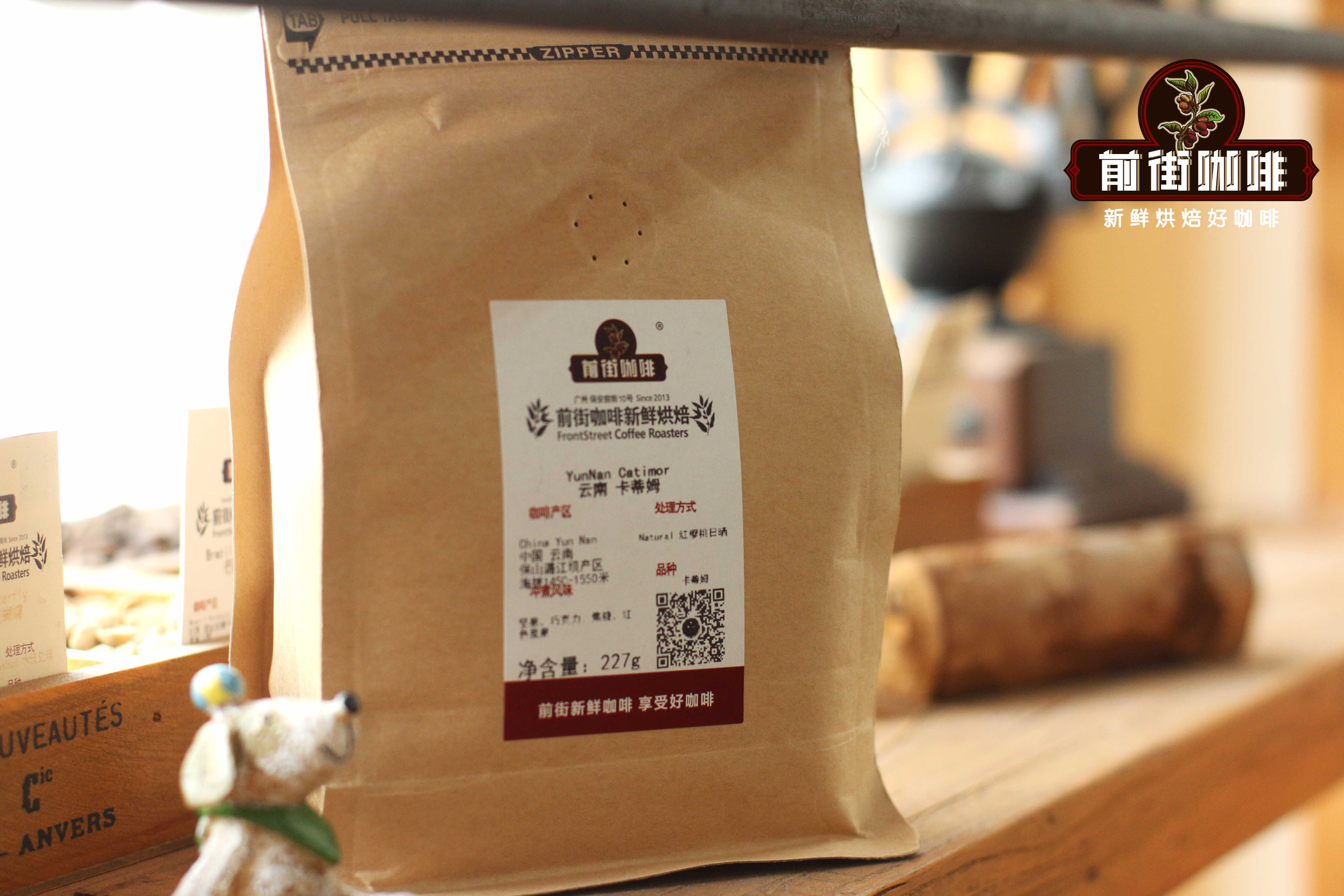
Currently, the most widely planted variety in Yunnan is Catimor, a hybrid with Robusta genetics known for its strong disease resistance and high yield. This variety originated in 1959 when Portugal’s CIFC research center crossed Timor—which carries Robusta genes—with the Bourbon variety Caturra, aiming to combat the leaf rust epidemic plaguing Central and South America at the time. By the 1980s, the variety gained promotion, and in 1988, Nestlé introduced it to Yunnan, which also helped revive local coffee cultivation and establish it as a key link in the supply chain.
However, due to its Robusta lineage, Catimor’s flavor profile is often considered less refined, leading many to associate Yunnan coffee with “industrial-grade beans” or “instant coffee raw materials.” In reality, with the right processing methods and meticulous roasting, Catimor from Yunnan can exhibit the potential for nutty, caramel, and dark fruit notes. Moreover, one coffee brand has been experimenting with traditional purebred Typica and a small amount of Bourbon in Lincang since 2013, returning to a purer Arabica lineage and launching experimental products in its stores.
Typica is regarded as one of the oldest Arabica varieties, known for its bright and clean acidity with a clear flavor profile, and was once the mainstay of many traditional specialty coffee regions. Choosing to grow Typica in Yunnan is not only due to its historical roots (it was first introduced by French missionaries) but also because this variety better reflects the region’s terroir, highlighting a distinctive sense of place. It’s worth noting that although Catimor has faced skepticism due to genetic concerns, improvements in scientific cultivation and post-harvest processing have enabled today’s Yunnan-grown Catimor to demonstrate surprising layers and balance even in traditional washed or natural processing methods.
To personally experience the diverse profiles of Yunnan coffee, the following three representative beans are worth trying: First is “a certain brand’s 2013 Natural Typica Coffee Beans,” which emphasizes pure Arabica genetics, offering a clear flavor with balanced acidity and sweetness, and a lingering finish of mellow caramel and stone fruit notes; next is “Selected Regional Staple Bean—Yunnan Baoshan Washed Catimor Coffee Beans,” a high-value option presenting a classic combination of nuts and dark chocolate, suitable for everyday drinking; finally, there’s “Fully Red Cherry Natural—Baoshan Luxi Dam Catimor Coffee Beans,” which, through whole red cherry selection and natural processing, delivers more intense berry acidity while retaining the distinctive rich base note of the Yunnan region.
For these three Yunnan-produced coffee beans, a balanced brewing approach is recommended, without deliberately amplifying acidity or a strong finish. It is suggested to use 15 grams of coffee grounds with a 1:15 coffee-to-water ratio (adjustable to 1:16 for a lighter profile), a V60 dripper, and a water temperature of 88°C to help soften acidity and enhance sweetness. The grind size should be medium-fine, roughly equivalent to granulated sugar particles, or calibrated to a 75% extraction rate through a #20 sieve.
The specific brewing steps are as follows: First, pour 30 grams of water for a 30-second bloom to activate the coffee’s aroma; then, pour in a slow, circular motion until reaching 125 grams, and when the water level drops by about half, continue pouring to a total of 225 grams. Maintain a steady flow rate throughout the process, allowing the coffee to fully drip through in approximately 2 minutes and 10 seconds to achieve optimal extraction balance. With these parameters and techniques, the multi-layered flavor characteristics of Yunnan small-grain coffee can be more fully presented, whether bold or delicate, allowing you to savor every nuance in the cup.
The above content is compiled by CoffeeHunters, a coffee news website.


