







Introduction:Golden Mandheling is hailed as Indonesia’s top-tier specialty coffee, yet its true identity and flavor profile are often misunderstood. This article delves into the Golden Mandheling produced by PWN, exploring everything from the Lintong growing region in Sumatra and the Ateng variety to the wet-hulled processing method and roasting strategy—helping you uncover the unique charm of this classic dark roast bean. It also offers professional pour-over recommendations and a flavor profile, providing practical insights for both beginners and seasoned coffee enthusiasts.
Within the landscape of Indonesian specialty coffee, Golden Mandheling is undoubtedly an iconic presence. However, it’s worth noting that only Mandheling beans produced to the “golden” standard by Indonesia’s PWN company truly earn the title. This article will systematically break down this beloved dark roast bean—from the growing environment and variety background to the processing method, roasting, and extraction—along with practical pour-over parameters to help you better understand and appreciate its distinctive flavors.
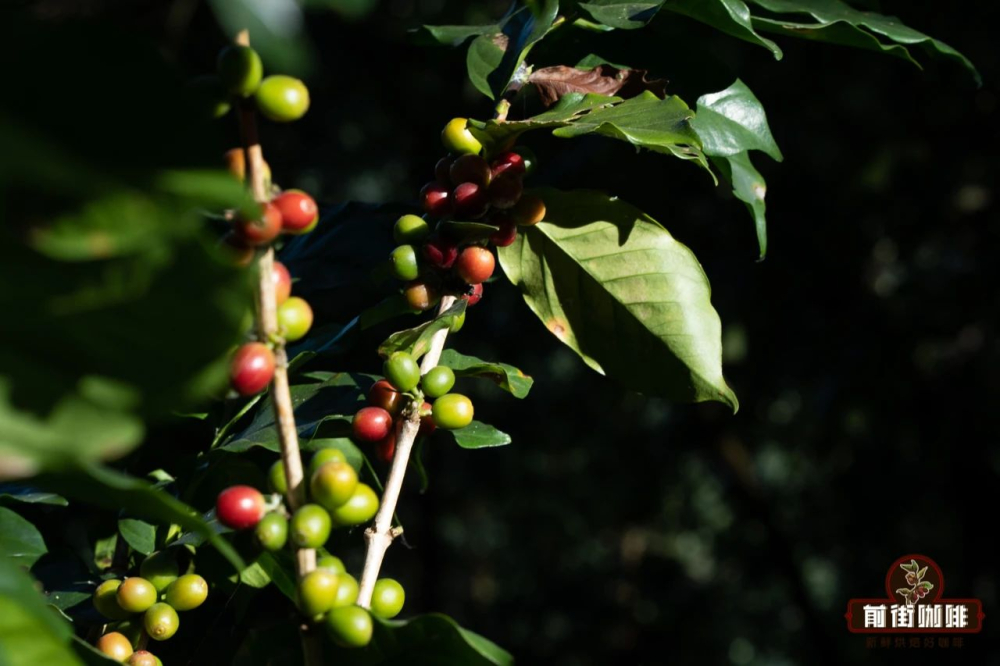
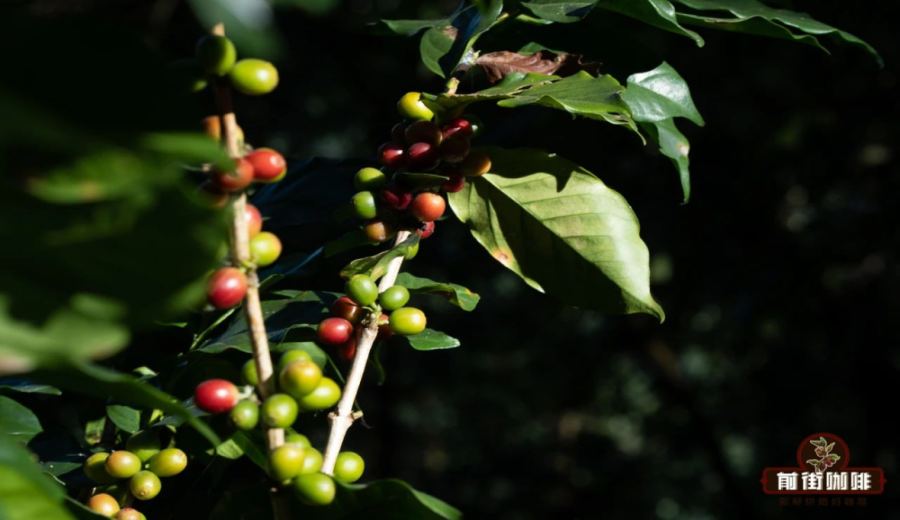
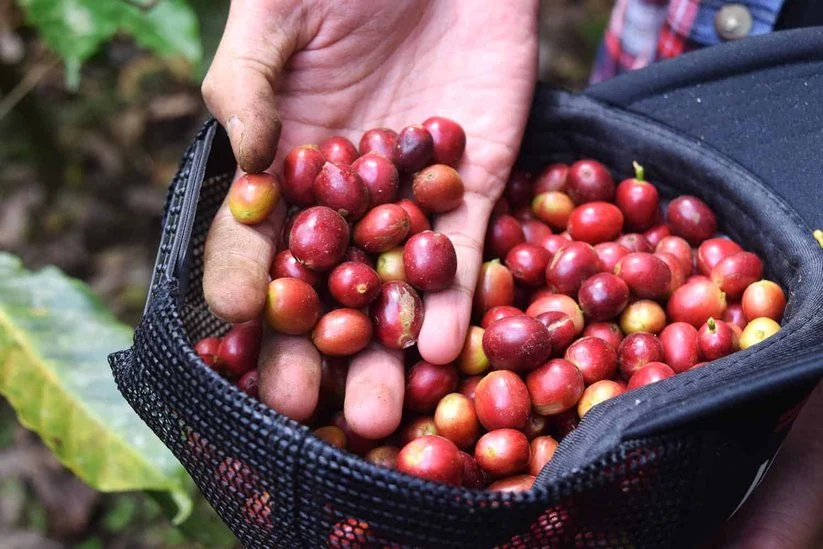
Golden Mandheling is primarily grown in the Lintong region of northern Sumatra, at elevations between 1100 and 1600 meters. The area enjoys a humid climate with significant day-night temperature variations, offering ideal conditions for coffee cherry development. Notably, PWN insists on handpicking only fully ripe red cherries during harvest to ensure each coffee fruit is in optimal condition. After harvesting, the beans undergo semi-washed processing, followed by natural sun drying. Once the parchment is removed, the beans go through secondary refining and multiple rounds of manual sorting—this rigorous process results in a low defect rate and high consistency.
PWN (Pawani), a long-established green bean trader in Indonesia, has been dedicated to the procurement and development of Mandheling varieties since its founding in 1957. Interestingly, the company originally traded in rubber and only began focusing on sourcing Arabica beans that catered to Japanese taste preferences due to a collaboration opportunity with Japanese buyers. Eventually, they discovered the prototype of today’s Golden Mandheling in the Gayo highlands of Aceh Province. It’s worth mentioning that the so-called “Ateng variety” is actually the local colloquial name for Catimor, a hybrid of Arabica and Robusta. Though it lacks the flavor complexity of pure Arabica, the wet-hulling method enhances its bold and full-bodied characteristics.
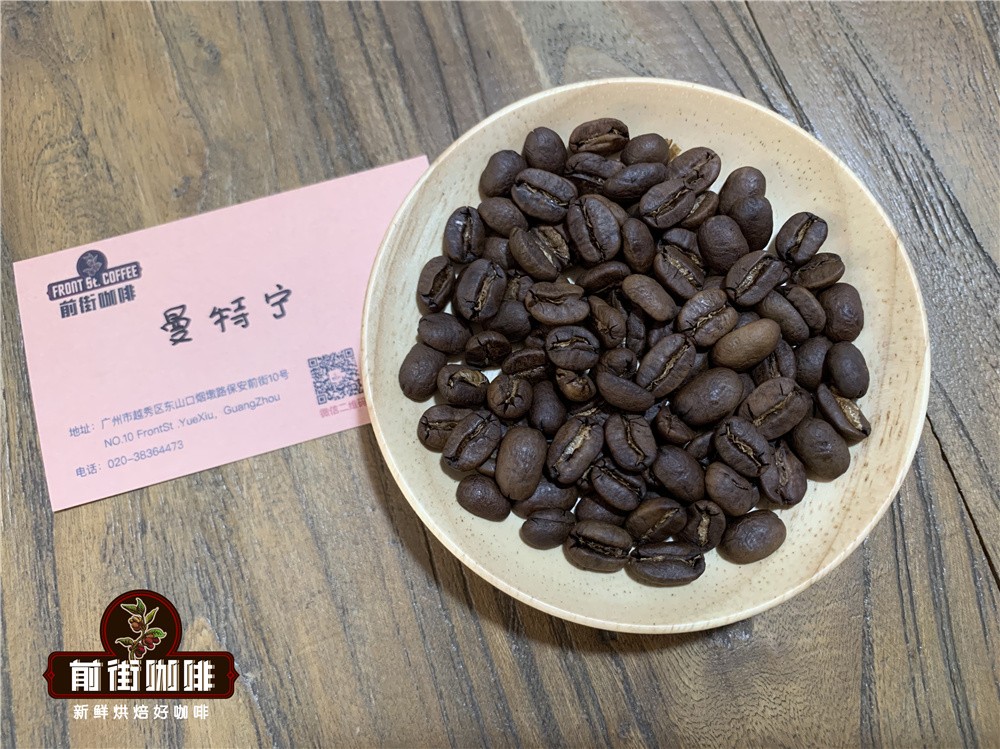
When it comes to what makes Golden Mandheling unique, its high-standard sorting process cannot be overlooked. Even though it already qualifies as Indonesia’s highest grade, G1, PWN conducts an additional three rounds of manual selection to ensure each green bean meets the highest standards in appearance and defect rate. This meticulous selection process results in Golden Mandheling beans that are not only uniform in size and color but also cleaner and brighter in flavor, with pronounced sweetness and almost none of the earthy or off-flavors commonly found in typical Mandheling.
As for the processing method, Indonesia’s unique wet-hulling (Wet Hulling) technique is key to shaping the flavor of Mandheling. Designed for the region’s hot and humid climate, this method involves removing part of the moisture before hulling the parchment layer, followed by further drying. While this approach increases the risk of damage to the green beans, it unexpectedly imparts a low acidity, full body, and distinctive herbal and woody aromas. For Golden Mandheling, wet-hulling is not just standard—it’s a major contributor to its flavor profile.
Many coffee newcomers may wonder why most Mandheling on the market is medium to dark roasted. This is largely related to the higher defect rate brought about by the wet-hulling process. Since the beans are prone to being compressed or contaminated during processing, darker roasts can effectively mask these flavor flaws while highlighting rich notes of chocolate, caramel, and nuts. Additionally, Mandheling’s early popularity was heavily influenced by the Japanese market, making the Japanese-style dark roast the mainstream. However, some producers have recently experimented with medium-light roasts to bring out brighter fruit acids and herbal layers, though traditional enthusiasts still prefer the classic medium-dark flavor.
If you’re planning to brew this dark roast bean at home using pour over, we recommend using a Kono filter and keeping the water temperature around 88°C to reduce the risk of over-extraction. Suggested parameters include: 15 grams of coffee, a 1:15 coffee-to-water ratio, and a grind size of approximately 70% through a #20 sieve (medium-fine). The process involves a 30-second bloom with 30 grams of water, followed by a first pour to 125 grams with a slow circular motion, then continuing to 225 grams before stopping. The total brew time should be around 2 minutes. This method effectively highlights the rich nutty tones and sweetness of Golden Mandheling while avoiding excessive sourness or astringency.
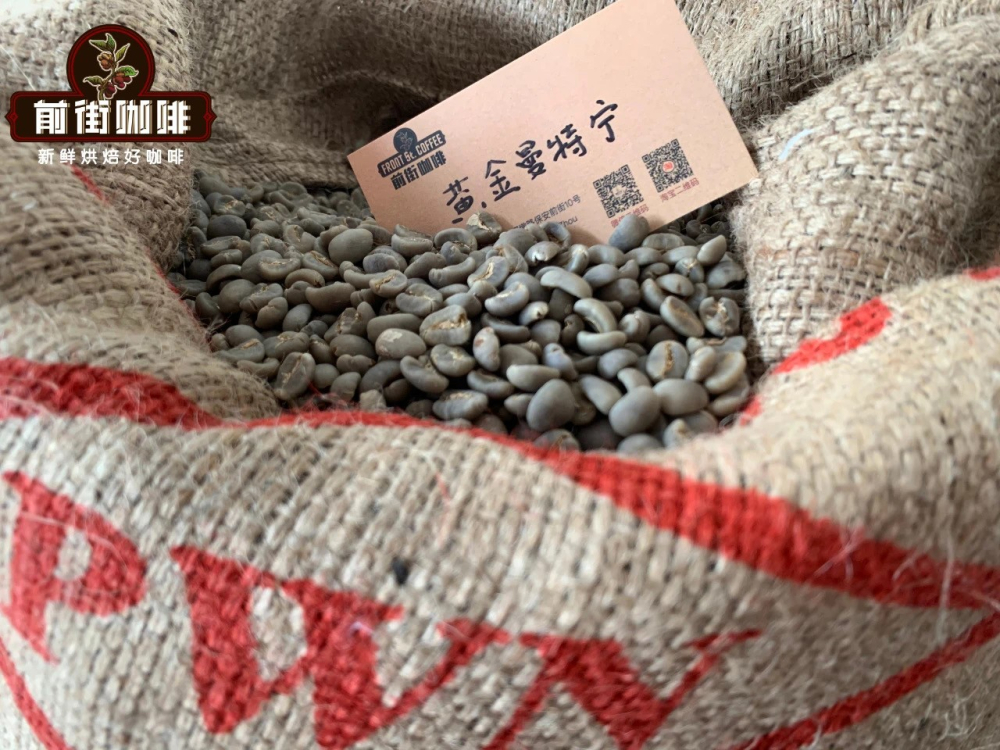
Overall, PWN Golden Mandheling delivers an outstanding flavor profile: the cup opens with a bold nutty and caramel aroma, hints of chocolate and a mildly sweet syrupy texture emerge mid-palate, and the finish is long and layered with excellent balance and a clean aftertaste. This coffee is not only enjoyable black but also pairs well with milk, showcasing another smooth and rounded flavor dimension.
Whether you’re a coffee beginner or a seasoned enthusiast seeking a full-bodied cup, understanding the origin, variety, processing, and roasting logic behind Golden Mandheling will help you more precisely appreciate and enjoy the charm of this classic Indonesian coffee. Remember, true Golden Mandheling comes exclusively from PWN—and that uniqueness is well worth savoring.
The above content is compiled by CoffeeHunters, a coffee news website.


