







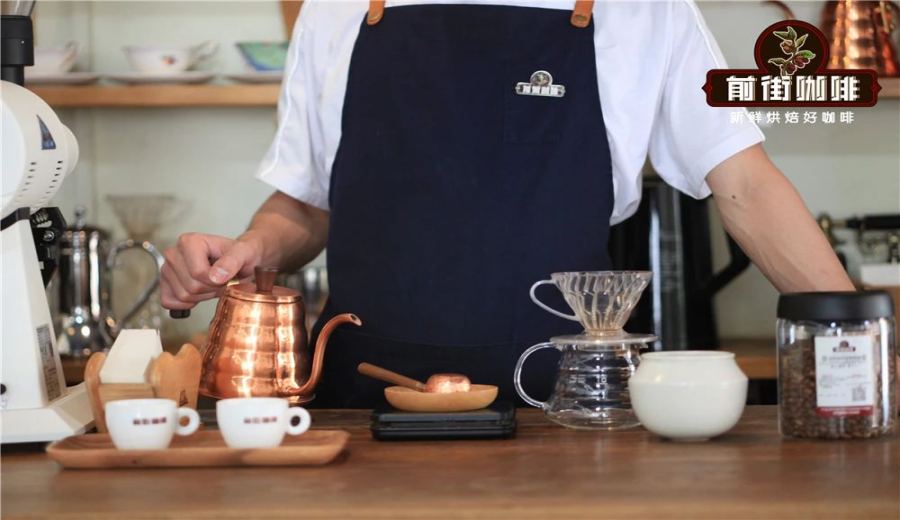
Introduction:Pour over coffee offers a rich array of flavors but demands certain requirements in bean selection and technique. This article is tailored for beginners, introducing the fundamental principles of pour over brewing and essential equipment, while also curating seven classic Arabica everyday-drinking beans from major producing regions—from Ethiopia to Yunnan, China—covering a diverse range of flavor profiles. It helps readers master stable extraction during the optimal flavor window and build a foundational understanding of regional flavor characteristics.
In recent years, an increasing number of coffee enthusiasts have grown dissatisfied with ready-to-drink options and have turned to brewing their own black coffee by hand. Though seemingly simple, pour over involves multiple steps—from bean selection and equipment preparation to actual brewing techniques—that significantly influence the final flavor. For newcomers, choosing high cost-performance, flavor-layered coffee beans is a crucial first step into the world of pour over.
The principle of pour over coffee essentially involves using water as a solvent, combined with appropriate grind size and brewing techniques, to effectively extract aromatic compounds from roasted coffee beans. Simply put, after grinding the beans to a medium-fine consistency, you control the water flow with a pour over kettle, evenly pouring hot water over the coffee grounds. This allows the water to fully interact with the grounds, extracting soluble substances, which are then filtered out through paper and the filter cone, ultimately yielding a clean, flavor-defined cup of black coffee.
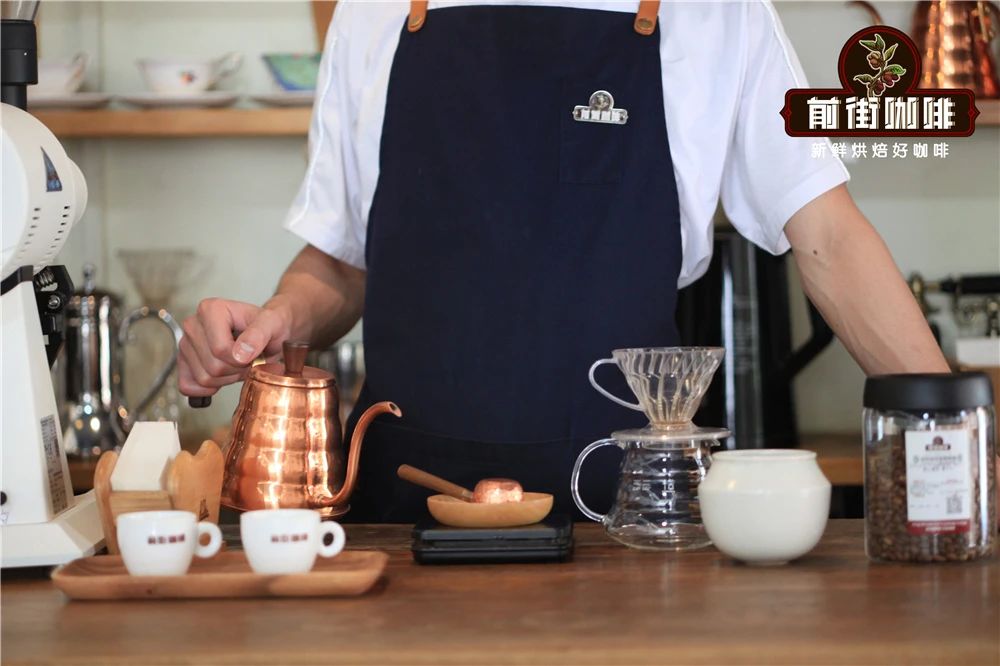
Throughout this process, every detail—from bean selection, grind coarseness, water temperature control, pouring method, to brew time—affects the extraction outcome. Therefore, to consistently brew a balanced pour over coffee with expressive flavors, besides using beans at their optimal flavor window (approximately days 4 to 30 post-roast), it’s recommended to prepare the following basic equipment: pour over kettle, filter cone and paper, server, grinder, digital scale, and thermometer. These tools not only enhance brewing consistency but also facilitate future fine-tuning based on different beans.
Bean selection is one of the most critical factors influencing flavor. Beginners are advised to start with high cost-performance, flavor-distinct everyday-drinking beans. This not only reduces the cost of trial and error but also helps familiarize with the typical taste profiles of different regions. Below are seven classic Arabica beans from globally renowned producing regions, each showcasing unique terroir and processing method characteristics—perfect for beginner practice.
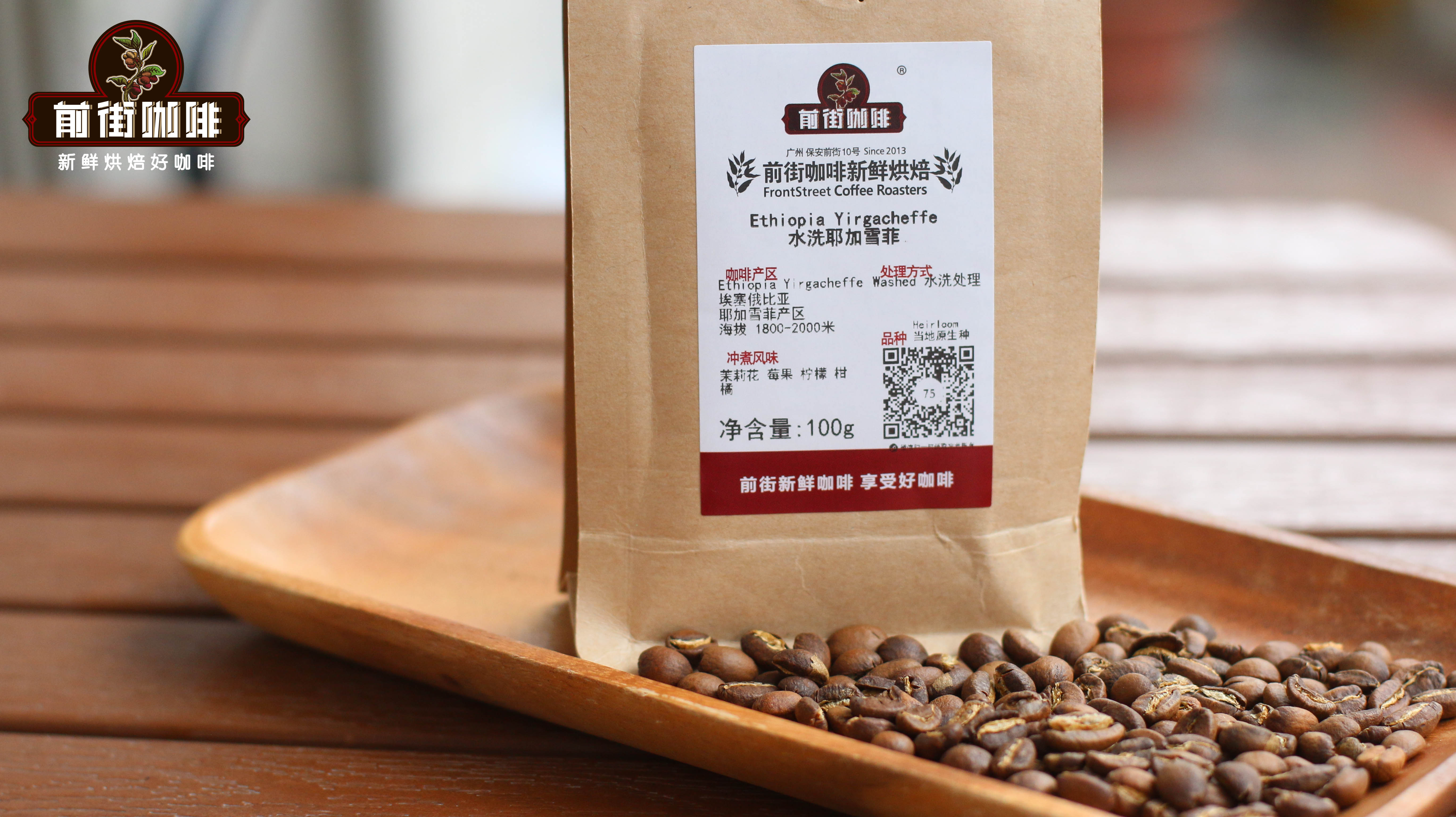
First up is from Ethiopia:Washed Yirgacheffe, known for its bright citrus and lemon acidity, elegant floral notes, and a refreshing tea-like body. The washed process enhances cleanliness and aroma clarity, while a light to medium roast preserves fruity acidity, making it ideal for those who prefer a clean and bright flavor profile.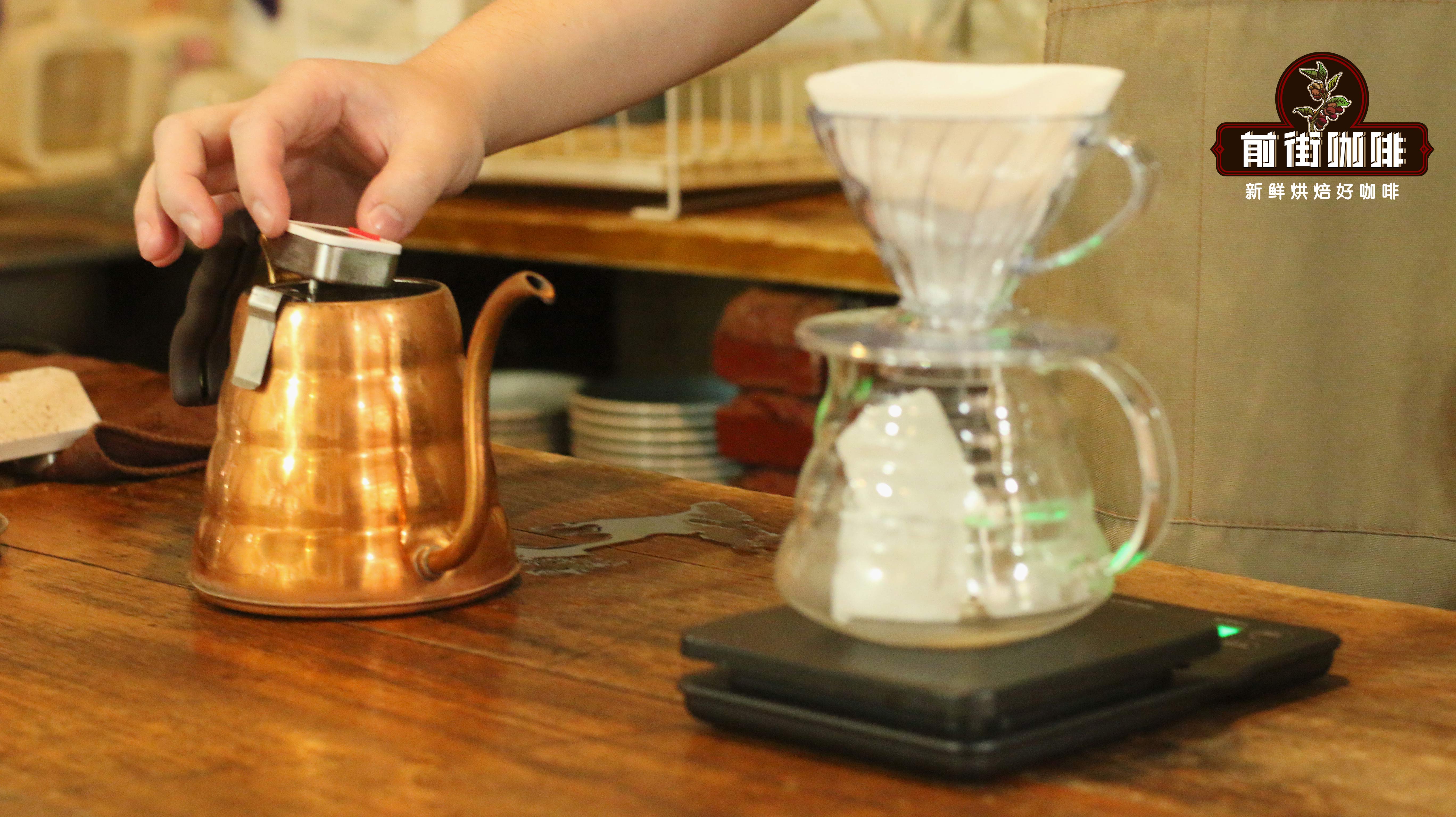
Next isGuatemala Huehuetenango, grown in high-altitude volcanic regions and processed using the washed method. It exhibits rich fruitiness and nutty tones, with a light to medium roast highlighting clear citrus and nut aromas. Its clean and layered profile makes it suitable for further exploring the robust character of Central American coffees.
From Colombia,Huila Coffeestands out for its balanced acidity and moderate body. Washed processing paired with a medium to dark roast delivers classic nutty and chocolatey flavors, appealing to those who enjoy a fuller mouthfeel.
Then there's Brazil'sCerrado Minas Gerais Red Bourbon Semi-Washed. Due to the relatively lower altitude of the producing region, the flavor profile doesn’t emphasize acidity as much, instead showcasing rich nuttiness and creamy tones. With a smooth mouthfeel and high balance, it’s often used as a base bean in espresso blends.
Costa Rica Tarrazúbenefits from high altitude and volcanic soil, offering diverse acidity and body. A blend of Caturra and Catuaí varieties, washed processing results in a more balanced and gentle cup, making it a great starting point for exploring premium Central American beans.
Indonesia’sLintong Mandhelingtakes a different flavor direction, utilizing the uniquewet-hulling (Giling Basah)process to deliver distinctive herbal, spicy, and woody notes. This special processing method gives the coffee a bold and heavy body, appealing to those who enjoy deeper flavor profiles.
Finally, we recommendBaoshan Washed Typica (Small Bean) from Yunnan, China, characterized by nutty, chocolatey notes and moderate acidity. A medium roast highlights sweetness and aftertaste, offering a window into the potential of domestically produced coffee, and satisfying those who prefer less flashy flavor profiles.
The above content is compiled by CoffeeHunters, a coffee news website.


