







Introduction:Blended coffee beans are the soul foundation of espresso, with the art of blending originating from Italian coffee shops and remaining to this day a core skill for professional baristas in crafting flavor profiles. This article takes an in-depth look at the definition, historical background, and practical logic of blended coffee, analyzing the technical differences between pre-roast and post-roast blending, and detailing the resting time and key extraction parameters for blended beans. It also introduces the characteristics of four classic Italian-style blended recipes, as well as how to use the pour over method to showcase the multi-layered flavors of blended beans. Ideal for enthusiasts and professionals who wish to gain a deeper understanding of blended coffee.
Walk into a coffee shop, order an espresso, and while many know it as a representative of Italian coffee culture, few delve into the key behind this rich drink—blended coffee beans. Blended coffee refers to a composite bean made by mixing beans from different regions, varieties, or even roast levels in specific proportions. It’s not simply a random mix of a few types of beans, but rather a precise mastery of each bean’s characteristics, adjusting the blend to achieve a balanced and stable flavor profile through a combination of science and experience.
Historically, coffee blending originated in Italy, where baristas gradually developed the technique of mixing beans with different flavor profiles to create an espresso that is rich, full-bodied, with a generous crema and consistent taste. Compared to single-origin coffees from a single region, the biggest advantage of blended beans is their ability to stabilize flavor, unaffected by the climate of a single harvest season, ensuring that the coffee produced each year maintains a similar taste profile.
The widespread use of blended coffee in espresso is inseparable from the characteristics of the espresso machine. Under high-pressure extraction, the espresso machine amplifies the most prominent flavor characteristics of the coffee beans. If a single-origin bean is used—such as the distinctly acidic Ethiopian Yirgacheffe or the overly bitter Indonesian Mandheling—it can easily result in an imbalanced cup, with acidity or bitterness overpowering the cup. In contrast, blended beans, through the complementary flavors of multiple beans, can create a more rounded, balanced, and layered taste, which is why nearly all Italian-style coffee shops insist on using blends to make espresso.
There are mainly two blending methods: "pre-roast" (生拼) and "post-roast" (熟拼). Pre-roast blending refers to mixing green beans from different regions or varieties before roasting them together. The advantage of this method is that it ensures all beans are processed under the same roasting conditions, resulting in high flavor consistency and effectively reducing quality control difficulty and time costs. However, pre-roast blending has higher requirements for the density and characteristics of the beans themselves; if improperly matched—for example, blending beans suitable for light roasting with those suitable for dark roasting—the unique characteristics of each can be suppressed.
In contrast, post-roast blending involves roasting each type of coffee bean to its optimal roast level individually, and then blending them afterward. This method maximizes the potential of each bean, highlighting its unique flavor characteristics. However, the downside is that there are more roasting batches, with inconsistent resting times for each bean, making management more complex and requiring more precise storage and usage planning.
The formulation design of blended coffee is a technique that combines science and art. Common blending approaches fall into two main directions: one is cross-regional blending, such as combining the balanced acidity and sweetness of Central and South American beans with the bright citrus notes of African beans to create a richly layered cup; the other is cross-variety blending, such as mixing the elegant Geisha variety with other mainstream varieties to enhance overall aroma expression. However, if a small amount of Robusta is added, it is often to increase the body and crema of the espresso, which is quite common in many commercial blends.
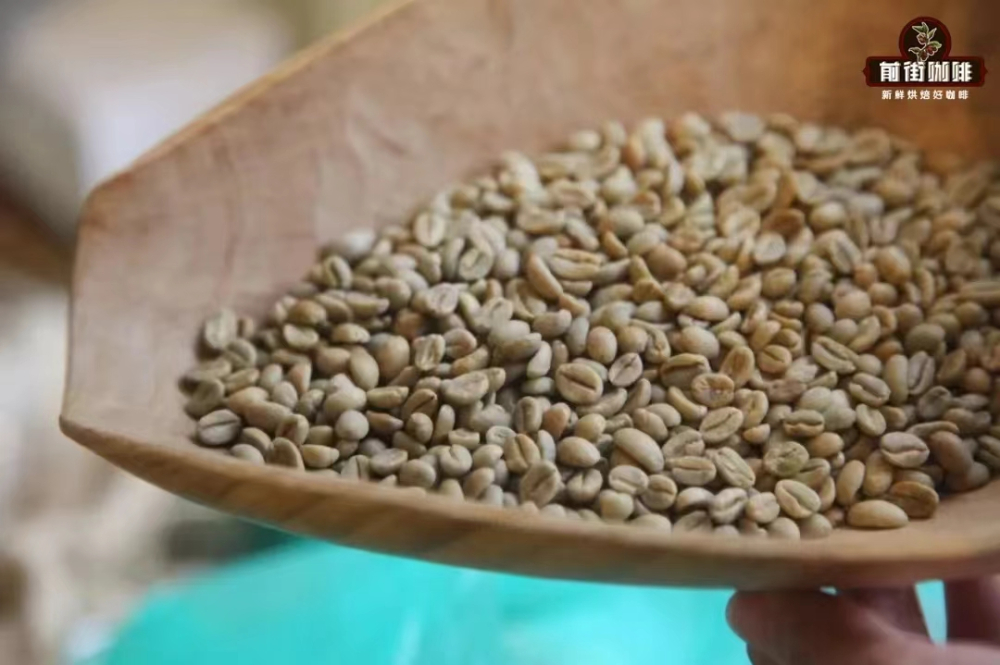 Taking a real-world example, a classic Italian-style blend might combine the rich bitterness of Brazilian beans, the balanced acidity and sweetness of Colombian beans, along with a touch of Robusta to enhance intensity and crema performance. Such a combination ensures good flow during extraction and delivers a balanced flavor in the cup—rich, smooth, with notes of caramel and nuts. Additionally, the resting time of blended beans is also crucial. It is generally recommended to let the beans rest for 7 to 14 days after roasting, allowing them to degas CO₂ and fully develop their flavors to achieve optimal extraction.
It’s worth mentioning that blended coffee is not limited to espresso use; it can also be used for pour over. By adjusting the appropriate grind size and extraction parameters, the diverse flavor layers of blended beans can also be showcased. It is recommended to use a Kono filter, with about 15 grams of coffee, water temperature controlled at 90°C, a coffee-to-water ratio of 1:15, and a grind size slightly coarser than typical espresso (approximately 80% through a #20 sieve). For pour over, a staged extraction method can be used: start with a 30-second bloom using 30 grams of water, then pour in a small, circular motion until reaching 125 grams for the first pour, wait for the water level to drop, then pour up to 225 grams before stopping, with a total extraction time of around 2 minutes. This approach can fully bring out the aroma and sweetness of the blended beans.
In summary, blended coffee beans are not just a professional skill of baristas but are also the core element that allows every shot of espresso to deliver a stable and captivating flavor. Whether you’re a coffee enthusiast, a home roaster, or a beginner barista, understanding the principles of blending, mastering resting times and extraction parameters, will allow you to appreciate each blend more deeply—experiencing the story and technical essence behind every mix.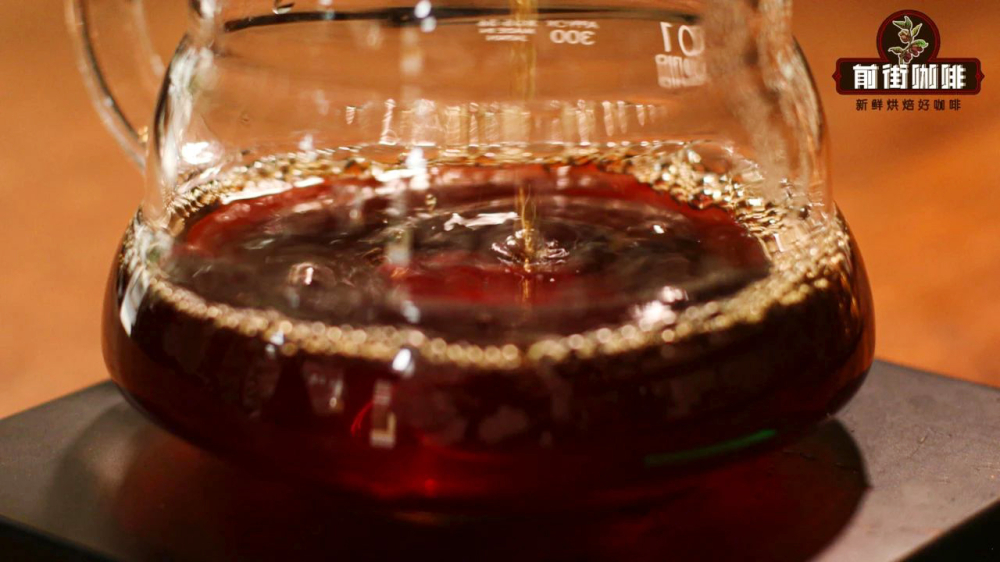
The above content is compiled by CoffeeHunters, a coffee news website.


