







Introduction:Many coffee enthusiasts, even when using the same parameters and coffee beans, struggle to consistently achieve ideal flavors in their espresso. The issue often lies in seemingly insignificant operational details. This article systematically outlines six easily overlooked critical steps—including residual moisture in the portafilter basket, uneven coffee distribution, repeated tamping, improper handle handling, insufficient preheating, and delayed extraction start—and provides an in-depth analysis of the principles and execution of proper tamping pressure. It helps you optimize from the details to improve the extraction stability of every shot of espresso.
Espresso extraction takes an extremely short time—just twenty to thirty seconds—to release a large amount of flavor compounds from the coffee beans. Yet precisely because of this, any minor operational deviation can lead to flow imbalance or off-flavors. Even with consistent parameters and step-by-step replication, the final result often falls short of expectations, and the issue is usually found in those easily ignored detailed operations.
This article will delve into six rarely mentioned yet significantly impactful common mistakes that can greatly affect extraction results, including not fully drying the portafilter basket, tamping before the coffee bed is evenly distributed, over-repeating tamping, improper handle placement, insufficient preheating, and delayed extraction start. Additionally, it will detail the correct understanding and practical techniques of tamping pressure to help coffee lovers optimize from the details and steadily improve espresso quality.
1. Placing coffee grounds into a not-fully-dried portafilter basket
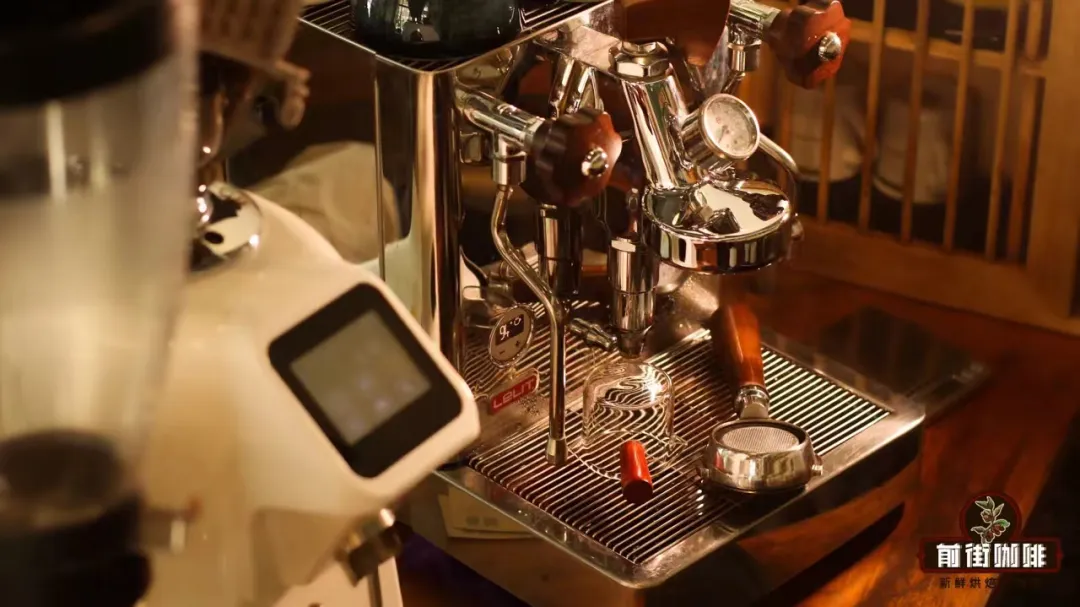
Cleaning the portafilter basket and removing leftover coffee grounds after each extraction is a basic step, but when preparing for the next use, many people overlook thoroughly drying the inside of the basket. If the basket still retains moisture, the newly added coffee grounds can clump upon contact with the dampness. Later, whether distributing or tamping, it becomes difficult to apply even pressure across the entire coffee bed, leading to uneven water flow during extraction—sometimes too fast, sometimes too slow—ultimately affecting the overall taste and balance of the espresso.
2. Tamping before the coffee bed is leveled
The main purpose of distribution is to ensure the coffee particles are evenly spread within the portafilter basket, allowing hot water to uniformly penetrate every coffee particle and maintain consistent extraction. However, tamping directly without leveling the coffee bed can cause depressions on the surface of the puck. During extraction, water tends to concentrate and pass through these weak points, creating a channeling effect. This not only reduces extraction efficiency but may also disrupt the overall flavor profile. It’s recommended to gently tap or swirl the coffee bed to roughly level it before tamping.
3. Repeatedly tamping the coffee puck
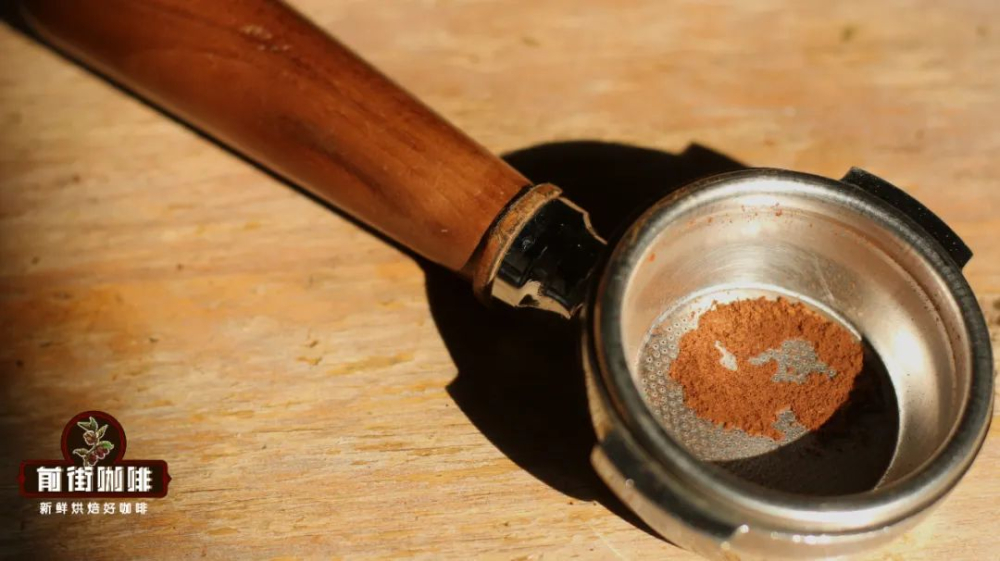
In pursuit of an absolutely level puck surface, some operators continuously adjust and re-tamp, even after the initial compaction, repeatedly pressing minor uneven areas. While this may make the surface appear flatter, it leads to uneven internal density of the coffee bed, increasing the risk of channeling and actually compromising extraction uniformity. In reality, as long as the puck isn’t visibly tilted or uneven, a single, even tamp is usually sufficient. Repeated tamping is more likely to damage the structure of the coffee bed.
4. Colliding the handle when placing it
When attaching the handle to the group head, overly rough movements or misalignment can cause the handle to hit the group head, potentially cracking or even breaking the already tightly compacted puck, greatly increasing the risk of channeling. This is especially common among home brewers or beginners and requires extra attention to stability and accuracy when locking in the handle.
5. Not preheating with water before attaching the handle
If it’s been a while since the last extraction, the group head’s shower screen may have accumulated significant heat. Without pre-releasing hot water to cool it down, directly attaching the handle can cause the high temperature to rapidly scorch the surface of the puck, resulting in an noticeably burnt or bitter espresso. It’s recommended to let water flow through the group head for a few seconds before attaching the handle, to lower the temperature and stabilize the puck.
6. Delaying extraction after attaching the handle
Some users, after tamping, delay starting the extraction—keeping the handle attached to the group head while waiting for other preparations (such as placing the cup or adjusting the scale). During this time, the high temperature of the group head continues to bake the puck, causing the coffee grounds to prematurely release burnt flavors and affecting the final taste. The best practice is to start the extraction immediately after securing the handle to minimize the puck’s exposure to heat.
Tamping Pressure: The Key to Evenness and Moderation
The core purpose of tamping is to compact the coffee particles firmly together, preventing hot water from easily disrupting the coffee bed and interfering with the extraction process. Ideal tamping ensures the applied force is both even and moderate, rather than blindly pursuing maximum pressure. Many beginners struggle with poor tamping, often due to improper posture—such as an arm not being vertical or uneven force application. These issues can be gradually improved through consistent practice.
The most common tamping method is: placing the thumb and index finger on either side of the tamper, with the remaining three fingers and palm gripping the handle, then applying even downward pressure with the arm vertically. Although the technique seems simple, truly mastering it still requires repeated practice until you can steadily control the tamping pressure and evenness, laying a solid foundation for subsequent extraction.
The above content is compiled by CoffeeHunters, a coffee news website.


