







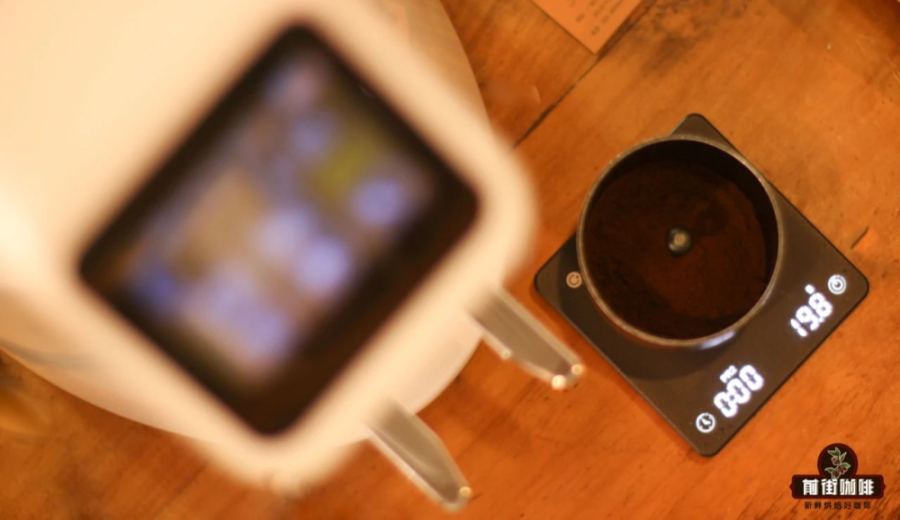
Introduction:To brew a balanced and layered espresso, grind size is the most impactful factor. Compared to pour over or cold brew, espresso extraction involves high pressure and short time, demanding extremely high uniformity and fineness of coffee grounds—even a 0.1-step adjustment on the grinder can alter the overall flavor. This article will guide you through practical methods from basic judgment, flow rate observation, parameter application to fine-tuning, helping even beginners quickly dial in their ideal shot.
When you start challenging yourself to pull an espresso by hand, one of the most easily overlooked yet crucial elements is the grind size of the coffee. It’s not just about being “coarse or fine,” but rather differences as minute as just 0.1 step on the grinder can transform the entire shot—from smooth and rich to astringent or as weak as water. Especially under high-pressure, short-time extraction conditions, any imprecision in settings will be magnified.
Unlike the immersion-style brewing of pour over coffee, espresso relies on forcing hot water through an extremely fine puck of coffee grounds under high pressure. This means we need coffee grounds that are finer than table salt and must be very consistent. In this scenario, visual estimation or tactile feel alone are hardly accurate, so understanding how to adjust based on flow rate, flavor feedback, and actual extraction parameters becomes the dividing line between professionals and beginners.
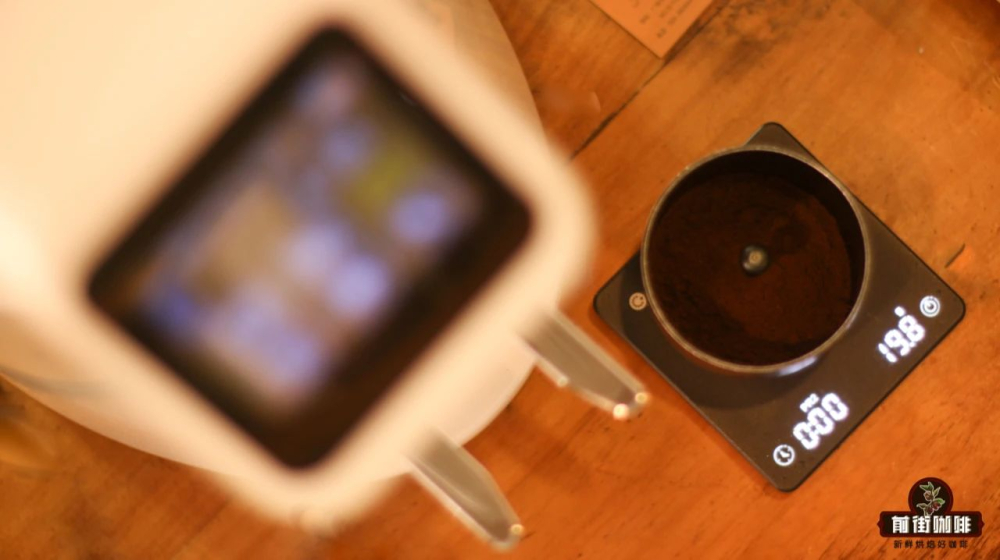
First, how do we make a preliminary judgment on whether “the grind is fine enough”? If you’re using a newly purchased grinder or have just switched to a completely new origin of coffee beans, the most practical method is to do several small test extractions. The goal is to produce coffee grounds that look as fine as high-quality flour, feel smooth without noticeable particles, and have an even and consistent texture overall. This state is usually the first step into the appropriate grind range.
Next, it’s recommended to use the classic espresso parameters: a brew ratio of 1:2, such as extracting 40 grams of coffee liquid from 20 grams of coffee grounds, with time controlled between 20 to 30 seconds. This is generally an industry-recognized extraction range that showcases the full flavor profile of the coffee. If the extraction time is less than 20 seconds, it usually indicates the water is flowing too fast, meaning the grind is too coarse, causing the water to pass through the coffee puck too quickly and resulting in under-extraction—flavors will be weak or even overly sour. Conversely, if it exceeds 30 seconds, it may mean the grind is too fine, impeding the water flow and causing over-extraction, producing noticeable bitterness and astringency.
For adjusting the flow rate, it is advised to proceed in small, gradual steps. If your current extraction time is close but hasn’t yet reached the ideal range—for example, just 3 to 5 seconds off—it’s recommended to adjust the grind setting by about 0.2 steps each time, making careful micro-adjustments. But if the current time deviates significantly from the ideal value, you can adjust by 0.5 to 1 step at a time to narrow down the search range. This approach can effectively help you find the most suitable grind setting for that particular coffee bean.
However, time alone cannot fully guarantee flavor performance—the real key lies in comprehensively observing both the flow rate and the final extracted liquid. If your espresso has sufficient concentration but tastes noticeably burnt or bitter, it’s usually a sign of overly long extraction, where too many later-stage compounds have been released. In this case, consider adjusting the grind to a coarser setting to reduce extraction pressure and time.
Additionally, if you notice the crema on the surface of the coffee is pale in color and overly thin in texture, it may indicate over-extraction or undesirable compounds being released from the tail end. You can address this by adjusting the brew ratio—for instance, increasing it to 1:1.5 or 1:1.7—to reduce the total liquid volume extracted and further control the balance of extraction. On the other hand, if you feel the flavor profile is decent but the aftertaste is too short or the overall mouthfeel lacks body, try adjusting the brew ratio to 1:2.5, extending the extraction time and liquid volume to achieve more complete extraction.
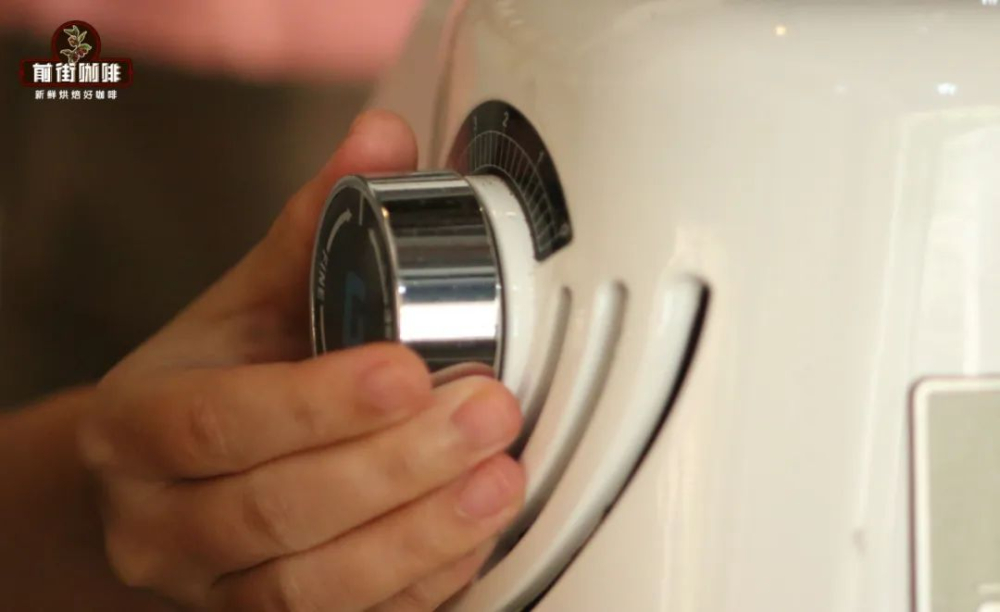
In summary, adjusting the grind size for espresso is not a process that can be perfected with a single setting, but rather one that requires continuous observation, tasting, and fine-tuning. From the initial estimation of grind fineness, using flow rate and time to determine the general direction, to making detailed corrections based on actual flavor feedback—each step is interconnected. Only in this way can you consistently brew satisfying espresso shots across different bean varieties and roast levels.
The above content is compiled by CoffeeHunters, a coffee news website.


