







Introduction:For beginners just getting into pour over or single-origin coffee, choosing the right beans is key to getting started. This article features five highly acclaimed classic Arabica coffee beans, including Yirgacheffe from Africa, Mandheling and Blue Mountain from Asia, Colombian Huila from South America, and Brazilian Red Bourbon. We’ll explore their origin environments, processing methods, flavor profiles, and recommended brewing techniques to help you pick the beans that suit your personal taste preferences more easily and start a wonderful coffee exploration journey.
Faced with the wide variety of coffee beans on the market, those new to specialty coffee often don’t know where to start. In fact, by grasping just a few basic guidelines, you can find beans that match your personal taste. This article will delve into five beginner-friendly, classic, and representative Arabica coffee beans from Africa, the Americas, Asia, and Indonesia, focusing on flavor characteristics and suitable brewing methods. It will help you quickly build ideas around bean selection and brewing, from terroir and processing to flavor expression.
Regional differences determine flavor foundation:Generally speaking, beans from African regions often feature bright acidity and floral-fruity aromas due to high altitudes and unique microclimates, making them ideal for those who prefer a refreshing taste; beans from American regions such as Colombia and Brazil usually have a fuller body and milder flavors like nuts and chocolate; as for Asian regions like Indonesia and Jamaican Blue Mountain, they tend to offer a thick, mellow mouthfeel with a balanced bitterness and sweetness, along with earthy and woody notes.
The following introduces five classic beans suitable for pour over or single-origin brewing. Each bean comes with background on its origin, processing method, flavor highlights, and recommended brewing parameters to help you find the one that suits your palate the best.
1. Mandheling Coffee Beans — Low Acidity, Full Body, Balanced Bitterness and Sweetness
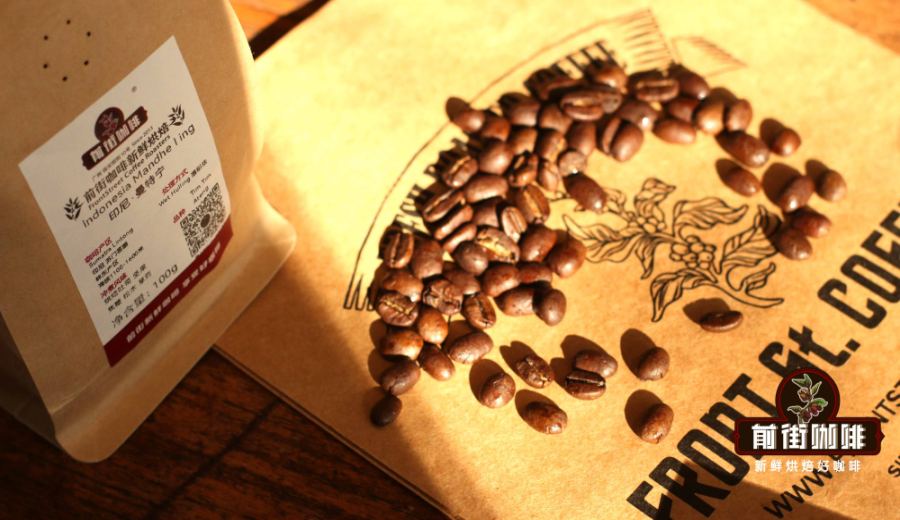
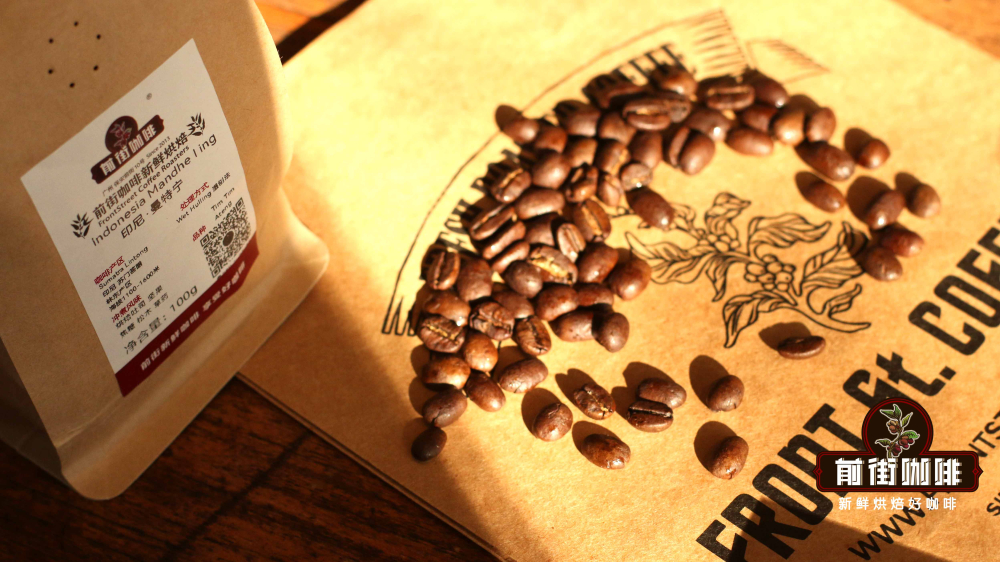
Produced in Sumatra, Indonesia, Mandheling is not the most expensive coffee in the world (that title goes to Kopi Luwak), but it is one of the most representative Indonesian beans. These beans have extremely low acidity, noticeable but not overly harsh bitterness, and a rich, deep aroma. The mouthfeel is full and solid, combining woody and spicy notes with a long-lasting aftertaste. They’re not only great for enjoying pure black coffee but also pair very well with milk. When used in lattes or flat whites, the milk and bean flavors complement each other beautifully, resulting in a smooth and rich taste.
2. Blue Mountain Coffee Beans — Balanced Acidity, Sweetness, and Bitterness, with Elegant Layers
True Blue Mountain coffee is grown only in the core area of Jamaica’s Blue Mountains. It’s known for its rigorous cultivation management, meticulous processing procedures, and unique brand history. Its flavor presents an exquisite balance among acidity, sweetness, and bitterness, with a smooth and silky mouthfeel. It offers complex layers that intertwine black chocolate, nuts, cream, and caramel, and the finish has a subtle sweet aftertaste. To fully appreciate its delicate flavors, it’s recommended to brew via pour over or siphon. Brewing at higher temperatures can better bring out its creamy, silky texture.
3. Yirgacheffe Coffee Beans — Bright Acidity, Prominent Floral and Fruity Aromas
Located in Ethiopia, Yirgacheffe is one of the highest-altitude coffee-growing regions in the world, ranging from 1700 to 2100 meters above sea level. With large diurnal temperature variations and abundant water sources, it creates a unique microclimate. The coffee from this region is famous for its bright and lively acidity, often featuring refreshing floral and fruity notes like lemon, jasmine, and citrus, along with a soft tea-like quality and clean finish. It contrasts sharply with the traditional image of “strong coffee.” It’s especially suitable for coffee lovers who prefer a light-bodied cup and are pursuing layers of fruit acidity and aroma.

4. Colombian Huila Coffee Beans — Nutty and Chocolatey Notes, Compatible with Multiple Brewing Methods
As the world’s second-largest producer of Arabica coffee, Colombia’s Huila region is known for its balanced profile and rich flavors. Processed with the washed method, it retains a clear and clean acidity while offering a blend of nutty, dark chocolate, caramel, and gentle fruity acidity. These beans are highly adaptable—whether brewed using espresso machines, moka pots, French presses, siphons, pour over, or drip coffee makers—they all deliver stable and multi-layered results. They’re a great everyday drinking choice and excellent for brewing practice.
5. Brazilian Red Bourbon Coffee Beans — Nutty and Milky Aromas, Clean and Full-Bodied
The Red Bourbon from Brazil’s Cerrado region is grown at high altitudes of about 1000 meters. With a mild year-round climate and fertile, mineral-rich soil, the coffee cherries ripen slowly, accumulating rich sugars and flavor compounds. These beans often carry distinct nutty and almond aromas, with a full body yet maintaining high clarity. Similar to traditional Brazilian Santos flavors but cleaner and crisper. Upon tasting, the milkiness and nuttiness blend seamlessly, and the finish has a faint hint of genmaicha (roasted brown rice tea). Whether brewed into a balanced, slightly acidic black coffee or paired with milk for a latte, it presents an enticing combination of creamy, nutty, and biscuity aromas.
In summary, these five classic Arabica coffee beans each have their own regional characteristics and flavor personalities. Whether you prefer fresh fruity acidity, a full body, or a balanced and harmonious taste, you’ll be able to find a favorite among them. When selecting, consider your preferred flavor type, then adjust grind size and water temperature based on your brewing method, gradually developing your own coffee taste.
The above content is compiled by CoffeeHunters, a coffee news website.


