







Introduction:Delve into how Kenyan coffee, with its bright acidity and rich berry flavors, has become a flagship of specialty coffee. This article takes you through the altitudes and varietal characteristics of six core regions—Thika, Nyeri, and others—breaks down the intricate steps of the K72 washed processing method, and details the international grading system from AA to PB. Practical pour over parameters and roasting suggestions are also included to help you perfectly showcase the unique charm of Kenyan coffee.
Renowned worldwide for its high-brightness acidity and juicy berry-like mouthfeel, Kenyan coffee is a benchmark for acidity expression in specialty coffee. Its uniqueness lies in its ability to maintain a vibrant acidity while also delivering a rich, tomato juice-like body and solid mouthfeel, securing its prominent position in competition-grade coffees.
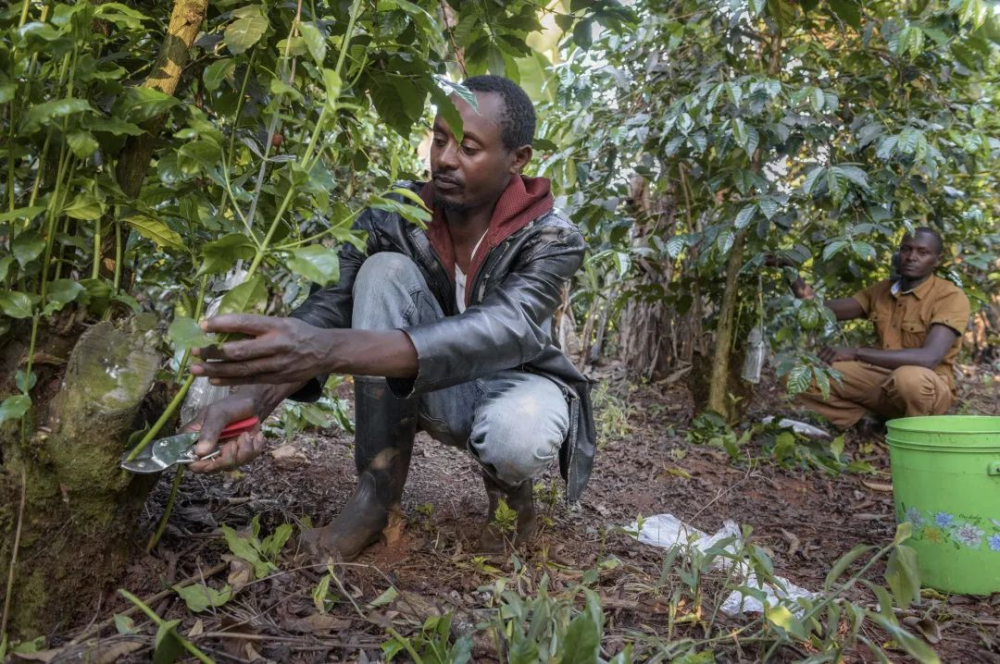
Located on the East African Plateau with the equator running through its center and the East African Rift Valley stretching from north to south, Kenya features abundant volcanic terrain. From Nairobi, the capital, to the Mount Kenya area, elevations generally range between 1600 to 2100 meters. Such heights not only slow the ripening process of coffee cherries but also promote the accumulation of aromatic compounds, resulting in the distinctive depth of flavor in Kenyan coffee. The country has two harvest seasons per year, with the main season from October to December accounting for about 60% of annual production, and the secondary season from June to August.
Kenya’s specialty coffee mainly comes from six core regions: Thika, Kirinyaga, the western side of Mount Kenya, Nyeri, Kiambu, and Murang’a. These areas are all situated in high-altitude volcanic soil zones, with the primary harvesting periods being from October to December and June to August each year.
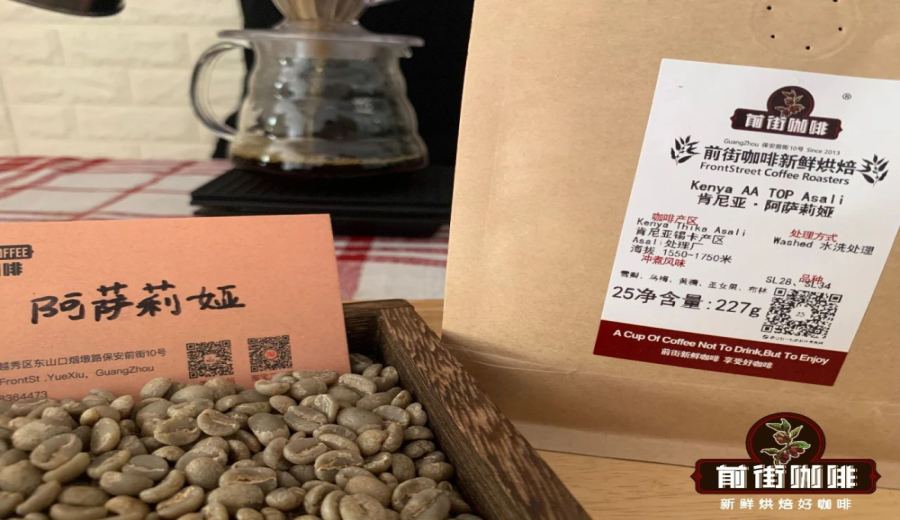
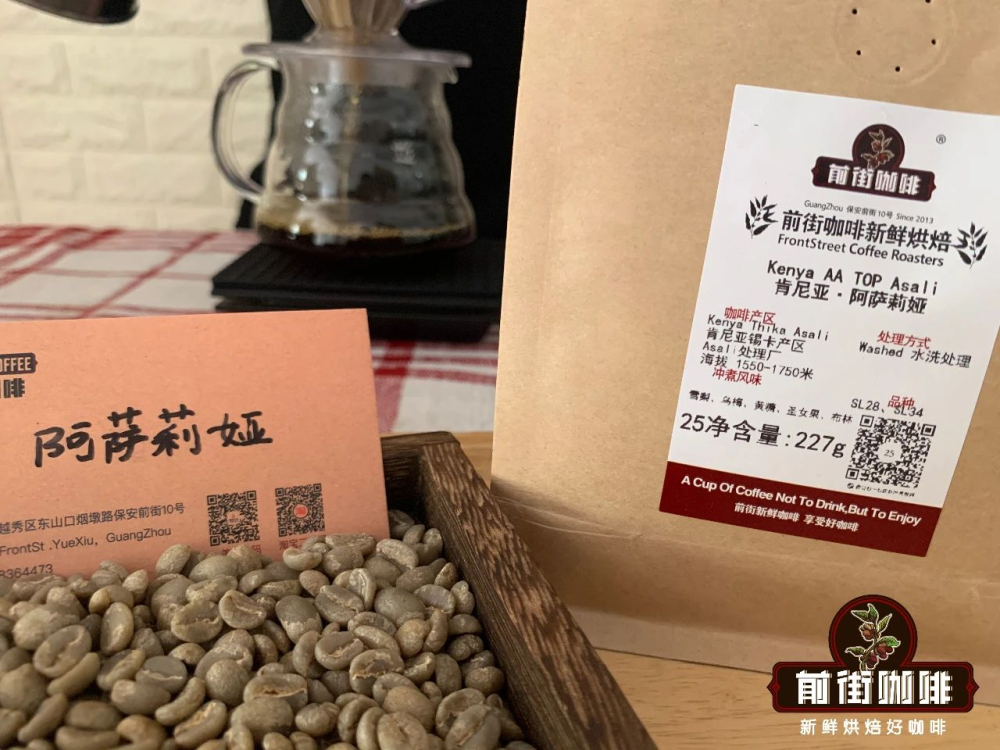
The Thika region, adjacent to the capital Nairobi, is known as an industrial town but is surrounded by rich agricultural land and natural waterfall landscapes. With around 2000 coffee farmers, the main varieties are SL28 and SL34, grown at altitudes between 1550 and 1750 meters. Local coffees are celebrated for their bright acidity, rich berry juice character, and honey-like sweetness, making this one of the more accessible and value-for-money sources of Kenyan specialty beans on the market.
Kirinyaga is located on the slopes of Mount Kenya, neighboring Nyeri, and is a frequent contender in global specialty coffee evaluations. The region is dominated by cooperatives formed by smallholder farmers, which strictly control washed processing quality through centralized mills, yielding coffees with distinct flavor layers, bright acidity, and a solid structure. Elevations range from 1300 to 1900 meters, with main varieties including SL28, SL34, Ruiru11, and Batian—ideal for coffee lovers who appreciate complex flavor profiles.
The western side of Mount Kenya includes the regions of Kisii and Bungoma, which are smaller in scale but distinctive in flavor. Coffees here are mostly produced by small cooperatives, with flavor profiles leaning toward roasted nut tones paired with gentle acidity, forming a clear contrast with central-region coffees. This makes them especially suitable for consumers who are not accustomed to high acidity.
Nyeri is hailed as the soul region of Kenyan coffee, nestled at the foot of Mount Kenya with mineral-rich red soils. The area primarily operates on a small cooperative model with two harvests per year, the main season being of particularly high quality. Nyeri coffees are known for their vivid berry juice flavors, citrus notes, and delicate floral aromas, often scoring highly in global coffee evaluations. Elevations here range from 1200 to 2300 meters.
Kiambu and Murang’a are both located in central high-altitude zones. The former, due to parts of its area being at excessively high elevations, is prone to dieback disease, affecting yield stability; the latter was an early settlement for missionaries and has a deep-rooted history of coffee cultivation. Both regions grow coffee in volcanic soils, using similar varieties and processing methods as other core areas, typically producing beans with clear acidity and rich juice texture.
Kenyan coffee sales primarily take place through the Nairobi Coffee Exchange, where public auctions are held every Tuesday. Buyers must apply for qualification in advance and bid after cupping and selecting samples. This system is seen as a precursor to the modern COE competition, encouraging farmers to improve quality through a highly transparent process. However, multiple intermediaries in the auction process may reduce farmers’ profits, and product traceability is relatively weak. In recent years, the Kenyan government has gradually relaxed restrictions on direct trade, allowing certified exporters to sell specialty beans directly to international roasters, ensuring high-quality products receive fair returns.
Kenyan coffee is graded primarily by bean size, with the main grades being: AA (17–18 mesh, highest cup quality), AA+ (same as AA but with superior flavor), AB (15–16 mesh, the most produced grade), C (smaller than AB), TT (light beans sorted from AA/AB grades via air classification), T (even lighter beans sorted from C grade), and E (elephant beans, which are double beans). Additionally, peaberries (PB), due to their unique shape, are classified separately, with flavor performance unrelated to grade. Some exporters also use unofficial but commonly used cupping-based supplementary grades such as TOP, PLUS (+), and FAQ, helping buyers further identify flavor potential.
Kenya’s signature K72 washed processing method lays the key foundation for its flavor profile. On the day of harvest, coffee cherries are first sorted by water density to retain only mature, dense fruits. After pulping, the first 24-hour fermentation removes most of the mucilage, followed by rinsing with clean water. This fermentation and washing cycle is repeated three times for a total of 72 hours, after which the beans are sun-dried on raised beds. This long, low-temperature fermentation process enhances the purity of acidity and layers of sweetness, creating the signature cleanliness and brightness of Kenyan coffee.
In terms of varieties, SL28 and SL34 were developed by the Scott Laboratories in the 1930s. They are well-suited to high altitudes and resilient to stress, though susceptible to leaf rust. They deliver complex flavors such as citrus and dark plum along with excellent sweetness. Ruiru 11 is a rust-resistant hybrid variety from the 1980s, with stable yields but average flavor, commonly found in commercial blends. Batian is a later-developed disease-resistant variety that is gradually gaining market attention.
Practical pour over suggestion: For medium-light roasted Kenyan AA-grade coffee beans, it is recommended to use a V60 filter cone with a water temperature of 91°C and a brew ratio of 1:15 (15g coffee to 225ml water). Grind size should be set to that of coarse sugar (approximately 80% passing through a #20 sieve). The first step is to pour 30g of water for a 30-second bloom, followed by pouring 95g of water to reach a total of 125g. At around 1 minute, pour another 100g of water to reach a total of 225ml, with total brew time controlled between 2 minutes and 2 minutes 10 seconds. This parameter helps highlight the plum and cherry tomato acidity as well as the rich juice texture of the beans, with a finish that carries berry notes and a green tea-like refreshing aftertaste.
The above content is compiled by CoffeeHunters, a coffee news website.


