







Introduction:Have you ever wondered why most specialty coffees on the market proudly claim to be “100% Arabica”? What exactly is the difference between Arabica and Robusta? This article will delve into the origins of Arabica coffee varieties, their ideal growing environments, flavor characteristics, and provide a comprehensive comparison with Robusta—including yield, price, roasting, and extraction performance—to help you understand why Arabica is regarded as the representative of high-quality coffee. We’ll also introduce special high-altitude Robusta varieties to give you a better grasp of coffee bean grading and selection.
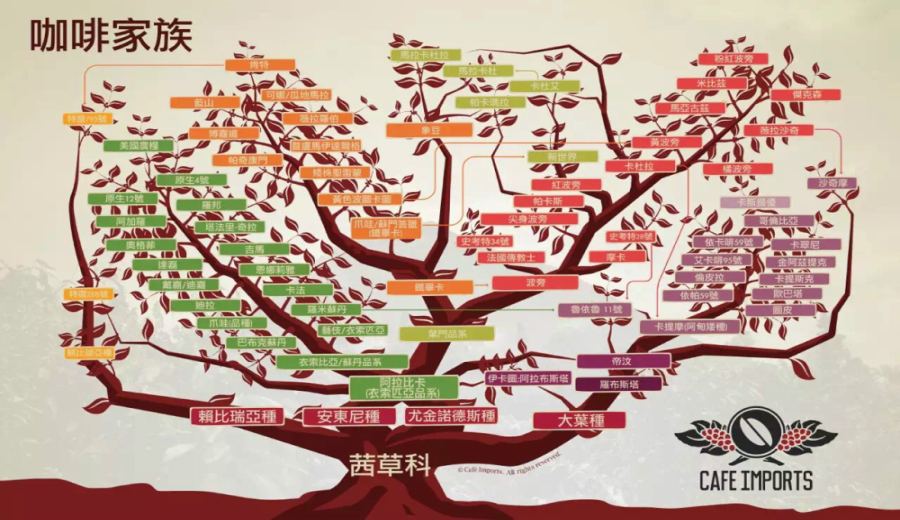
When walking into a café or supermarket, “100% Arabica” has almost become synonymous with specialty coffee, but do you know what this label truly signifies? Arabica is actually a species of coffee plant belonging to the Rubiaceae family. It originally evolved from a hybrid of Eugenioides and Canephora, and is currently the most popular type of coffee in the world.
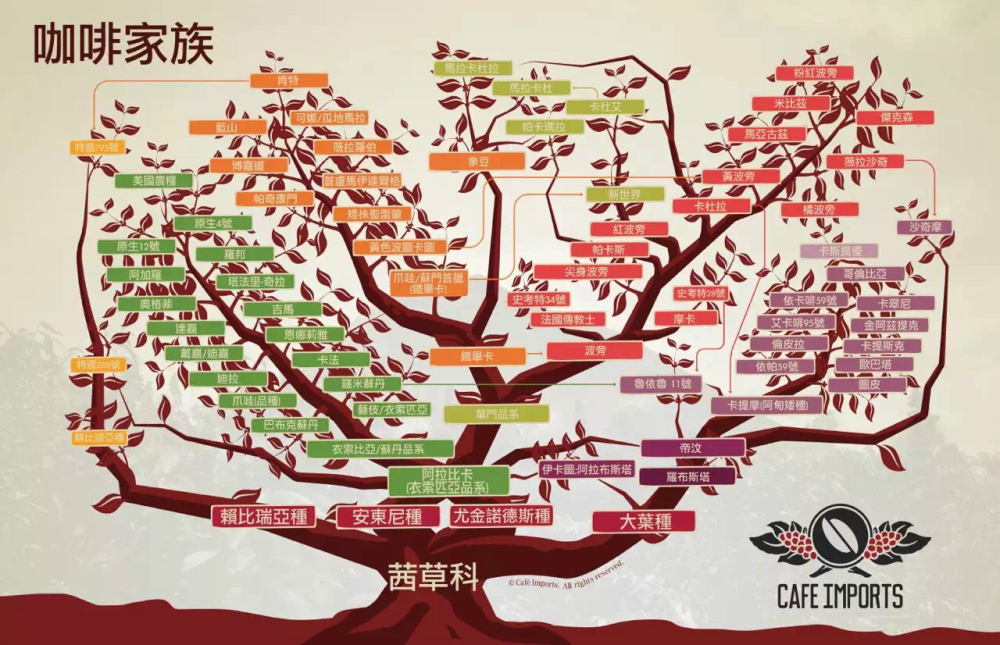
Among global coffee varieties, over 85% belong to the Arabica family, which can be further divided into numerous sub-varieties. For example, the commonly heard Typica and Bourbon are important varieties that originated from the Yemeni lineage. Additionally, Arabica can be divided into two major branches: the Ethiopian/Sudanese lineage and the Yemeni lineage, with many well-known flavor-rich coffees stemming from these lineages.
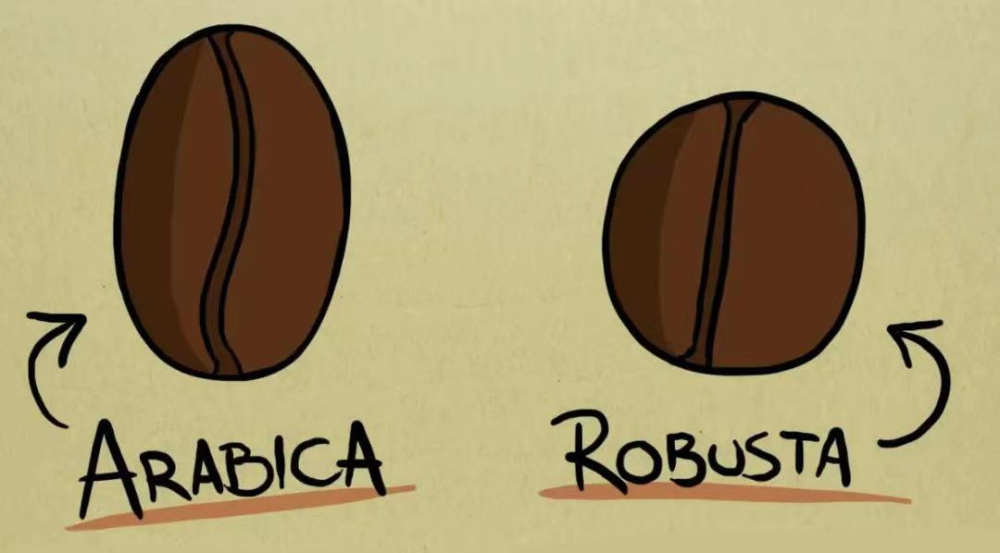
Compared to the other mainstream variety, Robusta, Arabica demonstrates significantly more complexity and refinement in flavor layers, aroma expression, and taste cleanliness. This difference primarily stems from their respective growing conditions and disease resistance. Arabica demands stringent environmental conditions—it must be grown at altitudes of 600 to 2000 meters, preferring fertile, moist environments with moderate shade, and it has low resistance to pests and diseases, resulting in lower yields per unit and higher cultivation difficulty.
Precisely because of these strict growing requirements, although Arabica accounts for about 75% of global coffee production, only 15%–20% of it meets the rigorous definition of “specialty coffee”—that is, green beans that score 80 points or above in professional evaluations.
In contrast, Robusta is the “workhorse” of the market. It can be grown at low altitudes of 200–800 meters, boasts strong disease resistance and high yield per unit area, and is more suitable for mechanical harvesting, which greatly reduces production costs. However, because low-altitude environments are prone to pests and diseases, Robusta has evolved to produce high concentrations of chlorogenic acid as a defense mechanism, resulting in its characteristic intense bitterness and astringency—qualities that are generally less palatable to most people and have traditionally been used in instant coffee or commercial blends.
Nevertheless, Robusta is not without its merits. Observations have shown that some high-altitude regions in India also cultivate high-quality washed Robusta, which features clean flavors, a rich mouthfeel, and pronounced nutty aromas such as peanut and hazelnut. In fact, some of these premium Robustas are even preferred by professionals over certain low-grade Arabicas.
From a flavor perspective, Arabica coffee holds immense potential to express a wide range of profiles—fruitiness, floral notes, caramel, spices, and more—depending on origin, altitude, and microclimate. When unroasted, it carries a fresh grassy aroma; after light to medium roasting, fruity notes emerge; and with dark roasting, it transforms into a rich caramel sweetness. Its overall aroma performance is clearly superior to that of Robusta.
Robusta, on the other hand, generally offers more one-dimensional flavors. When unroasted, it emits a raw peanut-like scent, and after roasting, it often takes on tastes reminiscent of barley tea or rubber, particularly in low-altitude regions where flavor diversity is even more limited, making it difficult to showcase fine nuances.

In terms of processing and extraction methods, specialty Arabica typically requires hand-picking, careful sorting, and refined processing methods such as washed or natural to bring out its best flavors. In contrast, Robusta undergoes simpler processing steps and overall comes with lower costs, which is why it is commonly found in commercial blends—especially in espresso, where a small amount of Robusta can enhance body and crema.
For example, many commercial blends mix 10% Robusta with a high proportion of Brazilian or Colombian Arabica to balance taste and intensity. However, if you’re seeking the pure essence of coffee and the diverse characteristics of different regions, Arabica remains the top choice.
For beginner coffee enthusiasts looking to explore the flavors of Arabica from different regions, starting with classic producing countries such as Ethiopia, Costa Rica, Colombia, and Guatemala is a great idea. The Arabicas from these regions often exhibit distinct and recognizable profiles—for instance, Ethiopian’s citrus acidity, Costa Rican’s nutty-chocolate tones, and Indonesian’s herbal and earthy notes. By trying single-origin beans from various regions, you can gradually develop a keener sense of coffee flavor.
In summary, Arabica is regarded as the representative of high-quality coffee not only because of its richer flavors, but also due to the challenges in its cultivation and the refined processing it undergoes. Robusta, with its stable yields and low cost, fulfills the mass market demand, and there are even rare exceptions that reveal surprising potential. Understanding the differences between the two will help you make smarter decisions when purchasing coffee beans—whether you prefer pour over, espresso, or instant—you’ll be able to find the coffee experience that best suits your taste.
The above content is compiled by CoffeeHunters, a coffee news website.


