







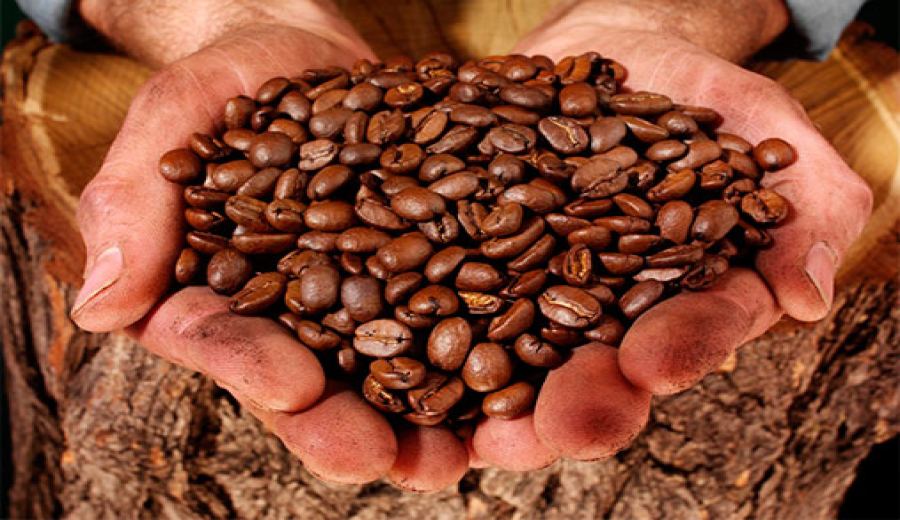
Introduction:Coffee beans from the Antigua region of Guatemala, nurtured by unique volcanic soil and high-altitude environments, yield a well-balanced flavor profile of acidity and sweetness. They are a top choice for many coffee enthusiasts in their daily brews or pour over sessions. This article delves into the regional characteristics, varietal composition, roasting recommendations, and flavor profile of this specialty coffee, guiding you through essential knowledge from bean selection to pour over brewing to elevate your tasting experience.
Grown in the high-altitude volcanic rock regions on the westernmost part of Central America, Guatemalan Antigua coffee beans benefit from diverse microclimates that impart rich aromas and layered complexity. This coffee highlights a gentle mild acidity paired with a mellow cocoa sweetness, achieving an excellent balance of sweet and sour. It feels smooth on the palate with a long-lasting aftertaste, making it especially suitable for coffee drinkers who appreciate delicate flavors.
From the dry aroma released during grinding, to the wet aroma during brewing, and finally the aftertaste upon swallowing, Antigua coffee demonstrates the complexity typical of highland coffees. Such coffees are often considered premium bases for blends, but single-origin brewing better highlights their unique regional character.
Guatemala is home to over three hundred microclimates, resulting in distinct flavor expressions across its eight major coffee-growing regions. Among them, five regions—Antigua, Acatenango Valley, Atitlán, San Marcos, and Huehuetenango—are located in volcanic rock geological zones with mineral-rich soils that aid in flavor development; whereas the remaining three—Wiechtenango, Cobán, and Nuevo Oriente—feature non-volcanic or tropical rainforest climates, contributing different tonal profiles to the flavor spectrum.
The fame of Antigua-grown coffee is inseparable from its unique geographical environment. The region sits at an average altitude of over 1,500 meters, between 14° and 16° north latitude, enjoying cool weather and significant day-night temperature variations. These conditions facilitate slow ripening of the coffee cherries, allowing them to accumulate richer sugars and flavor compounds.
Coffee beans from this region are mostly processed using the traditional washed method, which not only preserves a bright and clear acidity but also highlights a clean mouthfeel. Approximately 45% of the country’s coffee is rated as specialty grade. While there is also a small amount of Robusta planted, the majority is Arabica, including varieties such as Bourbon, Typica, Catuai, Caturra, along with smaller quantities of Yellow Bourbon, Geisha, and Pacamara—demonstrating notable varietal diversity.
In Guatemala, coffee beans are graded not by bean size but by the number of defective beans, so the beans are typically medium-sized and dense with a slightly dark green color. Such coffees often feature elegant acidity, a clean profile free of off-flavors, coupled with pronounced fruity acidity and chocolatey sweetness. Some may even present a slight smoky finish, which serves as a key indicator of high quality.
In terms of roasting and brewing recommendations, Antigua coffee suits medium-light to medium roasts, helping retain its vibrant acidity and intricate layers of aroma. For pour over, it is recommended to use a medium-fine grind (similar to fine sugar grains), with water temperature controlled at 90–93°C. Employing a staged extraction method—such as pouring one-third of the total water volume within the first two minutes, followed by gradual addition—helps achieve balanced flavor release.
For readers trying single-origin coffee for the first time, Antigua region beans are an excellent entry point. Their balanced sweet and sour profile and clear aroma make them not only suitable for morning pick-me-ups but also ideal for pairing with light meals or as part of everyday life appreciation. Mastering the right roasting and brewing parameters will further bring out their subtle regional characteristics.
The above content is compiled by CoffeeHunters, a coffee news website.


