







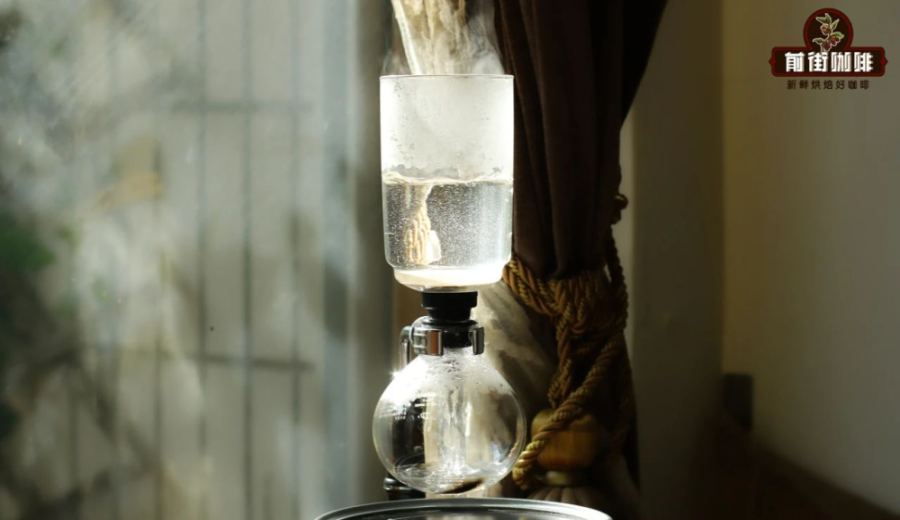
Introduction:Although siphon pots are no longer the mainstream choice in coffee shops, their unique brewing method and rich flavor continue to be favored by many coffee enthusiasts. This article will delve into the structural principles of the siphon pot, the types of coffee beans suited for it, grind size and coffee-to-water ratio, as well as detail each step of the operation — including heating, stirring, and extraction timing — to help you brew a layered and aromatic siphon coffee at home.
Siphon pot coffee, with its dramatic brewing process and bold flavors, has become a classic brewing device in the hearts of many coffee aficionados. Although most coffee shops rarely offer it nowadays, it remains one of the notable choices for home brewing. This article will start with the basic structure of the siphon pot, help you understand its working principle, and then gradually explain how to use the correct brewing techniques to extract coffee that is both aromatic and full-bodied.
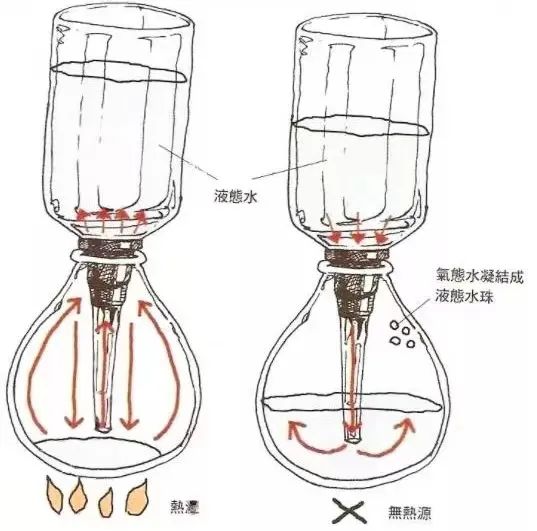
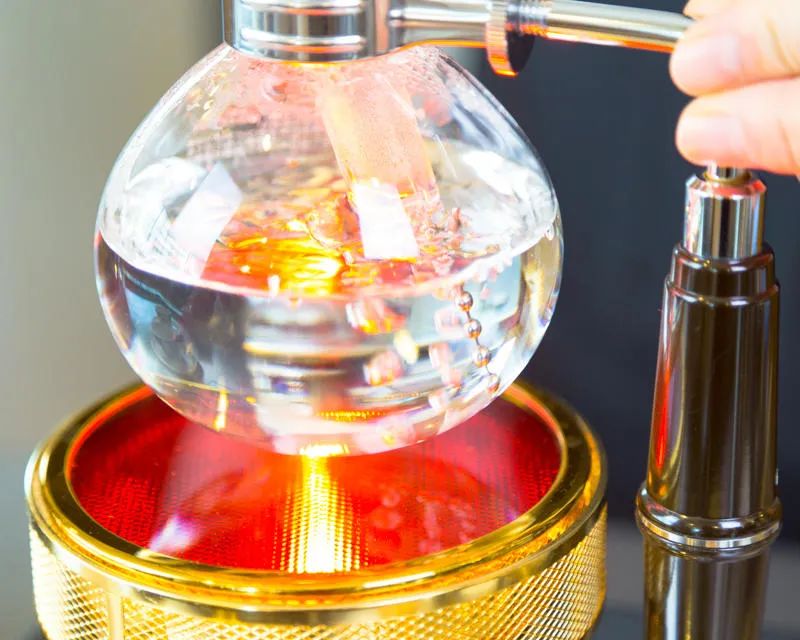
First, let’s get to know the basic structure of the siphon pot.The siphon pot mainly consists of two chambers: an upper and a lower one.The lower chamber is responsible for heating and holding water, while the upper chamber is used to hold the coffee grounds and perform extraction. When the water in the lower chamber is heated, steam pressure pushes the water up into the upper chamber where it mixes with the coffee grounds. After the heat is turned off, changes in air pressure cause the coffee liquid to flow back down into the lower chamber, completing the extraction. This physical principle of thermal expansion and contraction gives siphon coffee its distinctive richness and complexity.
The choice of filter cloth or filter paperis also a key factor influencing the flavor. Siphon pots usually come with a flannel filter cloth, which retains more coffee oils and gives the coffee a rounder mouthfeel. If using filter paper, it can reduce impurities but may also filter out some subtle flavors. It is recommended to choose based on personal taste preferences. Beginners might start with a filter cloth to familiarize themselves with the unique texture of siphon coffee.
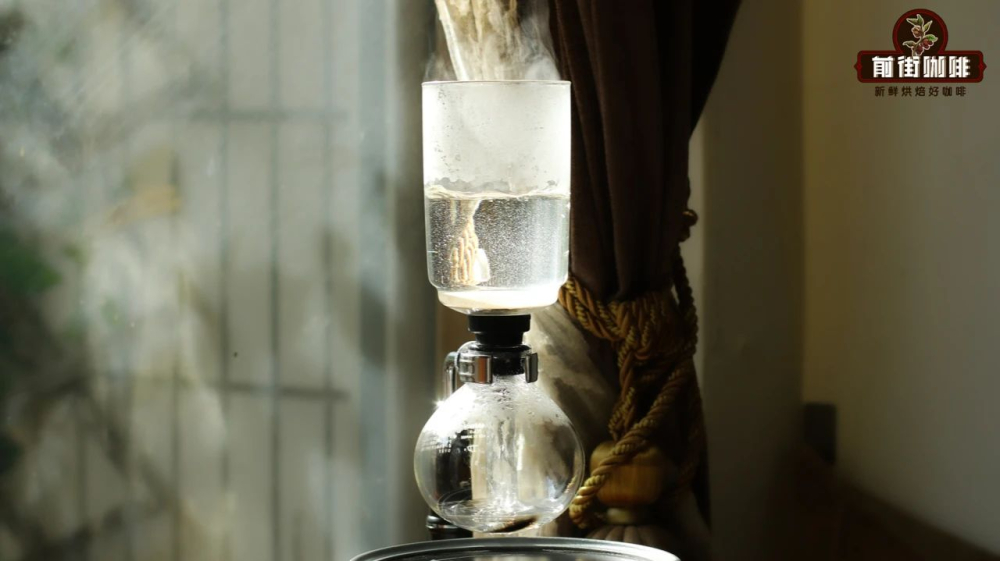
As for the heat source,gas stoves or alcohol lamps are common choicesdue to their stability and ease of flame control. When using them, make sure the bottom of the pot is placed evenly to avoid uneven heating that could cause the glass to crack. Maintain a medium to high flame during heating to quickly raise the temperature of the water in the lower chamber, but also avoid excessive boiling that could lead to over-extraction.
Regarding the timing of adding coffee grounds, there are generally two methods: “pre-add” and “post-add.”Pre-add means adding the coffee grounds after the water has been drawn up into the upper chamber, which is suitable for those who want more precise control over extraction time. The post-add method, on the other hand, involves adding the coffee grounds as soon as the water begins to rise, which is common in most home brewing processes and makes it easier to observe the mixing of coffee grounds and water. Beginners are advised to use the post-add method as it is easier to manage.
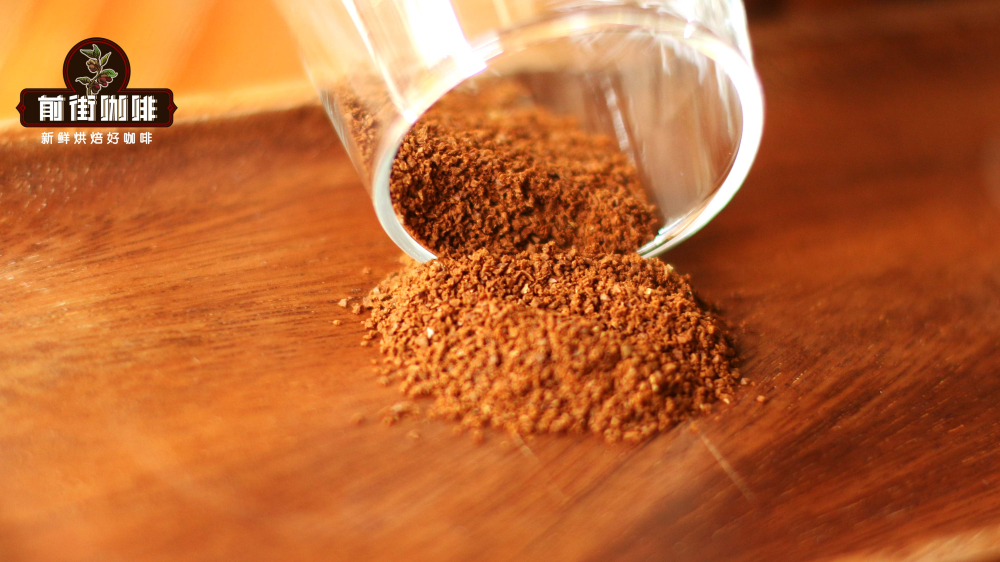
Thegrind size of the coffee grounds is recommended to be between medium-fine and medium, similar to the coarseness of fine sugar, to ensure an appropriate extraction rate. Too coarse a grind can lead to under-extraction and a weak flavor, while too fine a grind can easily result in over-extraction, producing bitter and off flavors. As for the coffee-to-water ratio,it is recommended to use a ratio between 1:12 and 1:16, such as 20 grams of coffee grounds to 240 to 320 milliliters of water, which can be fine-tuned according to personal preference.
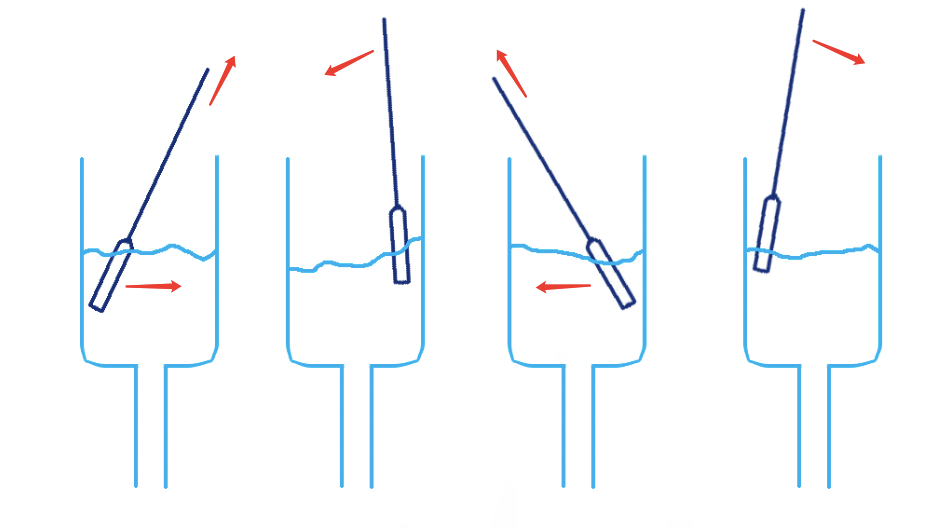
Stirring technique is one of the key skills in siphon brewing.Common methods include circular, cross, Z-shaped, infinity (∞), and even light tapping. It is generally recommended to first gently press the coffee grounds into the water after adding them to ensure even wetting. Then, at the end of the first stage (around 25 seconds), perform a more vigorous stir to help form a distinct three-layer structure — coffee liquid, coffee grounds, and foam layer — which aids in subsequent flavor extraction.
In terms of time control,the total extraction time is recommended to be around 60 seconds. When the time approaches one minute, you can remove the heat source and wait for the coffee liquid to slowly flow back into the lower chamber. At this point, observe the speed of the backflow. If it is too fast, it may indicate that the grind is too coarse or the heat is too strong; if it is too slow, there may be a blockage or the grind is too fine.
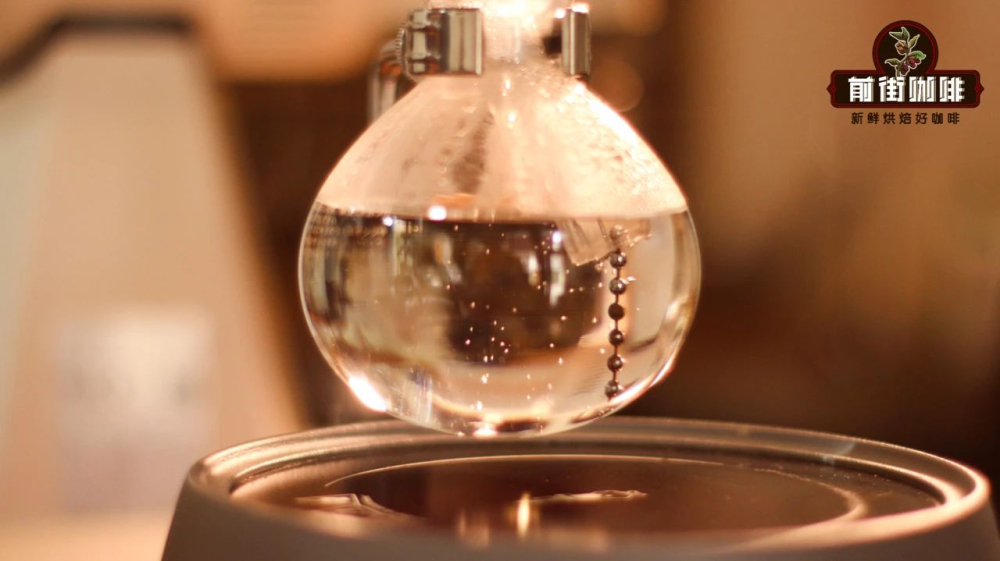
Here is a common practical operation procedure for reference: First, add about 200 milliliters of hot water to the lower chamber, dry the outer wall, and begin heating. Insert the upper chamber diagonally into the lower chamber, ensuring the anti-explosion bead is stably in contact with the bottom. When small continuous water droplets appear in the lower chamber, it indicates that the water has reached the critical heating point. At this point, straighten the upper chamber and press it down firmly so that the water is drawn up into the upper chamber. Then add the coffee grounds and start the timer. In the first stage, use a gentle tapping method to allow the coffee grounds to uniformly absorb water. At 25 seconds, perform the first stir. At 50 seconds, stir again in the same direction. At 60 seconds, turn off the heat and wait for the coffee liquid to fully flow back.
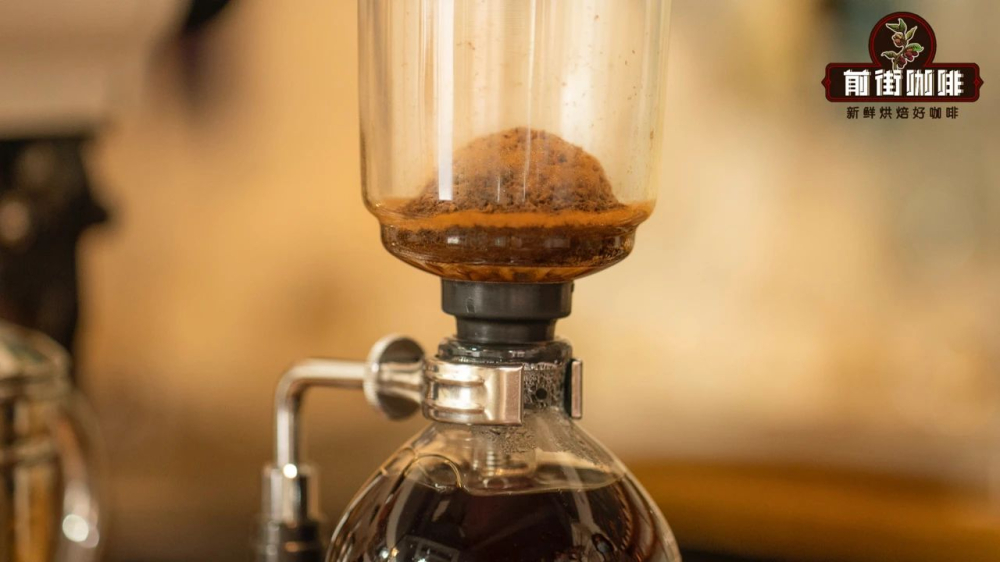
Coffee brewed with a siphon pot often has a rich aroma and full-bodied mouthfeel. Though not as clear and bright as pour over coffee, the often-visible oily layer on the surface adds extra layers of flavor. Additionally, compared to pour over, the siphon pot process is more complex — requiring control of heat, precise timing and stirring rhythm, and timely cleaning of the filter cloth afterward. For cafés that need to produce large quantities daily, it can indeed be more labor-intensive.
In summary, although siphon pot coffee requires a higher level of operational skill, mastering the basic principles and details allows you to enjoy a coffee experience at home that is both visually appealing and rich in flavor. Feel free to experiment with grind size, coffee-to-water ratio, and stirring methods to find the siphon coffee recipe that best suits your taste.



The above content is compiled by CoffeeHunters, a coffee news website.


