







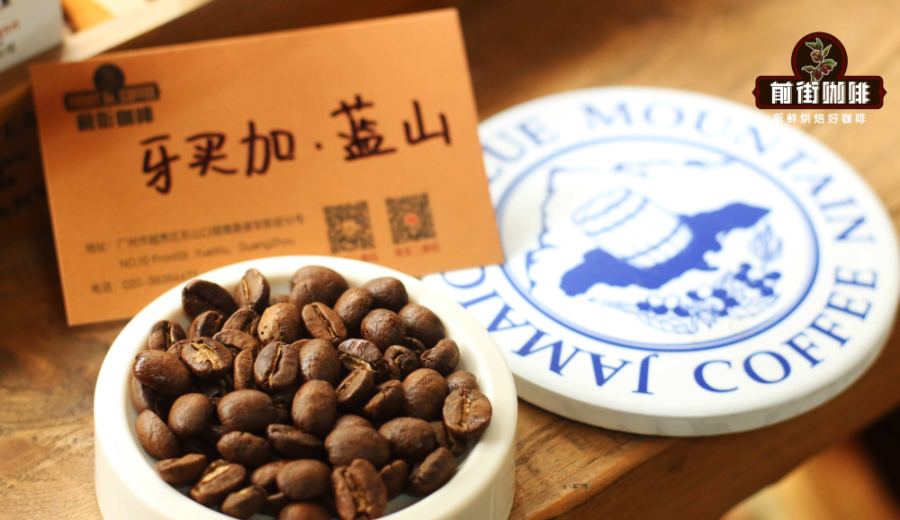
Introduction:Gain an in-depth understanding of Jamaica Blue Mountain coffee’s core producing region and its top representative—Clifton Mount Estate. From its historical roots, official certifications, to professional roasting and pour over parameters, this guide comprehensively analyzes the unique flavor profile and brewing essentials of Blue Mountain No.1 coffee. It is an essential beginner’s guide for those who appreciate specialty coffee and wish to try high-altitude Arabica beans.
Jamaica Blue Mountain coffee has long been regarded as one of the world’s premier coffees, thanks to its delicate and balanced aroma, rich mouthfeel, and uniquely smooth sweetness. To truly appreciate the charm of this specialty coffee, it is worth exploring its regional grading, authentic sourcing, and actual brewing techniques. This article begins with the official grading system, introduces you to the four major Blue Mountain regions, and focuses on Clifton Mount Estate—a still-operating farm that holds “Rainforest Alliance” certification. We will explore its history, geography, and cultivation background. Additionally, we will explain how the popularly sold Blue Mountain No.1 beans are roasted, what pour over parameters are used, and the final flavor profile they deliver, giving you a complete understanding from bean to cup.
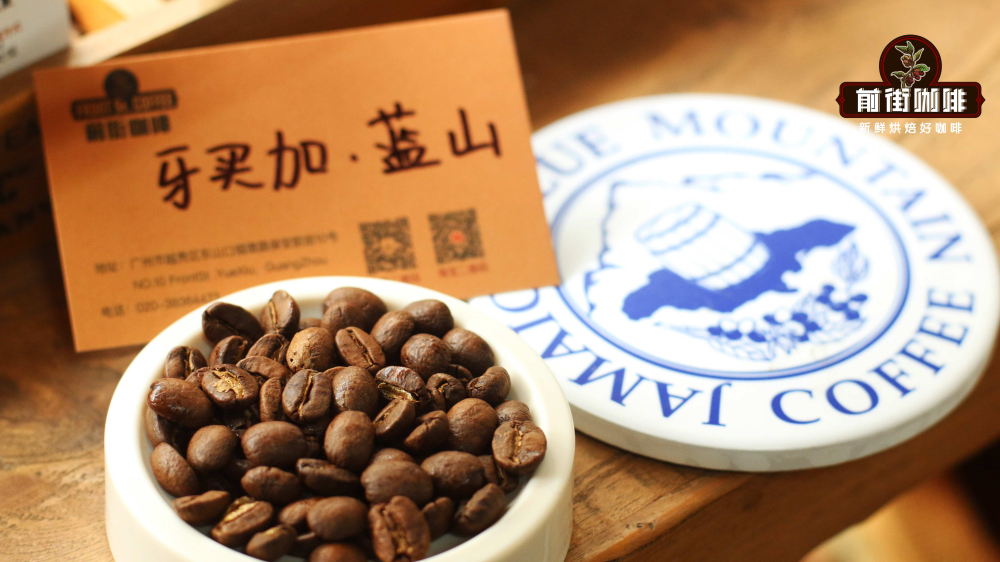
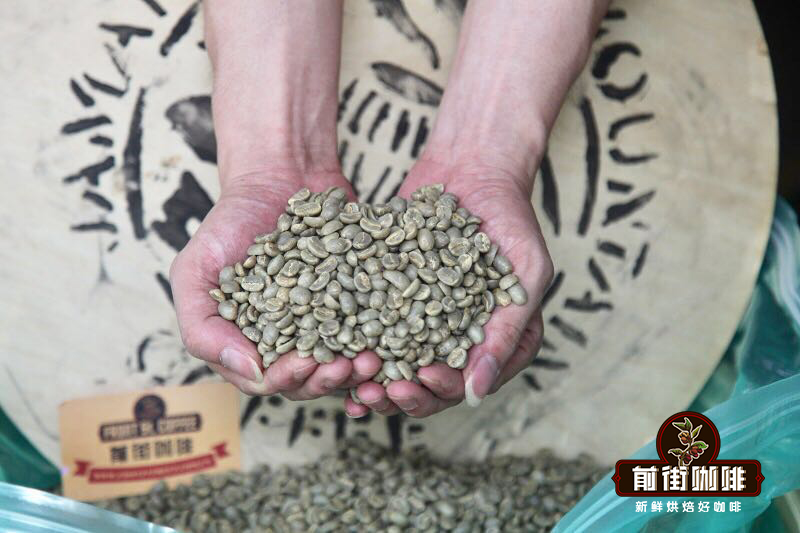
To ensure the quality and authenticity of Blue Mountain coffee, the Jamaican government established the Coffee Industry Board (CIB) in 1953 to oversee domestic coffee production and grading. According to CIB standards, Blue Mountain coffee is divided into four grades: from No.1 to No.3, plus the special peaberry type PB. Among these, the most prestigious Blue Mountain No.1 requires beans to be 17 mesh size or larger, with a defect rate not exceeding 3%, and moisture content controlled at around 13%. In Taiwan and other overseas Chinese-speaking markets, the term “Blue Mountain coffee” typically refers to this top-tier No.1 grade, while other grades are rarely circulated.

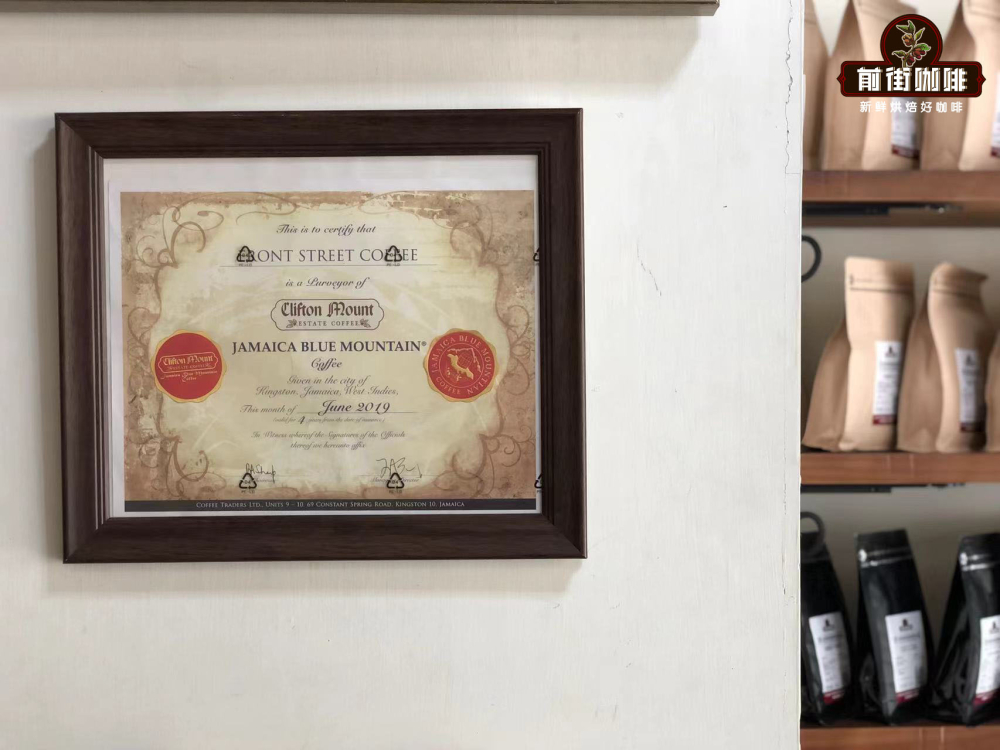
Authentic Blue Mountain coffee is produced only in four specific administrative regions of Jamaica: St. Andrew, St. Thomas, St. Mary, and Portland. The elevation, climate, and soil conditions in these areas collectively shape the distinctive flavor profile of Blue Mountain coffee. Among the many estates, Clifton Mount Estate stands out as the most iconic. As one of Jamaica’s oldest continuously operating coffee farms, Clifton boasts a rich cultivation history and is also the country’s only coffee plantation to hold “Rainforest Alliance” certification, reflecting its commitment and achievements in sustainability and environmental management.
The history of Clifton Mount Estate dates back to the mid-18th century, with coffee cultivation beginning around 1750. According to records from the Jamaica Institute in 1810, the estate was then owned by Robert Hamilton. Surviving map data shows that the entire Clifton Mountain area was divided into two main sections: the mountaintop section covered about 80 acres of coffee fields and 427 acres of pasture, while the foothills had 111 acres of coffee fields and 264 acres of grazing land. This terrain and layout also contributed to microclimate diversity, which significantly influences coffee growth and flavor development.
Entering the 19th century, British writer and artist Marianne North visited Jamaica in 1872 and stayed at Clifton Mountain for five months. In her memoir “Recollections of a Happy Life,” she mentioned the Clifton Hotel where she lodged, which was run by a widowed gentleman who chose to rent the rooms by the week, allowing guests to experience the cool air at an altitude of 1,524 meters and stroll through Jamaica’s oldest coffee plantation. This account confirms that Clifton Mount Estate was already a well-known destination for both tourism and coffee production at the time.
Basic information about Clifton Mount Estate is as follows: currently owned by the Sharp family, it is located in the Newcastle area, covering a total area of 250 acres, of which approximately 180 acres are used for coffee cultivation, with the rest maintained as natural pasture and woodland. The estate’s average elevation is about 1,310.64 meters, and the planted variety is the classic Arabica Typica, which is also the standard cultivar of Blue Mountain coffee, renowned for its elegant flavor characteristics.
Most of the Blue Mountain No.1 coffee beans currently available on the market come from Clifton Mount Estate, including those sold by a well-known coffee brand. The reason for choosing Blue Mountain No.1 lies in its unparalleled balance, with acidity, sweetness, and bitterness harmoniously blended, delivering a rich mouthfeel and notable sweetness—making it a dream coffee for many enthusiasts.
In terms of roasting, due to the delicate nature of Blue Mountain coffee, overly dark roasts can easily mask its characteristics, so medium-light to medium roasts are generally preferred. A well-known coffee brand uses a relatively low water temperature of 88°C for pour over brewing in its stores, paired with a Kono dripper that has a slower flow rate. The goal is to extend the contact time between water and coffee grounds while avoiding over-extraction that could lead to bitterness. The specific extraction parameters are as follows: using 15 grams of coffee grounds, with a 1:15 coffee-to-water ratio, and a grind size controlled to achieve a 70–75% passing rate through a standard #20 sieve, ensuring a moderate release rate.
The pour over technique used by the brand follows a classic three-pour method: first, a 30-gram bloom for 30 seconds to awaken the coffee grounds; the first pour involves slowly circling water to reach 125 grams, then pausing when the liquid level is about to expose the coffee bed. The second pour continues until the total water volume reaches 225 grams, with the entire extraction process controlled to exactly 2 minutes. This process fully highlights the layers and nuances of Blue Mountain No.1.
In terms of the final flavor profile, this Blue Mountain No.1 coffee features black chocolate and nutty aromas as its core, with a silky-smooth mouthfeel. Upon tasting, the acidity, sweetness, and bitterness are well-balanced, leaving a mellow aftertaste with a lingering sweetness. It is highly suitable for drinkers who appreciate delicate and balanced coffee flavors and serves as an excellent entry point for experiencing Blue Mountain-grade coffee.
The above content is compiled by CoffeeHunters, a coffee news website.


