







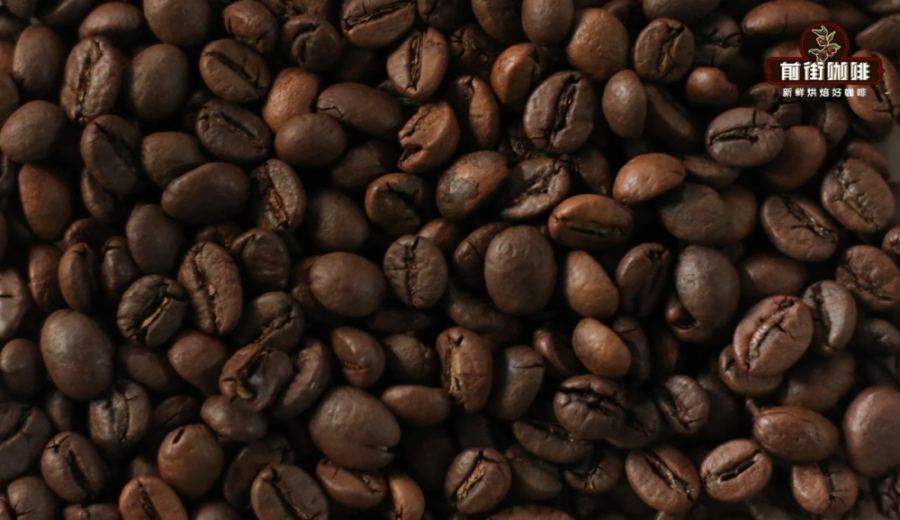
Introduction:Robusta and Arabica are the two most common coffee species in the world, differing greatly in flavor, growing environment, and brewing applications. This article delves into the differences between the two, covering caffeine content, suitable roast levels, common flavor profiles, as well as how to identify and apply them in espresso and single-origin coffee. It helps you gain a more comprehensive understanding of the characteristics of these two types of coffee beans and offers practical selection advice.
In the world of coffee, Robusta and Arabica are the two dominant species and the most commonly seen types of coffee beans on the market. They differ significantly in flavor characteristics, suitable roast methods, and growing conditions. Robusta, known for its strong, bitter taste with unique grainy and nutty notes, is often used in dark-roasted espresso blends or instant coffee. In contrast, Arabica is celebrated for its fruity and floral aromas, favored by most coffee enthusiasts.
In terms of caffeine content,Robusta contains about 2.7% to 4% caffeine, roughly double that of Arabica, which also gives it a natural higher resistance to pests—one of the key reasons it can thrive in harsher environments. Not only does Robusta have high caffeine levels, but it also contains relatively more chlorogenic acids, compounds that contribute to bitterness and also bring out flavor layers such as nuts, barley tea, and even grain-like notes. However, if not processed properly, Robusta can also develop off-flavors like earthiness or rubberiness.
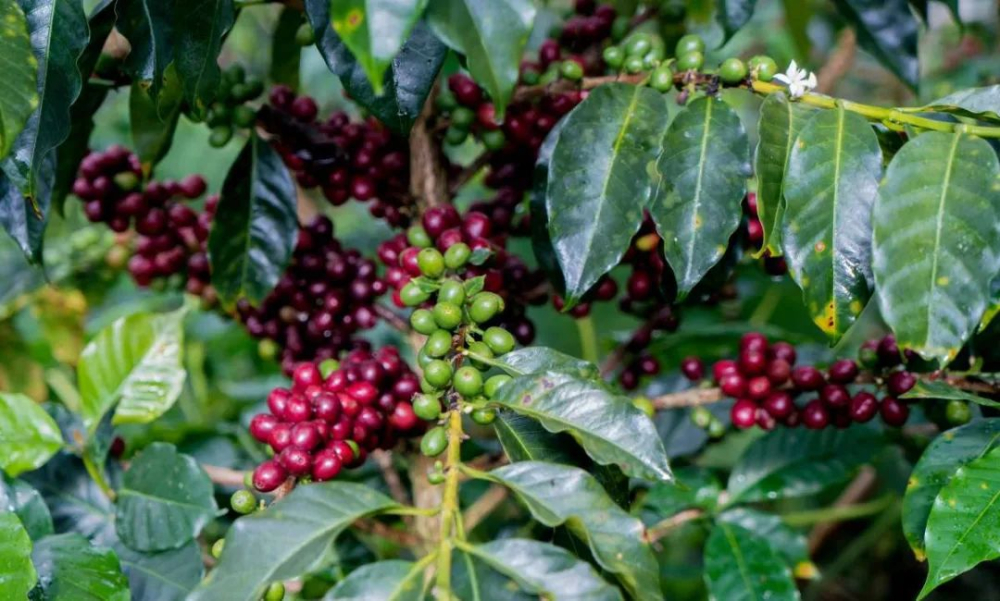
In terms of cultivation conditions, Robusta’senvironmental adaptability far surpasses that of Arabica. It can tolerate a wide range of climates including high temperatures, cold, drought, and humidity, and can grow at low altitudes without requiring the specific microclimates of high elevations. Additionally, Robusta plants yield higher per plant and are easier to harvest mechanically, resulting in lower overall production costs and making it more suitable for large-scale commercial production. In contrast, Arabica requires stricter conditions in terms of altitude, soil, and climate, typically needing to be grown at elevations above 800 meters, and is more susceptible to pests and diseases, leading to greater cultivation difficulty and cost.
Although Robusta is often regarded as an "inferior" coffee bean, its flavor performance is actually closely related to cultivation methods, processing techniques, and roast levels.For example, India’s Royal Robusta, when carefully managed and processed, exhibits clean and layered positive flavors, breaking the past stereotype of Robusta. Therefore, one should not judge quality solely based on species but rather comprehensively assess its production and post-harvest processes.
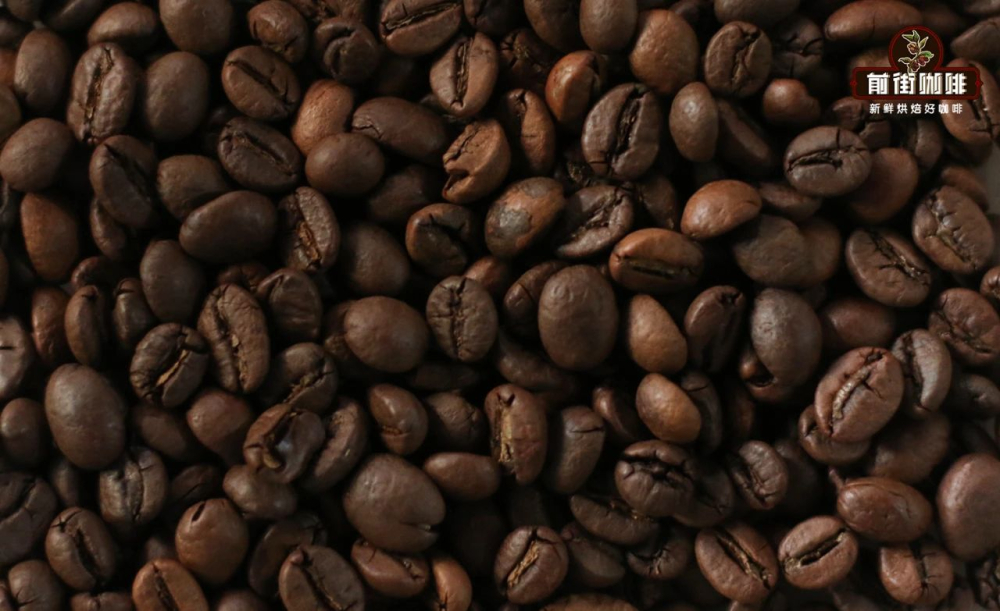
In roasting applications, Robusta is very suitable for dark roasts, as its high levels of chlorogenic acids and rich internal compounds release intense oils and a full body under high temperatures. Especially when making espresso, dark-roasted Robusta can produce abundant crema, adding a rich and bold mouthfeel to the beverage. Many Italian baristas add a small amount of Robusta to their blends to enhance the “body” and “aftertaste” of the coffee, a technique commonly found in many classic espresso recipes.
For coffee enthusiasts wanting to try Robusta flavors, it’s recommended to start with blended beans. For example, blending 10% washed Robusta with other medium to dark-roasted Arabica beans (such as those from Colombia or Brazil) can effectively balance the overall intensity of the flavor while also allowing you to experience the unique richness and oiliness of Robusta. Such blends are commonly used for espresso and can also be adjusted according to personal taste—whether for brewed coffee or mixed with milk as variations like lattes.
In summary, Robusta and Arabica each have their own suitable domains and flavor characteristics. Robusta excels with its high caffeine content, bold bitterness, and oiliness, making it ideal for dark roasts and brewing methods emphasizing strong body. Arabica, on the other hand, is known for its delicate and diverse flavors, fitting well with medium to light roasts and brewing styles that highlight fruit and floral notes. Understanding these differences can help you make more personalized choices when purchasing or tasting coffee, and allow you to better appreciate the unique charm of different coffee varieties.
The above content is compiled by CoffeeHunters, a coffee news website.


