







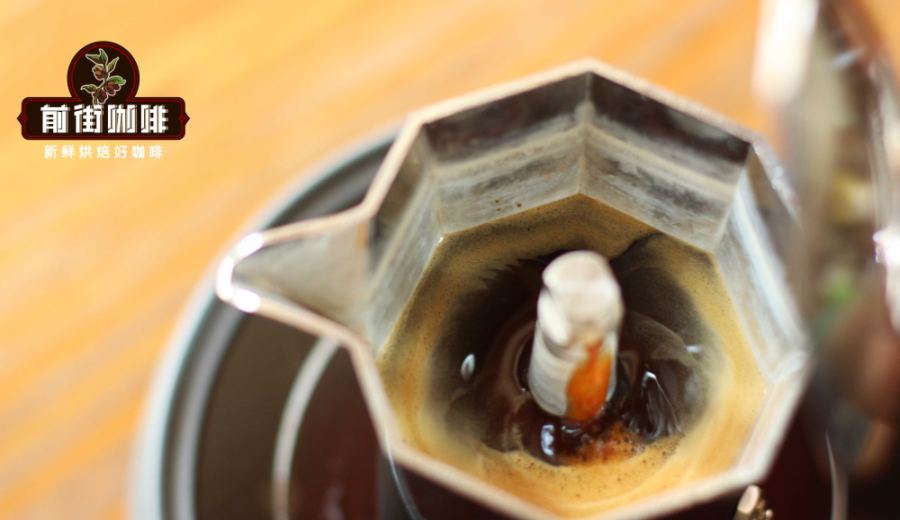
Introduction:When brewing dark roasted coffee with a moka pot, improper technique can easily lead to over-extraction, overly intense flavors, or a lack of taste. This article provides a detailed guide—from bean variety selection, roast level, and grind size, to coffee packing techniques and common mistakes—on how to use a moka pot to brew rich, aromatic coffee with a thick crema. Even beginners can quickly get the hang of it.
Since its introduction in 1933, the moka pot has become an essential tool in the homes of coffee enthusiasts worldwide, thanks to its simple operation and strong extraction. Although it’s not difficult to use, brewing coffee with balanced flavor, rich aroma, and fine crema requires mastering the correct details in bean selection, grinding, and coffee packing. Otherwise, you may end up with bitter, overly strong, or bland results.
Especially when using dark roasted coffee beans, it’s even more important to consider the characteristics of the beans and match them with the right brewing parameters. Below, we’ll break down the key factors for brewing dark roast beans with a moka pot—from suitable bean varieties, freshness, coffee packing amount, to grind size—step by step, so you can brew professional-grade espresso-style coffee at home.
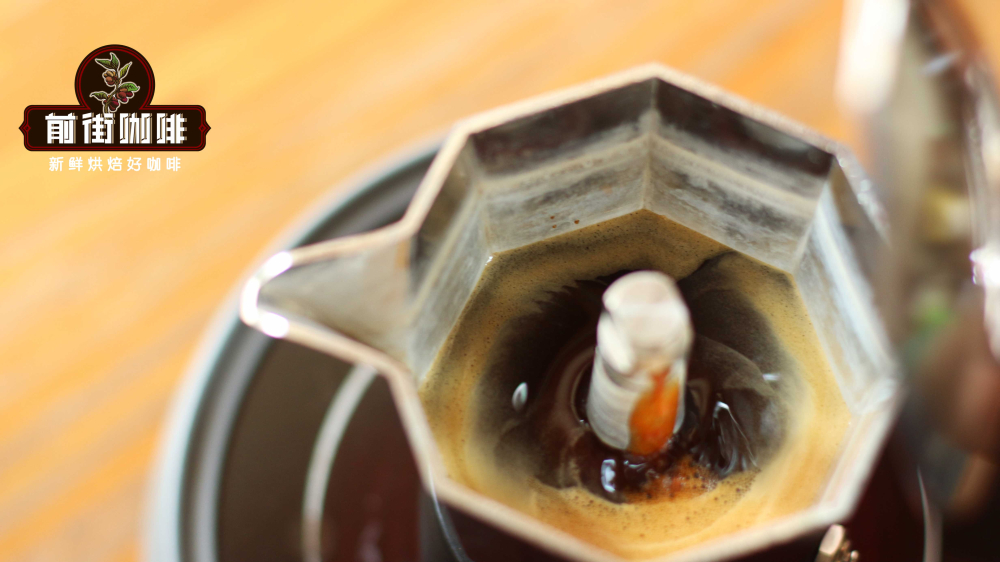
Dark roasted coffee beans undergo more pronounced caramelization reactions due to higher temperatures and longer roasting times. This not only releases rich aromas of caramel, chocolate, and nuts, but also allows the beans to accumulate more gases, which help form a thick crema (coffee oils) during brewing. Therefore, if you want to brew a cup of coffee that is rich, oily, and layered with complexity using a moka pot, it’s recommended to choose beans with a medium-dark to dark roast level.
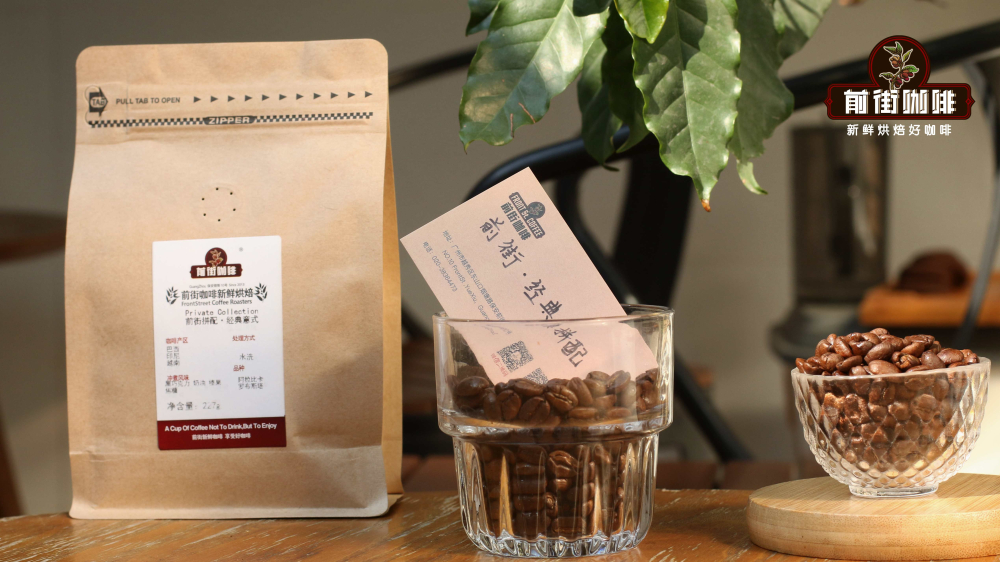
Taking several common commercial espresso blends as examples: classic Italian espresso blends often feature aromas of dark chocolate, caramel, and hazelnuts, with a full body and bold taste, making them suitable for those who prefer intense flavors; premium espresso blends emphasize a balance between nuts and chocolate, with a noticeable aftertaste, ideal for creating smooth lattes; strawberry sugar espresso blends offer floral and fruity notes, such as rose, blueberry, and grape, catering to those who prefer a fresher profile; while basic espresso blends are known for their stable nutty and chocolatey base, making them great for everyday drinking with high cost-performance.
No matter which blend you choose, freshness is a key factor affecting coffee flavor. After roasting, coffee beans typically experience a significant decline in aroma after about 50 days, so it’s recommended to choose products with a clear roasting date and ensure the time from roasting to brewing isn’t too long. Professional brands usually ship within 5 days of roasting and use packaging with one-way degassing valves, which help delay aroma loss and maintain bean freshness.
When using a moka pot, the amount of coffee packed is also extremely important. Many beginners, in an effort to save coffee beans, only fill the basket halfway, which reduces water resistance and shortens extraction time, resulting in coffee that tastes sour and weak—a phenomenon known as “under-extraction.” To achieve optimal extraction, it’s recommended to fill the ground coffee basket to about nine-tenths or completely full, then gently tap the edges with your palm or a tool to make the coffee layer even and compact. This ensures hot water passes through uniformly, extracting complete aromas and flavors.
As for grind size, it’s one of the most critical factors in moka pot extraction. Compared to the coarse sugar-like grind used for pour over coffee, the coffee grounds for a moka pot should be finer than what’s typically used for pour over, but slightly coarser than the very fine grind used in professional espresso machines. It’s recommended to adjust the grind to be close to that of fine sugar, or even slightly coarser than commercial espresso beans. You can specifically observe the gap in the filter basket to ensure the coffee grounds don’t fall through into the lower chamber. If the grind is too fine, it may lead to over-extraction, resulting in obvious bitterness and astringency.
In summary, when using a moka pot to brew dark roasted coffee beans, in addition to choosing the right bean variety and ensuring freshness, the amount of coffee packed and the grind size are the most influential factors on the final flavor. Mastering these details not only helps you avoid common extraction mistakes, but also allows you to easily brew coffee at home that rivals the quality of café-level brews, enjoying every sip of coffee rich in layers and aroma.
The above content is compiled by CoffeeHunters, a coffee news website.


