







Introduction:Golden Mandheling is a representative of premium Indonesian coffee, renowned for its rich, clean flavors and consistent quality. This article delves into the brand background of PWN, Indonesia’s green bean grading system, explores the connection between Sumatra’s growing regions and the wet-hulling process, and provides practical brewing parameters for medium-dark roasts—including water temperature, grind size, and a step-by-step Kono filter method—to help you easily recreate the classic Mandheling flavor profile.
When Indonesian coffee is mentioned, most coffee enthusiasts immediately think of Mandheling. Among the various types of Mandheling, ‘Golden Mandheling’ produced by PWN Coffee Company stands out in the specialty market for its consistently high quality and classic rich flavor. This article will give you a comprehensive understanding of this classic bean variety—from the origins of the brand, regional characteristics, processing details, to brewing recommendations for medium-dark roasts—to help you gain deeper insight and successfully brew a high-quality Golden Mandheling at home.
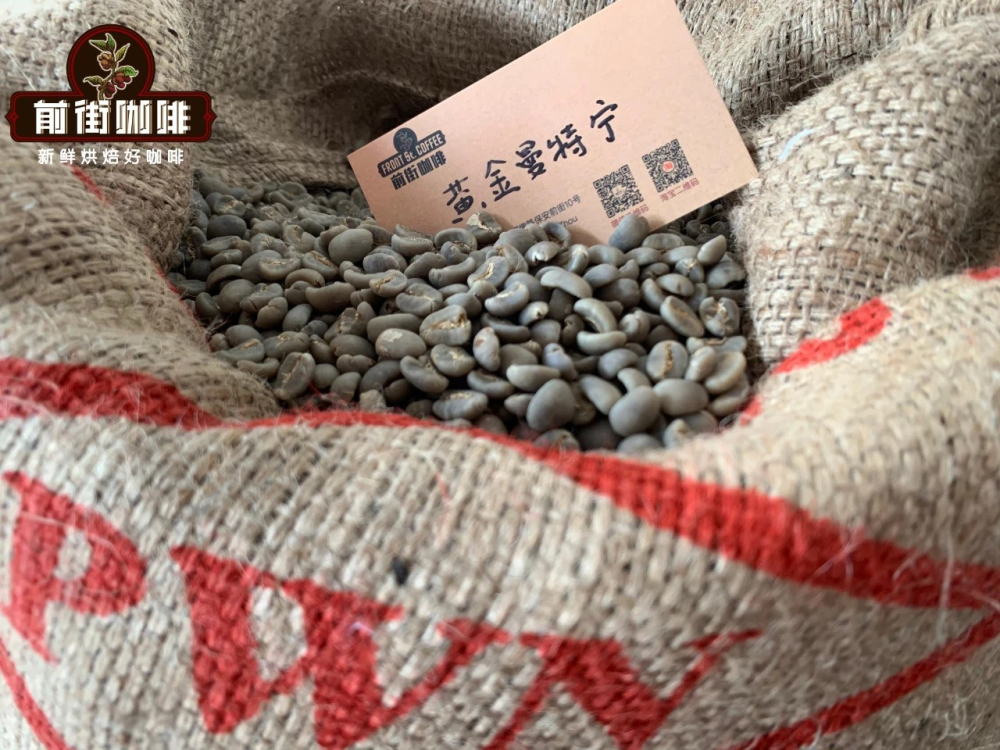
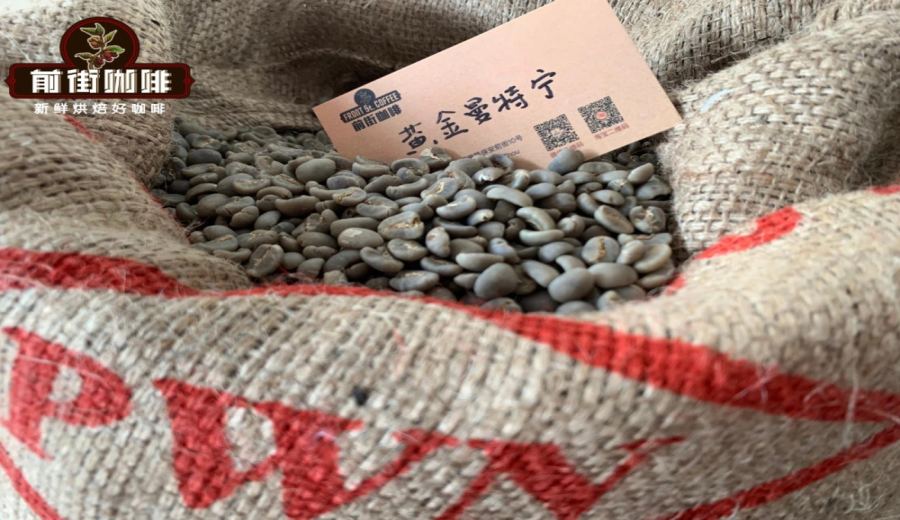
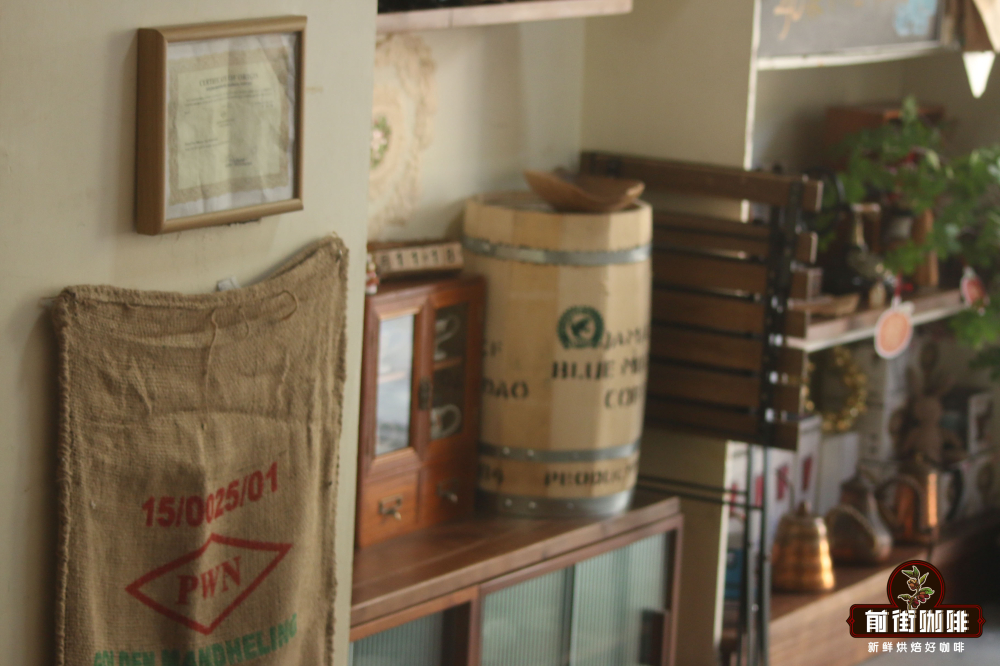
The ‘Golden Mandheling’ under PWN is not a generic term for commercially available Mandheling, but an exclusive brand registered by the company. Although many products on the market claim to be ‘Golden Mandheling,’ only those produced by PWN, bearing the official PWN logo and origin certification, are considered authentic. To identify genuine product
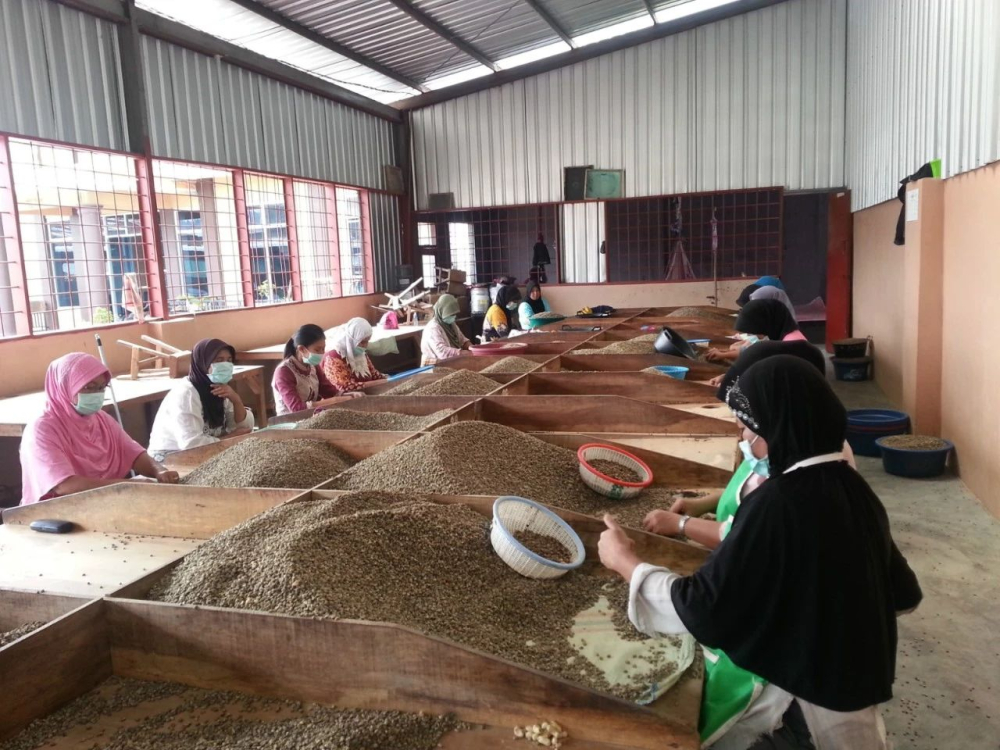
Indonesia's green bean grading system primarily evaluates beans based on the number of defects, supplemented by bean size. The lower the defect rate, the higher the grade. Among these, G1 is the highest grade, requiring no more than 11 defective beans in a 300-gram sample. Lintong Mandheling is a classic example of a G1-grade bean, grown in the Lintong region of Sumatra and commonly processed using the wet-hulled method, showcasing classic Indonesian flavors such as dark chocolate, nuts, and spices. Meanwhile, PWN's Golden Mandheling goes a step further beyond G1, undergoing multiple rounds of manual sorting and mechanical density sorting to ensure that each bean meets even higher standards in both quality and appearance.
The term "Mandheling" is actually a synonym for Sumatran coffee. Sumatra has eight provinces, but only the high-altitude regions of Aceh and North Sumatra are suitable for growing Arabica coffee. These areas are perpetually influenced by a tropical rainforest climate, characterized by persistent cloud cover and high humidity. Coffee trees are mostly planted in volcanic soil regions around Lake Tawar and Lake Toba. Among them, the Gayo Mountains, with their favorable organic farming environment and long-standing cultivation history, have become a key sourcing area for many renowned green bean traders, and PWN is one of them.
When discussing Indonesian coffee, one cannot overlook its most iconic processing method—the wet-hulled process. Compared to the traditional washed method, which takes 1 to 3 weeks, the wet-hulled method can be completed in just a few days. This method first removes the coffee fruit's skin and pulp, followed by a brief fermentation period and initial drying. Once the beans reach a semi-dry state, the parchment layer is removed, and the beans are further dried to approximately 12% moisture content. While this method accelerates the drying process, Indonesia’s high-humidity environment, if not properly managed, can cause the beans to absorb moisture and develop mold, thereby affecting the flavor. As a result, although the wet-hulled method is efficient, it demands extremely high standards of processing technique and environmental control.
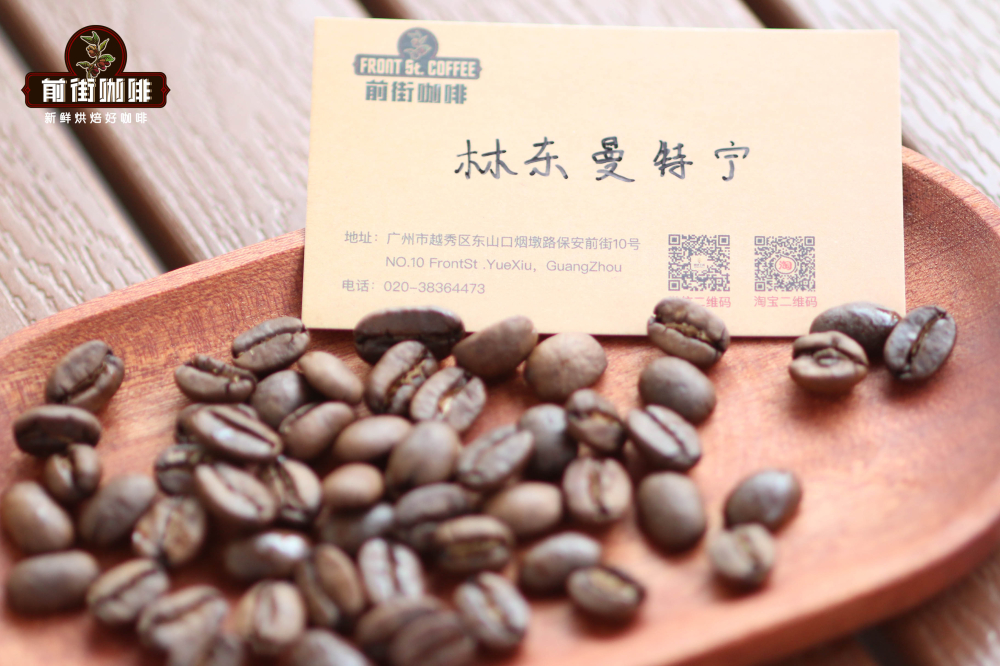
The wet-hulled method imparts a unique flavor profile to Mandheling, often featuring woody notes, herbal aromas, and layers of spice, but it can also come with a heavy or muted mouthfeel. To highlight its richness and sweetness while reducing excessive acidity, some coffee roasters typically opt for a medium-to-dark roast. This roast level helps bring out intense flavors of caramel, nuts, and dark chocolate, while maintaining balance and clarity in the cup. Properly roasted Golden Mandheling often showcases a complex interplay of spices, pine, and fruity notes, with a smooth, sweet aftertaste.
If you’d like to brew this classic medium-to-dark roasted Golden Mandheling at home, we recommend the following parameters for optimal results: use a Kono filter, with water temperature controlled at87~88°C, a coffee dose of15 grams, a brew ratio of1:15, and a grind size set to70~75% passing through a #20 standard sieve, which equates to a medium-coarse to slightly finer grind, balancing extraction efficiency and a full-bodied mouthfeel.
The specific brewing steps are as follows: start with a30-second bloom using 30 grams of waterto initiate the release of aromatic compounds from the coffee grounds; then pour water in small circular motions until you reach125 grams for the first pour, wait for the water level to drop slightly, then continue pouring until you reach atotal of 225 grams, and remove the filter just before the drawdown finishes. The total brew time should be kept to around2 minutes. This pouring technique extends the contact time between water and coffee, improving extraction uniformity and allowing the coffee’s richness and aroma to fully develop.
In summary, Indonesia’s Golden Mandheling, with its stringent selection standards under the PWN brand, the unique terroir of Sumatra’s high-altitude regions, and the distinctive flavors brought by the wet-hulled process, has become a classic favorite among many coffee enthusiasts. By mastering the right roast level and brewing parameters, you too can enjoy a rich, clean, and layered Mandheling coffee at home.
The above content is compiled by CoffeeHunters, a coffee news website.


