







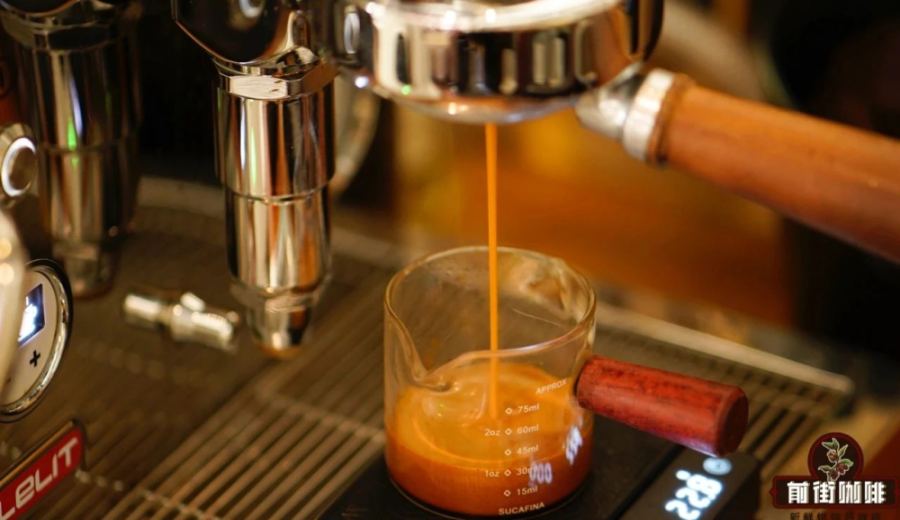
Introduction:The flavors of espresso are not limited to being just strong and bitter. With the right blend and roasting techniques, it can also showcase captivating layers such as floral, fruity, caramel, and chocolate notes. This article delves into the extraction logic of espresso, introduces four high-value blends, explains their origin compositions and suitable scenarios one by one, and explores the characteristics and roasting essentials of SOE (Single Origin Espresso). Finally, it provides practical advice on resting, grinding, and brewing to help you find the most suitable everyday espresso bean.
Espresso is extracted under high temperature and high pressure, producing a rich and complex coffee liquid in a short time. Many people associate it with an impression of “bitter and intense,” but in fact, a precisely extracted espresso can also present fruity, floral, caramel sweetness, and even spicy notes. The key lies in the coffee beans used and the roast profile.
Many assume that only beans roasted to a specific degree can be used for espresso, but that’s not the case. Whether medium-light or dark roast, you can experiment based on personal taste. However, if you’re aiming for a balanced flavor and smooth mouthfeel in your ideal espresso, blends are typically used to harmonize the characteristics of different origins or processing methods. Blending not only integrates multiple flavors but also stabilizes extraction performance — a technique commonly employed by professional baristas.
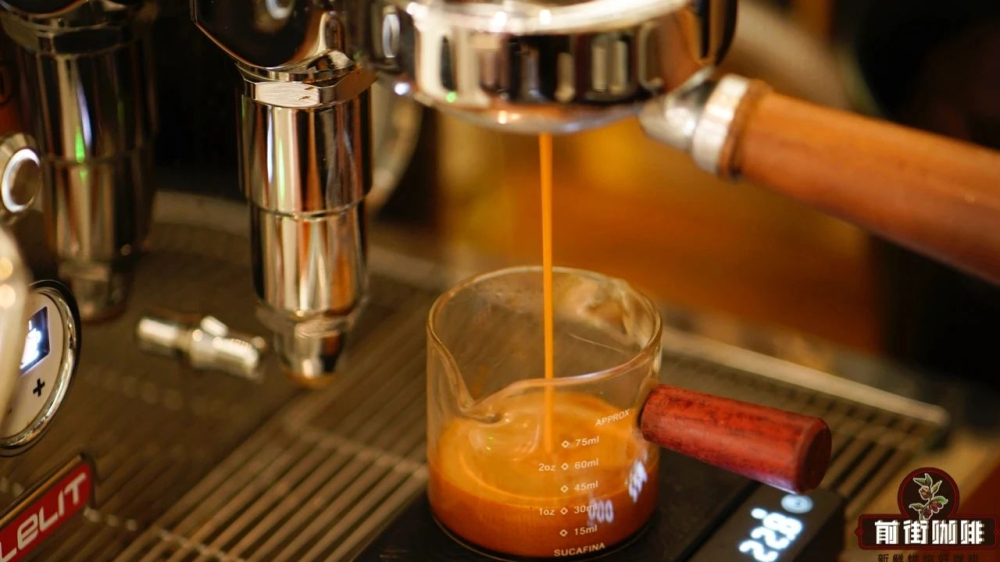
A variety of espresso blends are available, among which four stand out due to their high cost-performance ratio and wide range of applicable scenarios, making them daily choices for many coffee enthusiasts:
1. Classic Espresso Blend (49 RMB / 227g)
Ideal for those who enjoy a bold and full-bodied taste. This blend uses Brazilian, Indonesian, and Vietnamese beans as its base, employing a dark roast to fully release the coffee’s intense aroma while producing rich crema. It’s suitable for making Americano or latte. With its deep roast level, the oils extract smoothly, making it a great choice for those seeking a strong flavor profile.
2. Strawberry Candy Espresso Blend (85 RMB / 227g)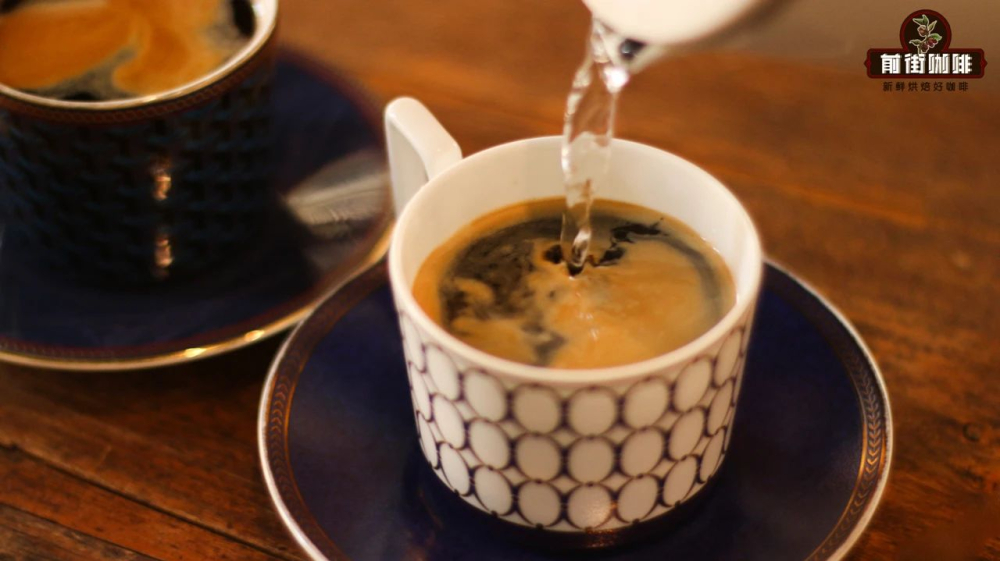
For an espresso with fruity and floral notes, a medium-light to medium roast is key. This blend combines Costa Rica Tarrazu honey-processed beans, Ethiopian beans, and Colombian beans, resulting in a gentle yet layered flavor profile. It delivers a sweet-and-sour taste reminiscent of strawberry taffy, while maintaining the richness and crema typical of espresso. Suitable for those who appreciate a balance of fruitiness and sweetness.
3. Premium Espresso Blend (75 RMB / 454g)
Composed of beans from Brazil and Colombia, the Brazilian beans provide nutty tones and balance, while the Colombian beans bring chocolate and toasted aromas. Together, they yield a combined flavor of butter cookies, cocoa, and roasted nuts. Ideal for those who prefer a rich yet layered taste, often used in lattes or cappuccinos.
4. Commercial Espresso Blend (60 RMB / 454g)
This blend primarily consists of Brazilian, Colombian, and Vietnamese beans. A medium-dark roast gives the coffee distinct toasty notes and full-bodied crema. It’s perfect for replicating classic café-style Americanos and lattes at home. With its smooth and mellow taste and affordable price, it’s highly suitable for everyday, high-volume consumption needs.
In addition to traditional blends, SOE (Single Origin Espresso) has gained popularity in recent years. SOE emphasizes using single-origin beans to make espresso, allowing the terroir characteristics of the origin to shine more directly — such as bright acidity, unique floral notes, or distinctive sweetness. Compared to blends, SOEs often have more flexible roast levels and don’t necessarily require deep roasting, thus preserving more of the bean’s original flavors.
It’s recommended to try the Huakui SOE beans, originating from the Hambela region in Ethiopia’s Guji zone and processed using the natural (sun-dried) method. To highlight its unique flavors of strawberry, citrus, and black tea, this bean is medium roasted. Whether used for a SOE Americano or latte, it showcases clear berry aromas, subtle floral notes, and a soft sweetness. The latte version further reveals layers of cranberry cookie and milk candy.
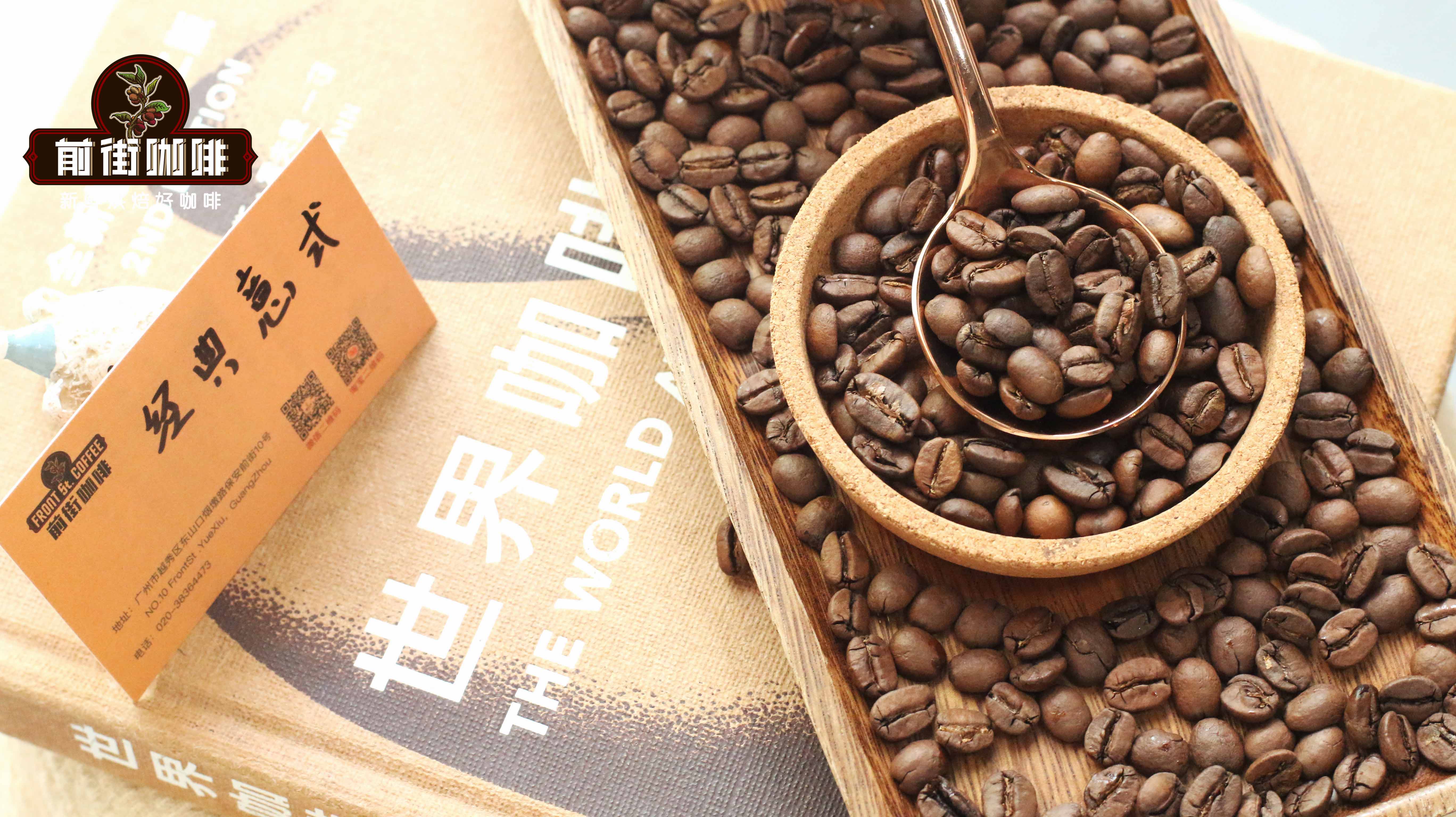
Whether you choose a blend or an SOE, the resting, grinding, and brewing timing of the coffee are extremely important. It is advised that freshly roasted beans offer the best flavor, typically with a resting period of 4 to 7 days post-roast when the flavor is most balanced. Additionally, although ground coffee is available, once beans are ground, oxidation accelerates, so it’s best to use them promptly. For the most complete flavor experience, it is recommended to purchase whole beans and grind them fresh before brewing to fully appreciate the coffee’s nuances and layers.
The above content is compiled by CoffeeHunters, a coffee news website.


