








Introduction:Want to explore the allure of Costa Rica’s honey processing method for coffee and learn how to highlight its unique flavors using a traditional Chorreador cloth pour over? This article delves into the differences between honey and washed processing in Costa Rica’s Tarrazú region, introduces the flavor profiles of representative beans from the Musician Series—such as Chopin, Beethoven, and Mozart—and provides practical pour over parameters along with Chorreador brewing tips to help you master the brewing techniques.
Although Costa Rica has a limited land area, it holds a significant position in the global specialty coffee scene. The country is known for its distinctly sweet coffee and diverse processing methods, among which honey processing is one of its most iconic features. This article will start with the historical background of Costa Rican coffee, analyze in detail the differences between honey and washed processing methods, introduce several representative beans from the Tarrazú region—including the Musician Series beans such as Chopin, Beethoven, and Mozart—and offer practical pour over suggestions as well as an explanation of the traditional Chorreador cloth brewing method.
The history of coffee cultivation in Costa Rica dates back to the introduction of seeds from Cuba, making it one of the first countries in Central America to achieve commercial coffee production. Thanks to its diverse microclimates, Costa Rica has demonstrated a high degree of innovation in green coffee processing techniques. In addition to the common washed and natural processes, honey processing is widely used and is a highly representative technique. Honey processing retains varying degrees of the fruit mucilage layer, which imparts richer sweetness and fruity notes to the coffee beans during sun drying.
Among the various honey processed coffees in Costa Rica, raisin honey process is the most representative, commonly found in beans from the Musician Series such as Chopin, Bach, and Mozart. Depending on the proportion of mucilage retained, honey processing can be divided into yellow honey (approximately 40% retention), red honey (around 25%), and black honey (with almost no mucilage removed). Generally speaking, the more mucilage retained, the more pronounced the sweetness and body, and the more likely the coffee is to exhibit rich fruit and caramel characteristics. For example, the Bach coffee uses raisin honey processing. After floating to select high-maturity coffee cherries, the pulp is removed but the full mucilage layer is kept, followed by sun drying, resulting in distinct aromas of strawberry, apple, lemon, and grape, along with sweet flavors of honey and toffee.
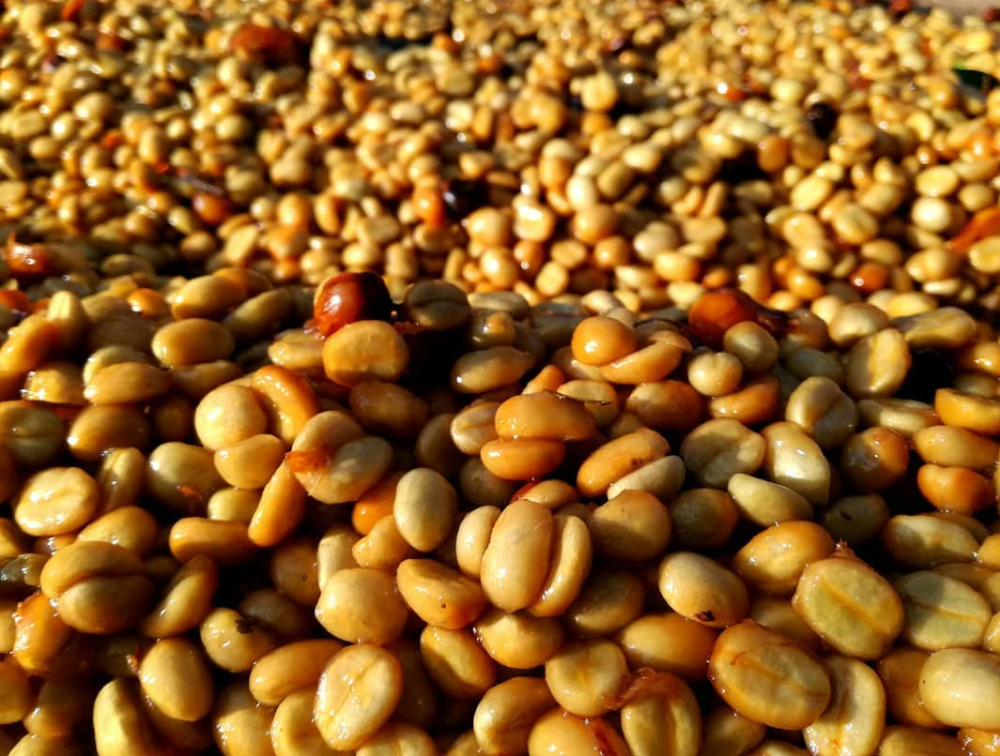
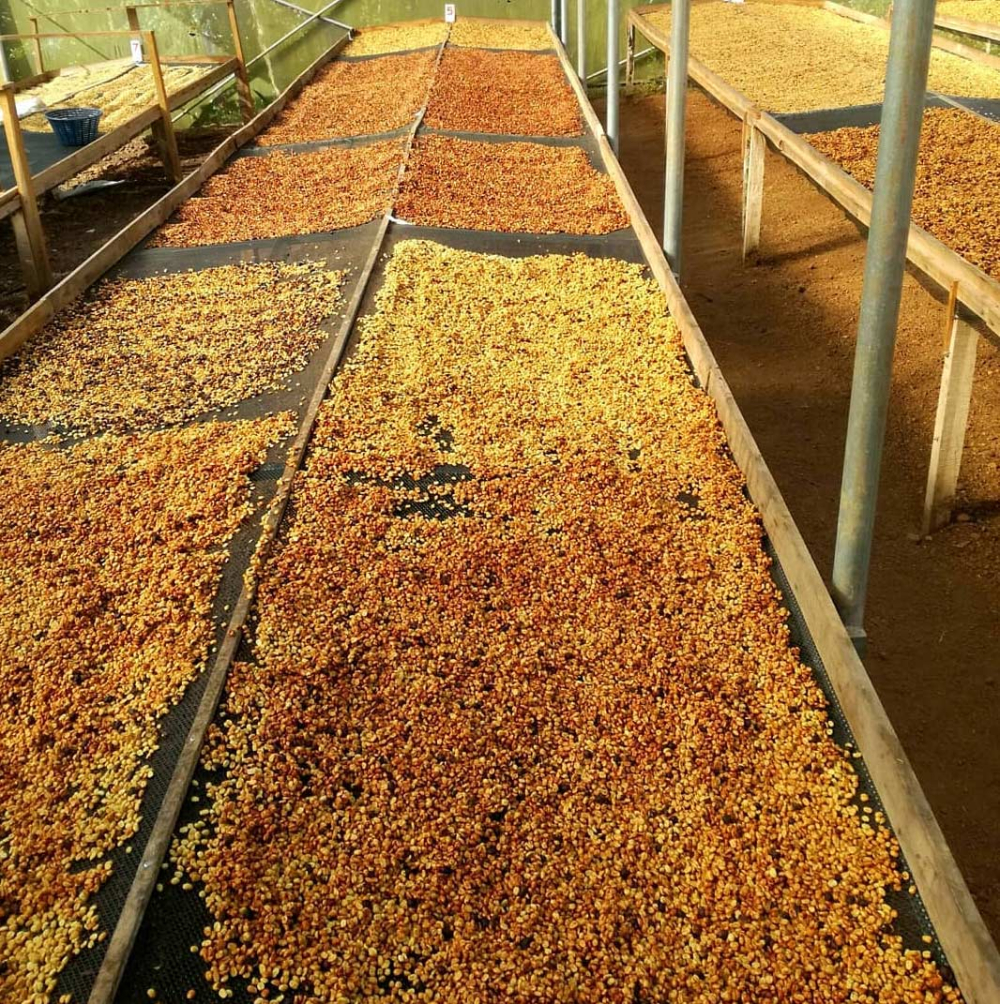
Another advantage of honey processing is its relatively water-saving nature. The drying process does not require large amounts of water for fermentation, so there’s no need to build large fermentation tanks or drying patios, making it more environmentally friendly and reducing production costs. This is one of the reasons why many processing mills in Costa Rica prefer this method. Additionally, the drying time for honey processed green beans is usually shorter than that of washed processed beans, which helps shorten the overall production cycle.
When it comes to classic coffee-growing regions in Costa Rica, Tarrazú is definitely a name that cannot be overlooked. As a long-established producing region, Tarrazú is renowned for producing high-quality specialty coffee. Take washed-processed Costa Rica Tarrazú coffee, for example: it removes the pulp and skin using a large amount of clean water, employs water tank fermentation to remove the mucilage layer, and then dries the beans in the sun. This process helps reduce the percentage of defective beans and enhances the overall cleanliness and bright flavor profile of the coffee. It often presents a refreshing acidity akin to orange juice, as well as sweet aftertastes of toffee and honey.

Coffee cultivation in Costa Rica primarily features the Caturra and Catuaí varieties, both of which are highly adaptable and the most commonly grown cultivars among local coffee farmers. In addition, Costa Rica has its own unique native variety—Villalobos—which is less common, suitable for high-altitude cultivation, wind-resistant, but requiring shaded environments. Most coffee trees grown in Costa Rica are of the Caturra and Catuaí varieties, which are also common choices for the Musician Series, including those from the Tarrazú region.
The Costa Rican government is committed to improving the quality of the coffee industry, encouraging farmers to grow premium coffee through measures such as distributing free coffee seedlings. This initiative has not only elevated the overall standard of coffee but has also given rise to many beans with unique flavor profiles, among which the Musician Series is a brilliant representation that combines regional characteristics with processing techniques. The series includes beans such as Beethoven, Chopin, and Mozart, each showcasing a distinctly different flavor profile, allowing coffee enthusiasts to choose based on their personal preferences.
In the Musician Series, the Beethoven coffee uses the yellow Caturra variety from the Tarrazú region and is washed processed. It offers delicate fermented wine-like and floral aromas, paired with bright acidity of citrus and berries, a smooth mouthfeel, and a hint of the slight tartness of green kiwi. The Chopin coffee is presented with raisin honey processing and delivers a rich and layered flavor profile, featuring rose floral notes, citrus acidity, honey and maple sweetness, along with a dark chocolate finish—making it ideal for those who enjoy sweet and aromatic profiles. The Mozart coffee also uses raisin honey processing, standing out with its pronounced sweetness and berry aroma. The sweet taste of ripe fruit-like dried banana and its rich mouthfeel leave a deep impression.
If you’d like to brew these uniquely flavored Costa Rican coffees yourself, you might want to try using either pour over or the traditional Chorreador cloth method. The Chorreador is a simple hand brewing tool originating from Costa Rica, consisting of a wooden stand and a cotton cloth filter, which can fully showcase the original flavors and aromas of the coffee. When using a Chorreador, it is recommended to use a medium-fine grind (similar in size to coarse sugar), with a water-to-coffee ratio of about 1:15, and water temperature controlled at 90–93°C. First, wet the cloth filter, then add the coffee grounds, and slowly pour hot water in stages. The extraction time is approximately 2–3 minutes. If you opt for pour over, V60 or Kalita Wave are recommended, with the same medium-fine grind. Water temperature and ratio can be fine-tuned according to personal taste.
In summary, the charm of Costa Rican coffee lies not only in its exceptional geographical environment but also in its diverse processing methods, especially the sweetness and fruity flavors brought by honey processing. By getting to know the various representative coffee beans from the Tarrazú region and mastering suitable pour over and Chorreador brewing techniques, you’ll be able to more deeply appreciate the unique charm of Costa Rican coffee.

The above content is compiled by CoffeeHunters, a coffee news website.


