







Introduction:If you’re looking to explore a different coffee flavor profile, try cold drip and cold brew made with cold water extraction. These two methods don’t use hot water but instead highlight the delicate acidity, sweetness, and layered complexity of coffee through low-temperature slow extraction. This article delves into their principles, flavor characteristics, and provides detailed brewing procedures and storage tips so you can easily brew professional-grade cold coffee at home.
The world of coffee isn’t limited to hot water brewing—cold water extraction can also showcase captivating coffee flavors. As early as the 1960s, Japan saw the rise of a technique called ice drip coffee, which involves slowly dripping ice water through coffee grounds. This method allows ice water to gradually seep through the coffee, extracting over a long period to produce a rich, mellow coffee liquid with almost no sharp bitterness. Because the extraction process can take 6 to 8 hours, requires occasional ice replenishment to maintain low water temperature, and yields small batches, ice drip coffee is often more expensive than regular hot-brewed coffee.
However, not everyone has professional ice drip equipment, so some opt for a simpler method: soaking coffee grounds in cold water and refrigerating for about 12 hours. Although this easy version of cold brew may be slightly inferior in filtration purity, it still delivers a full and balanced taste without any noticeable harsh bitterness.
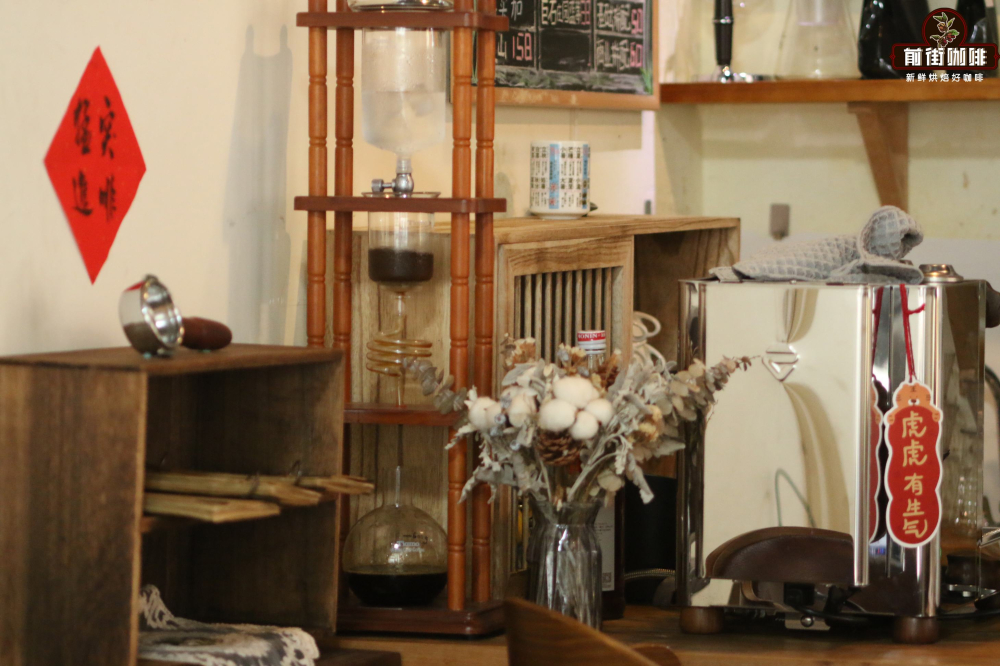
The core difference between ice drip coffee and cold brew lies in the extraction method: the former filters ice water drop by drop through coffee grounds, making it a “drip filtration” method, while the latter involves directly soaking coffee grounds in cold water and then letting it sit refrigerated, classifying it as an “immersion” method. Their taste profiles also differ: ice drip coffee typically has a cleaner, brighter flavor with a refreshing acidity and delicate sweetness, whereas cold brew tends to have a richer, more balanced overall taste with soft layers and a long-lasting aftertaste.
Cold water extraction and traditional hot water brewing yield distinctly different flavor profiles. Cold water, lacking the heat to activate molecular activity, finds it harder to extract large molecules that often bring bitterness and astringency, thus preserving more acidic and fruity notes. The overall taste is cleaner and crisper, though the aroma may not be as bold as with hot brewing. In contrast, hot water not only fully extracts a wide range of aromatic compounds from coffee but also enhances aroma volatility through heat, allowing one to enjoy the rich coffee fragrance even during the brewing process.
If you want to try low-temperature extraction at home, it’s recommended to start with coffee beans that have bright acidity and rich flavor layers. For example, Ethiopia’s Yirgacheffe Natural Red Cherry offers a strong berry juice sensation, clear citrus acidity, accompanied by soft fruit fermentation aromas and a black tea-like sweet finish. If you prefer lower acidity, Costa Rica’s Musician Series Mozart Raisin is also a great choice, featuring intense raisin aromas, gentle sweet orange acidity, mild fruit fermentation notes, and a sweet caramel aftertaste.
The coffee used for the brewing demonstration in this article is freshly roasted Mozart beans. It’s important to note that coffee beans are typically at their best within 4 to 35 days post-roast, and it’s recommended to begin using them within 5 days of roasting to achieve the richest extraction performance.
When making ice drip coffee, it’s advisable to choose a grind size similar to that for ice pour over—about 85% passing through a Chinese No. 20 standard sieve, or equivalent to a 9-setting grind on an EK-43s grinder. Due to the low-temperature environment, where water molecule activity is slower, a slightly finer grind can help improve overall extraction efficiency.
In practice, you can use a 1:10 coffee-to-water ratio (e.g., 60 grams of coffee grounds for 600 grams of coffee liquid), with a recommended ice-to-water ratio of 1:1, and adjust the drip rate to around 7 drops per 10 seconds. The entire process takes about 6 to 8 hours. If you prefer a lighter or stronger taste, you can flexibly adjust the coffee-to-water ratio between 1:10 and 1:12.
Before starting the drip, place round filter paper at the bottom of the middle container and moisten it with water to secure it. Then add the ground coffee and gently level it to ensure an even distribution of the coffee bed. Cover it with another piece of filter paper to prevent the dripping water from directly impacting the coffee layer, which could cause over-extraction or unevenness. It’s recommended to slightly wet the coffee layer with cold water before starting the drip to help initiate the extraction process and shorten the initial unstable phase.
Place the coffee-filled powder chamber on the drip stand, start pouring the ice water mixture (recommended to be half ice and half cold water), and adjust the valve to control the flow rate to about 7 drops per 10 seconds. Ensure the dripping point aligns with the coffee liquid outlet for a smooth and stable flow. After the drip filtration is complete, pour the collected coffee liquid into a sealed container (such as a glass bottle) and let it sit refrigerated for fermentation for at least 12 hours—it’s usually ready to enjoy the next day.
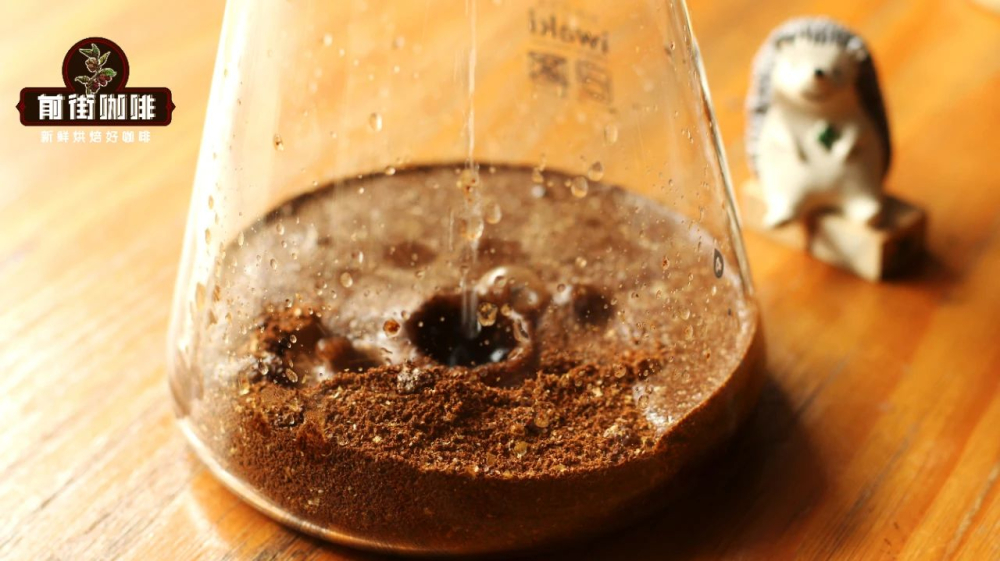
As for cold brew, its brewing process is much simpler. Use a similar grind size as for ice drip, with a 1:11 coffee-to-water ratio (e.g., 1 gram of coffee grounds to 11 grams of cold water). Pour the coffee grounds and cold water into a clean, sealed container, stir thoroughly to ensure the coffee is evenly saturated, then seal and refrigerate for 12 to 16 hours of low-temperature immersion extraction.
Many households opt to make large batches of cold brew at once, storing it in the fridge for convenient access. However, it’s important to note that while the cold environment slows down fermentation and spoilage, it doesn’t completely stop it. Each time the bottle is opened, air and bacteria enter, and over time, substances in the coffee liquid gradually change, affecting flavor and possibly leading to spoilage.
According to practical tests, cold brew tastes best within 1 to 4 days of refrigeration. It’s recommended to consume it within 5 days of brewing to ensure optimal taste and food safety. If using warm water to speed up the extraction process—a method that extracts flavor compounds more quickly and is more prone to microbial growth—the recommended consumption window is shortened to within 2 days to avoid stomach discomfort.
The above content is compiled by CoffeeHunters, a coffee news website.


