








Introduction:Siphon coffee, with its unique brewing method and visual appeal, has become a classic in the hearts of many coffee enthusiasts. This article delves into the history, equipment structure, and operation process of the siphon, offering an in-depth look at this extraction technique with nearly two hundred years of history. Whether you're a beginner or a seasoned enthusiast, you'll be able to master key techniques and brew rich, layered coffee.
Among the many coffee brewing tools, the siphon holds a unique position thanks to its distinctive vacuum extraction principle and ceremonial operation process. Compared to the refinement of pour over coffee and the convenience of drip machines, the siphon offers a coffee experience that combines science and art. This article will comprehensively analyze the historical origins, equipment structure, and operational essentials of the siphon. Whether you're new to it or seeking advanced techniques, you'll find practical information here.

The English name for the siphon is "SIFFON," and in Chinese, it is also often called a "塞风壶" (Saifeng Hu). Its working principle is based on thermal expansion, contraction, and pressure changes: first, the lower chamber is heated, causing the water to evaporate under heat and generate pressure, which pushes the water up to the upper chamber where it mixes with the coffee grounds. After the heat source is removed, the temperature drops, reducing the pressure, and the extracted coffee liquid flows back down to the lower chamber through the central vacuum tube, completing the extraction. This process is not only visually captivating but also allows for effective control over extraction time and temperature, thereby influencing the final flavor profile.
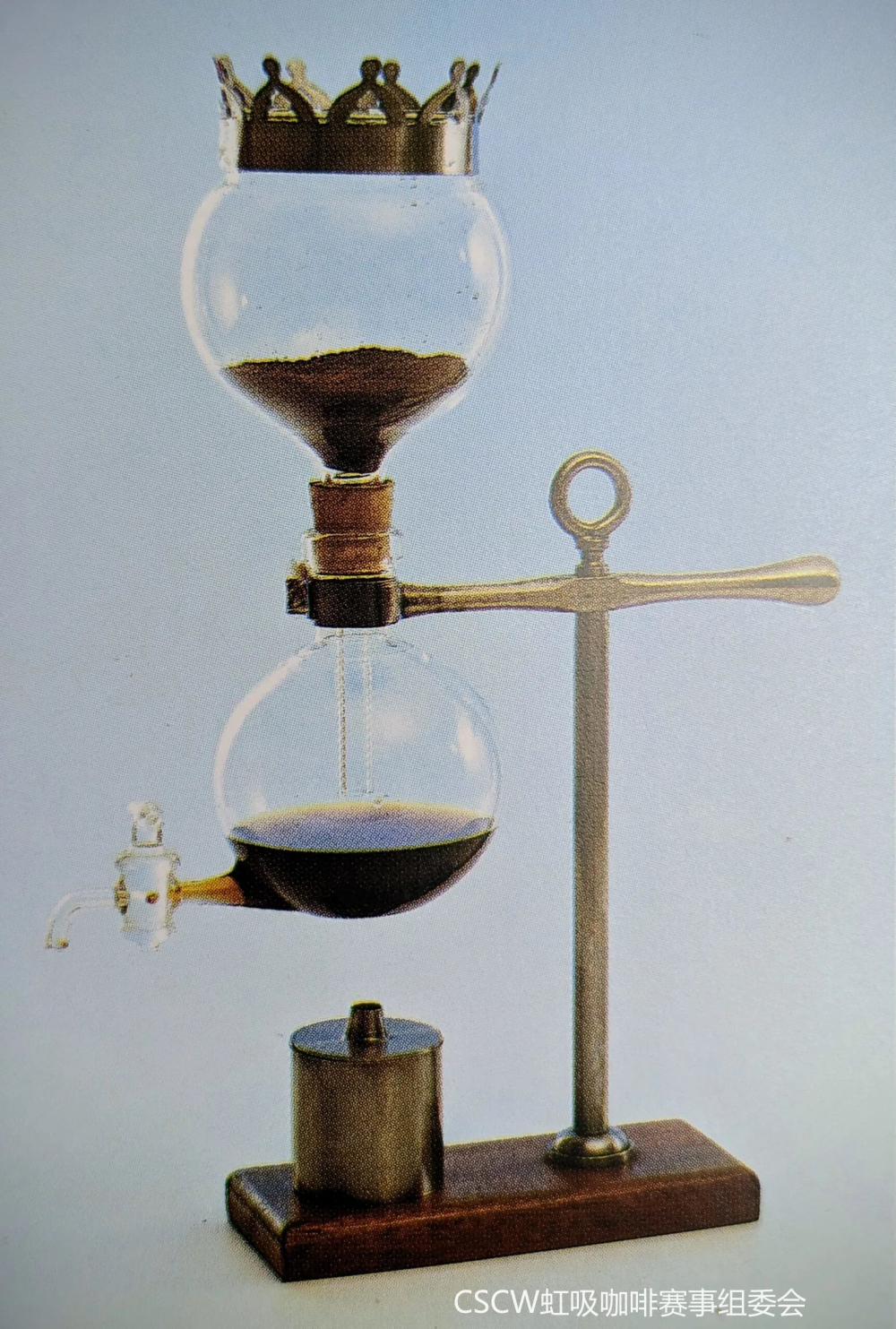
Tracing the history of the siphon, its earliest origins can be found in the early 19th century, nearly a hundred years before modern pour over coffee. According to records, in 1826, German physicist Johann Norremberg first created a device using laboratory apparatus that operated on a siphon-like principle. Its primary purpose was to demonstrate the power of steam, and it was not put into practical use or patented. It wasn’t until 1842 that French inventor Marie Fanny Amelne Massot improved the device, designing a siphon with an up-and-down convection flow and successfully patenting it, which allowed the product to enter the market. Around the same period, Scottish engineer Robert Napier also developed the Napier Coffee Pot, which operated on a vacuum principle. Although it received recognition from the Institution of Mechanical Engineers in 1856, it too was not patented. Subsequently, such vacuum-style coffee pots gained popularity in Europe and the United States until the rise of automatic drip coffee makers gradually pushed them out of the mainstream market.
Today, in specialty coffee shops, siphon coffee may not be as commonly seen as pour over coffee, but its unique brewing process and rich flavor still make it a favorite among many coffee lovers. For many, the siphon is not just a brewing tool but also a coffee ritual with a retro charm.
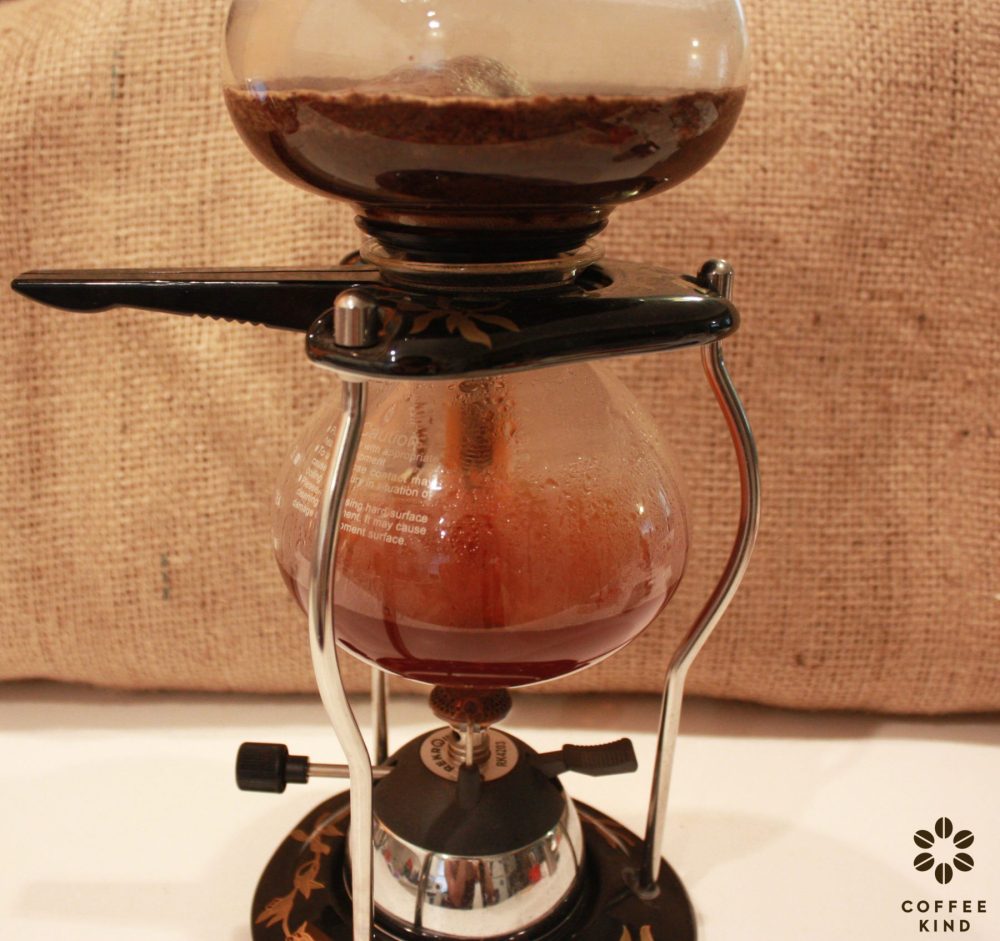
The flavor profile of coffee brewed with a siphon is distinctly different from that of pour over coffee. Generally speaking, pour over coffee offers a clean, refreshing taste with well-defined layers that better highlight the delicate flavors of the coffee beans. In contrast, siphon coffee, brewed at higher temperatures, usually features more intense aromas, a richer mouthfeel, and greater body and fullness, making it ideal for those who prefer a bold flavor.
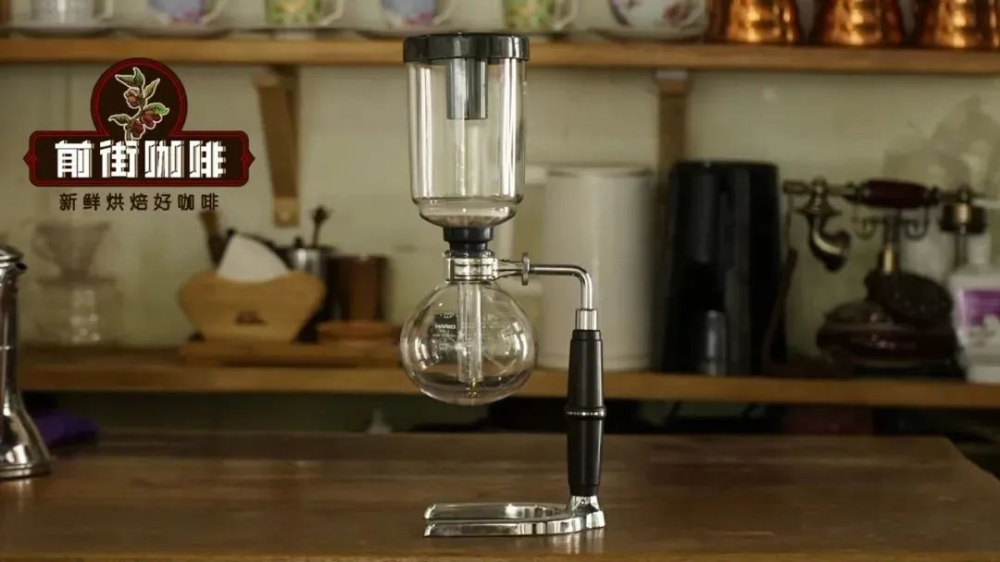
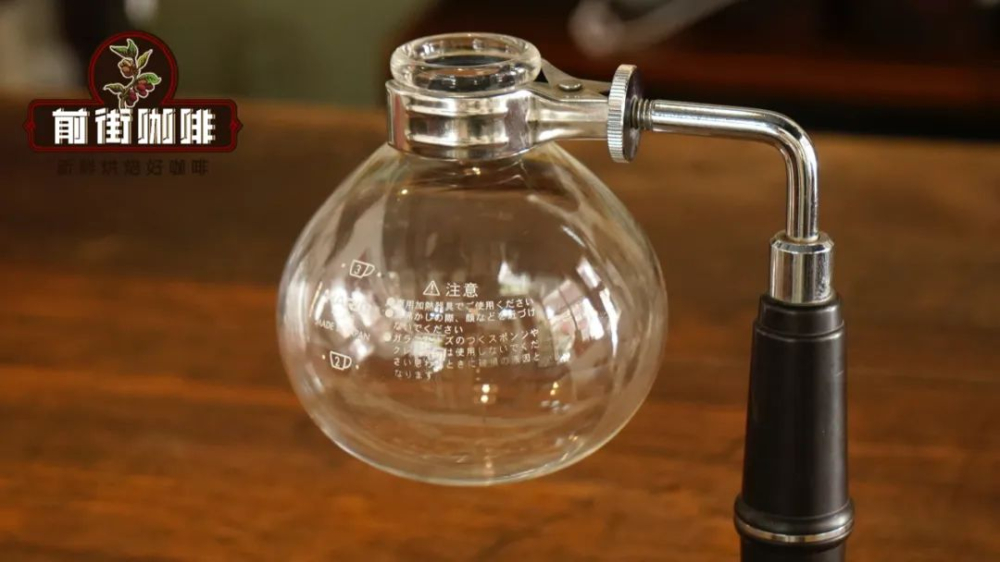
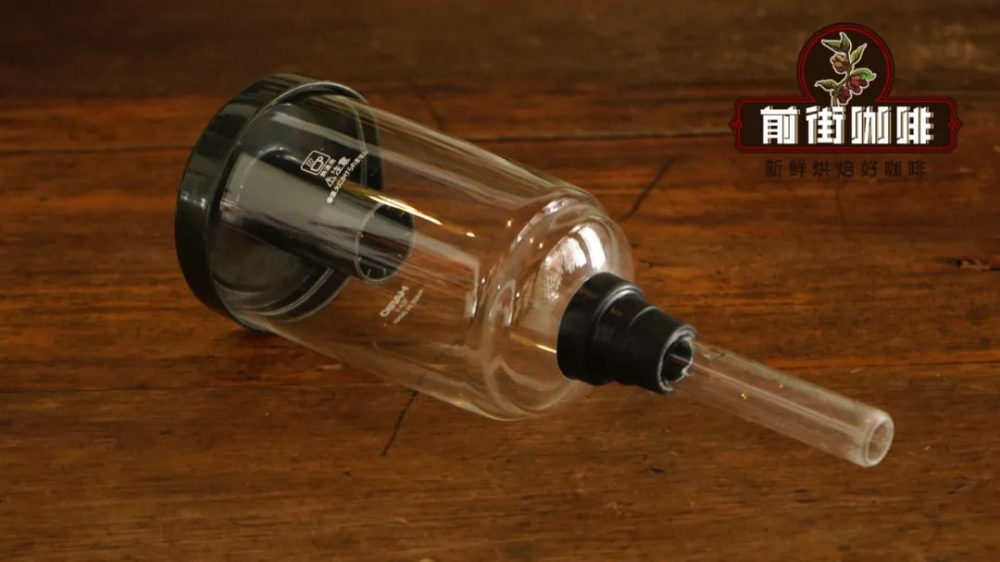
For those new to the siphon, its appearance and brewing steps may seem somewhat mysterious. In fact, the siphon mainly consists of three parts:Upper chamber, lower chamber, and stand. The stand is used to stabilize the entire structure, suspending the lower chamber beneath the upper one. The lower chamber is typically designed as a sphere, which helps achieve even heating during the process. The upper chamber is cylindrical with a narrowed bottom that connects to a long, slender vacuum tube. This tube gradually tapers and is fitted with a sealing gasket at the joint with the lower chamber, ensuring a tight seal during heating so that steam can effectively push the water upward.
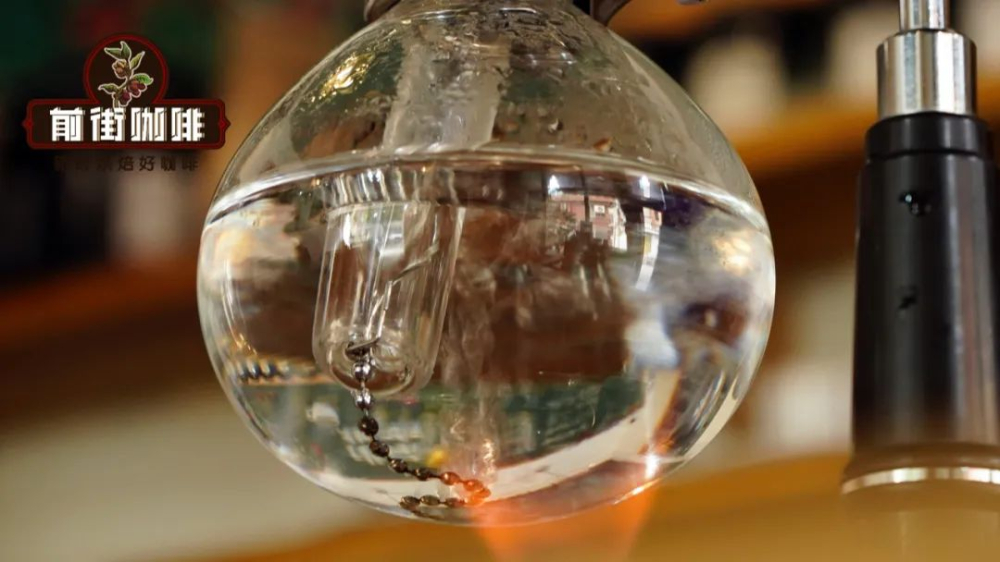
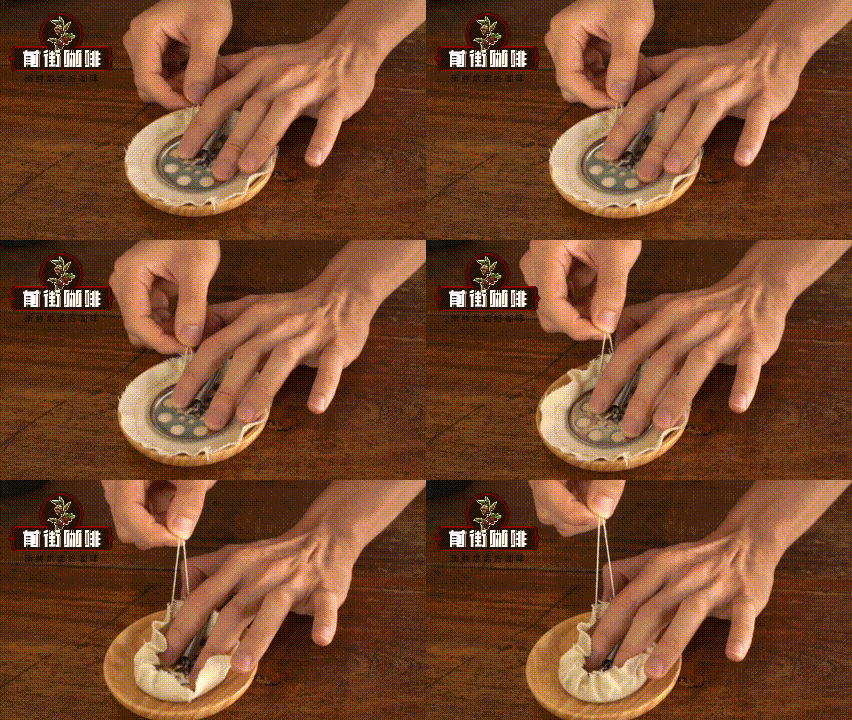
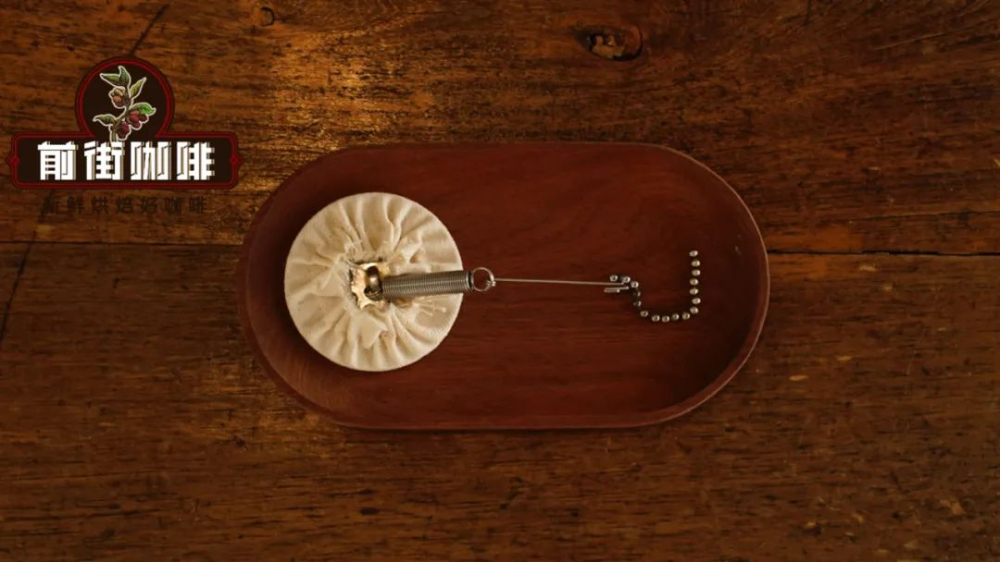
The filtration system of the siphon is a crucial factor affecting the taste of the coffee. To avoid getting a mouthful of coffee grounds, it’s essential to use a dedicated filter. The siphon filter generally consists ofa circular metal filter plate and a spring chain. Before use, a special filter material (commonly flannel cloth or a metal mesh) is wrapped around the filter plate, and the tension is adjusted via the chain. The filter material must be tightly wrapped around the filter plate, with any excess threads trimmed and knotted securely to ensure no coffee grounds leak during brewing while maintaining smooth water flow. Once the assembled filtration system is placed inside the upper chamber, you’re ready to proceed to the next step of brewing.


The above content is compiled by CoffeeHunters, a coffee news website.


