







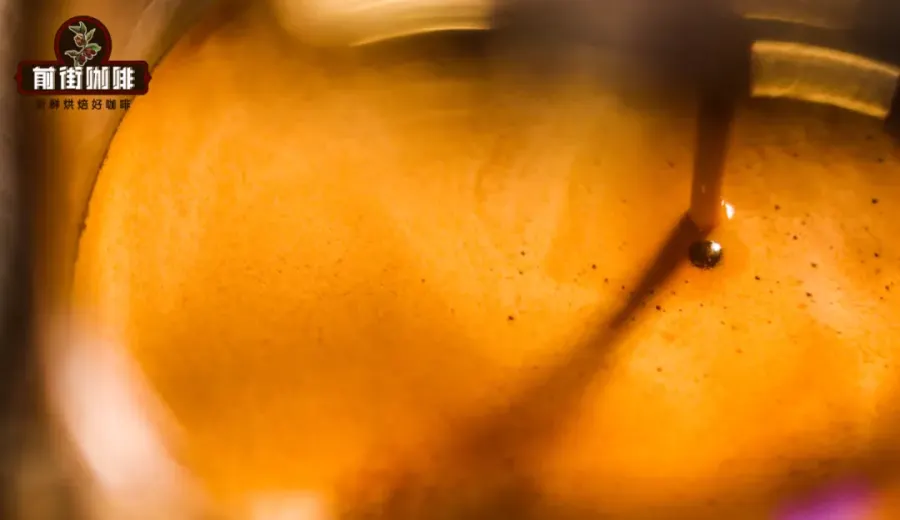
Introduction:Crema, the golden-brown foam layer on the surface of an espresso, is not only the focal point of visual enjoyment but also an important indicator for assessing extraction quality. This article delves into the mechanisms behind Crema formation, reasons for its dissipation, and its impact on flavor, covering scientific principles such as 9 bar pressure, carbon dioxide saturation, and surface tension. It also explores how practical variables like roast level, water temperature, and grind size can affect the appearance of the crema. From diagnosing common issues to providing optimization tips, it helps you precisely control the texture and aroma of every shot of espresso.
When you pick up a freshly extracted espresso, the first thing that usually catches your eye is the delicate and dense layer of coffee oils on the surface — namely, the Crema. This foam, composed of countless tiny bubbles, is not only a visual treat but is also regarded by many baristas as a key clue in assessing the quality of an espresso. But how exactly is Crema formed? Why does it sometimes remain rich and full, while at other times it dissipates quickly? Can its color and thickness truly reflect the flavor of the coffee? This article will guide you through a comprehensive understanding of the essence of Crema from both scientific and practical perspectives.
The essence of Crema is the complex result of the interaction between water and finely ground coffee under high-pressure extraction. When high-pressure water at 9 bar flows through a tightly packed coffee puck, it not only emulsifies the insoluble oils in the coffee but also forcibly dissolves the carbon dioxide trapped within the coffee bean cells during the roasting process, creating a supersaturated state. As the pressure is released, these gases rapidly expand and envelope tiny oil particles and suspended solids, forming the golden-brown foam layer we see.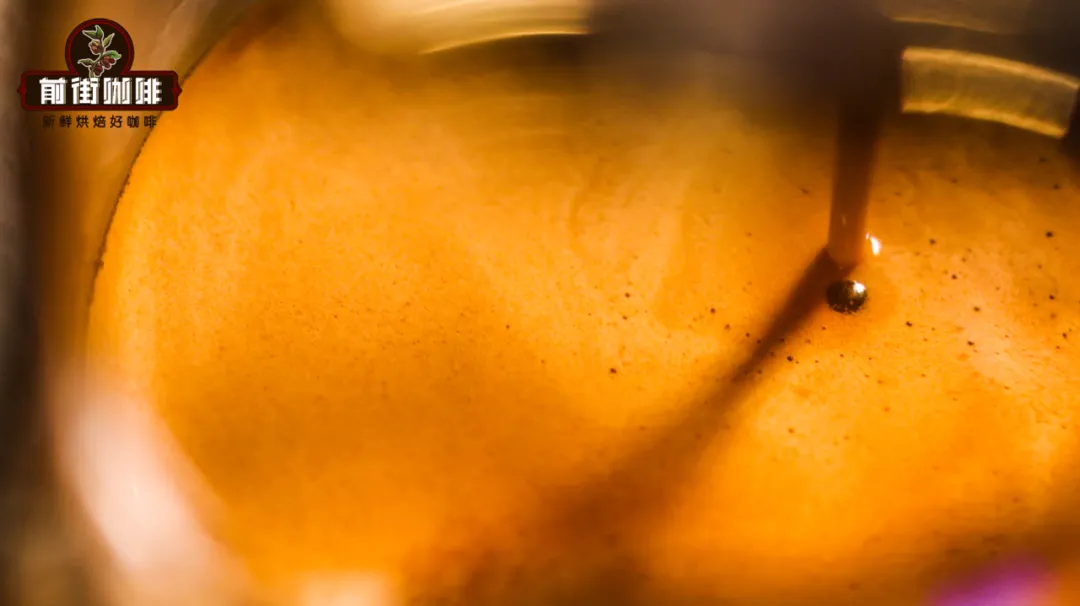
So why does Crema eventually disappear? The main reasons come from two aspects: the physical properties of the foam itself and the constant force of gravity. The bubbles in the foam layer are encased in a thin film of water. While surfactants help stabilize the bubbles, gravity causes the liquid to gradually drain from the edges of the bubbles, leading to thinner films, reduced elasticity, and eventual rupture. The speed of this dissipation often relates to the overall structural strength of the espresso — a more solidly structured, evenly extracted espresso typically maintains its Crema for a longer time.
One of the key factors influencing the richness of Crema is the amount of carbon dioxide produced during the roasting process of the coffee beans, and the degree of roast is the primary variable determining the carbon dioxide content. Generally speaking, medium to dark roasted beans, due to their longer roasting time and higher temperatures, contain more gases internally, while the expanded cell structure also provides more storage space. Additionally, darker roasts encourage more oils to migrate to the surface of the beans, helping form a more stable foam structure. If you’re aiming for a rich and long-lasting crema, you might want to try medium to dark roasted blends, such as classic combinations that blend beans from multiple regions and offer caramel and spice notes — these beans often produce satisfying Crema under the right extraction conditions.
If you find that the espresso you’ve extracted has thin or almost non-existent crema, you may need to troubleshoot the following common factors: First is the extraction pressure of the espresso machine. A standard espresso requires at least 9 bar of pressure to effectively emulsify the oils and release carbon dioxide, but most home machines fail to provide sufficient pressure, resulting in sparse and scattered Crema. Next is the grind size setting — overly coarse coffee grounds allow water to pass through too quickly, preventing gases from fully releasing and integrating, which makes it difficult to form dense bubbles. Lastly, water temperature control is crucial; if the extraction temperature is too low, the efficiency of dissolving coffee components decreases, which also affects the formation and stability of the oils.
The color of Crema is also an important indicator for evaluating extraction status. Ideally, properly extracted Crema should exhibit a reddish-brown or dark brown hue, reflecting the balanced release of soluble substances and gases in the coffee. If the Crema is unusually light in color, it usually indicates under-extraction — potentially caused by too coarse a grind, insufficient pressure, or too short an extraction time, resulting in inadequate dissolution of the coffee’s flavorful compounds. Conversely, if the Crema appears close to a charred black or dark brown, or even shows signs of scorching at the edges, it may signal over-extraction, meaning the water temperature is too high, the extraction time is too long, or the pressure is excessive, causing excessive release of bitter compounds.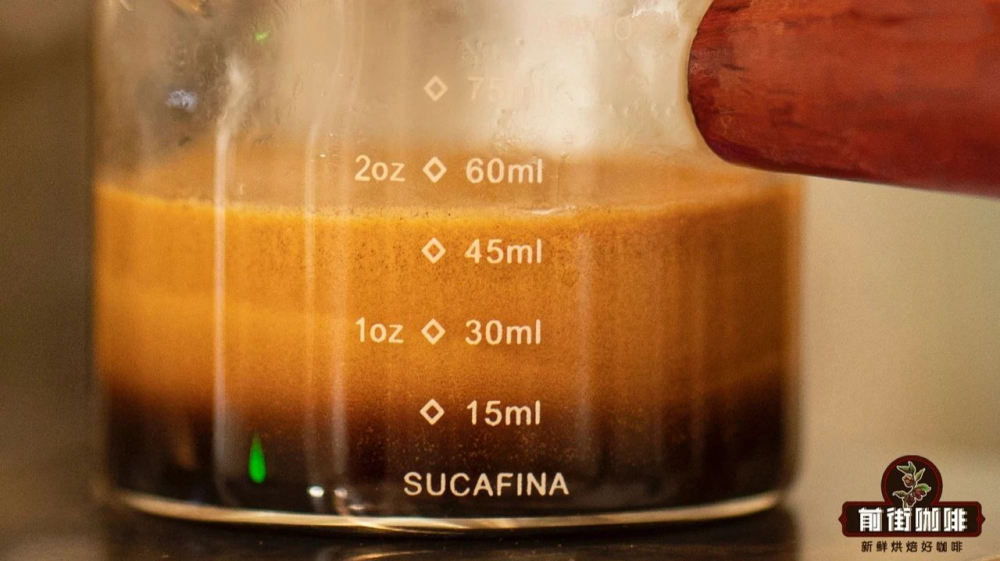
Extraction time is closely related to the final appearance of Crema. Taking the standard extraction window of 25–30 seconds as an example, extractions completed within 15 seconds often yield a lighter-colored and thinner layer of oils, because the water hasn’t had enough time to fully penetrate the coffee puck, limiting the release of soluble substances and gases. In contrast, an extraction around 25 seconds allows the water and coffee grounds to interact sufficiently, releasing a richer array of flavors and gases, thus forming an ideally uniform and dense Crema. Additionally, water temperature is another crucial variable; it is generally recommended to maintain an extraction temperature between 90–96°C. Too low a temperature leads to reduced dissolution efficiency, while too high a temperature can easily cause over-extraction, affecting the texture and flavor balance of the oils.
The above content is compiled by CoffeeHunters, a coffee news website.


