







Introduction:Grind size is one of the key factors that affect coffee extraction efficiency and flavor expression. This article delves into how to determine the optimal resting period based on roast date, explores the specific impact of different grind sizes on extraction results, and provides a method for calibrating with a #20 sieve to help you find the ideal grind fineness for various brewing methods such as pour over and French press. Even without professional equipment, you can still achieve suitable particle size through simple grading.
During the coffee extraction process, grind size directly affects the surface area and contact time between water and coffee grounds—it’s one of the most influential variables on final flavor. However, many coffee enthusiasts often don’t know whether to adjust their grind finer or coarser when faced with different brewing devices and roast levels. This article will detail everything from the timing of post-roast resting, how grind size changes extraction efficiency, to how to use a #20 sieve to calibrate grind parameters for different brewing methods, helping you more precisely master your grinding technique and improve the quality of every cup.
The size of coffee particles determines the total surface area exposed to water, which in turn affects the ease and speed of extraction, ultimately reflected in taste and flavor. Many people, when adjusting extraction conditions, often overlook that grind size is the foundational factor influencing overall performance. Making the right judgment at the grinding stage not only reduces errors but also helps you better understand the characteristics of the coffee you’re working with. The following will start with the most basic post-roast handling and guide you step by step in mastering the art of grinding.
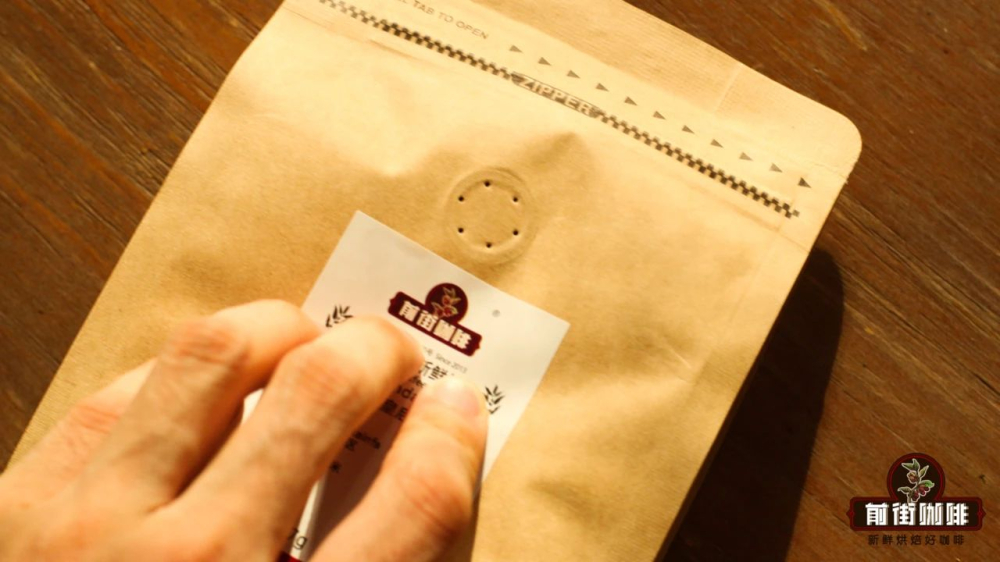
First, to achieve good extraction results, it’s essential to start with freshly roasted coffee beans. When purchasing, it’s recommended to choose products with a one-way degassing valve and clearly labeled roast dates. This small button-like hole located on the top of the packaging allows the carbon dioxide released during roasting to escape while preventing outside air from entering and oxidizing the beans. All our beans are packaged to this standard to ensure freshness.
Once you have freshly roasted beans, the first thing you should do is “rest” them. Roasted beans contain a large amount of carbon dioxide internally, which needs a release period of 3 to 7 days to bring the coffee to a better extraction state. It’s generally recommended to rest light to medium roast beans for 3 to 4 days, and medium to dark roast beans for 4 to 5 days. If you skip the resting period and brew directly, the continuously released carbon dioxide will interfere with the contact between water and coffee grounds, leading to uneven extraction and difficulty in properly expressing the flavors.
Freshness doesn’t just impact carbon dioxide release; it’s also closely related to the preservation of flavor compounds. The aromatic substances in coffee are mostly small molecules that volatilize quickly. If stored for too long, not only will carbon dioxide be lost, but flavors and aromas will also significantly diminish. Even adjusting the grind size may not compensate for the flavor loss caused by stale beans.
So, how does grind size affect coffee extraction? Simply put, the finer the grind, the greater the total surface area of a given weight of coffee grounds, increasing the area water can access and reducing the distance it has to penetrate the coffee particles—making extraction faster and easier. Under consistent conditions, the finer the grind, the higher the extraction rate and coffee concentration; conversely, a coarser grind means less surface area, reduced extraction efficiency, and a taste that’s weaker and lacks depth.
However, finer isn’t always better. When the grind is too fine, the gaps between coffee particles become smaller, significantly increasing water resistance, which can lead to overly slow drip rates and over-extraction. In this case, coffee is prone to bitterness and astringency, while other delicate flavors are masked. On the other hand, if the grind is too coarse, water flows too smoothly, extraction time is too short, and the coffee tastes thin, lacking depth and complexity.
To find the right grind size, you can use a #20 sieve (with a mesh diameter of 0.85 mm) for calibration. The specific method is to take 10 grams of coffee beans, roughly grind them, and then pour them into the sieve to filter. Observe the proportion of coffee powder that passes through the sieve and adjust the grinder settings accordingly. Common calibration reference values are: cold drip over 80%, pour over and siphon around 80%, moka pot and American drip 75–80%, cupping 70–75%, and French press 65–70%. In practice, light, medium, and dark roast beans are also recommended to use different pass-through rates—for example, light roast beans can be adjusted to 80–85%, medium roast 70–75%, and dark roast 65–70%. These values can serve as a basis for personal adjustment.
If you don’t have a professional sieve, you can also judge suitable grind fineness using five simplified grind levels. Extra fine is suitable for espresso machines or moka pots, which require high-pressure extraction, where fine grounds provide better resistance and crema release; fine is ideal for pod coffee, where the paper filter allows fast water flow, and finer particles increase extraction surface area; medium-fine is common in various pour over drippers, suitable for light to medium roast beans, with a pass-through rate of about 75–80%, showcasing balanced acidity and sweetness; medium is appropriate for medium to dark roast beans, with particle size similar to coarse sugar, a pass-through rate of about 70–75%, helping to avoid over-extraction; and coarse is used for French press, with large particles preventing leakage through metal filters and allowing flavors to release slowly.
In summary, grind size is the first and most fundamental yet crucial variable affecting coffee extraction. Whether you use pour over, French press, or espresso equipment, as long as you master resting times, understand the impact of different grind sizes on extraction, and make adjustments through sieves or simple grading, you can brew coffee more consistently to suit your own taste. Remember, grind size isn’t a one-size-fits-all standard—it’s a holistic strategy that interacts with beans, equipment, water temperature, and other factors.
The above content is compiled by CoffeeHunters, a coffee news website.


