







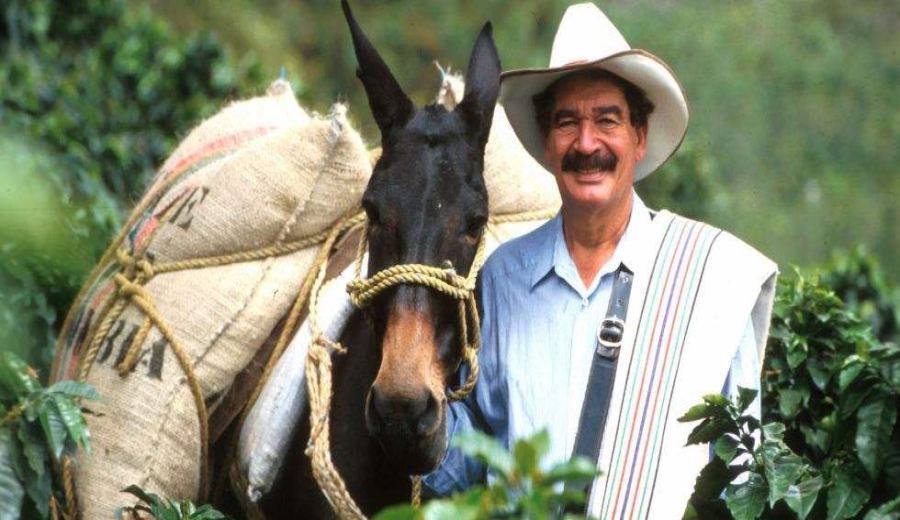
Introduction:Colombian coffee is renowned for its layered complexity and balanced acidity-sweetness profile, with its diverse flavors stemming from the varied terroirs of the Andes mountain range and its rigorous grading system. This article delves into the flavor profiles of key producing regions such as Medellín, Santander, and Huila, introduces the characteristics of six major coffee varieties including Caturra and Typica, and details the grading standards based on defect rates and bean size. It also explores how processing methods such as washed and anaerobic natural affect flavor, and concludes with practical pour-over parameters and tasting tips to help you fully appreciate the essence of Colombian coffee.
Thanks to the unique geographical conditions of the Andes Mountains, Colombia produces coffee that is globally recognized for its high quality. The country’s coffee-growing regions stretch from north to south, and variations in altitude, climate, and soil give rise to a diverse array of flavor expressions. This article will systematically introduce the flavor characteristics of Colombia’s main producing areas, the origins and features of six major coffee varieties, and provide a detailed explanation of the grading system based on defect rates and bean size. In addition, it analyzes how processing methods such as washed, anaerobic natural, and anaerobic enzymatic washed shape coffee flavors, and offers practical pour-over recommendations to create a comprehensive guide to Colombian coffee for enthusiasts.
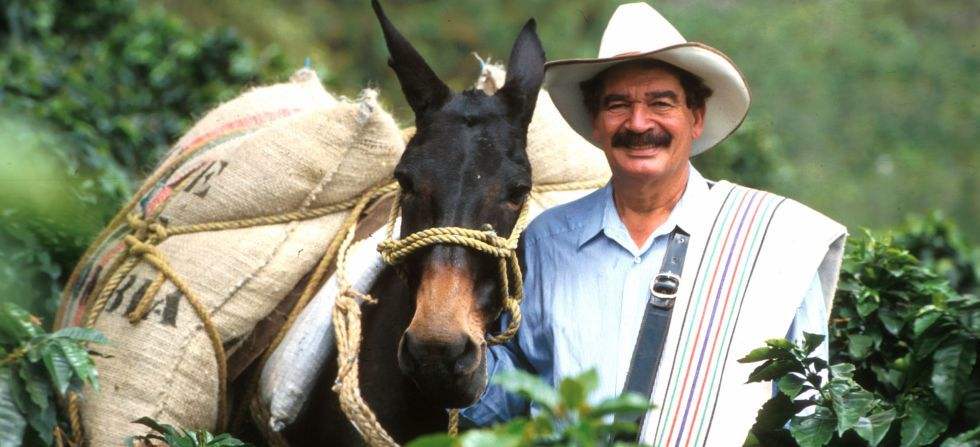
Colombian coffee is celebrated for its rich and bold aroma, bright acidity, and excellent balance—all qualities that are inseparable from its exceptional natural environment. The country’s coffee-growing areas are distributed along the Andes Mountains, with the overall terrain stretching from west to east like a cat’s paw, forming three major producing zones. Due to the vast span of producing regions, differences in altitude, temperature, and rainfall patterns are significant, resulting in a harvest season that lasts nearly year-round.
The “Coffee Golden Triangle” in the central mountainous region consists of Medellín, Armenia, and Manizales. Among them, coffee from the Medellín region is known for its full-bodied beans, bold aroma, and harmonious acidity-sweetness balance, making it particularly well-suited for dark roasting—bringing out a rich and mellow wine-like character. In the eastern mountainous region, Santander’s dry climate and high altitude (1400–1600 meters) produce coffee with intense flavors, where forest shade and notable diurnal temperature variations lend it a long-lasting aftertaste and distinctive herbal notes.HuilaLocated in southern Colombia, with elevations generally exceeding 1500 meters, this region is an important origin for specialty coffee, accounting for about 12% of the country’s total production. The area is dominated by smallholder farms producing micro-lots, and its diverse microclimates and innovative processing techniques allow each coffee to showcase a unique personality.
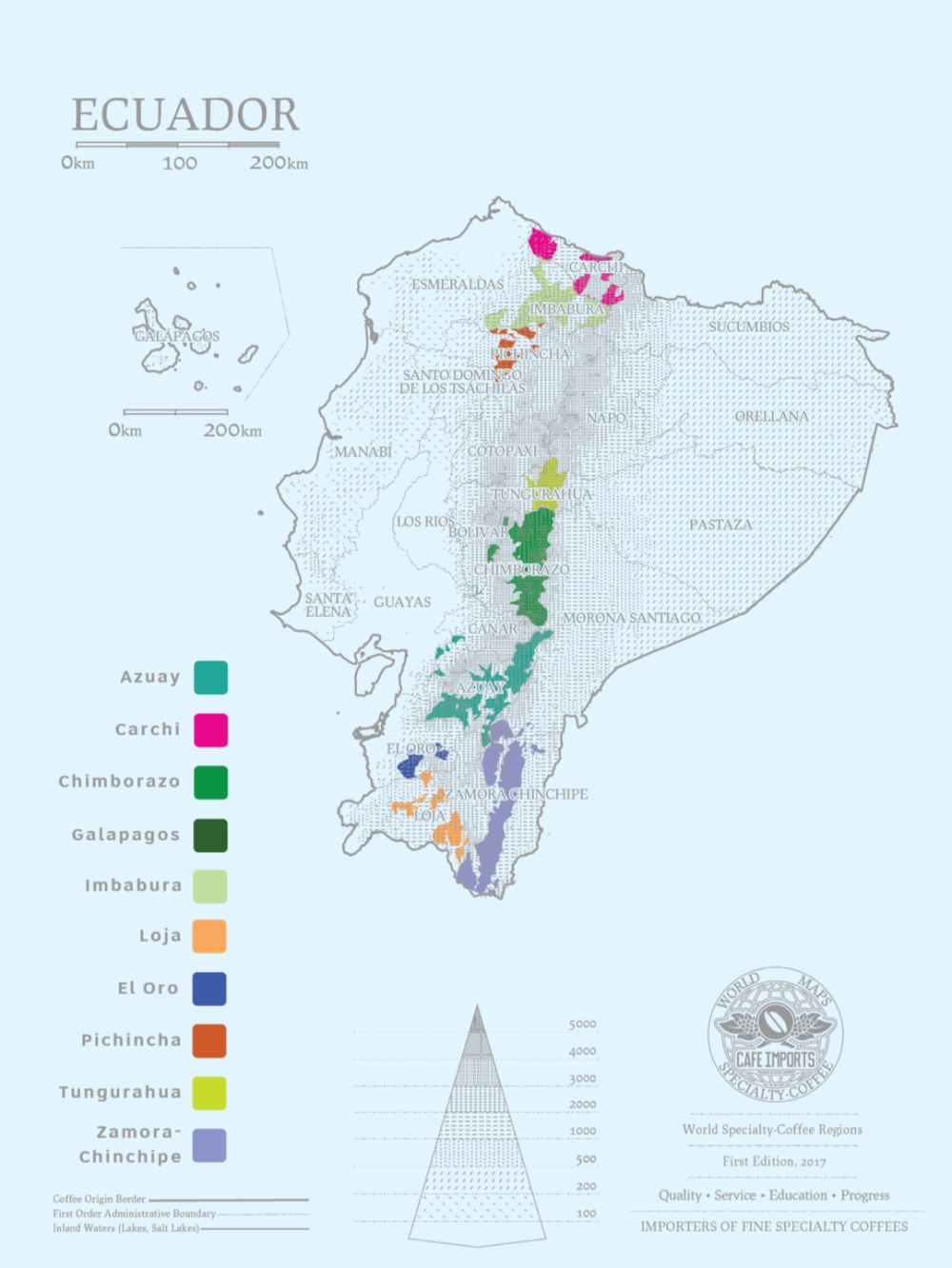
Colombia grows a wide variety of coffee cultivars, among whichCaturrais a natural mutation of Bourbon. It is the most widely planted variety, valued for its high yield, short tree height (which makes harvesting easier), and flavor profile similar to Bourbon.Typica, although historically significant and elegant in flavor (with delicate floral notes and balanced acidity-sweetness), is less cultivated today due to its low disease resistance and yield.Bourbon, a mutation of Typica, offers even cleaner and crisper acidity, though it is grown in more limited areas.Colombia (variety)is a hybrid of Caturra and Timor, known for its strong resistance to leaf rust and high yield. However, its cup quality is slightly inferior to Caturra, and it is mostly used in commercial blends.Castillo and Tabiare newer varieties developed by Colombian research institutions, combining disease resistance with optimized flavor profiles. They have been promoted by the government since 2005.
Colombia’s coffee grading system is rigorous, primarily based on defect rates and bean size. The highest grade isSupreme, which requires 95% of beans to be sized at 17 mesh or larger, with no more than 8 defective beans in a 500-gram sample; beans larger than 18 mesh are further classified asSupreme 18+. In terms of processing methods, traditional washed processing remains mainstream—farmers remove the fruit pulp from harvested cherries, then ferment them in tile tanks overnight to remove the mucilage, followed by washing with clean water and sun drying (or using a dryer set to a constant 50°C in rainy weather). This method clearly highlights the foundational flavor profile of the producing region.
With the rise of the specialty coffee trend, some small farms have begun adopting innovative processing techniques. For example,Anaerobic Naturalinvolves fermenting coffee cherries in a sealed stainless-steel container under low temperatures (10–15°C) for three days in an anaerobic environment, followed by sun drying. Meanwhile,Anaerobic Enzymatic Washedintroduces carbon dioxide and special enzymes in an oxygen-free environment to slowly break down sugars in the mucilage, extending fermentation time to enhance sweetness and flavor balance—though the process still concludes with a washed step.
For commonly seen washed-process Huila coffee, it is recommended to use a medium-fine grind (e.g., 75% passing through a Chinese standard No. 20 sieve), paired with a Hario V60 dripper and water at 89°C. The specific method is as follows: for a 15-gram dose, brew at a 1:15 coffee-to-water ratio. Begin with a 30-second bloom using roughly double the coffee weight (around 30 grams) of water, then pour in a small, steady stream in a circular motion from the center outward until reaching 125 grams, followed by a pause. Once the coffee bed has descended to about half the height of the dripper, continue pouring to 225 grams total. The total extraction time should be around 2 minutes. These parameters highlight the dominant notes of nuts and dark chocolate, while cooling reveals soft fruity acidity and caramel aftertaste.
The above content is compiled by CoffeeHunters, a coffee news website.


