







Introduction:Typica, one of the oldest varieties of Arabica coffee, is not only the progenitor of numerous cultivars but also renowned for its unique flavor profile and historical significance. This article delves into the origins and global dissemination of Typica, explores its botanical characteristics and susceptibility to diseases, and details the flavor differences it exhibits across regions such as Jamaica Blue Mountain, Papua New Guinea, and Yunnan. Finally, it provides expert pour over recommendations and brewing parameters to help you fully unlock the potential of Typica.
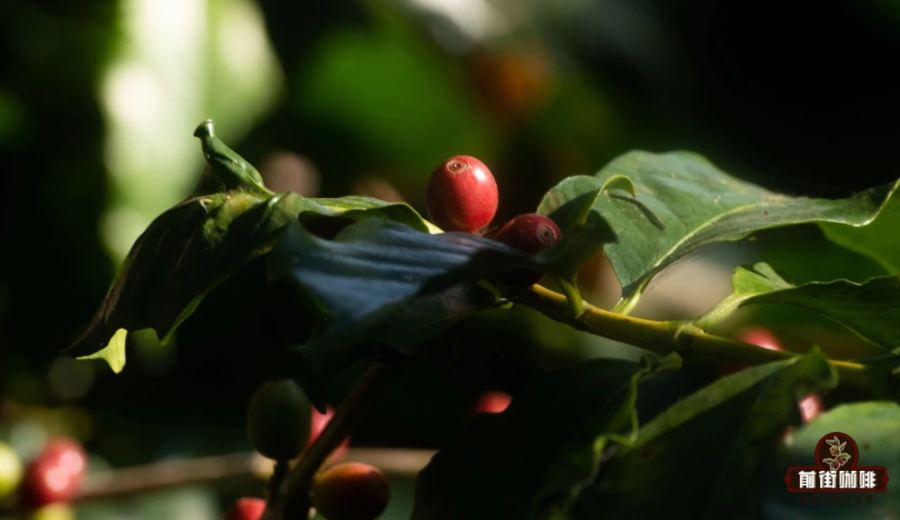
The Typica variety is considered the “prototype” of modern Arabica coffee varieties, with a history that traces back to the birthplace of coffee — the southwestern highlands of Ethiopia. Known for its bronze-colored young leaves and nicknamed “red-topped coffee,” this variety spread from Yemen to India, Java in Indonesia, and then to the Dutch botanical gardens in Europe between the 15th and 17th centuries, eventually taking root in South and Central America. However, although Typica offers an elegant flavor, it grows slowly, has poor disease resistance — particularly to leaf rust and berry disease — and thus yields are relatively low, making cultivation quite challenging.
Botanically, coffee is primarily divided into three major varieties: Arabica, Robusta, and Liberica. Among them, Arabica is the dominant species in global commercial cultivation, accounting for 70% to 80%, and is beloved for its bright acidity, rich aroma, and low bitterness. Typica is the most representative “foundational” variety within the Arabica family, serving not only as the genetic source of many premium varieties but also as the foundation for classic coffees such as Jamaica Blue Mountain.
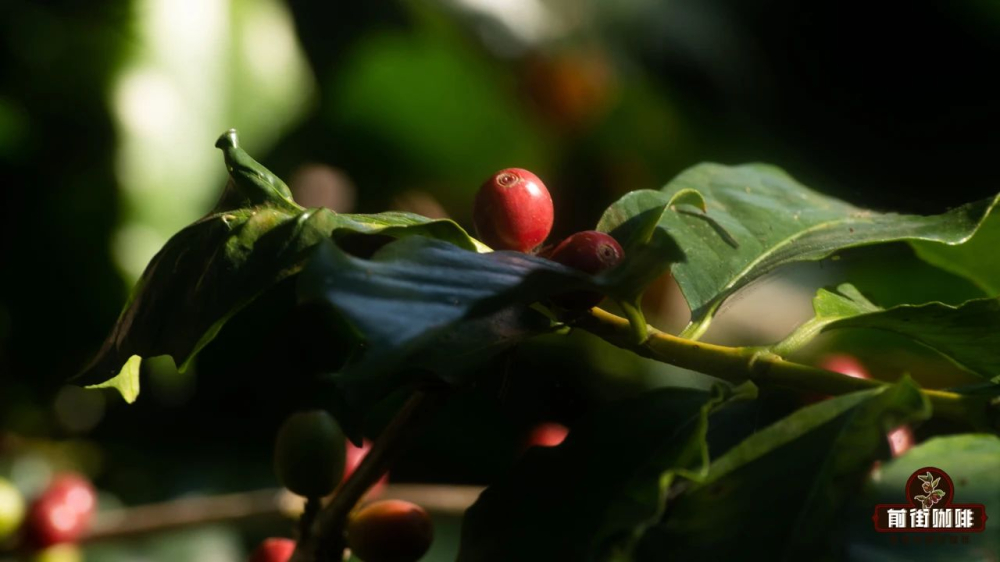
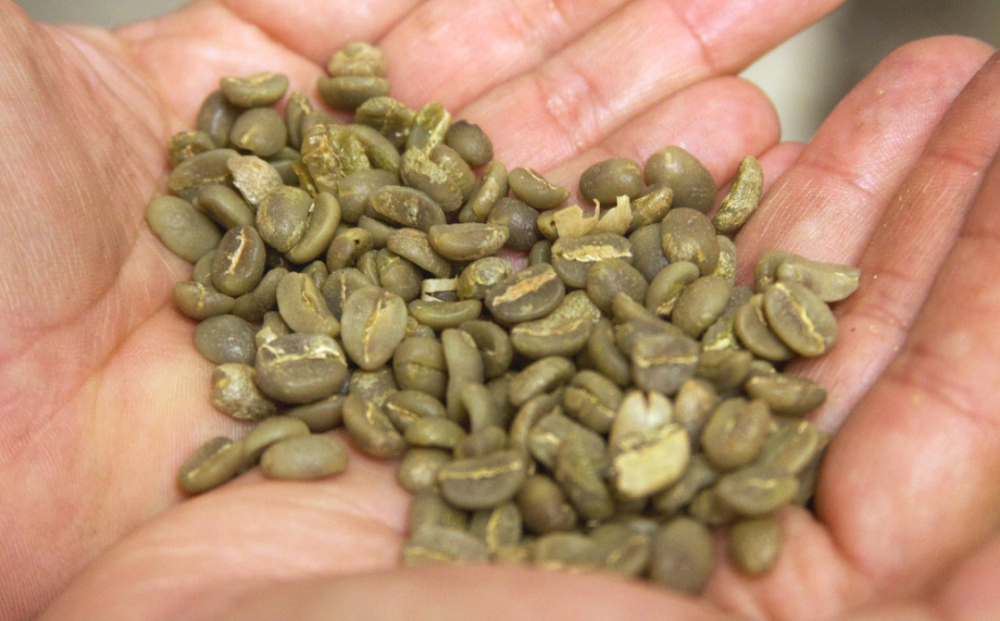
The Typica coffee tree has distinctive physical traits: its trunk is slender and can grow up to 5 meters tall, with branches extending outward at an angle of about 50 to 70 degrees from the main stem, making harvesting difficult. Its most notable feature is the warm bronze-red color of its new top leaves, earning it the moniker “red-topped coffee.” The coffee beans are slender and pointed at both ends, resembling an egg in shape, and are generally larger than those of other varieties. In terms of flavor, Typica often exhibits clear citrus notes, with a prominent sweet finish, delivering a clean and refreshing cup overall, and is hailed as a paragon of “elegant freshness.” However, due to its sensitivity to environmental changes and susceptibility to disease, strict control of growing conditions is required to realize its optimal flavor potential.
Typica’s global journey began in the 15th and 16th centuries when wild Arabica coffee trees collected from southern Ethiopia were introduced to Yemen. Around the year 1700, seeds of these varieties were brought to the Malabar Coast of India and West Java in Indonesia, where they were officially named “Typica.” It was subsequently introduced to Suriname in South America in 1722 and to northern Brazil in 1727. By the late 1800s, Typica had been widely cultivated in Central America and the Caribbean, including Jamaica, and gradually spread to other parts of Africa and Asia.
It is worth noting that Typica gradually adapts to local climates and soils in different geographic environments, subtly adjusting its genetic expression, resulting in slight variations in flavor among Typica grown in various regions. Nevertheless, overall, Typica is still considered one of the “purest” and “most balanced” varieties within Arabica, especially in island-type climates such as those of Jamaica, Papua New Guinea, and Hawaii Kona, where its unique charm truly shines.
Currently, the main regions where Typica is grown globally include island-climate areas such as Papua New Guinea, Jamaica, and Hawaii Kona, as well as high-altitude regions like Ethiopia and Yunnan in China. Among them, Jamaica Blue Mountain No. 1 is regarded as a classic representation of Typica. With a medium to dark roast, it showcases intense black chocolate aroma, gentle citrus acidity, and a rich caramel sweetness, with an excellent balance of acid, sweetness, and bitterness, and a full, robust mouthfeel. Similarly hailing from an island environment, Papua New Guinea’s “Heavenly Bird” may be slightly less intense than Blue Mountain No. 1, but it is still celebrated for its balanced and harmonious flavor profile, earning it the title “Little Blue Mountain.”
As for Yunnan in China, while the Catimor variety dominates, the small-bean Typica grown at an altitude of 1300 meters in Lincang displays a relatively clean and clear flavor profile, noticeably superior to other mainstream local varieties. In this region, traditional sun-drying methods combined with medium roasting produce a cup with bright plum-like acidity, nutty aroma, brown sugar sweetness, and black tea-like aftertaste — all layered with a long-lasting finish.
For Yunnan-grown Typica coffee, it is recommended to use a V60 dripper for pour over to fully highlight its balanced characteristics. A medium-fine grind size (approximately 75% through a 20-mesh sieve), a medium water temperature of 90°C, and a 1:15 coffee-to-water ratio are advised. A specific brewing method can follow the three-pour technique: the first pour involves adding twice the weight of coffee in water (about 30g) for a 30-second bloom to initiate extraction; the second pour uses a slow, circular motion from the center outward, pouring up to 125g before pausing; once the coffee bed drops to the middle of the dripper, continue with the same fine stream to pour up to 225g, with total extraction time controlled around 2 minutes. These parameters help balance acidity and bitterness, showcasing the unique freshness and sweetness of Typica.
When comparing Typica from other regions or roast levels — for example, dark-roasted varieties from Brazil or Mandheling — it is advisable to increase the water temperature to 87–88°C and switch to a medium-coarse grind to reduce the risk of over-extraction. For lighter-roasted beans from Ethiopian Yirgacheffe or Panamanian Geisha, you may raise the water temperature to 91–93°C and use a finer grind to enhance aromatic expression. Regardless of which Typica variant you choose, stable water quality, consistent pouring rhythm, and an appropriate coffee-to-water ratio are key to extracting its elegant flavors.
The above content is compiled by CoffeeHunters, a coffee news website.


