







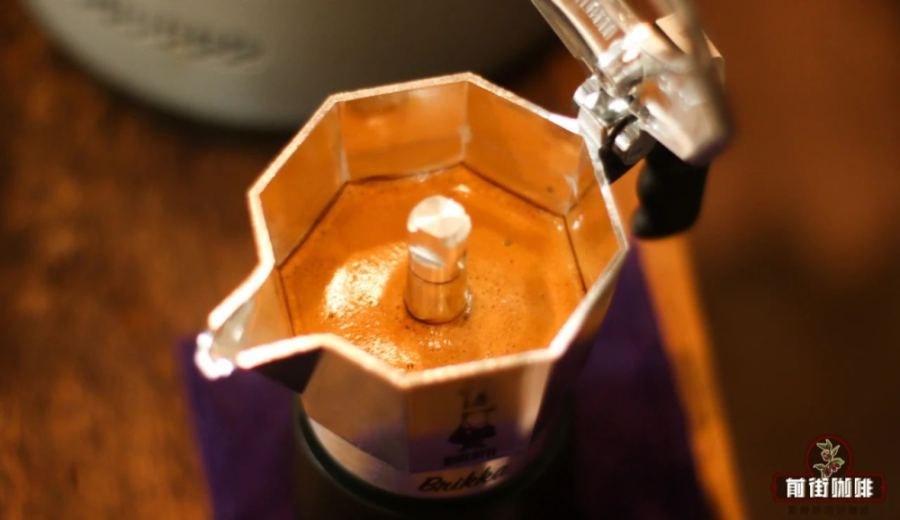
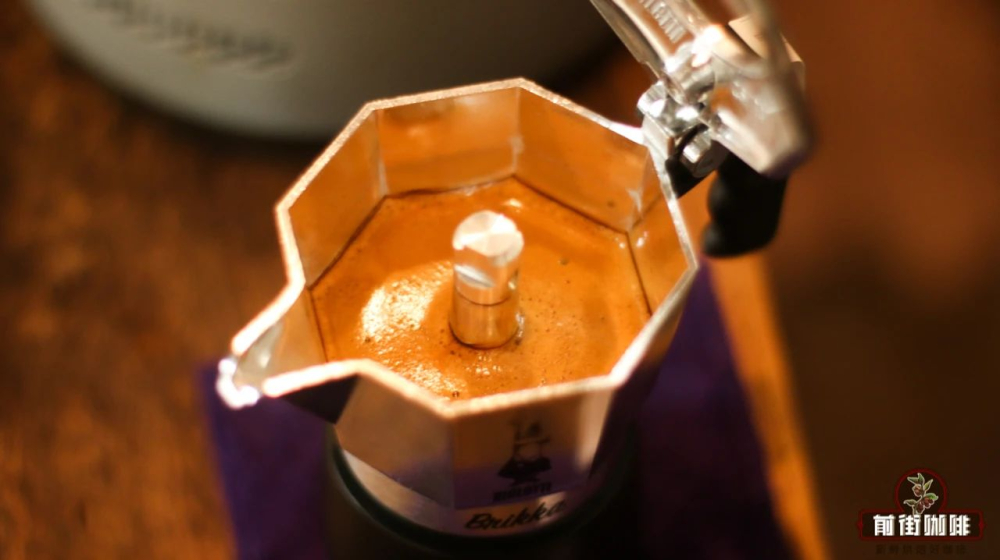
Introduction:The moka pot is the go-to brewing device for many home coffee enthusiasts, but to achieve a cup with balanced flavors and rich crema, it’s essential to master the right grind size, coffee packing method, and heat control. This article delves into the ideal grind coarseness for moka pots, how to properly fill the basket, common extraction issues such as no flow, spraying, and burnt bitterness, along with practical packing tips and coffee bean selection advice to help you improve your brew quality every time.
The moka pot is a common appliance in many coffee lovers’ homes, yet many users often wonder how fine the coffee should be ground or whether tamping is necessary. This article will detail the grind size selection and filling technique for moka pots, analyze common extraction issues like slow flow, spraying, and overly bitter tastes, and also share advice on choosing coffee beans and how to extract a rich crema—so you can consistently brew delicious coffee at home.
Let’s start with the grind size of the coffee. The ideal coffee particle size for a moka pot typically falls between 0.3 to 0.55 millimeters . By feel, it shouldn’t be as coarse as granulated sugar, nor as fine as the powder used for espresso machines. You can refer to a specialized grind size ruler for guidance or experiment with a few different grind levels. Usually, after three to five actual brewing tests, you’ll be able to find the right grind. If the coffee is too coarse, water will pass through too quickly, potentially causing the coffee to gush out like a fountain. If it’s too fine, you might hear boiling sounds but see no coffee coming out—this is when you should turn off the heat immediately to avoid danger.
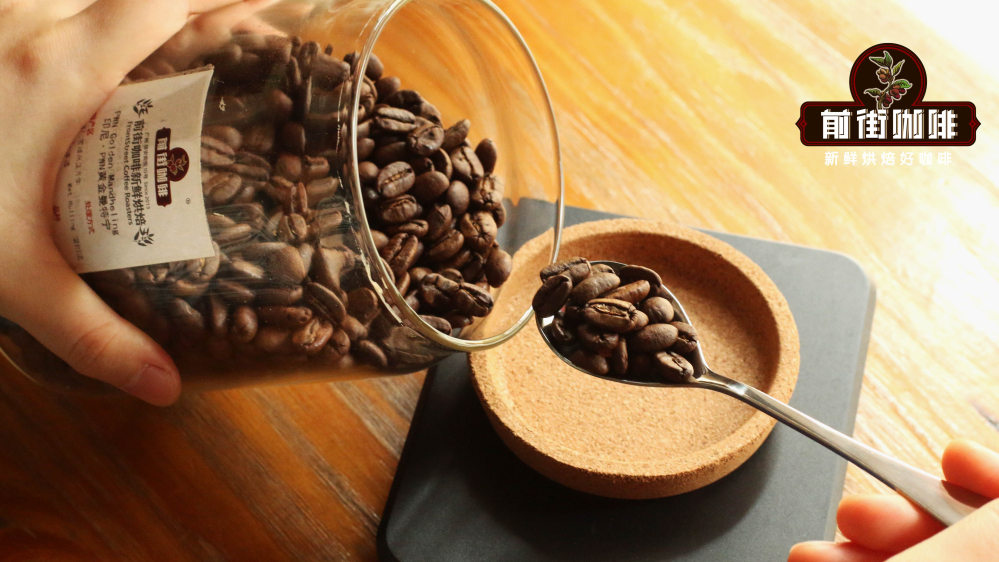
When choosing coffee beans or pre-ground coffee, it’s recommended to buy whole beans first. After roasting, coffee beans have around 45 days in their flavor "golden window," during which their aroma is at its richest. Once ground, the aromatic compounds evaporate quickly, not only affecting flavor but also significantly reducing the amount of crema extracted. For the best taste experience, it's best to grind the beans just before brewing.
As for whether you need to tamp the coffee, multiple experiments have shown that tamping is not necessary. Tamping too hard may cause the coffee puck to become overly compact, hindering water flow, which not only reduces extraction efficiency but could also lead to dangerous pressure buildup. Some people worry that not tamping may lead to “channeling,” where coffee sprays out, but by using the correct filling method, you can effectively prevent these problems while still extracting a rich crema.
Here is the recommended filling process: first, gently hold the filter basket with your right hand, then pour in the ground coffee,without compressing or pushing it down, keeping the coffee bed naturally fluffy. Shape it into a small mound with a slight rise in the center—there’s no need to level it flat, since the upper part’s filter lid is slightly raised by design. Then, place the upper chamber directly and vertically onto the filter basket and tighten it securely. Also remember to clean any leftover coffee grounds from the threads to ensure all gaps are filled with coffee. This method helps keep the spent coffee grounds compact after extraction, aiding in the formation of a dense crema layer.
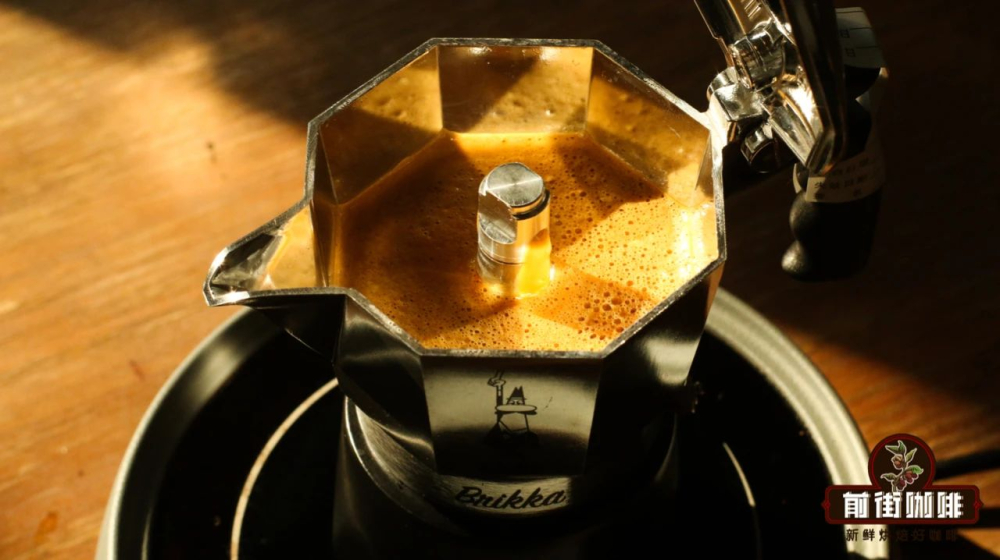
If you encounter a situation where the coffee takes a long time to come out or doesn’t flow at all, it’s usually because the coffee is packed too tightly or ground too finely, preventing water from passing through smoothly. Both cases will cause a rapid increase in pressure inside the lower chamber, negatively affecting extraction and even risking damage to the moka pot. If you notice the water has boiled but no coffee is flowing, turn off the heat and remove it from the heat source immediately. It’s recommended to replace the coffee grounds and try again, and be cautious as you may also notice a burnt smell.
As for the issue of sudden coffee spraying, this is another common hazard many users face. It’s usually caused by a blockage inside the pot or excessively high heat leading to a sudden pressure spike. To avoid this, make sure the water level does not exceed the standard fill line on the lower chamber—ideally keeping it about0.5 centimeters below the pressure relief valve. The pressure relief valve functions to release excess pressure if it builds up too high; if the water level goes above the valve, dangerous situations may occur.
The grind size needed for a moka pot is coarser than what’s used for espresso machines but much finer than that for pour over. If the grind is too coarse, there won’t be enough contact area between water and coffee, resulting in under-extraction, weak flavor, and potential spraying due to fast water flow—which carries a scalding risk. It’s recommended to use the #3 to #3.5 settings on an EK-43s grinder. This grind size feels slightly finer than granulated sugar and helps achieve a better extraction balance.
If you find that your brewed coffee lacks crema, it may be because the coffee beans are too lightly roasted or not fresh enough. Crema formation is closely related to roast level and bean freshness—typically, the darker the roast and the fresher the beans, the more likely rich crema will form under high temperature and pressure. Therefore, it’s recommended to use medium-dark roasted beans, which not only offer balanced flavor but also more easily release crema under the high-pressure environment of a moka pot.
Some users may find their coffee overly bitter or burnt-tasting. This is usually because the grind is too fine or too much coffee is used, causing the water to flow only through the looser edges of the coffee bed, leaving the central area either under-extracted or overly heated. This uneven extraction leads to some parts being over-extracted and others under-extracted, resulting in harsh, unpleasant flavors. Therefore, controlling the grind size and amount of coffee used is key to avoiding bitter tastes.
The above content is compiled by CoffeeHunters, a coffee news website.


