







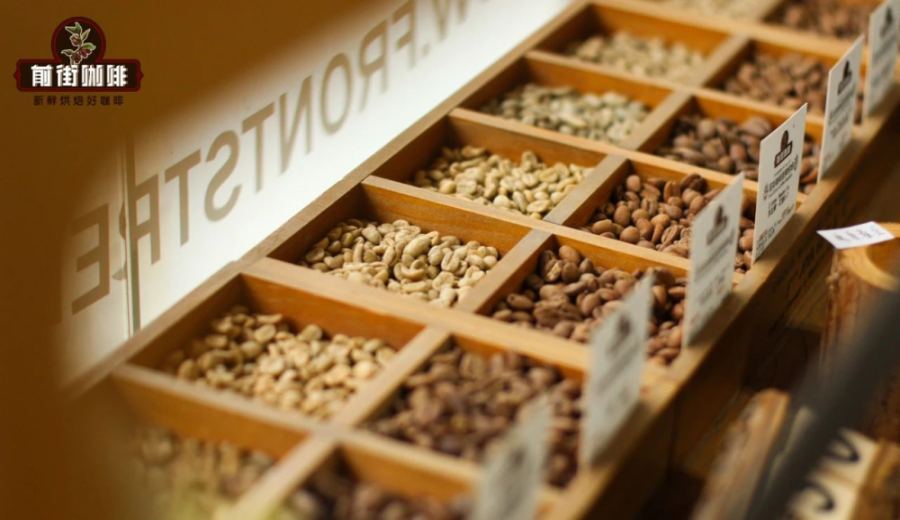
Introduction:Delve into the century-long development of Chinese Yunnan coffee, from the planting of the first coffee tree by French missionaries in Zhukula Village in 1904 to its current status as an important player in the global specialty coffee market. This article details the main variety characteristics of Yunnan small-grain coffee, regional distribution, and the flavor differences between washed and natural processing methods, while also providing professional pour over parameters and flavor descriptions to help coffee enthusiasts fully understand this specialty bean with Asian characteristics.
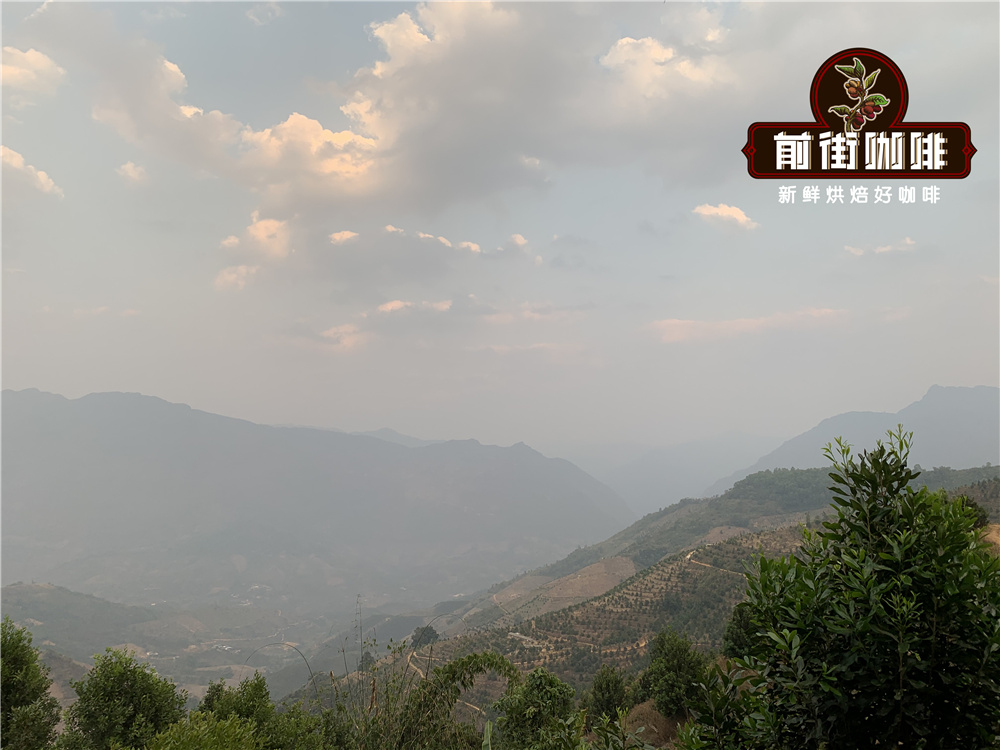
As China’s largest coffee-growing region, Yunnan, with its unique geographical and climatic conditions, produces small-grain coffee with distinctive flavors. The coffee here is known for beingstrong but not bitter, fragrant but not overpowering, with a hint of fruitiness, similar to Colombian coffee yet carrying the rich body characteristic of Asian beans. From Baoshan and Dehong to Pu’er, Yunnan’s coffee-growing regions are spread across mountainous areas, each imparting different flavor traits to the beans.
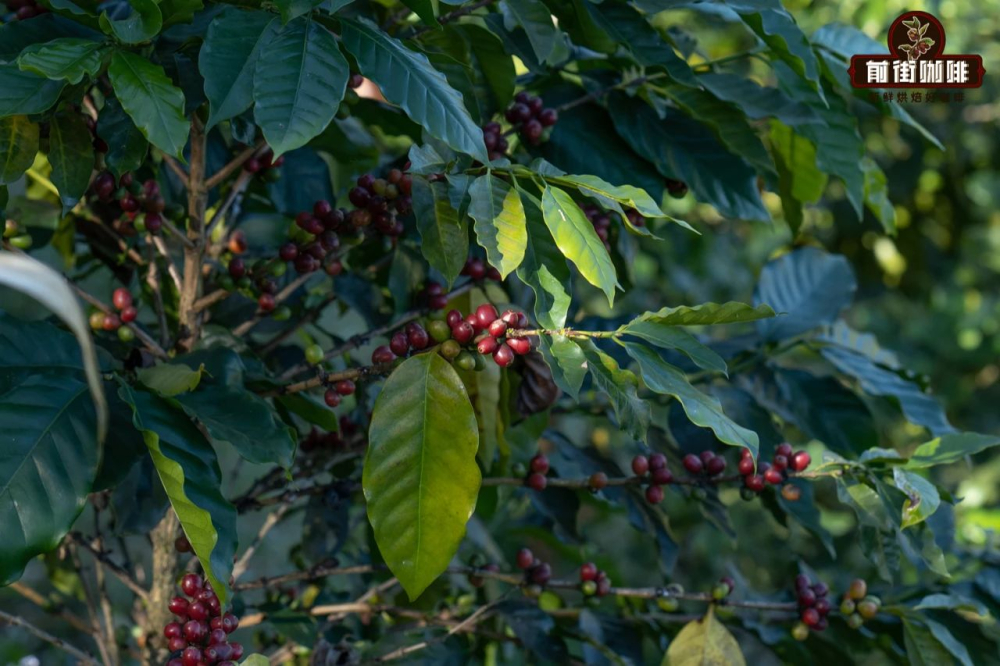
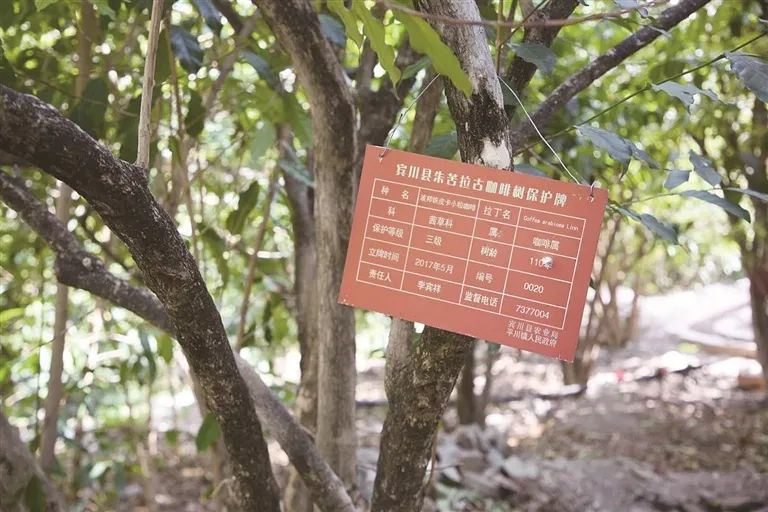
When talking about Yunnan coffee, its long planting history must be mentioned. As early as 1904, French missionary Térence Desflèches introduced the first coffee tree to Zhukula Village in Yunnan, marking the beginning of coffee cultivation in this land. Zhukula is located in Binchuan County, Dali Prefecture, on the banks of the Youpao River, a tributary of the Jinsha River, and is a natural village at the junction of three regions. This place not only preserves 24 ancient coffee trees over 90 years old but also maintains a traditional coffee culture of self-planting, self-grinding, and self-brewing, earning it the reputation of “China’s First Coffee Village.”
Yunnan’s geographical environment provides ideal conditions for coffee cultivation. Situated between 15°N and the Tropic of Cancer, the mountainous and sloped lands at elevations of 1,000–2,000 meters,with large diurnal temperature variations, abundant sunshine, and plentiful rainfall, collectively contribute to the unique flavor characteristics of Yunnan small-grain coffee. The beans here have flavors similar to those of Colombian coffee but also share similarities with Mandheling, showcasing common traits of Asian beans.
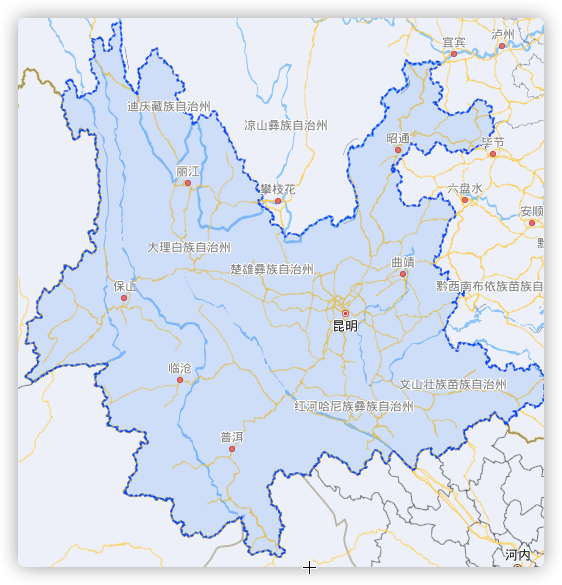
The main coffee-growing regions in Yunnan include Lincang, Baoshan, Dehong, and Pu’er. Among them, Baoshan is recognized as the best producer of small-grain coffee, with an average annual temperature of 21.5°C and no frost throughout the year. The dry-hot valley climate of the Luguangba area is particularly suitable for the growth of Arabica varieties. Dehong Prefecture is known for its organic farming, with 30,000 acres of coffee planted at elevations above 1,600 meters, producing high-quality beans. Lincang, located by the Lancang River, has distinct wet and dry seasons and abundant sunshine, making it a coffee-growing region that has garnered much attention in recent years.Pu’er, known as a tea region, also has a coffee cultivation history of over 150 years and has become an important industry for increasing farmers' income since the 1990s.
The evolution of Yunnan small-grain coffee varieties reflects the challenges and adaptations of the global coffee industry. Initially, Arabica varieties were planted, but in the face of the threat of coffee leaf rust, producing countries promoted the disease-resistantCatimor variety(which contains 25% Robusta genetics). Catimor combines the disease resistance of Robusta with some of the flavor characteristics of Arabica, becoming the mainstream variety in the market today. Traditional varieties such asTypica(Typica) offer elegant flavors but have low yields and are susceptible to diseases;Bourbon(Bourbon) is known for its rich aroma but requires more demanding environmental conditions. These varieties are still grown in small quantities in specific regions of Yunnan, offering coffee enthusiasts a diverse range of flavor experiences.
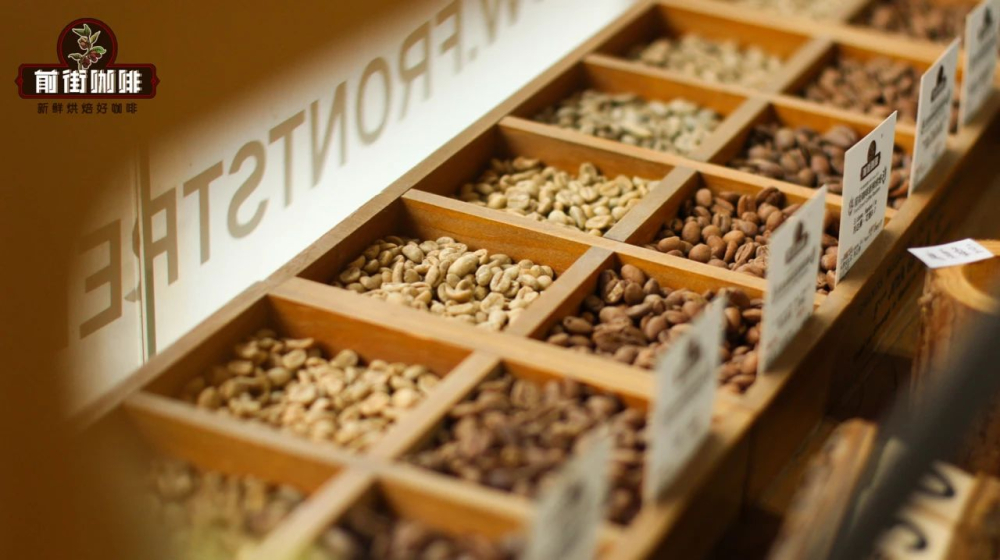
The processing method significantly impacts the flavor of Yunnan coffee. Washed processing highlights the purity and original flavors of the coffee, showcasingnutty, chocolatey, and caramelnotes; natural processing imparts richer fruitiness and sweetness, with complex layers of berry, brown sugar, and tea-like flavors. Practical examples show that washed Yunnan small-grain coffee has a distinct nutty aroma, with herbal and caramel notes on the palate; meanwhile, natural Typica exhibits higher sweetness and balance, with berry acidity complementing the brown sugar flavors.
To fully experience the flavor characteristics of Yunnan coffee, the correct brewing method is crucial. It is recommended to use freshly roasted coffee beans (ideally within 5 days of roasting), with a resting period of 4–7 days. Professional pour over parameters are recommended:Kono filter, water temperature 88°C, coffee-to-water ratio 1:15, grind size similar to coarse sugar (75% passing through a #20 sieve). Use a staged extraction method: start with 30 grams of water for a 30-second bloom, then pour water in a slow stream up to 225 grams, with a total extraction time of about 2 minutes. This method can fully highlight the layered profile and unique flavors of Yunnan coffee.
The above content is compiled by CoffeeHunters, a coffee news website.


