







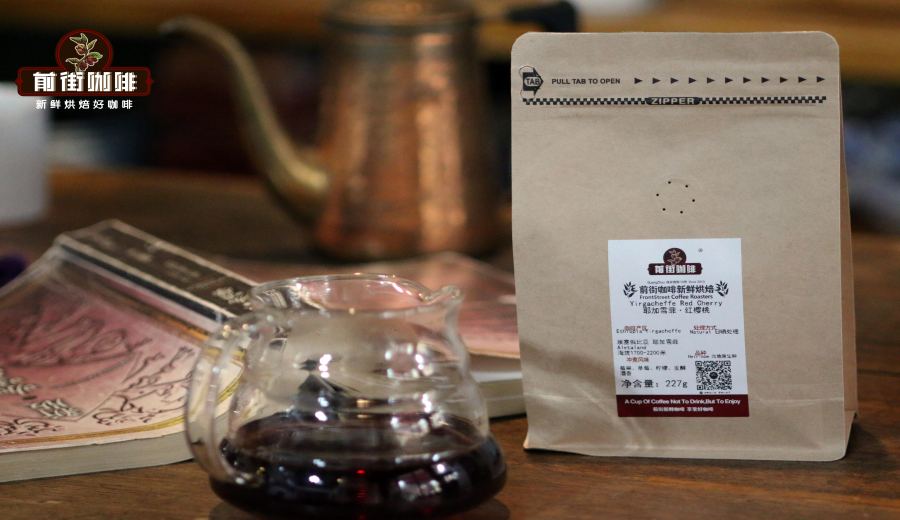
Introduction:Yirgacheffe in Ethiopia is a key gateway for global specialty coffee enthusiasts to discover fruity and floral coffees. This high-altitude region, with its unique washed and natural processing methods, produces classic cup profiles featuring citrus, floral notes, and bright acidity. This article delves into the background of the Yirgacheffe region, the flavor profiles of its two main processing methods, and provides practical pour over parameters and techniques to help readers comprehensively master everything from bean selection to brewing.
Yirgacheffe, a name that resonates loudly with many coffee newcomers, is often the first stop on the journey into the world of specialty coffee. This small town located in the highlands of southern Ethiopia, thanks to its exceptional microclimate and exquisite post-harvest processing, has created coffee renowned for its distinctive fruity and floral character. The experience of drinking it is like sipping a refreshing floral and fruit tea, leaving an unforgettable impression.
For many coffee lovers, their first cup of pour over black coffee starts with Yirgacheffe from Ethiopia. Its bright acidity and fruity aroma, so different from the traditional impression of "bitterness," completely changed their perception of coffee. So, what exactly creates such unique flavors in Yirgacheffe? Let’s start with the background of the region.
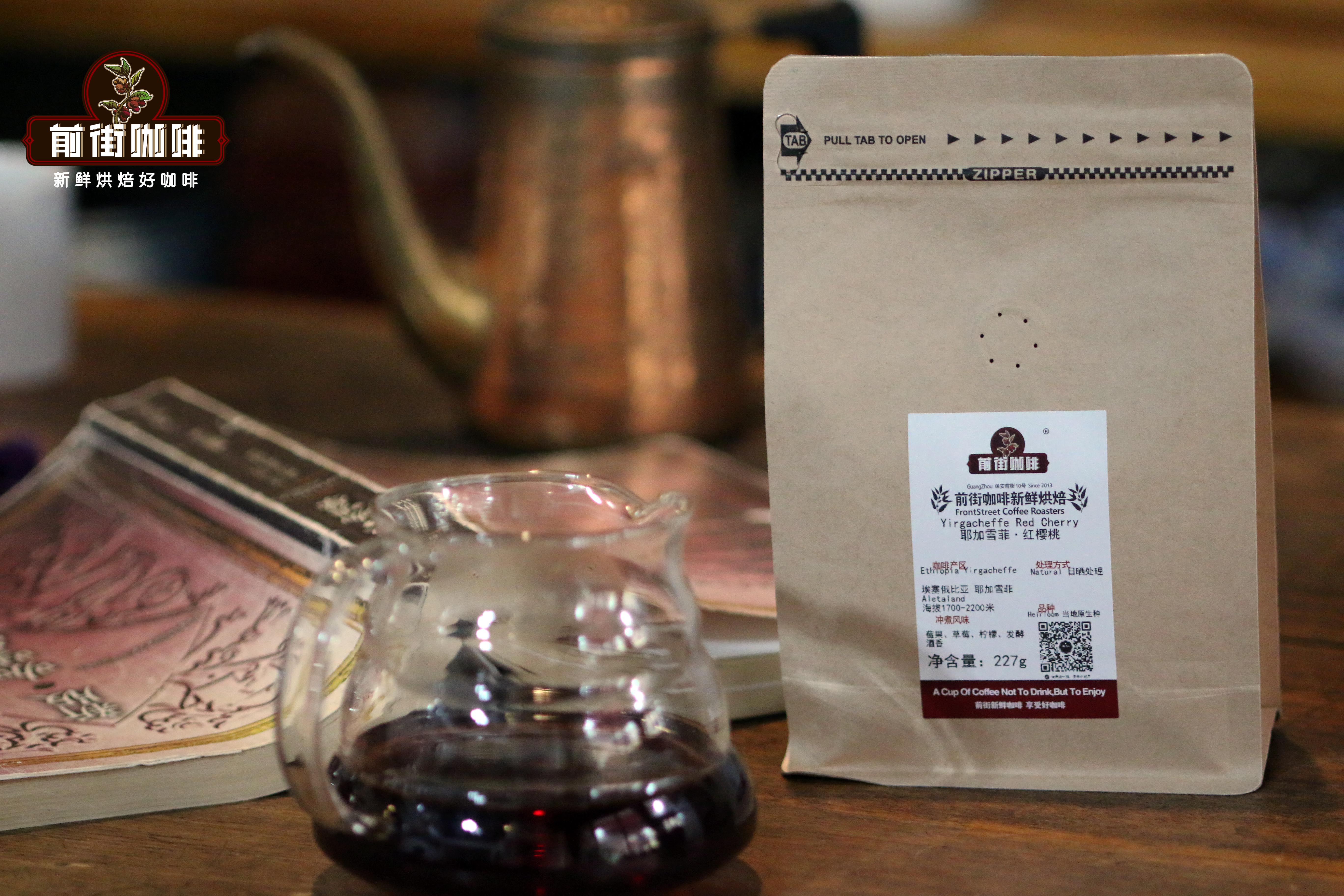
Ethiopia is hailed as the birthplace of coffee, boasting the world’s richest diversity of native coffee varieties, as well as varied altitudes and microclimates. These natural conditions lay the foundation for the diversity of coffee flavors. The region is dominated by high plateaus with significant day-night temperature differences—sunny days and cool, but not harsh, nights—along with mountain morning mists and abundant rainfall, all combining to create an ideal environment for coffee cultivation.
Coffee regions across the country exhibit distinctly different cup profiles due to variations in soil, altitude, and processing methods. Among them, Yirgacheffe, Sidamo, and Guji are the three most common and representative flavor regions in domestic and international cafés, each with its own loyal following.
Speaking of Yirgacheffe, it was originally just a small town in southern Ethiopia, administratively part of the Sidamo region. However, with the development of local washed processing techniques, the coffee produced here began to display unique white floral and citrus notes, clearly distinct from the traditional Sidamo style. As a result, it later became an independent, dedicated region and quickly rose to prominence in the global specialty coffee market.
The town of Yirgacheffe is located in the Gedeo zone, adjacent to the Great Lakes basin, surrounded by rivers and springs that provide a stable and abundant water supply for local washed processing facilities. Interestingly, in ancient Ethiopian, "Yirgacheffe" is composed of "Yirga" (meaning peaceful) and "Cheffe" (referring to a swamp or wetland), with the overall meaning of "let us settle in this wetland"—quite poetic.
The so-called "Yirgacheffe flavor" is often described as having bright citrus and lemon-like fruit aromas, complemented by subtle jasmine or floral notes. The acidity is clear and layered, the mouthfeel is clean and refreshing, with almost no off-flavors or rough aftertastes. According to the classification by the Ethiopian Commodity Exchange (ECX), in addition to the town of Yirgacheffe itself, surrounding areas such as Wenago in the north, Gelena Abaya in the west, and Kochere in the south also produce coffee that can be categorized under the Yirgacheffe flavor profile.
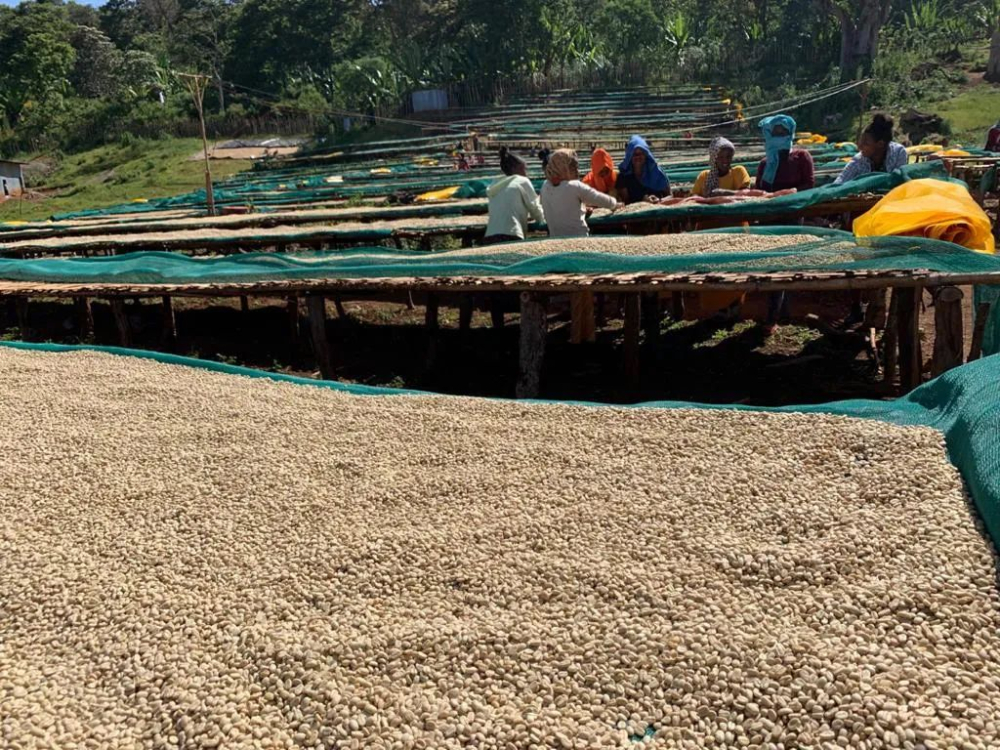
Among the many coffee cooperatives in the Yirgacheffe region, the Banko Gotiti cooperative is a highly representative example. This small village in the Gedeo area was originally part of the Worka cooperative under the Yirgacheffe Coffee Farmers Cooperative Union (YCFCU). Later, due to the maturity of its washed processing techniques and the consistency of its flavors, it stood out in 2012, becoming an independent and highly regarded production unit.
Traditional Ethiopian coffee processing mostly uses the natural (dry) method, which involves directly sun-drying harvested coffee cherries until their moisture content drops to 12%, followed by hulling. However, this method can easily lead to off-flavors, such as fruit spoilage or earthy notes, affecting the final quality. To improve quality and efficiency, washed processing technology was introduced from Central and South America, becoming a key factor in the rise of Yirgacheffe coffee.
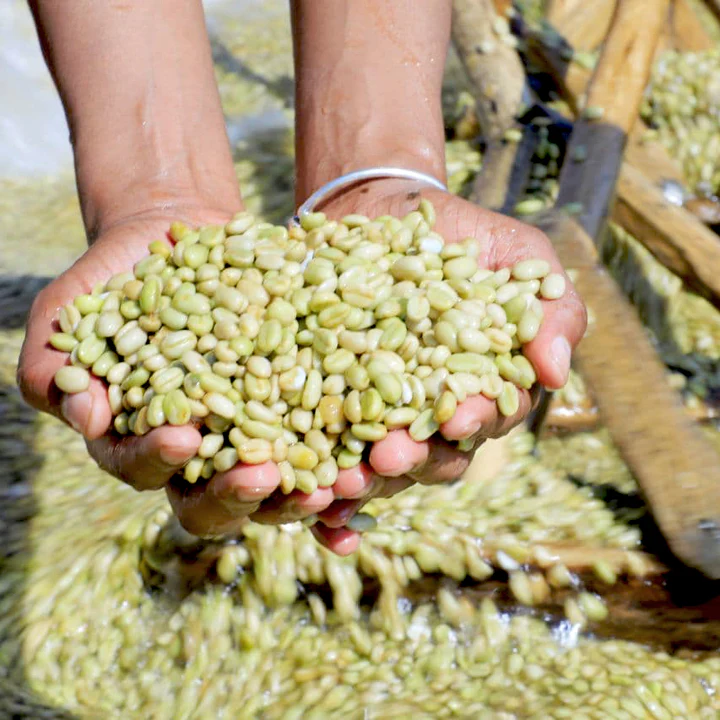
The washed processing procedure includes: selecting ripe red cherries, removing the pulp, fermenting to remove the mucilage, washing with clean water, and finally drying on raised beds. Each step requires precise control to ensure the purity and consistency of the coffee’s flavor. It is precisely because of the use of washed processing that Yirgacheffe coffee can showcase clear fruity and floral profiles and delicate acidity, thereby breaking away from the Sidamo region and becoming a standout star in the specialty coffee market.
Compared to the bright and clean profile of washed processing, naturally processed Yirgacheffe presents a completely different flavor profile. The natural method involves directly sun-drying whole coffee cherries, allowing the sugars and aromas in the pulp more time to penetrate the seeds (i.e., the coffee beans). Since the entire process involves natural fermentation and maturation within the fruit, naturally processed coffee often carries richer tropical fruit aromas, a sweet profile, and distinct fermentation layers.
Ethiopia’s high altitude and long sunshine hours provide excellent natural conditions for natural processing. The longer the drying time, the more intense the flavors, but the drying process must be strictly controlled to avoid over-fermentation or moldy notes. The rich berry tones and full body that many coffee lovers adore often come from carefully processed natural Yirgacheffe.
When it comes to natural Yirgacheffe, one cannot overlook the "Red Cherry Project." Launched in 2007 by Dutch trader Trabocca BV, this initiative aims to enhance the quality of coffee from Ethiopia’s high-altitude regions, particularly well-known micro-regions like Yirgacheffe. The project includes promoting more refined processing techniques, harvesting only 100% ripe red cherries, and having professional cuppers oversee quality. This initiative not only improved the flavor performance of the coffee but also enabled farmers to earn higher returns, creating a virtuous cycle.
For pour over enthusiasts, how to extract the essence of Yirgacheffe’s flavors is a subject worthy of in-depth study. Generally, Yirgacheffe is suited to light roasting to preserve its bright acidity and fruity and floral character. After roasting, it is recommended to let the beans rest for 4 to 7 days, allowing them to degas and enter a stable period, when extraction yields the best results.
In terms of brewing parameters, it is recommended to use a V60 filter cone, paired with medium-fine grinding (approximately 78% passing through a #20 sieve, similar in coarseness to fine sugar). Too coarse a grind can lead to under-extraction and thin flavors; too fine can easily over-extract, resulting in bitterness. Water temperature should be controlled at92 to 93 degrees Celsiusto help fully activate volatile compounds like citrus and floral notes.
For specific steps, you can follow this process: use15 grams of coffee grounds, with a coffee-to-water ratio set at1:15. First, pour30 grams of hot water for a 30-second bloom, then pour95 grams of water (total weight approximately 125 grams), completed within about 1 minute; when the water level drops to two-thirds of the coffee bed, pour100 grams of water (total weight approximately 225 grams), completed within about 1 minute and 35 seconds. The total extraction time is about2 minutes and 10 seconds, after which the filter cone is removed to complete the brew.
Mastering these basic parameters and techniques, along with an understanding of processing methods and regional flavor profiles, allows for a more precise appreciation of the multi-layered charm of Yirgacheffe. Whether it’s the bright washed version or the rich natural one, each can showcase its unique qualities in the cup.
The above content is compiled by CoffeeHunters, a coffee news website.


