







Introduction:Fully automatic coffee machines make it easy to brew espresso at home, but mastering the correct operation and bean selection is essential to extracting the desired flavors. This article details the basic operation process of fully automatic coffee machines, including machine setup, adding beans and water, and beverage preparation steps. It also recommends eight premium coffee beans suitable for home use with fully automatic machines, covering diverse flavors such as fruity, nutty, and chocolatey notes, helping you easily brew your own great coffee.
Home coffee machines on the market can generally be divided into two types: semi-automatic and fully automatic. Semi-automatic machines require users to manually control many parameters such as grind size, tamp pressure, and extraction time, making them suitable for advanced users. In contrast, fully automatic machines only require pressing a button to automatically complete the entire process from grinding beans to brewing, making them especially suitable for daily home or office use. However, precisely because the operation threshold is low, the final flavor of the coffee relies more on the quality of the beans themselves.
This article will guide you through the basic usage process of a home fully automatic coffee machine—from startup and setup, preparing beans and water, to actual brewing—teaching you step by step how to brew good coffee with the machine. Additionally, we’ve specially selected eight coffee beans that perform exceptionally well with fully automatic machines, each accompanied by detailed flavor descriptions, so you can find the most suitable choice based on your personal taste.
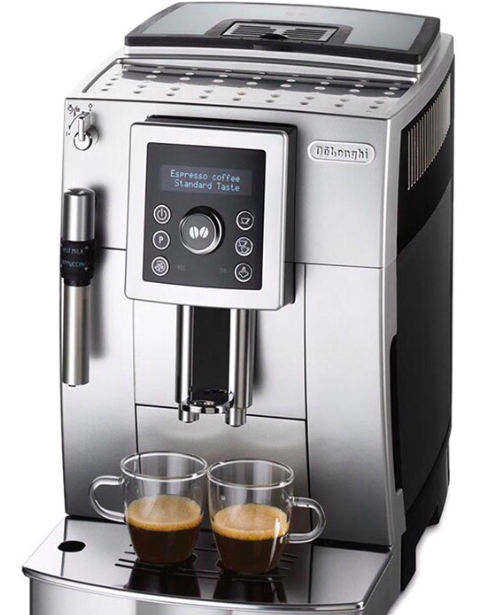
Currently, common home fully automatic coffee machines on the market often also combine features like grinding, steam wands, or even milk frothing capabilities, or are integrated with capsule systems or all-in-one designs—all of which fall under the broad category of fully automatic coffee machines. The difference lies in the fact that traditional fully automatic coffee machines use whole coffee beans as the raw material, whereas capsule or all-in-one machines mostly use pre-ground coffee powder or proprietary capsules. If you prefer using freshly ground coffee beans, it is recommended to choose a bean-only model to achieve better extraction performance.
Before starting to use a fully automatic coffee machine, there are several preparatory steps that should not be overlooked. First, ensure the machine is clean and free of residue, especially parts like the water tank, coffee grounds container, and filter—regular cleaning is recommended to avoid residual buildup that could affect flavor. Second, be sure to use freshly roasted coffee beans; it’s advisable to choose products with a roast date within 45 days, with the optimal flavor window typically being the first two weeks. It’s understood that many professional roasters ship their beans within 5 days of roasting to ensure they arrive at peak flavor.
Next is the machine startup and basic setup. Before first use, confirm that the power supply is stable and that the voltage matches the machine’s specifications. Then power on the machine and wait for it to complete its self-check procedure. Most fully automatic coffee machines offer multiple options on the control panel, such as buttons for “small cup,” “large cup,” “hot water,” and “steam,” which can be adjusted according to your needs. Some high-end models also allow further fine-tuning of coffee bean dosage, concentration, brewing water temperature, and even support dual-cup mode—it’s recommended to gradually experiment to find the parameter combination that best suits your personal taste.
Note that not all fully automatic coffee machines have a separate coffee bean container; some models can only use pre-ground coffee, so please check the machine’s specifications before purchasing. In addition, it’s advisable to check the water tank level in advance. It’s recommended to fill it to about three-quarters of the machine’s capacity, which is sufficient for multiple brews and helps avoid interruptions due to running out of water during the process.
Once you’ve prepared the coffee beans and water, you can proceed to fill the bean hopper and water tank. Open the bean hopper lid and pour an appropriate amount of coffee beans inside. It’s recommended to fill it to about 70–80% of the machine’s capacity—for most machines with a 400-gram capacity, around 300 grams is ideal. This helps ensure even bean flow and preserves freshness. At the same time, open the water tank lid and fill it to the designated water level line. Using filtered tap water or purified water is preferable, as it reduces scale buildup and extends the machine’s lifespan.
After completing the above preparations, you can begin making coffee. Use the machine’s control panel to select the type of drink you want—such as espresso, Americano, cappuccino, or latte—and press the corresponding button. The machine will then automatically execute the entire process of grinding beans, tamping, extracting, and dispensing the beverage. During the brewing process, it’s recommended to observe whether the machine is operating smoothly—for example, whether the grinding sound is consistent and whether the water pressure is stable—these are indicators that can help you assess whether the extraction is proceeding normally.
Once the coffee is ready, the machine will usually emit a prompt sound or light to notify you. You can then open the spout and pour the coffee into your cup. If you’ve chosen espresso or ristretto, you can customize it according to your preferences by adding milk, syrup, or spices to create your own unique flavor. Moreover, different coffee beans, due to variations in origin and processing methods, will present distinctly different flavor profiles. It’s recommended to try several varieties to discover the one that best suits your palate.
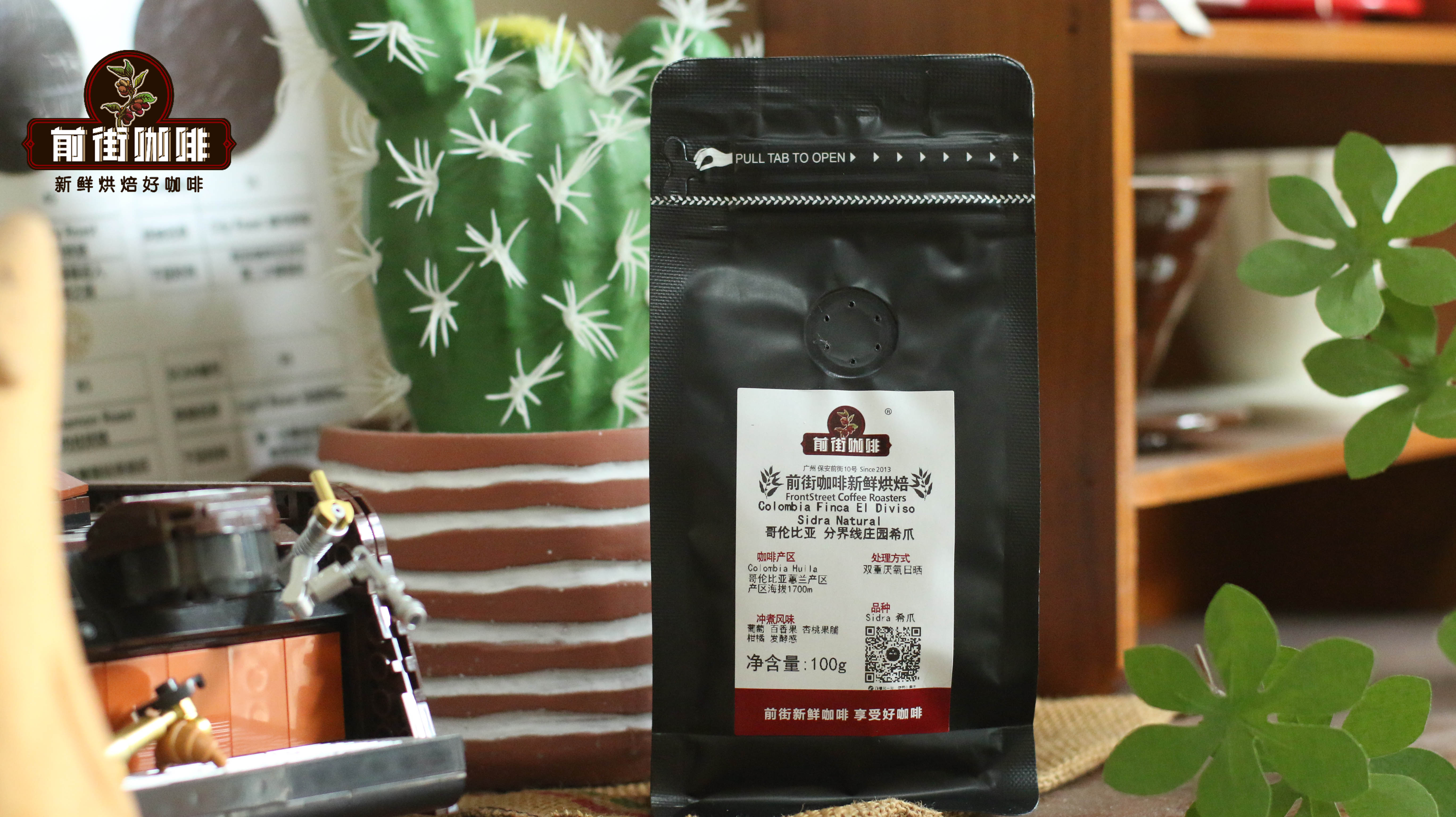
The eight recommended coffee beans suitable for use with fully automatic coffee machines each boast distinct flavor characteristics: Colombia Finca La Frontera Geisha offers bright fruity notes of grape, passion fruit, and dried apricot, with balanced acidity and sweetness; Gesha Blend Strawberry Candy espresso is known for its rose floral notes and strawberry soft candy flavors, with a prominent sweetness; Huakui SOE showcases yellow berries and citrus tones with vibrant acidity; Panama Flower Butterfly presents a balanced profile of green tea, orange, and nuts; Papua New Guinea Bird of Paradise stands out with its rich profile of dark cocoa, nuts, and almonds; Brazil Queen Estate delivers a rounded texture of creamy chocolate and caramel; PWN Golden Mandheling exhibits intense spice and chocolate aromas; Kenya Little Tomato is famed for its dark plum, cherry tomato, and juicy character.
If you prefer a more balanced and stable flavor profile, you might also consider Italian-style blends. A common blending method is combining coffee beans from different regions in specific proportions—for instance, blending Brazilian semi-washed Bourbon with Colombian Huila can simultaneously deliver nutty aromas and a creamy, silky texture, making it suitable for daily drinking or making milk-based coffee drinks.
In summary, while using a fully automatic coffee machine is convenient, every aspect—from machine cleaning, bean selection, to controlling water temperature and grind size—affects the final coffee flavor. Through the step-by-step guidance and bean recommendations in this article, we hope you can confidently use your home fully automatic coffee machine and easily enjoy a professional-level coffee experience.
The above content is compiled by CoffeeHunters, a coffee news website.


