







Introduction:Espresso is the foundation of many classic coffee beverages, and its unique crema layer and intense flavor are captivating. This article delves into the two core characteristics of Espresso — the golden, velvety crema and its high-concentration flavor profile. It explores the science behind crema formation, techniques for assessing freshness, and the relationship between color and taste. Detailed extraction parameters for both commercial and home machines are also provided, including pressure, brew ratio, time ranges, and step-by-step instructions. Additionally, practical blend recommendations are included to help you master the key elements of making great Espresso.
Espresso is the soul of many popular Italian-style coffee drinks and the foundation of daily offerings in cafés. A high-quality Espresso is defined not only by its golden, fine crema but also by the intense flavors and lingering aftertaste released through concentration. To make an ideal Espresso, understanding its brewing principles and key parameters is essential.
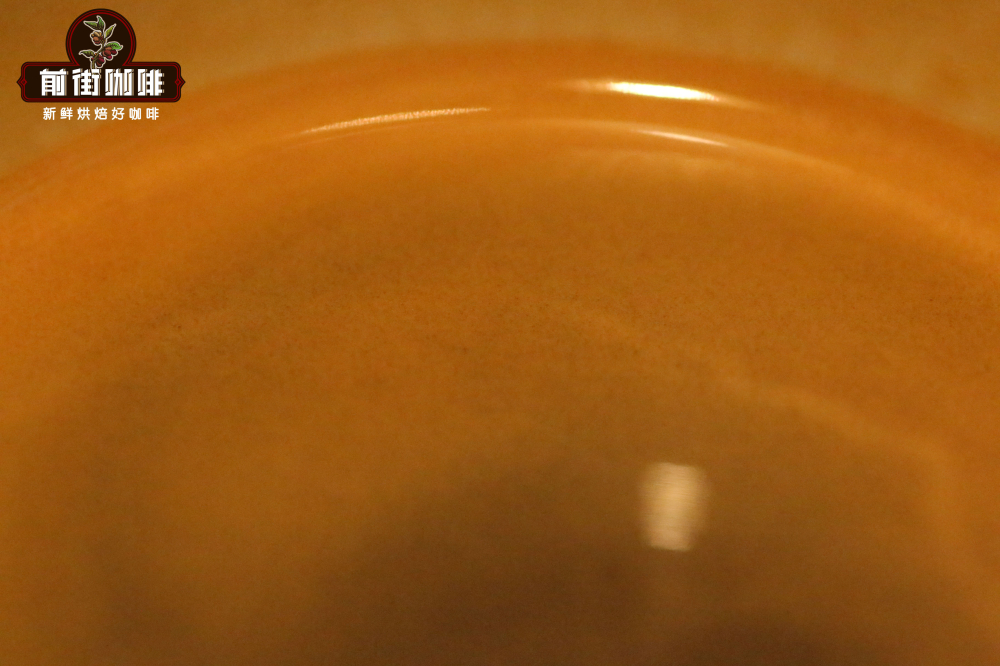
First, let’s focus on one of Espresso’s most iconic features: crema. When a barista finishes extraction and serves the shot, you’ll see a rich, fine layer of golden foam floating on the surface. This crema forms due to the large amount of carbon dioxide produced during the roasting process. Under high pressure, the CO₂ is released as tiny bubbles as water passes through the coffee grounds, and these bubbles accumulate at the surface to form a stable, attractive foam layer.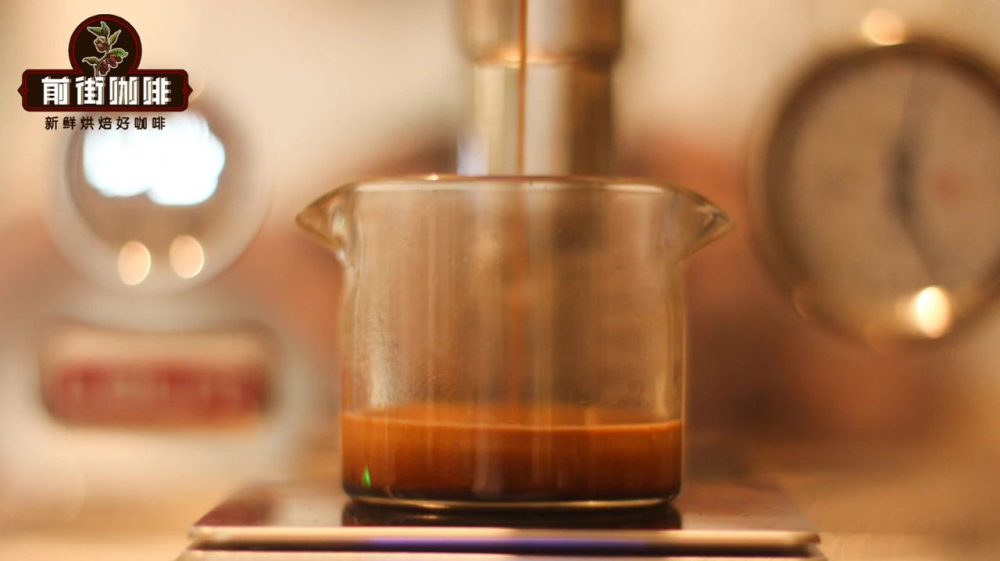
The thickness and texture of the crema are important indicators of coffee bean freshness. Freshly roasted beans contain more carbon dioxide, which can produce a thick and long-lasting crema. Conversely, if the beans have been sitting for too long, the internal gases dissipate, resulting in thin or even absent crema during extraction. Additionally, the color of the crema is closely related to the roast level. Darker roasts, due to more pronounced Maillard reactions, typically yield a deeper-colored crema and impart a richer, fuller-bodied flavor to the coffee.
Besides crema, another defining trait of Espresso is its high concentration. To extract a large amount of soluble substances within just a few seconds, the coffee grounds must be ground extremely fine and evenly. Under near-boiling water and about 9 bars of pressure, the flavor compounds in Espresso become highly concentrated, delivering a strong sensory impact upon drinking and leaving a lasting aroma afterward. That’s why many shops serve a glass of water alongside Espresso to cleanse the palate.
Next, let’s look at how to make a standard Espresso at home or in a café. In a commercial setting, machines like the Lelit Bianca offer adjustable pressure, reaching up to 11 bars. For home use, a machine that can steadily output 9 bars of pressure, paired with a quality espresso grinder, is sufficient to meet basic extraction needs. It’s generally recommended to use a double basket, with coffee dosage between 18 to 20 grams, and a common brew ratio range of 1:1.5 to 1:2.5. Among these, 1:2 (i.e., 20 grams of coffee yielding 40 grams of liquid) is the golden ratio adopted by many professional cafés.
Extraction time is also a critical factor, usually controlled between 20 to 35 seconds. If the time is too short (below 20 seconds), the coffee may taste thin and lack complexity. If it exceeds 35 seconds, over-extraction can occur, leading to burnt or bitter notes. In practice, maintaining an extraction time of around 28 to 30 seconds often achieves a balanced flavor and smooth mouthfeel.
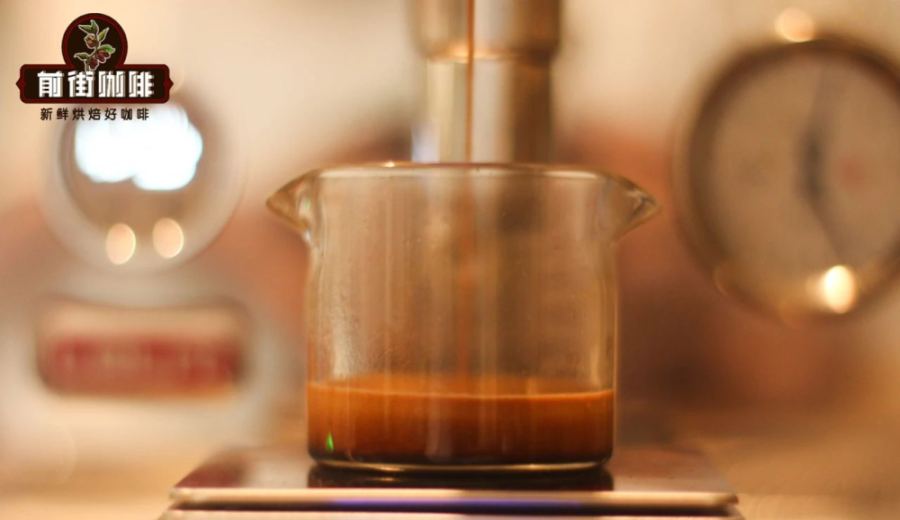
In terms of the workflow, first ensure the portafilter basket is dry. Distribute 20 grams of ground coffee evenly in the basket, then use a tamper to compress the coffee puck — this step greatly affects extraction stability. Next, turn on the machine to release a small amount of hot water to wet the group head and clear any residual coffee grounds. Then securely attach the portafilter to the group head and begin extraction. When the scale shows 40 grams of extracted coffee and the time approaches 30 seconds, turn off the machine and pour the shot into your cup to enjoy.
The flavor profile of Espresso is closely tied to the coffee beans used. For example, some popular blends combine beans from different regions to create a rich, layered taste. A blend with a 7:3 ratio of Honduran Sherry coffee and Ethiopian Natural Red Cherry often results in an Espresso with dense crema, distinct whiskey-like aromas, and tasting notes of vanilla cookies and berry acidity. The overall flavor is robust with a long finish. Such Espresso can also serve as a base for Americanos (diluted with water) or be paired with milk for lattes, highlighting chocolatey and creamy sweetness.
For beginners, choosing the right blend is especially important. If you’re not yet familiar with equipment and parameters, it’s advisable to start with a classic dark-roasted espresso blend. These recipes often combine beans from Brazil, Indonesia, and Vietnam. After dark roasting, they emphasize bold, rich aromas and easily produce a dense crema. Whether you’re making an Americano or a latte, such blends deliver stable and enjoyable flavors. Mastering these fundamentals will help you gain confidence and skill in making Espresso.
The above content is compiled by CoffeeHunters, a coffee news website.


