







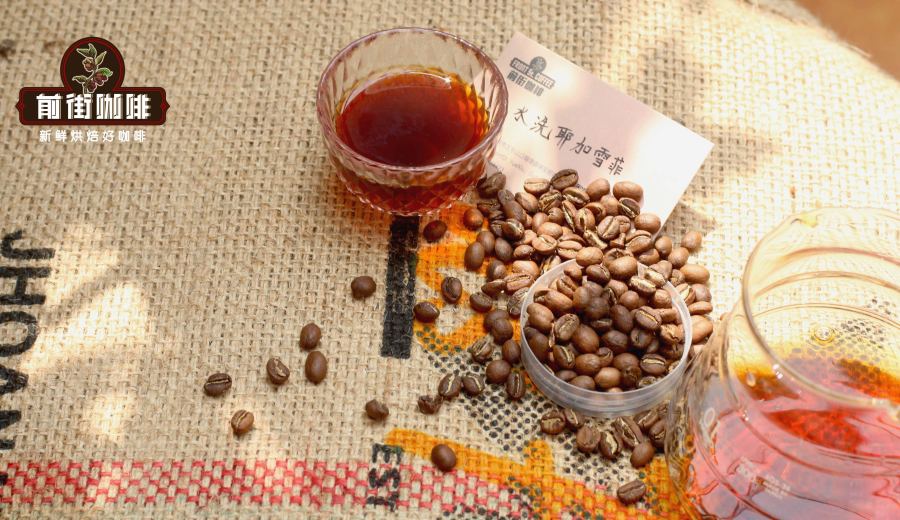
Introduction:The Yirgacheffe Aricha natural-processed coffee bean, hailed as a "fruit bomb," is renowned for its intense fruity aroma and high sweetness. This article delves into the regional background and processing method, and explores various brewing techniques through hands-on testing—including cold brew, V60 pour over, and cold drip—to analyze how different parameters influence flavor profiles and extraction techniques. Whether you’re a beginner or an advanced coffee enthusiast, you’ll gain insight into the potential and extraction boundaries of this G1-grade bean.
Yirgacheffe, one of Ethiopia’s most iconic coffee-growing regions, has long been celebrated for its bright acidity and fruity notes. Among its producers, the Kebel Aricha washing station produces a natural G1-grade Aricha coffee bean that stands out with its rich fermentation aromas and pronounced sweetness, earning it the nickname “fruit bomb” among coffee lovers. If you want to experience what it means for “coffee to taste as vibrant as fresh fruit,” this bean is definitely worth trying.
The Natural Processing Method at Aricha Washing Station
The Aricha coffee beans come from the Kebel Aricha washing station, which is supported by approximately 650 to 700 smallholder farmers. These farmers are responsible for harvesting ripe coffee cherries and delivering them to the station for further processing. The station carefully selects high-quality coffee cherries, preserving the complete pulp and mucilage, then places them on raised African beds for prolonged sun drying—a process that typically lasts more than two weeks. Drying on raised beds helps prevent the cherries from contacting the ground, avoiding contamination from impurities and earthy flavors, thereby preserving a clean and distinct fruity character.
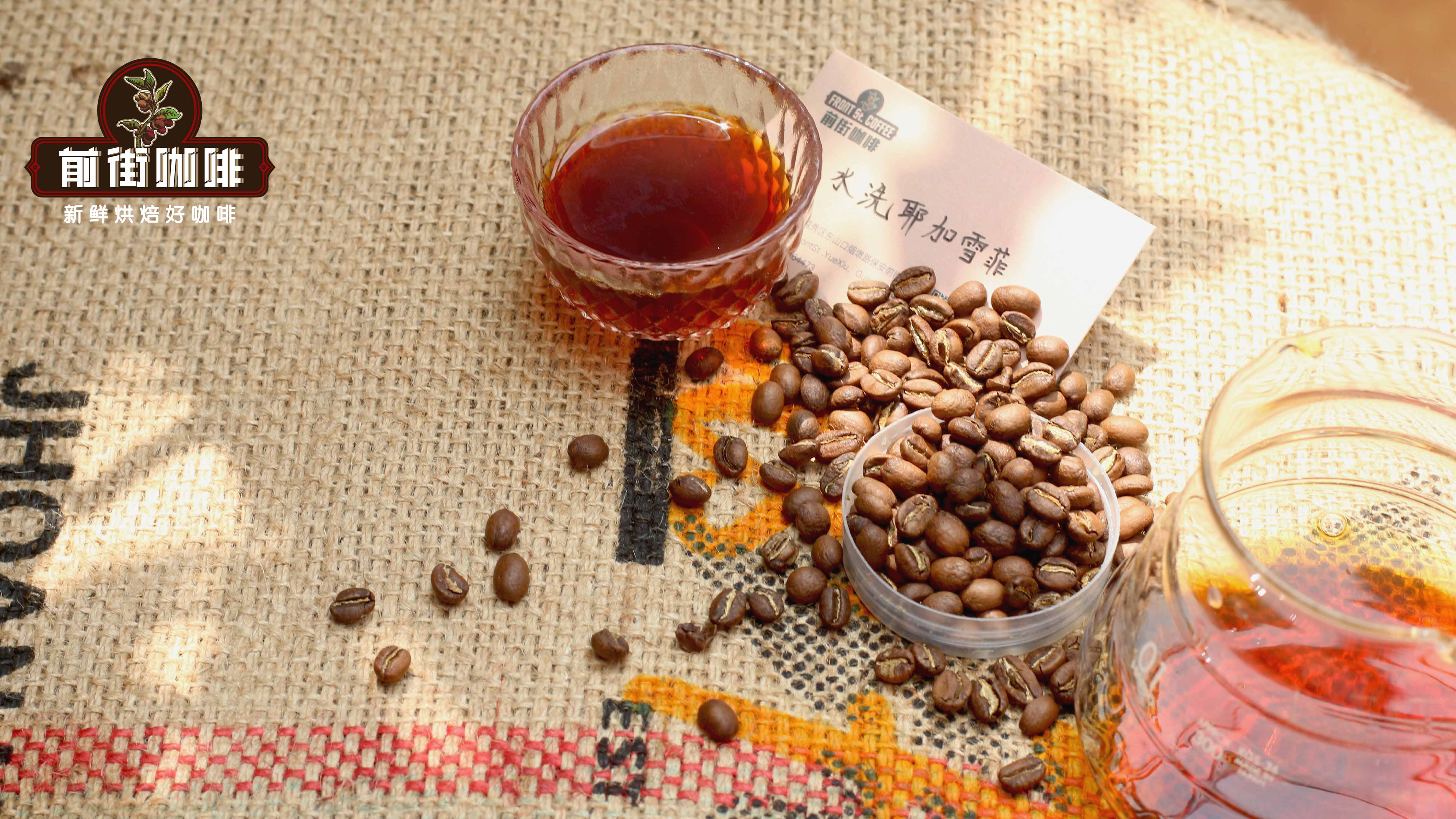
During the sun-drying process, the coffee cherries gradually dehydrate, concentrating the internal sugars and flavor compounds. This is a key reason why Aricha exhibits such intense sweetness and pronounced fermented fruit aromas. Only after the flavors have fully developed does the station proceed with hulling to produce the familiar green coffee beans. This processing method not only enhances the complexity of the flavors but also ensures that even with simple brewing methods, this bean can reveal remarkable layers of taste.
Initial Exploration with Cold Brew Pour Over: Surprising Sweetness and Bursting Fruit Aroma
On my first try with this Aricha natural bean, I opted for the cold brew pour over method—pouring hot water-brewed coffee through a filter directly into a cup filled with ice. This technique effectively lowers the extraction temperature and slows down the release of flavors, helping to highlight sweetness and fruity notes.
The freshly brewed cold brew Aricha emits a wet aroma rich with ripe berries and a hint of fermented wine-like notes. At first sniff, it may differ slightly from the traditional bright and citrusy profile of Yirgacheffe, but upon tasting, it turns out surprisingly smooth. The acidity is soft and delicate, while the sweetness is exceptionally full-bodied. Layers of ripe fruit flavors unfold on the palate, and the finish is clean and lingering. It truly lives up to its reputation as a “fruit bomb.”
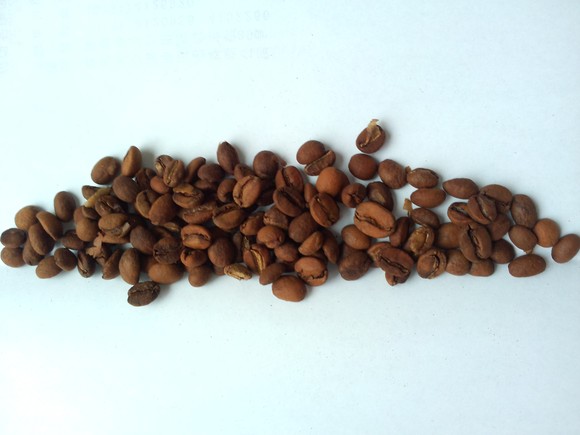
V60 Pour Over Experiment: Different Flavor Profiles with Parameter Variations
In our V60 pour over experiments, we tried various combinations of water temperature and grind size. The first round used a slightly lower water temperature (around 88°C) with a medium-fine grind. The resulting wet aroma was filled with berry and red wine-like fermented notes, but the latter part of the cup leaned slightly toward pronounced lemony acidity, with the overall flavor profile skewing brighter and more acidic.
The second round also used the V60, but with a higher water temperature (around 94°C) and increased fine particle ratio. This time, the wet aroma leaned closer to the clean profile typical of washed Yirgacheffe, but some unexpected bitterness emerged—likely due to over-extraction or too many fine particles. A reminder to readers: when using the V60, balancing water temperature and grind size is crucial, especially with high-intensity beans like Aricha.
Adjusting the Coffee-to-Water Ratio: From 15:1 to 18:1 for Maximum Sweetness
To explore the optimal balance in extraction, I experimented by increasing the coffee-to-water ratio. The initial extraction was done at 15:1, then water was added afterward to bring the overall ratio to over 18:1, while also slightly reducing the water temperature. This combination resulted in a smoother mouthfeel, with clear fruit-tea-like flavors emerging. The acidity and sweetness were well-balanced, with almost no off-flavors—a very approachable brewing method for everyday drinking.
Cold Drip Experiment: Intense Flavors but More Challenging
Lastly, we also experimented with cold drip extraction for Aricha, observing how it performs under prolonged low-temperature brewing. The cold drip cup emitted a cool, wine-like wet aroma, and the first sip revealed noticeable dark chocolate and deep berry flavors. However, the subsequent bitterness and certain off-notes became more apparent, making the overall cup less smooth compared to pour over or cold brew. This shows that although Aricha has an explosive flavor profile, not all brewing methods suit it well—cold drip presents a relatively high challenge for this bean.
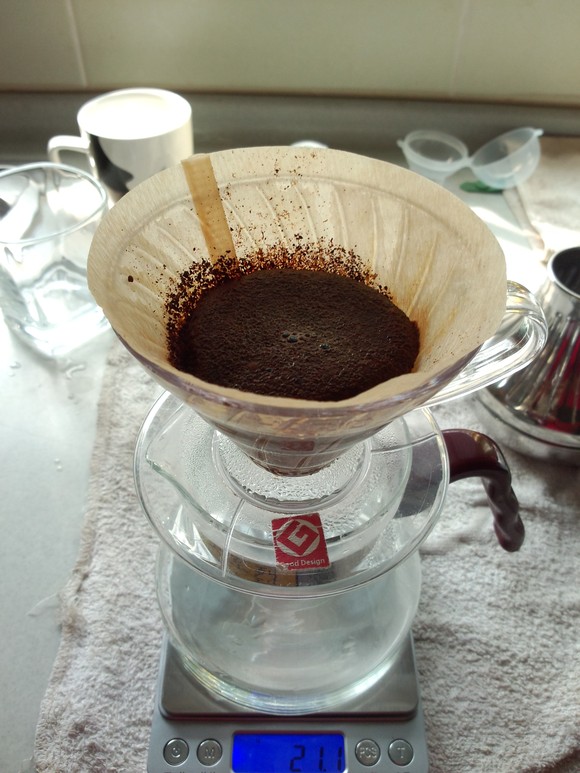
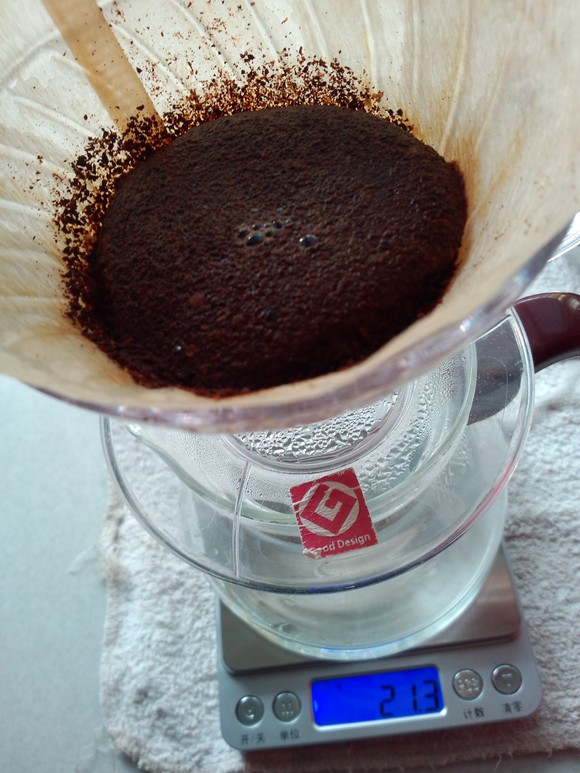
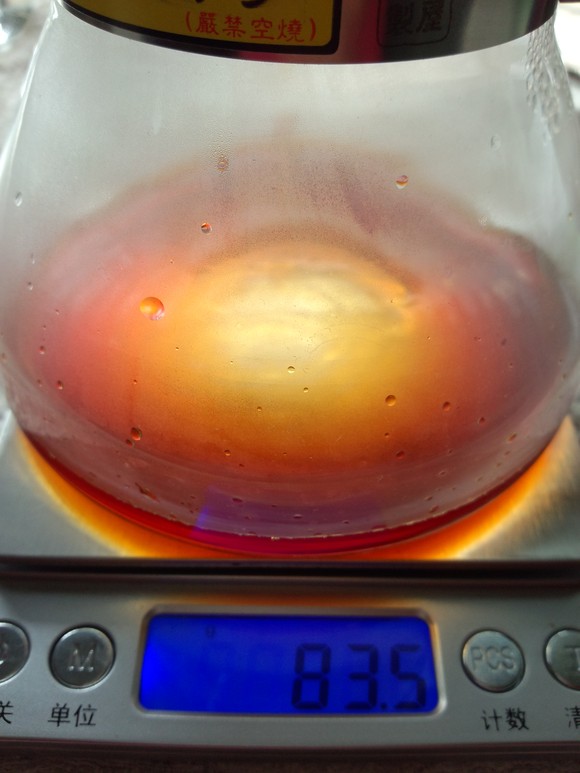
In summary, the Yirgacheffe Aricha natural is a coffee bean with intense flavors and rich layers. Whether brewed via cold brew, pour over, or with adjusted coffee-to-water ratios, it showcases different flavor dimensions. For those new to single-origin coffee, we recommend starting with medium-low water temperatures and slightly coarser grinds to gradually explore the extremes of its fruity character. For advanced users, tweaking the coffee-to-water ratio and extraction time can help uncover the full potential and boundary of this “fruit bomb.”
The above content is compiled by CoffeeHunters, a coffee news website.


