







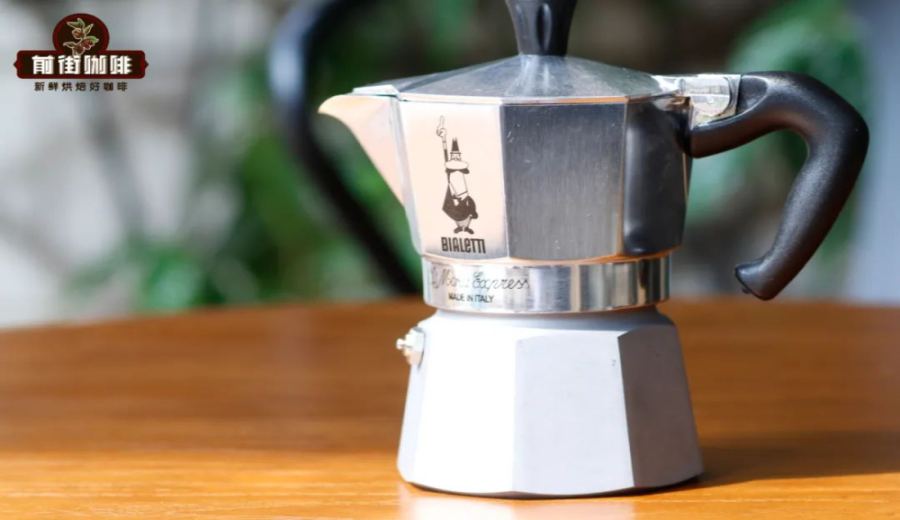
Introduction:The moka pot is one of the most widely used coffee brewing devices in Italian households, using steam pressure to extract coffee with rich crema. This article details the history, structure, and practical usage of the moka pot, including recommended medium-dark roasted beans and grind size guidance, helping you easily master this classic brewing tool.
The moka pot is a classic coffee brewing device commonly found in Italian homes, with reports suggesting that eight out of ten households own at least one. However, it remains less popular elsewhere, and many coffee enthusiasts have limited understanding of its operational principles and details. This article will delve into the origins, structural design, and brewing process of the moka pot, taking you step-by-step from its basic components to actual extraction techniques, and showing you how to brew a rich-flavored cup of coffee using a moka pot.
A Brief History of the Moka Pot
The moka pot was invented in 1933 by Italian inventor Alfonso Bialetti. This device, which uses steam pressure generated from a heated base to brew coffee, is a type of percolation extraction and one of the earliest tools that allowed people to make espresso-like coffee at home. Alfonso had a background in both design and invention, having studied in France before returning to Italy during its rapid aluminum industry development. He founded the Bialetti company, thus beginning the history of this iconic coffee maker.
Initially focused on aluminum products, he later innovated the design of the moka pot. Its simple yet highly efficient structure quickly gained popularity among Italian households and remains a staple on many breakfast tables to this day.
The Structure and Brewing Principle of the Moka Pot
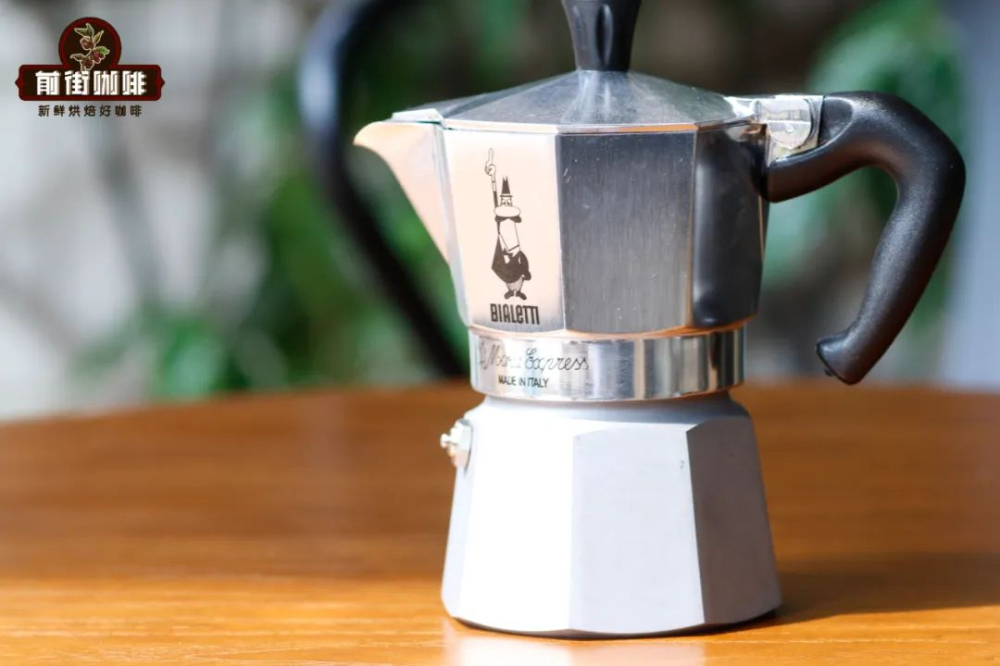
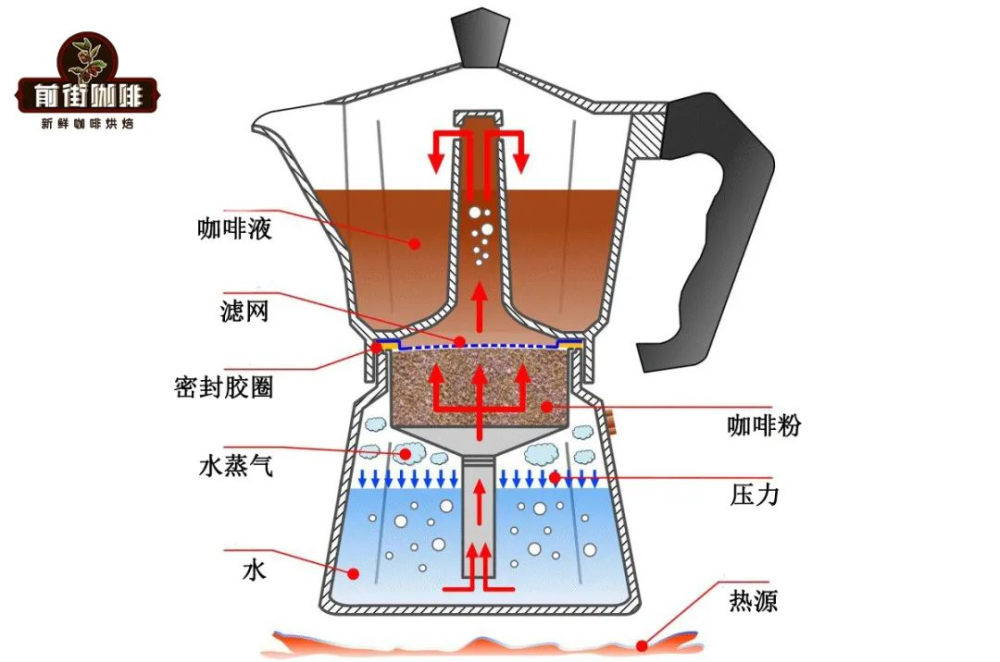
The moka pot mainly consists of three parts: the upper chamber, the funnel (coffee chamber), and the lower chamber. The lower chamber holds water, the funnel is filled with ground coffee, and the upper chamber collects the brewed coffee. When the lower chamber is heated, the water boils and generates steam pressure, which forces the hot water upward through the coffee grounds in the funnel, eventually reaching the upper chamber to produce a cup of coffee rich in crema and aroma.
Although the pressure produced in this method is not as high as that of a professional espresso machine (typically 9 bars), it is still sufficient to extract the bold flavors and crema of the coffee, making it an economical and efficient choice for home use.
How to Use a Moka Pot Correctly: From Preparation to Brewing
For optimal results, it is recommended to use medium-dark roasted coffee beans when brewing with a moka pot. These beans complement the extraction characteristics of the moka pot, highlighting a rich and layered flavor profile. Overheating or brewing for too long can lead to bitterness, so controlling heat and grind size is crucial.
It is recommended to try medium-dark roasted beans such as Queen’s Estate, PWN Golden Mandheling, or Bird of Paradise. For this demonstration, we selected PWN Golden Mandheling, grown in Gayo Highlands, Aceh, Sumatra, Indonesia, at altitudes of 1100–1600 meters. It is processed using the wet-hulled method with the Ateng variety, graded G1, and features rich caramel and earthy flavors.
The necessary equipment includes: a moka pot, a heating source (such as an induction or gas stove), a grinder, an appropriate amount of water, and coffee beans. First, fill the lower chamber with cold water, keeping the water level about 0.5 cm below the safety valve to avoid overfilling, which could cause the valve to malfunction and result in excessive pressure or even explosion. The safety valve is a critical safety feature—never overlook its function.
Next, add ground coffee to the funnel. It is recommended to use an EK-43s grinder set to a 3–3.5 setting, roughly the fineness of table salt. This grind size is slightly finer than typical pour over but slightly coarser than espresso, striking a balance with the steam pressure of the moka pot. If too fine, water flow may be obstructed, affecting extraction and possibly creating dangerous levels of pressure; if too coarse, water flows too quickly, leading to under-extraction.
After adding the coffee, gently tamp or use a distribution tool to level the surface, then insert the funnel into the lower chamber and securely attach the upper chamber. Be sure to tighten it well to prevent air leakage, which can impact extraction quality.
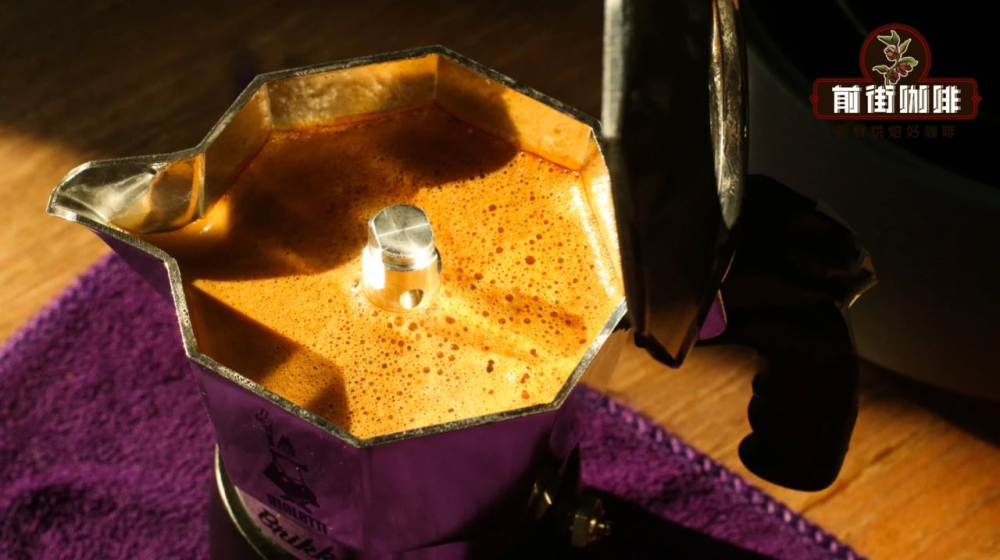
Place the assembled moka pot on the heat source and heat it over high heat. When you hear a distinct “wuu wuu” sound, it indicates that the interior has reached the ideal brewing temperature. At this point, reduce the heat and open the upper chamber lid to observe the extraction process.
Once the coffee begins to flow and approximately half of the upper chamber has filled, turn off the heat and move the moka pot to a heat-safe surface (it’s advisable to place a damp cloth underneath to prevent burns). The remaining pressure and heat inside the pot will continue to push the coffee up into the upper chamber, completing the final stage of extraction.
After all the coffee has been extracted, pour it into your cup and enjoy. Coffee from a moka pot tends to be quite strong, so you can dilute it with water or milk according to your taste. If you have a milk frother, you can even try latte art to add fun to your drinking experience.
Tips and Precautions
Safety is paramount when using a moka pot. In addition to ensuring the water level does not exceed the safety valve, avoid using overly fine coffee grounds or over-tamping, as either can cause abnormal pressure buildup. Furthermore, the moka pot becomes extremely hot after heating, so handle it with care—using oven mitts or a cloth is recommended.
By mastering the water-to-coffee ratio, grind size, and heat control, a moka pot can produce a strong coffee similar in flavor to espresso, making it an excellent option for enjoying espresso-style coffee easily at home.
The above content is compiled by CoffeeHunters, a coffee news website.


