







Introduction:Espresso is not only the soul foundation of classic drinks like lattes and Americanos, but can also be subdivided into three extraction types: Ristretto, Normale, and Lungo. This article delves into the definitions, extraction principles, and key parameters (such as dose, yield, and time) of these three types of espresso, and helps you understand how to adjust grind size and extraction conditions to master different flavor profiles. Whether you’re a beginner or an advanced enthusiast, you’ll gain practical extraction inspiration and tuning tips.
Espresso is made by forcing high-pressure, high-temperature water through finely ground coffee beans, extracting a concentrated, pitch-black coffee liquid topped with an alluring crema. Although it rarely appears on café menus on its own, it is the essential base for many drinks such as lattes, cappuccinos, and Americanos, making it the soul of the coffee shop.
Traditional espresso often uses dark-roasted beans and is frequently blended with Robusta to enhance the bold flavor, historically giving off a taste impression of burnt bitterness. However, with the rise of the specialty coffee trend, modern espressos can now showcase a diverse and balanced flavor profile, including berry acidity and fermented wine-like aromas. Subtle adjustments in brewing parameters such as water temperature, pressure, dose, yield, and time can significantly influence the final flavor expression.
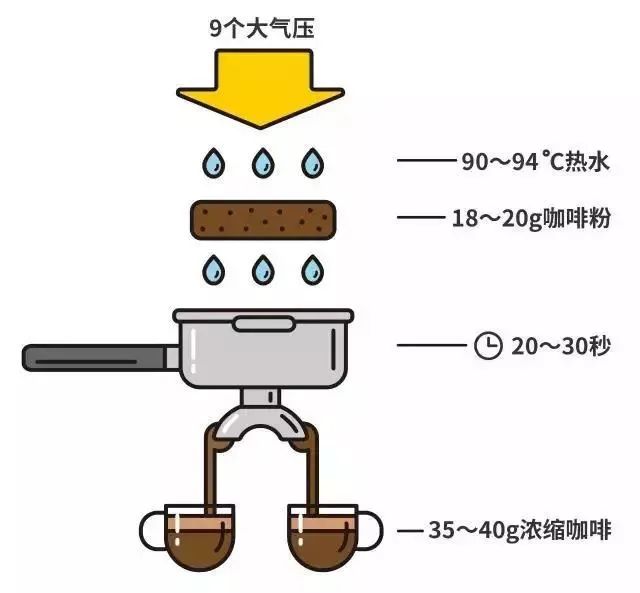
The key to crafting an ideal espresso lies in mastering the details of the extraction process. Commercial machines typically provide stable pressure of over 9 atmospheres and water heated above 90°C, paired with finely ground coffee, allowing the water to quickly penetrate the coffee puck and release intense aromas and a heavy body. But to achieve the best extraction results, fine-tuning of factors such as dose, extraction time, yield, and grind coarseness is still necessary based on the condition of the coffee beans that day, ambient humidity, and other variables.
Common adjustment variables include: the amount of coffee dose affecting the base concentration, extraction time determining the ratio of flavor release, yield directly relating to the overall mouthfeel fullness, and grind size being the core factor controlling water flow rate. The interaction of these factors determines the unique personality of each shot of espresso.
According to the Golden Cup standard proposed by the European Specialty Coffee Association, about 30% of the soluble substances in coffee grounds can be extracted by water, but only two-thirds of those are desirable flavor compounds. Therefore, an ideal extraction yield is generally recommended to be around 20%. Based on this, espresso can be divided into three main types according to extraction volume and time: Ristretto (short shot), Normale (standard shot), and Lungo (long shot).
Ristretto, also known as refined strong or short shot espresso, refers to the process of “limiting” the total extraction volume, usually extracting only the initial to mid-stage liquid to achieve a higher concentration and more focused flavor. Taking a common dose of 20 grams as an example, the yield of a Ristretto is typically around 28 grams, with a shorter extraction time of about 20–25 seconds. This method effectively reduces the extraction of unwanted impurities or off-flavors, making it suitable for those who prefer a strong yet clean taste. Notably, Ristretto is often used as the base for certain specialty coffee drinks (such as Flat White), highlighting more distinct acidity and layering.
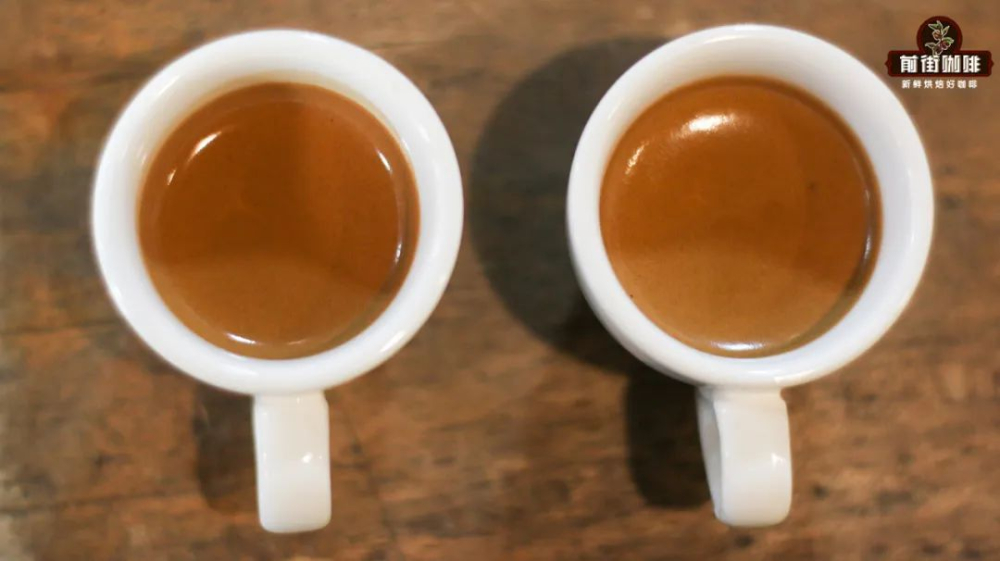
Normale, the most familiar standard espresso to most people, is also the default type served in most cafés. According to the Golden Cup standard, the extraction yield of a Normale should fall between 18%–22%, with a concentration range of 8%–12%. Common extraction parameters are 20 grams of coffee yielding 40 grams of liquid, with an extraction time of about 30 seconds and a brew ratio of approximately 1:2. This ratio strikes an excellent balance between intensity and balance, making it the best entry point for understanding the flavors of espresso.
Lungo, which means “long” in Italian, refers to a long shot espresso where the extraction time is extended and the amount of water used is increased. This type typically uses the same dose of coffee, but the yield increases to around 100 grams, with a brew ratio that can reach 1:5, and extraction time stretching to 40–42 seconds. Due to the increased water volume, Lungo has a relatively softer mouthfeel and lower concentration, making it suitable for those who prefer a lighter or milder coffee flavor. However, it’s important to note that excessively extending the extraction time may lead to over-extraction, resulting in unpleasant bitter and astringent notes. Therefore, careful control of grind size and water temperature is advised.
In summary, Ristretto, Normale, and Lungo are not just differences in extraction volume—they represent distinctly different flavor expressions and brewing philosophies. Whether you’re chasing the intense focus of a Ristretto, the balanced classic of a Normale, or the gentle subtlety of a Lungo, understanding their parameter characteristics and tuning methods will allow you to more precisely grasp the logic of espresso extraction and further elevate your coffee tasting experience.
The above content is compiled by CoffeeHunters, a coffee news website.


