







Introduction:Delve into the world’s top ten renowned coffee-growing regions, from the highlands of Ethiopia to the monsoon climate of Yunnan. Each coffee bean carries unique terroir memories. This article provides a professional analysis of the variety characteristics, processing methods, and optimal brewing recommendations for representative beans from each region, along with detailed flavor profiles and suitable extraction parameters. Whether you're a beginner or an advanced enthusiast, you’ll find your own flavor answer here.
The flavor of coffee is no accident—it is the result of altitude, climate, soil, and human craftsmanship woven together. From the African highlands to Central and South America, coffee beans from different regions exhibit distinct personalities—some as bright as a blooming garden, others as steady as a deep forest. Below, we’ve selected ten representative specialty coffee beans to guide you from regional background to actual brewing experience, helping you fully understand their unique charm.
1. Ethiopia Sidamo Huikui
Produced at the Buku Abel processing station in the Guji-Hambela region of Sidamo, grown at an altitude of 2250 to 2350 meters. The local heirloom variety is processed using the natural (sun-dried) method, fully preserving the sweetness of the fruit pulp. After brewing, it presents bright acidity of passion fruit and strawberry, paired with a mellow black tea-like finish. Ideal for those who enjoy fruity and bright flavors. Recommended to use medium-light roast and water temperature of 92-94°C for pour over, with a medium-fine grind (approximately 70% passing through a Chinese standard No. 20 sieve).
2. Kenya Little Tomato
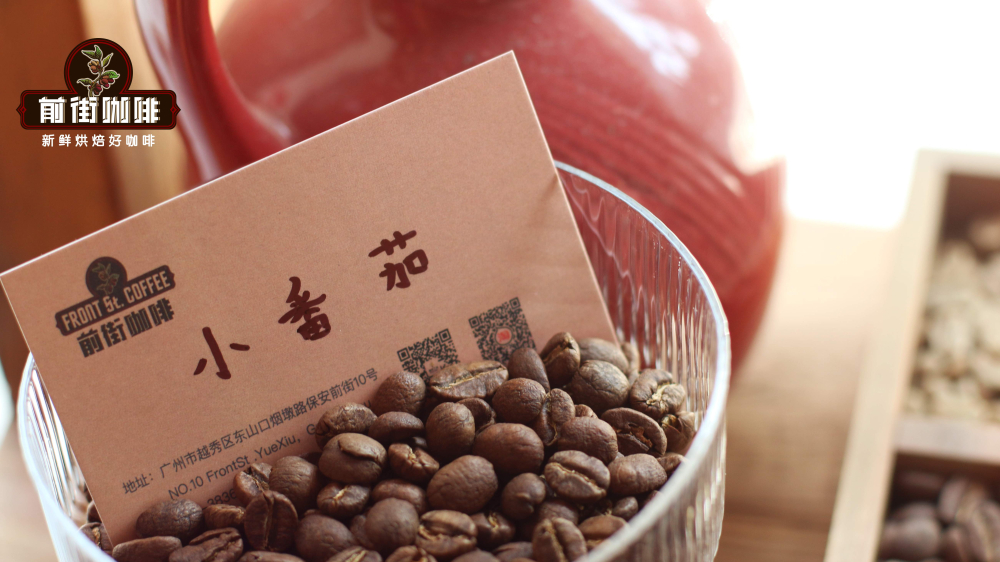
From the Assalia processing station in the Thika region, at an altitude between 1550 and 1750 meters, known for the classic SL28 and SL34 varieties. Using Kenya’s unique 72-hour double fermentation washed process, it enhances the acidity structure and aroma layers. The flavor shows a vivid sour-sweetness of tomato and black plum, paired with a finish of brown sugar and green tea, with a tight and layered mouthfeel. Suggest using higher water temperature (94-96°C) with a coarse grind to avoid over-extraction that could lead to sharp acidity.
3. Guatemala Laminita Flora
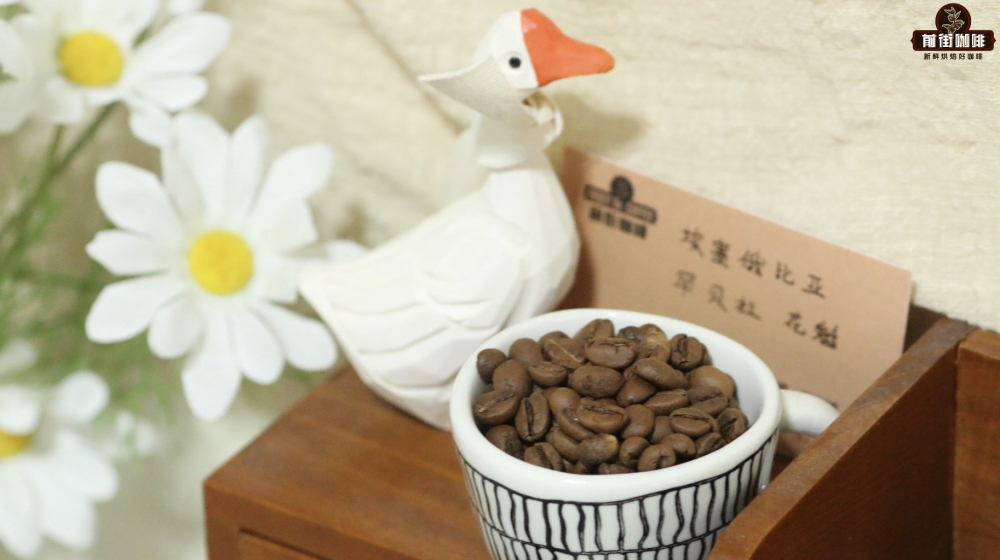
Produced at the Laminita Estate in the Antigua region, at an altitude of around 1200 meters, mainly planted with Caturra and Bourbon varieties. Processed using the washed method, highlighting clean and bright acidity. When hot, it shows a refreshing lemon-like acidity, gradually releasing white floral notes and hints of cocoa as it cools, with a faint smoky finish and caramel sweetness. Suitable for those who prefer balanced flavors, recommended to use medium roast and medium grind (approximately 65% passing through a Chinese standard No. 18 sieve).
4. Panama Boquete Geisha Flower Butterfly
Originating from the Boquete region of Panama, at an altitude of 1600 meters, a blend of Geisha and Catuai/Caturra varieties. Processed via washed method to enhance a clear flavor profile, presenting a harmonious combination of black tea and berries, with moderate acidity and very low bitterness, and a nutty finish. This bean is suitable for those trying specialty coffee for the first time, recommended to use medium-light roast and water temperature of 90-92°C, with a slightly finer than medium grind.
5. Panama Emerald Red Label Geisha
Produced at the Emerald Estate in the Mario plot of Jaramillo, Boquete, at an altitude exceeding 1700 meters, classified as top-tier Red Label grade. Only the Geisha variety is used and processed with the natural (sun-dried) method to concentrate the fruitiness. Upon opening, it releases intense aromas of rose and berries. After brewing, it shows multi-layered flavors of mixed fruits, citrus, and honey, with extremely high sweetness and soft acidity. Recommended to use light roast and water temperature of 90-92°C, with a fine grind (approximately 60% passing through a Chinese standard No. 16 sieve) to highlight the aroma.
6. Colombia Huila
A staple-grade bean from the Huila region, grown at an altitude of 1500 to 1800 meters, mainly planted with Caturra. Processed via washed method to deliver stable and consistent quality, with a flavor base of nuts and dark chocolate, mid-palate featuring soft fruit acidity and caramel sweetness. Suitable for daily drinking, recommended to use medium-dark roast and medium grind, with water temperature controlled between 90-93°C.
7. Costa Rica Tarrazu
Produced in the Tarrazu region, at an altitude of 1500 meters, planted with a mix of Caturra and Catuai. The washed process highlights cleanliness and balance. The first impression is the bright acidity reminiscent of sweet orange, followed by mid-palate flavors of nuts and chocolate, with a finish of cedar aroma and lasting caramel sweetness. Suitable for those who enjoy medium acidity and rich layers, recommended to use medium roast and medium grind.
8. Brazil Queen Estate
From the Queen Estate in the Mogiana region, at an altitude of 1400 to 1950 meters, using the Yellow Bourbon variety and the honey (pulped natural) process. This method retains some of the fruit pulp sugars, giving the coffee a sugarcane juice-like sweetness and a mellow black tea-like mouthfeel, with chocolate and nut aromas running throughout the flavor profile. Recommended to use medium-dark roast and slightly lower water temperature (88-90°C) to reduce the risk of over-extraction.
9. Jamaica Blue Mountain No. 1
Produced at the Clifton Farm in the Blue Mountains region, at an altitude of 1310 meters, using only the Typica variety and the washed process. Blue Mountain coffee is known for its ultimate balance, with flavors presenting a dignified combination of dark chocolate and nuts, where sweet, sour, and bitter are perfectly coordinated, with high cleanliness and moderate body. This is a classic high-end choice, recommended to use medium-light roast and low water temperature (88-90°C) for slow extraction.
10. Yunnan Small Bean Typica
Planted at a coffee farm in Lincang, Yunnan, at an altitude of 1300 meters, using the local Typica variety and the natural (sun-dried) process. This bean represents the development potential of China’s specialty coffee, showcasing berry juice-like flavors and plum acidity, paired with roasted nut and black tea notes, and a finish with brown sugar sweetness. Suitable for those exploring emerging regions, recommended to use medium-light roast and medium-fine grind.
The above content is compiled by CoffeeHunters, a coffee news website.


